






Future lawyers were told when a lawyer's request loses its validity
One of the key tools of legal practice — the attorney’s inquiry — is backed by a provision in the Code of Administrative Offenses: an official who ignores such an inquiry faces a fine. However, this safeguard is effective only when a violation is addressed and results in punishment.
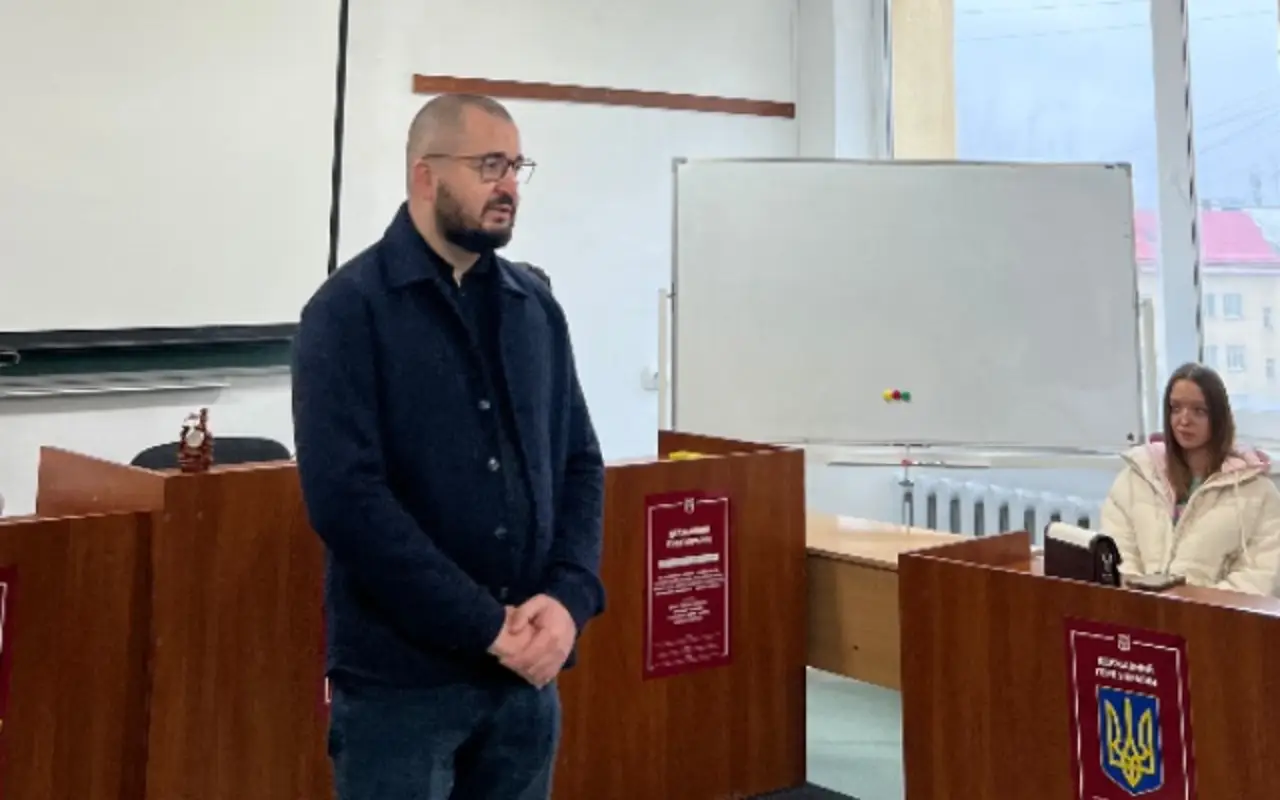
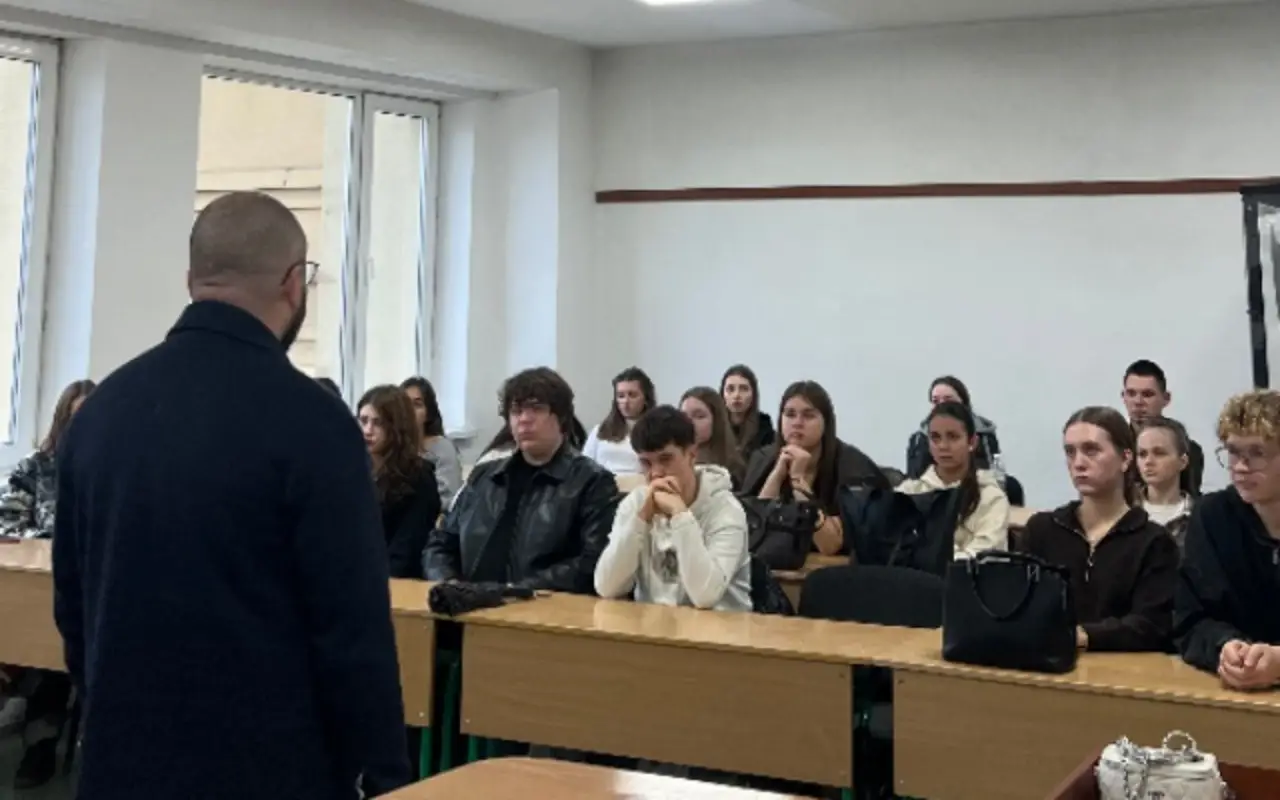
A member of the UNBA Committee on the prevention of administrative offenses, committed against advocates, Nazar Sayuk spoke about this to first-year law students at King Danylo University. The session, titled «Advocacy in the modern world», took place on October 27 as part of the course «Rhetoric and language culture for lawyers». It was led by the speaker together with an associate professor in the Department of law named after Academician of the Ukrainian Academy of Sciences Father Ivan Lutsky Oleksandr Zagursky.
The advocate spoke to students about working under martial law, access to the profession, the activities of bar associations, and the role of bar self-governing bodies in protecting attorneys’ rights. Given the course’s focus, particular attention was paid to persuasive argumentation and the clear articulation of legal positions.
N. Sayuk devoted a significant portion of the session to the professional safeguards of the legal practice. He identified the advocate’s request as one of the primary tools at an advocate’s disposal, through which one can obtain the information and documents necessary to provide legal assistance to a client.
An unlawful refusal to provide information, the untimely or incomplete provision of information, as well as the provision of false information in response to a request, constitutes an administrative offense under Part 5 of Article 212-3 of the Code of Administrative Offenses. An official faces a fine for this.
The speaker noted that the bar association is authorized to draw up reports on such offenses. Pursuant to paragraph 9-1 of Part 1 of Article 255 of the Code of Administrative Offenses, this authority rests with the chairman of the regional bar association or a member of the council authorized by the council. At the same time, according to the advocate, in practice, those at fault often evade liability, particularly due to gaps and conflicts in the legislation.
N. Sayuk explained that every instance of impunity reinforces officials’ belief that they do not have to respond to an advocate’s request. This makes it difficult for advocates to access the documents necessary to defend their clients and ultimately undermines the authority of advocacy.
The speaker believes that the situation can be changed through the joint efforts of advocates and bar self-governing bodies, by eliminating legislative conflicts and ensuring the inevitability of punishment. «It is important not only to document violations but also to bring every case to its logical conclusion — the actual punishment of those responsible. This is the only way to guarantee respect for advocates’ rights and, consequently, an adequate level of legal protection for citizens», - emphasized N. Sayuk.
Earlier, the UNBA announced that it was preparing recommendations regarding advocates’ requests and amendments to the Code of Administrative Offenses, which are intended to ensure that those who fail to provide information are held accountable. Committee chairman Yuriy Hryhorenko explained how the Committee will assist regional bar associations, while Committee secretary Yevhen Ivanchenko analyzed common mistakes in advocates’ requests.
Popular news
Legislation
The UNBA warned against restricting advocates' rights during the implementation of the Convention
The Ukrainian National Bar Association supported the adoption in principle of draft laws aimed at harmonizing national legislation with the Council of Europe Convention on the Protection of the Professions of Lawyer, and also highlighted the need to refine them in preparation for the second reading.
Legal defence of military personnel
Guarantees in the event of detention and procedures for military personnel: recommendations from the UNBA Committee
Most often, military personnel turn to advocates regarding frozen bank accounts and delays in discharge. Step-by-step procedures have been prepared for such situations. A guide on one-time financial assistance has been provided for the families of those killed in action. And the new regulations governing the stay of mobilized individuals at TCCs require changes regarding guarantees of communication with an advocate.
Guarantees of the practice of law
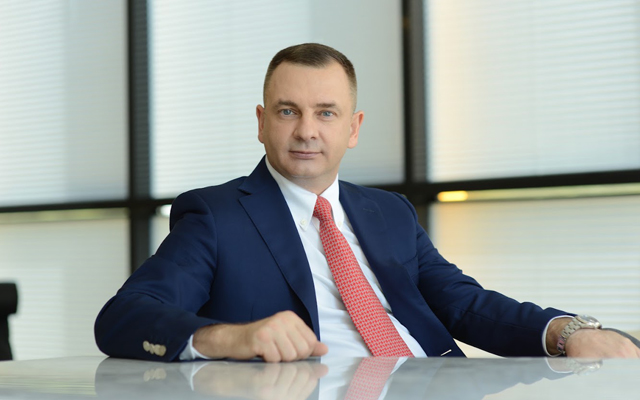
Ratification first, reform second: Valentin Gvozdiy on the Council of Europe Convention
Albania and Bosnia and Herzegovina have ratified the Council of Europe Convention on the Protection of the Professions of Lawyer. Eight ratifications are required for it to enter into force, so Ukraine may still be among the states that will activate the mechanism for monitoring guarantees for the legal profession.
Rule of Law Roadmap
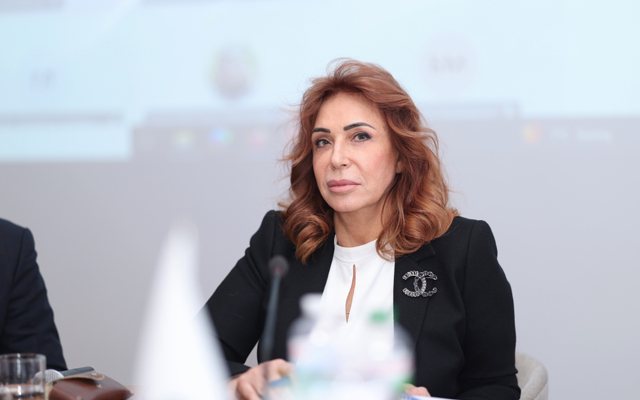
Lidiya Izovitova: reform of the advocacy profession should make the profession stronger and individuals better protected
The Ukrainian advocacy community is finalizing work on a new version of the relevant law. The roadmap on the rule of law has set the fourth quarter of 2026 as the deadline for achieving results in this area. The draft is intended to ensure safeguards for the practice of law through mechanisms of accountability for violations.
Abroad
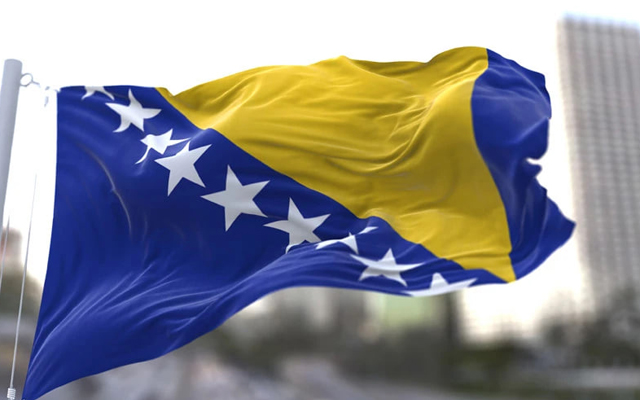
The first country to ratify the Convention on the Protection of the Professions of Lawyer
Bosnia and Herzegovina became the first country to ratify the Council of Europe Convention on the Protection of the Professions of Lawyer (CETS No. 226). The country signed the Convention on March 17, 2026, so it took just over seven months to ratify it.
Discussion
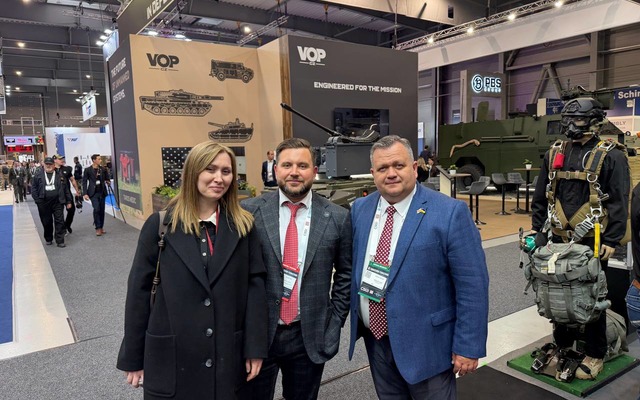
Civil security and guidelines for investors: representatives of the UNBA attend a forum in Prague
How to establish a business in Ukraine, protect investments, and comply with regulatory requirements — these were the issues that foreign companies in the security sector discussed with representatives of the UNBA during an international forum in Prague.
Legislation
An emergency search without a warrant? What changes are advocates proposing to the CPC
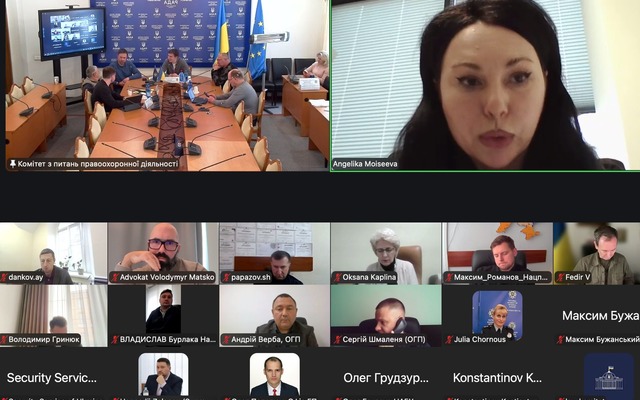
The Verkhovna Rada is preparing a consolidated draft of amendments to the Criminal Procedure Code regarding searches in urgent cases without a prior ruling by an investigating judge. The UNBA insists that judicial oversight following such a search must be effective, and that homeowners must be full participants in the procedure.
Discussion
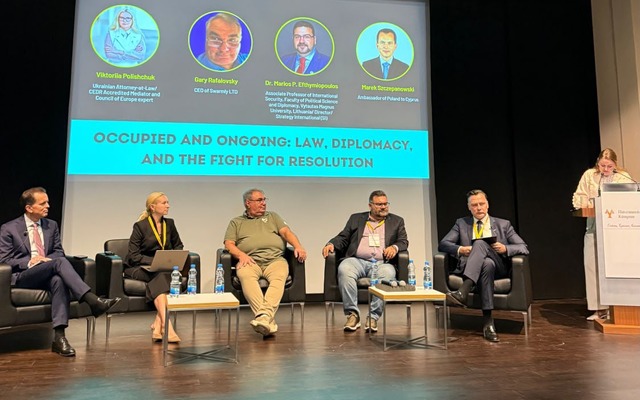
In Nicosia discussions focused on the protection of labor rights under occupation
How can a person’s labor rights be protected if the employer, the archives, and the employment record book remain in the occupied territory? And does a court that takes into account a document issued there legitimize the occupying authority?
Publications

Vasyl Kolishnyi, «Law and Business» Supporting mental health should become part of the professional culture of the Bar, - H. Udovenko

Volodymyr Matsko Extradition during wartime: when the risks outweigh the request

Volodymyr Matsko Extradition as a systemic form of rights violations

Victoria Yakusha, Law and Business The anti-corruption vertical cannot «take care» of the Bar as an institution, - acting head of the HQDCB

Censor.net Protecting advocates – protecting justice: addressing concerns about the new law

Ihor Kolesnykov A BRIEF SUMMARY REGARDING THE APPLICATION OF THE ORDER ON EXTENDED CONFISCATION IN LATVIA REGARDING FINANCIAL ASSETS OF…

Valentyn Gvozdiy WORKING IN A WAR ZONE

Lydia Izovitova Formula of perfection

