






UNBA appeals to SJA and Prosecutor General regarding inadmissibility of restrictions on access to court decisions

The Ukrainian National Bar Association appealed to the State Judicial Administration of Ukraine and the Office of the Prosecutor General regarding the inadmissibility of unjustified restriction of access to court decisions based on requests of prosecutors.
This is stated in the decision of the Bar Council of Ukraine (hereinafter - BCU) dated October 15, 2020.
The issue concerns the secrecy by prosecutors of prosecutors` offices of court decisions in 2019 - 2020 and their execution. There are 36,827 copies of court decisions, to which access is limited. Information about this was received in response to a request addressed to Kholodniuk Z.V, the head of the State Judicial Administration of Ukraine.
According to the response, the administrator of the Unified State Register of Judgments - the State Enterprise "Information Judicial Systems", - limited viewing in the Register in full and public access the court decisions on the basis of requests filed by prosecutors, namely: from January 1, 2019 to December 31, 2019 - up to 4308 electronic copies of court decisions; from January 1, 2020 to August 20, 2020 - up to 2243 electronic copies of court decisions, ” - the BCU decision states.
UNBA also learned that the Unified State Register of Judgments contains court decisions that are allegedly classified by prosecutors. However, such court decisions were made in open court proceedings and they are not subject for protection from disclosure.
In addition, the prosecution often initiates the closure of access to court decisions unreasonably, but the Administrator of Registr satisfies the requests of prosecutors and investigators without examining the legal grounds for such a restriction.
The Bar Council of Ukraine draws attention to the fact that such actions contradict the requirements of the Law of Ukraine "On Access to Court Decisions", in particular, total restriction of review of copies of court decisions illegally restricts the individual rights to access court decisions.
"According to the requirements of Part 1 of Article 27 of the Criminal procedural code of Ukraine, participants in court proceedings, as well as persons who did not participate in criminal proceedings, if the court has decided on their rights, freedoms, interests or responsibilities, may not be restricted in access to court, both oral and written information on the results of the trial and the right to review procedural decisions and obtain copies. No one may be restricted in the right to receive information in court about the date, time and place of the trial and the court decisions adopted therein, except in cases established by law,” - BCU emphasizes.
The Bar Council of Ukraine draws attention to the fact that the procedure for access to a court decision is regulated by the Law of Ukraine “On Access to Court Decisions”.
This Law regulates relations on ensuring access to court decisions (decisions, court orders, rulings, judgments) adopted by courts of general jurisdiction, and maintaining the Unified State Register of Court Decisions (Article 1). Thus, it also applies to decisions that are made according to the rules and procedures of the Criminal procedural code of Ukraine.
Pursuant to Part 2 of Article 2 of this Law, all court decisions are open and subject to publication in electronic form no later than the next day after their preparation and signing, except for decisions on seizure of property and temporary access to assets and documents in criminal proceedings, which should be published on the day of their execution.
Pursuant to Part 3 of Article 3 of the Law, the court of general jurisdiction shall publish in the Register all court decisions and individual opinions of judges set forth in writing no later than the next day after their adoption or preparation of the full text.
The first part of Article 4 of the Law stipulates that court decisions published in the Register are open for free access 24 hours per day without holidays through the official web portal of the judiciary of Ukraine.
Pursuant to Part 4 of Article 4 of the Law, the restriction of the right to use the official web portal of the judiciary of Ukraine for free is permitted to the extent necessary to protect information that is subject to protection against disclosure by a court decision.
General access to decisions on permission to carry out the search of a person's home or other property, on refusal to satisfy a request to carry out the search of a person's home or other property of a person, on permission to conduct a covert investigative (search) action, on refusal to grant a request to conduct a covert investigative (search) action is ensured one year after the publication of such decisions in the Register.
If the court decision contains a state secret reflecting the information included in the Code of Information Constituting a State Secret, such decision may be classified as required by the Law of Ukraine "On State Secrets". In this case, access to a decision that contains a state secret is also restricted.
In all other cases, the decisions of the judges are binding on the Register.
The full text of the decision can be viewed on the UNBA website.
Popular news
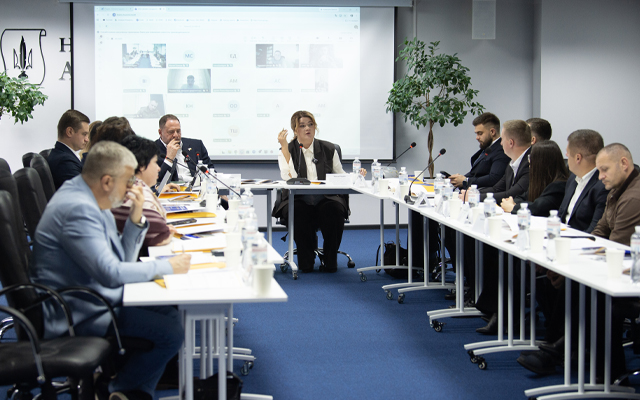
Legal defence of military personnel
Guarantees in the event of detention and procedures for military personnel: recommendations from the UNBA Committee
Most often, military personnel turn to advocates regarding frozen bank accounts and delays in discharge. Step-by-step procedures have been prepared for such situations. A guide on one-time financial assistance has been provided for the families of those killed in action. And the new regulations governing the stay of mobilized individuals at TCCs require changes regarding guarantees of communication with an advocate.
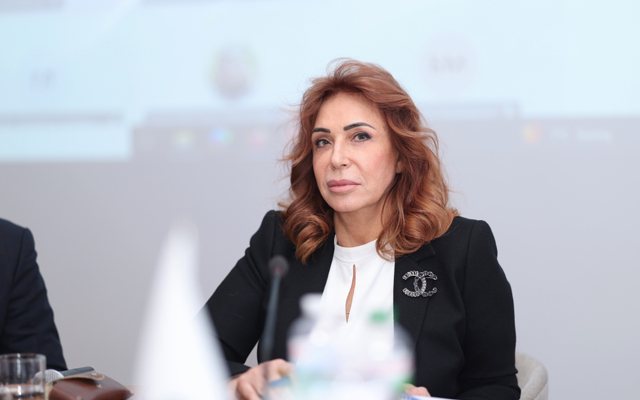
Rule of Law Roadmap
Lidiya Izovitova: reform of the advocacy profession should make the profession stronger and individuals better protected
The Ukrainian advocacy community is finalizing work on a new version of the relevant law. The roadmap on the rule of law has set the fourth quarter of 2026 as the deadline for achieving results in this area. The draft is intended to ensure safeguards for the practice of law through mechanisms of accountability for violations.
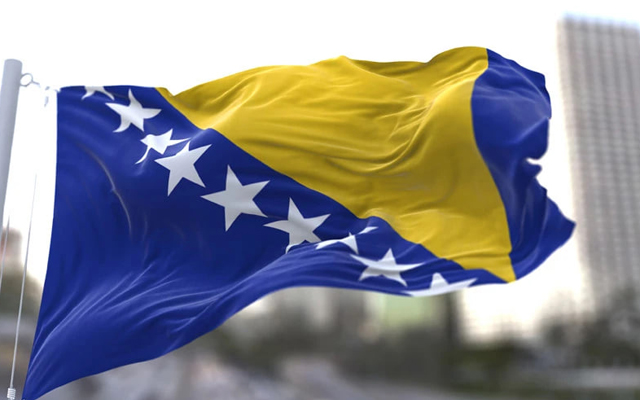
Abroad
The first country to ratify the Convention on the Protection of the Professions of Lawyer
Bosnia and Herzegovina became the first country to ratify the Council of Europe Convention on the Protection of the Professions of Lawyer (CETS No. 226). The country signed the Convention on March 17, 2026, so it took just over seven months to ratify it.
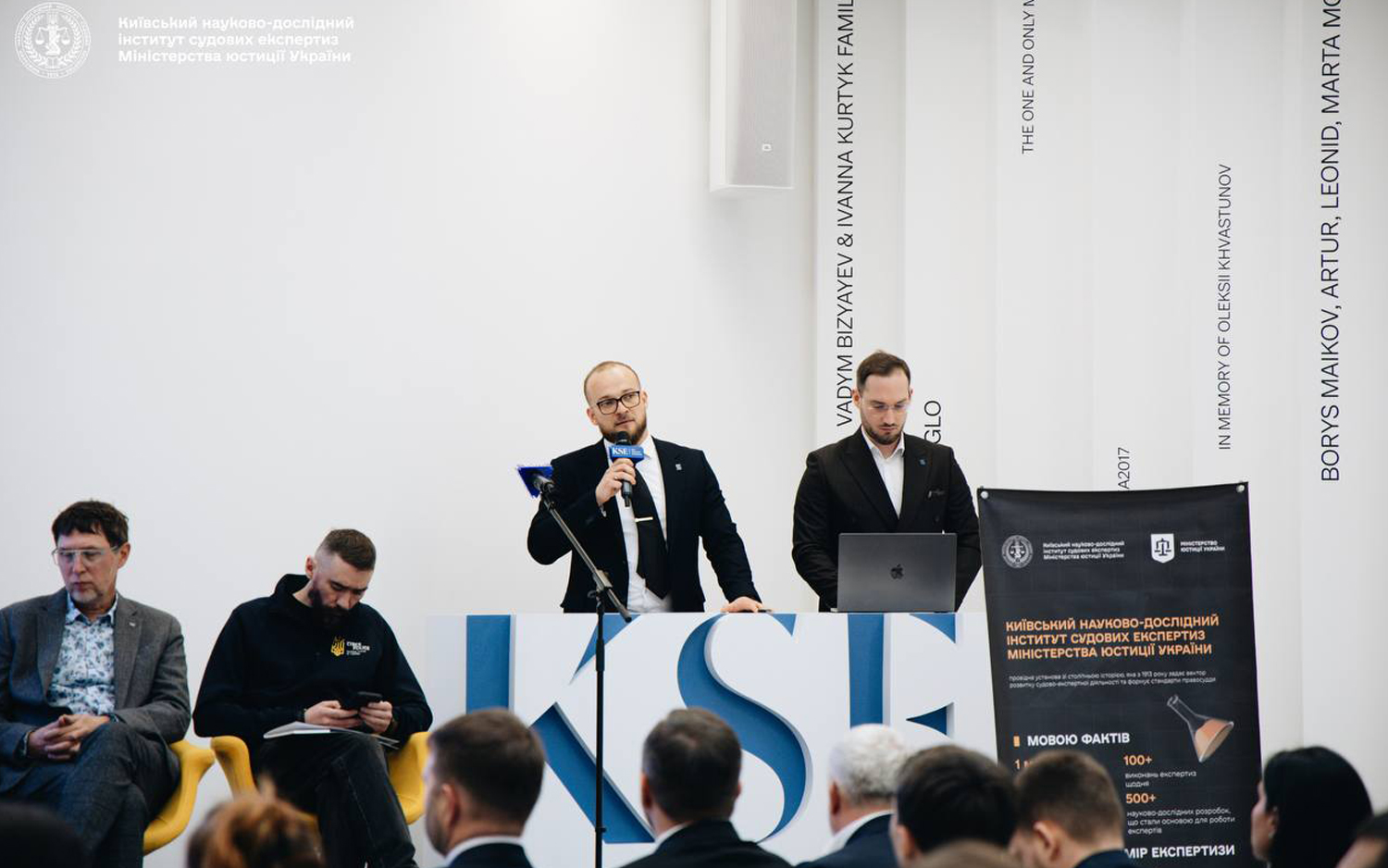
Discussion
Seizure does not mean return: how to get an exchange to return stolen crypto assets
In cases involving cryptocurrency theft, the assets move faster than the criminal proceedings, so it is best to first freeze and seize them, and only then identify the perpetrator. However, even a seizure will not recover the funds unless the court order specifies exactly what the exchange or issuer must do.
Support
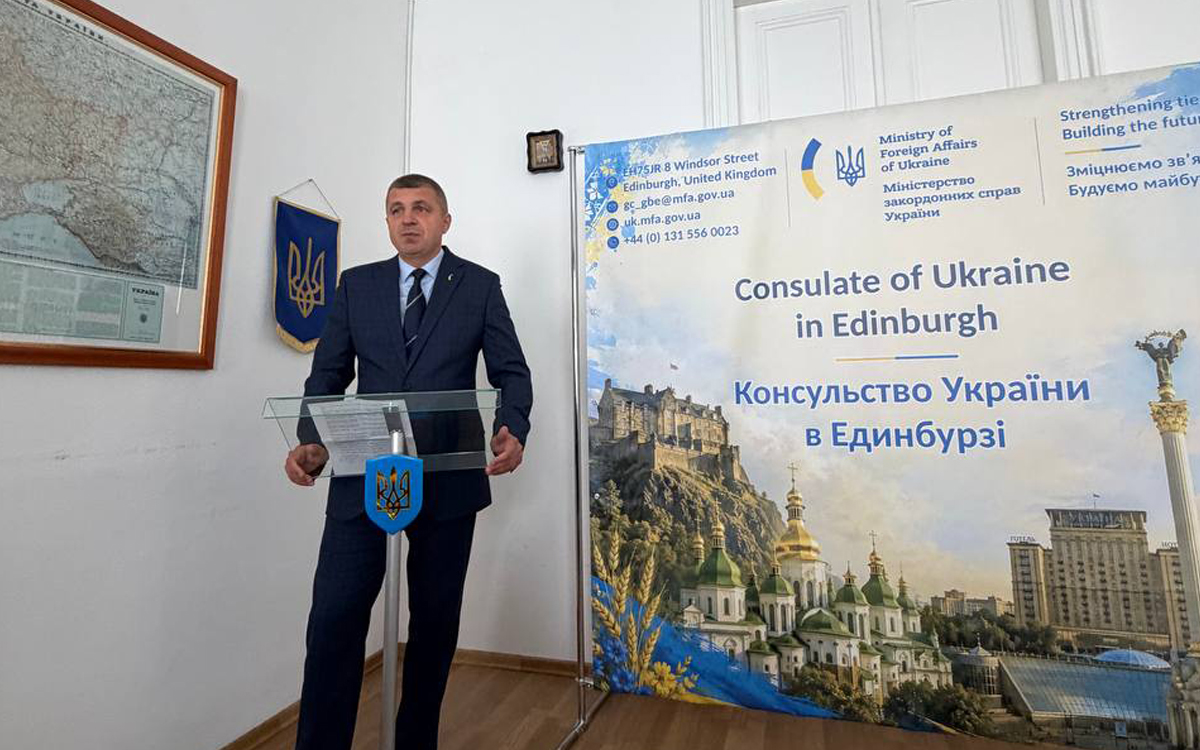
In Edinburgh expressed gratitude to those who are helping Ukrainian advocates and citizens
Since the start of the full-scale invasion, Scottish legal institutions and the Ukrainian community, with the participation of the UNBA, have been helping Ukrainian advocates obtain their qualifications and Ukrainians receive legal assistance. The parties are now planning joint professional and educational events.
Educational events
What to do when you need immediate protection in the LCIA
A dispute with a counterparty has been referred to the London Court of International Arbitration (LCIA), but it will take several weeks to appoint the arbitrators, and the client needs legal representation immediately? This can be achieved through an emergency arbitrator or expedited tribunal formation.
Educational events
An advocate's meeting with a client outside the office: how to conduct it without giving away too much
If a client suggests meeting in a public place, keep in mind that any name or amount mentioned aloud could be overheard by bystanders. Therefore, it’s important to plan ahead regarding the table, seating arrangements, and the scope of the conversation.

Legislation
The UNBA explained what could undermine the plan to introduce plea agreements
Information regarding who pays whom, how much, and on what grounds under a plea agreement must be made public. However, as long as this information is classified as a state secret or personal data, the court will continue to be able to close proceedings and restrict access to judgments.
Publications

Vasyl Kolishnyi, «Law and Business» Supporting mental health should become part of the professional culture of the Bar, - H. Udovenko

Volodymyr Matsko Extradition during wartime: when the risks outweigh the request

Volodymyr Matsko Extradition as a systemic form of rights violations

Victoria Yakusha, Law and Business The anti-corruption vertical cannot «take care» of the Bar as an institution, - acting head of the HQDCB

Censor.net Protecting advocates – protecting justice: addressing concerns about the new law

Ihor Kolesnykov A BRIEF SUMMARY REGARDING THE APPLICATION OF THE ORDER ON EXTENDED CONFISCATION IN LATVIA REGARDING FINANCIAL ASSETS OF…

Valentyn Gvozdiy WORKING IN A WAR ZONE

Lydia Izovitova Formula of perfection

