


In Edinburgh discussed the war in Ukraine and the rule of law
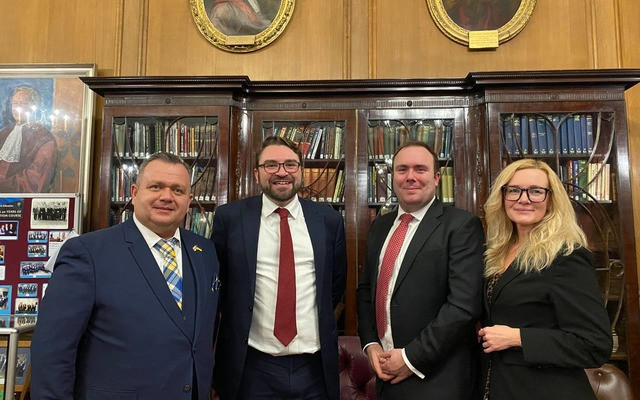
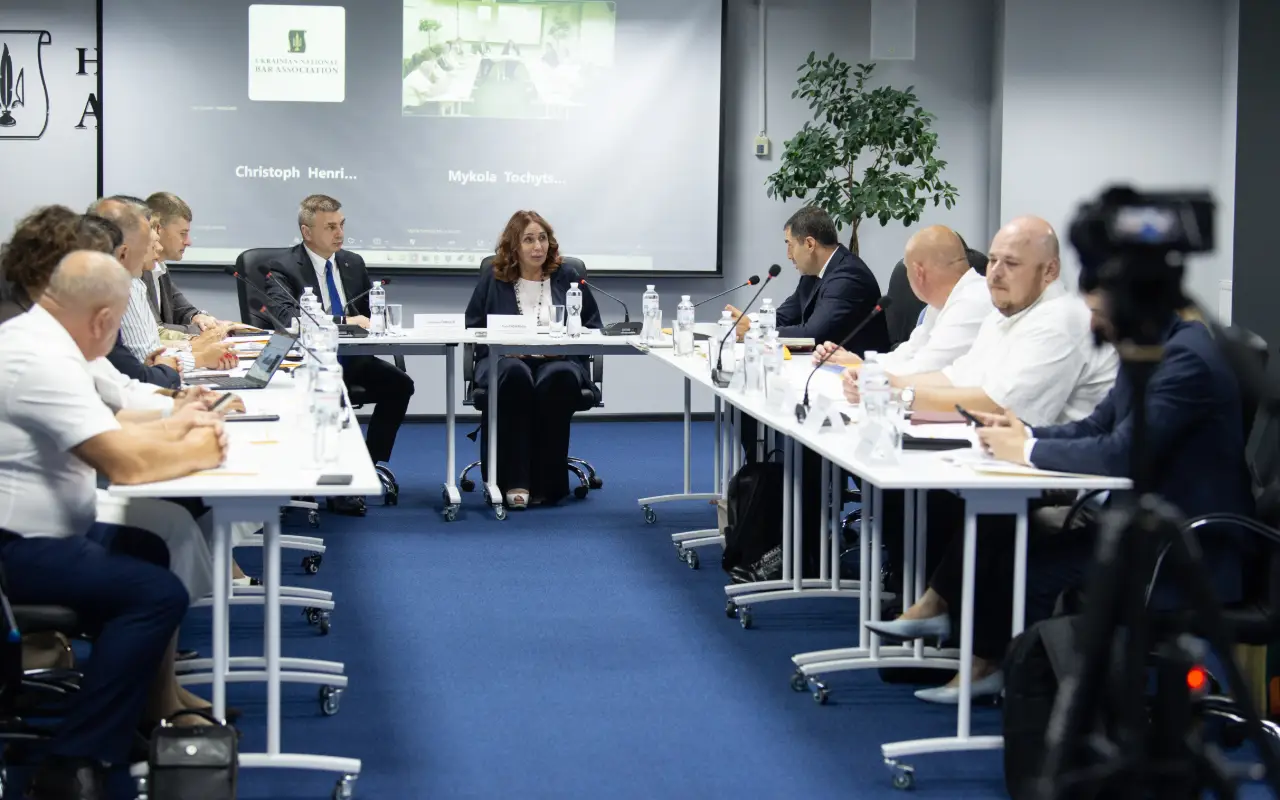
On November 21, the Faculty of Advocates, one of the oldest bar associations in Europe, hosted a professional discussion entitled «War in Ukraine and the rule of law». The event brought together leading Ukrainian and British lawyers, who discussed key challenges for justice systems in times of war, aggression, and threats to democracy.
The discussion was attended by Oleksandr Chernykh, representative of the Ukrainian National Bar Association in the United Kingdom, Larisa Zhdanikina, Doctor of Law and lecturer at the University of Glasgow, and Stephen Neff, professor at the University of Edinburgh Law School. The event was organized by Kenneth Young and Rob Marrs, who created a platform for professional dialogue on the role of law in countering contemporary challenges.
O. Chernykh outlined the range of threats faced by the Ukrainian legal community on a daily basis: pressure on the courts and advocacy, corruption risks, shelling and missile strikes, energy instability, as well as information pressure from the media and bloggers. He emphasized that despite these factors, advocates continue to ensure access to justice and respect for human rights.
The advocate paid special attention to the Convention for the Protection of the Profession of Lawyer adopted by the Council of Europe — the first international document that enshrines the independence of advocates, attorney-client confidentiality, freedom of access to the profession, and the strengthening of the role of professional self-government. He highlighted Ukraine's key contribution to the development of the document, in particular the participation of the Vice President of the UNBA, BCU Valentin Gvozdiy.
L. Zhdanina began her speech by saying that it is necessary to talk about war because, as Arthur Dron noted, silence is impossible, and emphasized that talking about peace is no less important. She stressed that the rule of law must remain an unchanging value both in peacetime and during war. Drawing on the works of Joseph Raz, Lord Bingham, and the criteria formulated by the Venice Commission, L. Zhdanina highlighted three fundamental principles: personal freedom, human dignity, and statehood as a form of self-determination of the people. She also outlined the significance of Ukraine's accession to the Rome Statute and stressed that the abduction of Ukrainian children of the new generation should be considered an act of genocide.
S. Nef focused on the UN International Court of Justice's consideration of Ukraine's case against Russia regarding the interpretation of the Convention on the Prevention of Genocide. He emphasized the legal fallacy of Russia's position, which attempted to use the Convention as a political cover for the invasion without providing any evidence. According to the scholar, Ukraine's argument is based on the purpose, content, and spirit of the Convention, which is intended to prevent manipulation and abuse.
The discussion at the Faculty of Advocates showed that the Ukrainian advocacy continues to perform its functions even in the extremely difficult conditions of war, and also confirmed the importance of international support, the development of legal instruments for the protection of advocates, and the strengthening of the principles of the rule of law. The event was another step towards deepening international cooperation and strengthening the professional unity of the legal community, which opposes aggression and defends freedom, dignity, and the fundamental values of the democratic world.
Popular news

Educational events
How DISC helps manage «tigers», «monkeys», «elephants» and «turtles»
The same instruction from a manager may motivate one employee to take action, while leaving another without the necessary guidance. People perceive work tasks differently: for some, a deadline and the expected outcome are enough, while others need explanations, time or a detailed plan.

Legislation
The Verkhovna Rada is preparing a bill to implement the Convention on the Protection of the Professions of Lawyer
Members of Parliament plan to introduce a bill in the near future to implement the main provisions of the Council of Europe Convention on the Protection of the Professions of Lawyer. This parliamentary initiative may also prompt the government to expedite the preparation of the ratification package.

Greetings
The UNBA honored the winners of the «In the language of prose» contest and opened a fashion exhibition
The competition was organized by the UNBA Committee on humanitarian issues and creative initiatives in cooperation with the Center for advocacy and legal research. Two dozen advocates from various regions of Ukraine submitted their works to the competition committee for consideration. The entries were evaluated based on originality, the relevance of the chosen topic and the level of technical skill.

Educational events
Preparing a court argument: 7 tips for advocates
When preparing a courtroom speech, it is best to begin by formulating the decision the advocate is asking the court to render. Next, the structure of the speech should be built around this outcome, strong arguments should be selected, and weak points should be addressed.
Legislation
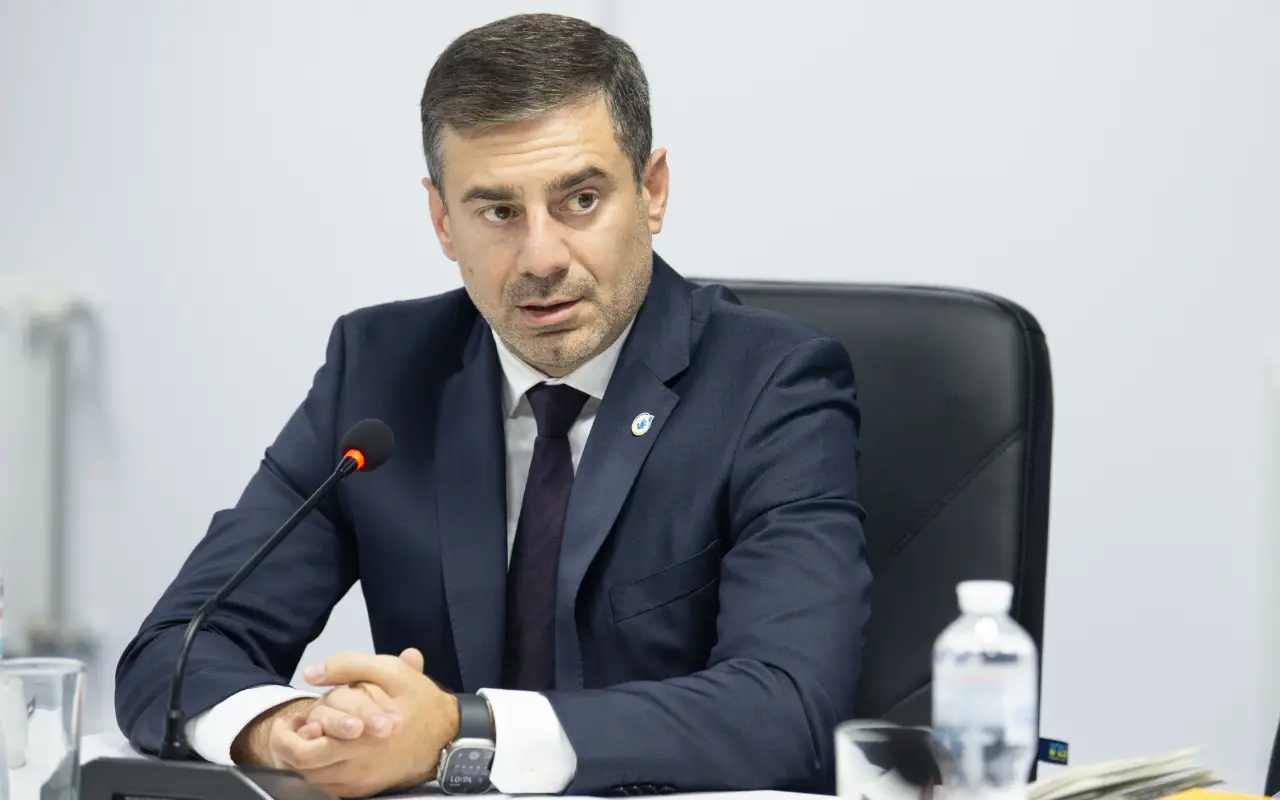
Advocates’ access to the TCC and the SP should be regulated by law – Ombudsman
The practice of denying advocates access to the premises of the TCC and the SP bears the hallmarks of systematic obstruction of the legal profession and deprives people of the opportunity to promptly obtain professional legal assistance. The procedure for such access must be codified in regulations issued by the Ministry of Defense.
Legislation
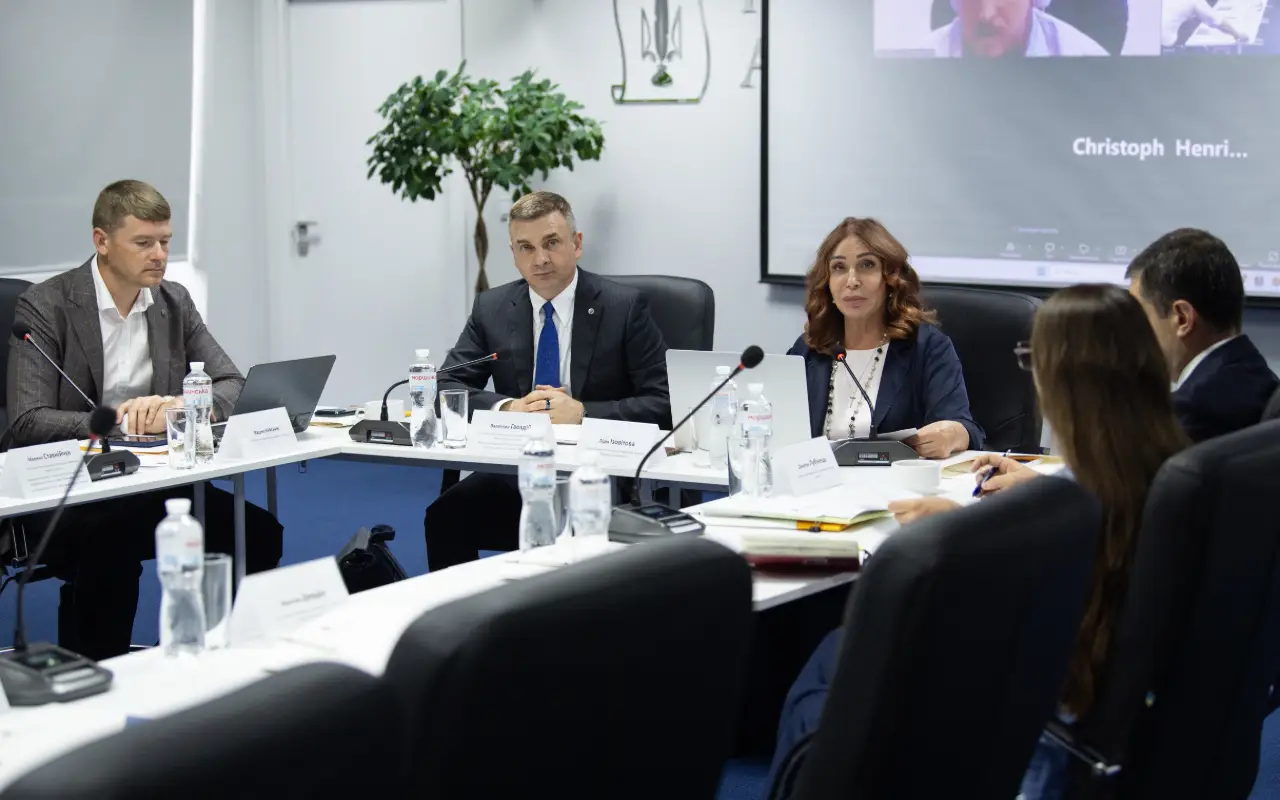
The path to ratification of the Convention must not end in yet another delay — L. Izovitova
Ukraine’s preparations for the ratification of the Council of Europe Convention on the Protection of the Professions of Lawyer have already passed key stages. Now, government institutions must submit the matter to the Verkhovna Rada for consideration. In doing so, Ukraine may complete the ratification process faster than EU member states.
Edition
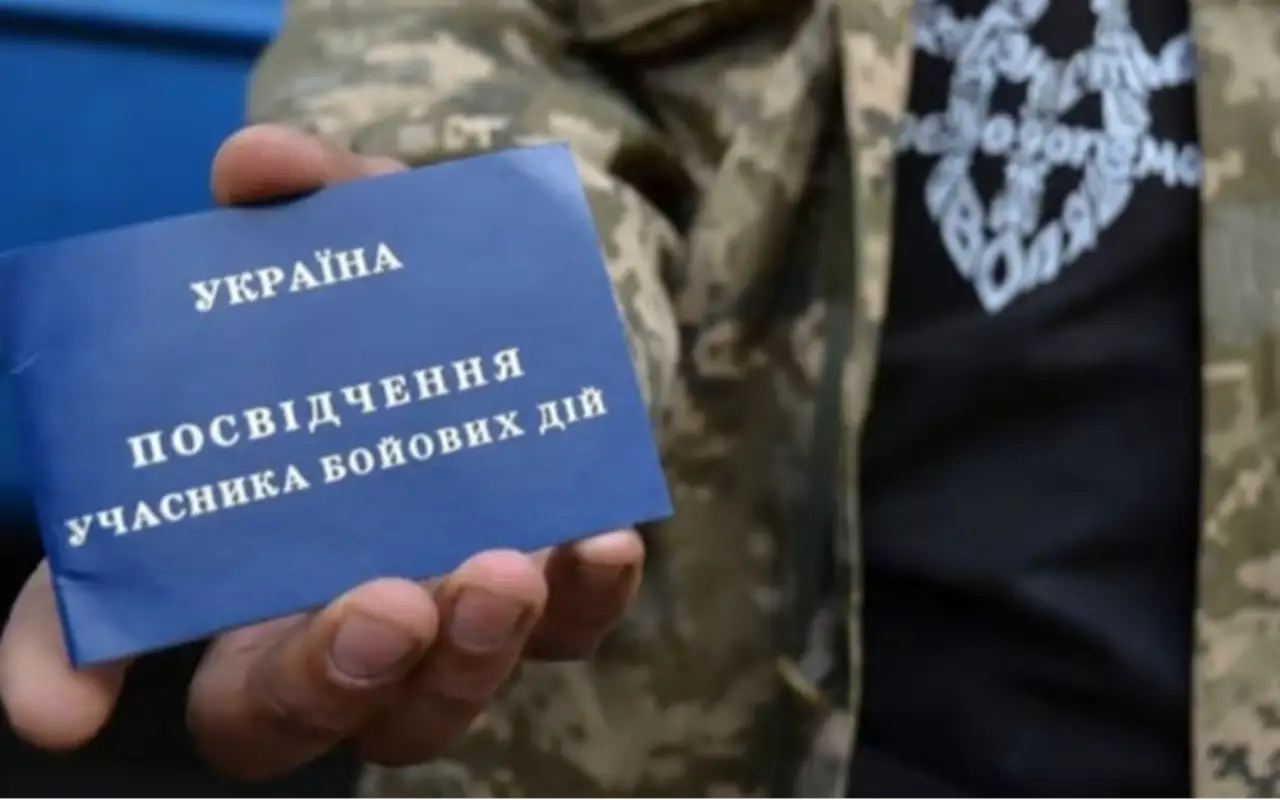
Veterans were provided with algorithms for responding to malfunctions
The UNBA Committee on the protection of victims of armed aggression against Ukraine, compensation mechanisms and European integration legal support for recovery together with the Ministry of Veterans Affairs of Ukraine has prepared the latest Legal Guide for War Veterans.
Guarantees of the practice of law
Ukraine could be the first to implement a European mechanism for the protection of advocates. What’s holding it back?
Ukraine has a chance to be the first country to ratify the Council of Europe Convention on the Protection of the Professions of Lawyer. Political support for this exists, but the government’s legislative package has not yet been submitted to parliament. Meanwhile, the number of violations of advocates’ rights is on the rise.
Publications

Vasyl Kolishnyi, «Law and Business» Supporting mental health should become part of the professional culture of the Bar, - H. Udovenko

Volodymyr Matsko Extradition during wartime: when the risks outweigh the request

Volodymyr Matsko Extradition as a systemic form of rights violations

Victoria Yakusha, Law and Business The anti-corruption vertical cannot «take care» of the Bar as an institution, - acting head of the HQDCB

Censor.net Protecting advocates – protecting justice: addressing concerns about the new law

Ihor Kolesnykov A BRIEF SUMMARY REGARDING THE APPLICATION OF THE ORDER ON EXTENDED CONFISCATION IN LATVIA REGARDING FINANCIAL ASSETS OF…

Valentyn Gvozdiy WORKING IN A WAR ZONE

Lydia Izovitova Formula of perfection