The advocate's loud voice had no effect on the Indian court
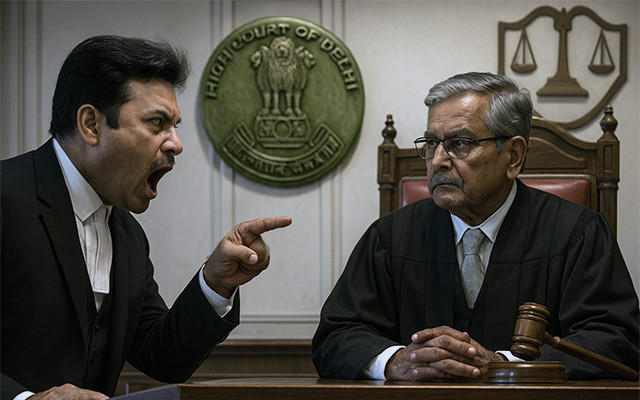
The Delhi High Court found the behavior of an advocate who raised his voice and tried to pressure the trial judge after the latter refused to adjourn the case to be «highly unacceptable». The court emphasized that «a judge is a judge» at any level of the judicial system, and disrespect for the court is unacceptable.
The relevant decision of 28 November 2025 in the case of Sandeep Kumar v. Kaptain Singh Rathi Through LRs was published by the Indian legal portal LawChakra.
The High Court emphasized that every judge, whether in the court of first instance or in a higher court, deserves equal respect and sharply criticized advocates who try to pressure judges when their position is not supported by sufficient legal arguments.
In considering the case, the High Court referred to the trial court's ruling of November 18, which described the advocate's behavior after he was denied another postponement of the case, which has been pending since 2016.
According to the court of first instance, the advocate raised his voice and stated that he practised in the Supreme Court, where «in the interests of justice» many opportunities for speeches were provided. Even when the court of first instance subsequently agreed to hear closing arguments on the same day, the advocate allegedly told the judge that he would not be speaking. The court of first instance also noted that a false statement was made regarding whether the lawyer's client had reached a settlement agreement.
The High Court strongly disapproved of this behavior, emphasizing that the advocate continued to speak in a raised voice even after being asked to calm down.
The decision states: «It is wholly unacceptable that, despite being asked to calm down, the honourable representative of the party continued to address the court in a raised voice, stating that he practises in the Supreme Court. Moreover, when he was offered a break so that the closing arguments could be heard on the same day, the esteemed representative defiantly stated that he would not argue the case and that the court was free to hear the arguments».
Due to this behavior and the lack of convincing legal grounds in the case, the High Court concluded that the appeal against the decision of the court of first instance to close the evidence stage did not merit consideration: «There are no grounds even for opening proceedings on this appeal. On the contrary, the appeal is completely unfounded and has ulterior motives».
In his defense, the advocate informed the High Court that he usually speaks loudly and denied that he had refused to present his arguments before the court of first instance. However, the court did not understand why he had not presented his arguments when he had been directly invited to do so.
In the end, the advocate asked for permission to withdraw the complaint and expressed regret for his behavior. The High Court agreed and dismissed the complaint and all related motions without consideration.
It should be recalled that the European Court of Human Rights recently ruled that an advocate has the right to sharply criticize the actions of the court within the proceedings if this is necessary to defend the client and not to personally insult the judge. Punishment for such words is possible only in exceptional cases and should not force advocates to remain silent.
Popular news
Guarantees of the practice of law
Ukraine has signed the Convention for the Protection of the Profession of Lawyer
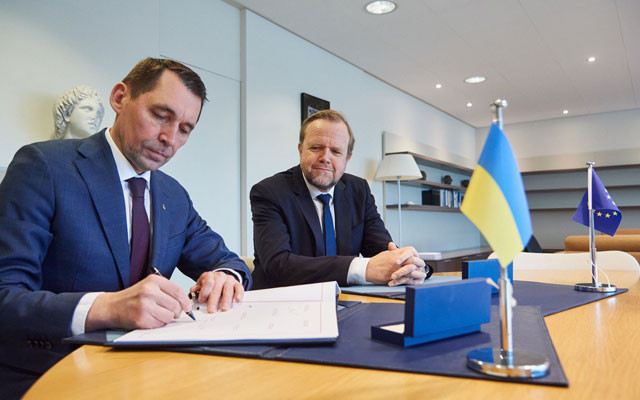
Today, on 9 March, Ukraine's Permanent Representative to the Council of Europe Mykola Tochytskyi signed the Council of Europe Convention for the Protection of the Profession of Lawyer. This makes our country the 28th to sign this important international treaty.
European integration
A translation of the report on advocacy presented to the European Parliament has been published
A translation of a research report on the Ukrainian advocacy profession in wartime, previously presented to the European Parliament in Brussels, has been published. The document is presented as a basis for discussion on the rule of law, Ukraine's European integration aspirations, and countering Russian disinformation in the legal sphere.

Legal defence of military personnel
How to formalize discharge from military service: practical workshop
The issue of discharge from military service remains one of the most pressing and complex for Ukrainian defenders and their families. Due to constant changes in legislation, military personnel often face refusals to discharge them from service or even to consider their reports.
Legislation
The Verkhovna Rada Committee criticized the format of the government working group on advocacy
The implementation of the Roadmap on the rule of law (approved by Cabinet of Ministers Resolution No. 475-r of May 14, 2025) in relation to advocacy raises the practical question of who exactly should prepare legislative changes and how.
Self-government
The BCU demands a review of the composition of the government working group on reforming the advocacy profession
The President of the UNBA, BCU Lidiya Izovitova, appealed to the Cabinet of Ministers of Ukraine to review the composition of the working group on improving legislation in the field of advocacy and legal practice.
Guarantees of the practice of law
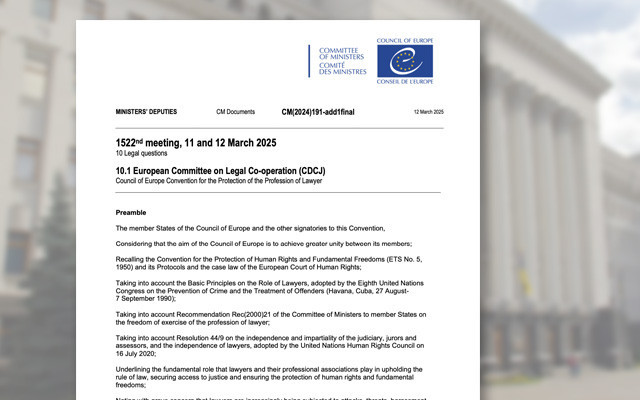
The President has determined, who will sign the Convention for the Protection of the Profession of Lawyer
President of Ukraine Volodymyr Zelenskyy authorized Ukraine's Permanent Representative to the Council of Europe Mykola Tochytskyi to sign the Council of Europe Convention for the Protection of the Profession of Lawyer.
Abroad
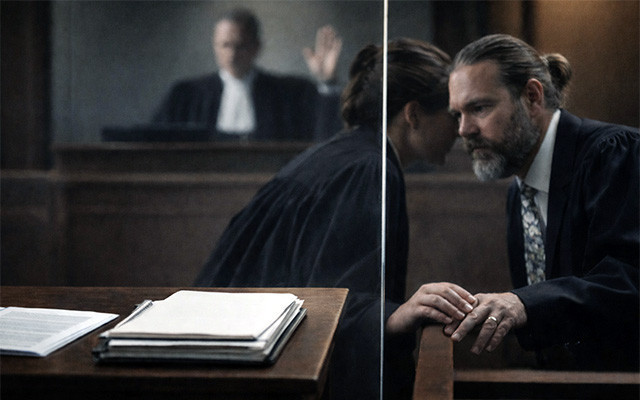
Advocate's romance with prosecutor halts criminal case in Canada
In Montreal (Quebec, Canada), a court suspended proceedings against eight defendants accused of illegal cannabis trafficking and money laundering after it was revealed that the prosecutor in the case and one of the advocates were in a secret intimate relationship.
Legislation
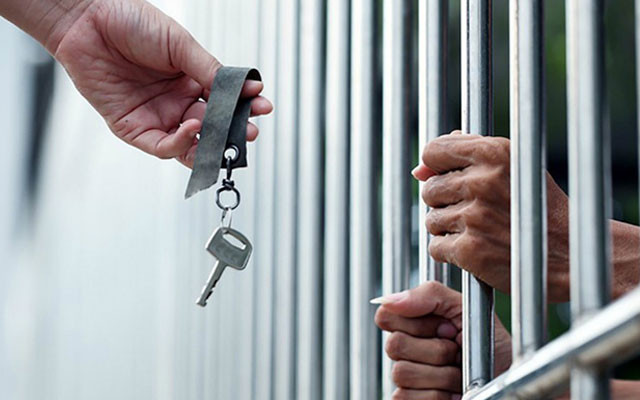
After the war amnesty for criminals or exemption from responsibility?
To ensure national reconciliation, rehabilitation of persons who have been persecuted for political reasons, restoration of justice, and establishment of lasting peace, it is proposed to introduce an amnesty after the war.
Publications

Volodymyr Matsko Extradition during wartime: when the risks outweigh the request

Volodymyr Matsko Extradition as a systemic form of rights violations

Victoria Yakusha, Law and Business The anti-corruption vertical cannot «take care» of the Bar as an institution, - acting head of the HQDCB

Censor.net Protecting advocates – protecting justice: addressing concerns about the new law

Ihor Kolesnykov A BRIEF SUMMARY REGARDING THE APPLICATION OF THE ORDER ON EXTENDED CONFISCATION IN LATVIA REGARDING FINANCIAL ASSETS OF…

Valentyn Gvozdiy WORKING IN A WAR ZONE

Lydia Izovitova Formula of perfection

Sergiy Vylkov Our judicial system is so built that courts do not trust advocates