


How to hear a child in court without coercion or psychological harm – recommendations presented
A child’s participation in resolving a family dispute does not necessarily require their physical presence in the courtroom. The format of the hearing must be voluntary, understandable, and safe, and a psychologist should be involved in the process if necessary.
Chairman of the UNBA family law Committee and an expert invited by the Interagency Coordination Council on Juvenile Justice Larisa Gretchenko spoke about practical approaches to ensuring this right during the roundtable discussion «Introduction of specialization for judges in family and children’s cases: experience and prospects».
The event was organized by the Supreme Court in collaboration with the Interagency Coordination Council and the National School of Judges of Ukraine, with support from the UNICEF Office in Ukraine as part of a project by the NGO «All-Ukrainian Public Center «Volunteer».
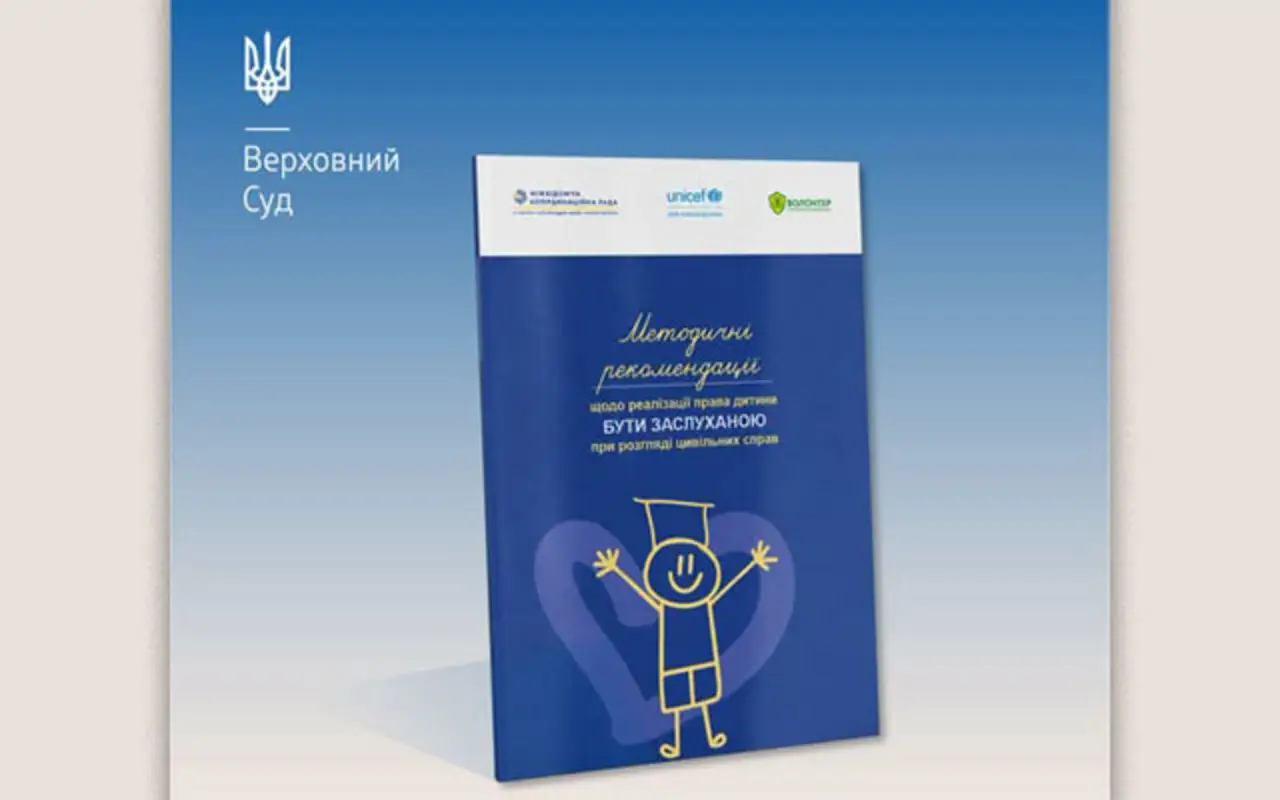
During the roundtable, Methodological recommendations on the implementation of a child’s right to be heard in civil proceedings were presented. L. Gretchenko, who was delegated by the UNBA to serve on the relevant working group under the Interagency Coordination Council, was one of the co-authors of the publication.
The recommendations are based on ten principles. These include voluntary and informed participation; full and effective participation; age- and maturity-appropriate participation; confidentiality and a safe environment; a form of communication that is easy to understand; professional training for specialists; feedback; a non-discriminatory approach; and ensuring the best interests of the child.
According to L. Gretchenko, the law does not establish a minimum age for exercising the right to be heard. Therefore, young age alone cannot serve as grounds for refusing to ascertain the child’s views.
The advocate paid special attention to the role of the psychologist. According to her, the psychologist does not represent the child, does not take sides with the parties to the dispute, and does not make procedural decisions. Prior to the hearing, the psychologist may assess the child’s readiness, explain the purpose and procedure for participation, and provide recommendations regarding conducive conditions for communication. During the hearing, the psychologist helps formulate questions in language the child can understand, explains the course of the proceedings, provides psychological and emotional support, and, if necessary, helps the court understand the child’s answers and behavior. At the same time, the psychologist’s procedural status in such cases is not defined by law, which requires separate regulation.
At the same time, L. Gretchenko emphasized that the judge plays a decisive role in ensuring the child’s right to be heard. It is the judge who chooses the method and location of the hearing, decides whether to involve a psychologist, ensures that no pressure is exerted, and evaluates the child’s statements along with the other case materials.
The child’s opinion must be heard and duly taken into account; however, it is not the sole basis for a decision. If the court issues a decision contrary to the position expressed, the child should be given a clear explanation of the reasons and informed of exactly how their views were taken into account.
Popular news
War
Are Europe's advocacy associations prepared for a potential war? V. Gvozdiy shared lessons from the Ukrainian experience
The continuity of the bar’s self-governance, the protection of professional registries and archives, as well as equal guarantees of employment for advocates, judges, and prosecutors must be enshrined in advance in legislation in the event of war or another emergency.

Educational events
How DISC helps manage «tigers», «monkeys», «elephants» and «turtles»
The same instruction from a manager may motivate one employee to take action, while leaving another without the necessary guidance. People perceive work tasks differently: for some, a deadline and the expected outcome are enough, while others need explanations, time or a detailed plan.

Legislation
The Verkhovna Rada is preparing a bill to implement the Convention on the Protection of the Professions of Lawyer
Members of Parliament plan to introduce a bill in the near future to implement the main provisions of the Council of Europe Convention on the Protection of the Professions of Lawyer. This parliamentary initiative may also prompt the government to expedite the preparation of the ratification package.
Educational events
What an advocate should consider when a fee dispute escalates into a complaint to the QDBC
If an advocate files a lawsuit seeking to recover fees from a client, the client may in turn file a complaint with the High Qualification and Disciplinary Commission of the Bar in an effort to compel the advocate to withdraw the lawsuit. How do the advocacy’s disciplinary bodies handle such cases?

Greetings
The UNBA honored the winners of the «In the language of prose» contest and opened a fashion exhibition
The competition was organized by the UNBA Committee on humanitarian issues and creative initiatives in cooperation with the Center for advocacy and legal research. Two dozen advocates from various regions of Ukraine submitted their works to the competition committee for consideration. The entries were evaluated based on originality, the relevance of the chosen topic and the level of technical skill.
Discussion
What is holding back funding for gas-fired power generation – discussion between businesses and banks at the UNBA
To provide loans for new gas-fired power generation projects, banks require a predictable cash flow, an investor’s equity contribution, and risk-sharing mechanisms. A business model that relies solely on a preferential gas price is not a sufficient basis for financing.

Educational events
Preparing a court argument: 7 tips for advocates
When preparing a courtroom speech, it is best to begin by formulating the decision the advocate is asking the court to render. Next, the structure of the speech should be built around this outcome, strong arguments should be selected, and weak points should be addressed.
Legislation
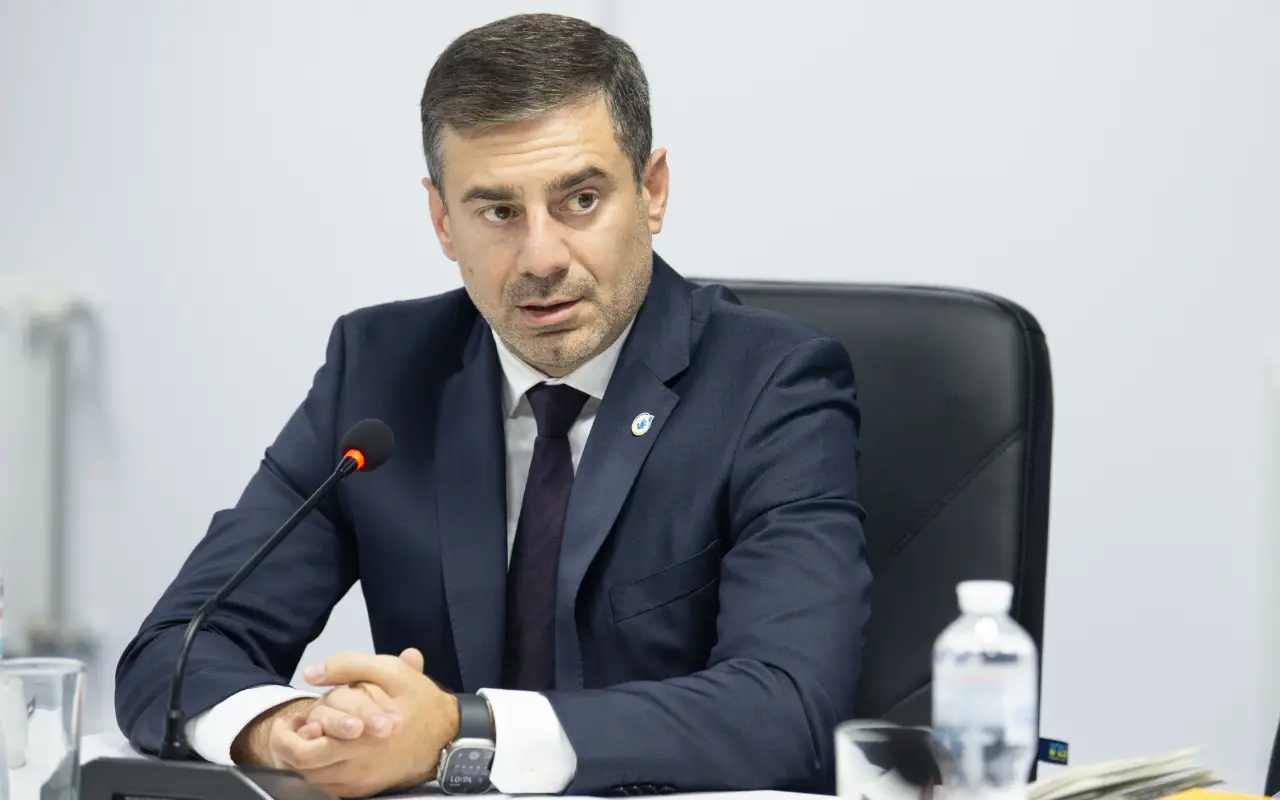
Advocates’ access to the TCC and the SP should be regulated by law – Ombudsman
The practice of denying advocates access to the premises of the TCC and the SP bears the hallmarks of systematic obstruction of the legal profession and deprives people of the opportunity to promptly obtain professional legal assistance. The procedure for such access must be codified in regulations issued by the Ministry of Defense.
Publications

Vasyl Kolishnyi, «Law and Business» Supporting mental health should become part of the professional culture of the Bar, - H. Udovenko

Volodymyr Matsko Extradition during wartime: when the risks outweigh the request

Volodymyr Matsko Extradition as a systemic form of rights violations

Victoria Yakusha, Law and Business The anti-corruption vertical cannot «take care» of the Bar as an institution, - acting head of the HQDCB

Censor.net Protecting advocates – protecting justice: addressing concerns about the new law

Ihor Kolesnykov A BRIEF SUMMARY REGARDING THE APPLICATION OF THE ORDER ON EXTENDED CONFISCATION IN LATVIA REGARDING FINANCIAL ASSETS OF…

Valentyn Gvozdiy WORKING IN A WAR ZONE

Lydia Izovitova Formula of perfection