


AWOL and disability: a state SBI investigator explains the approach to investigating cases
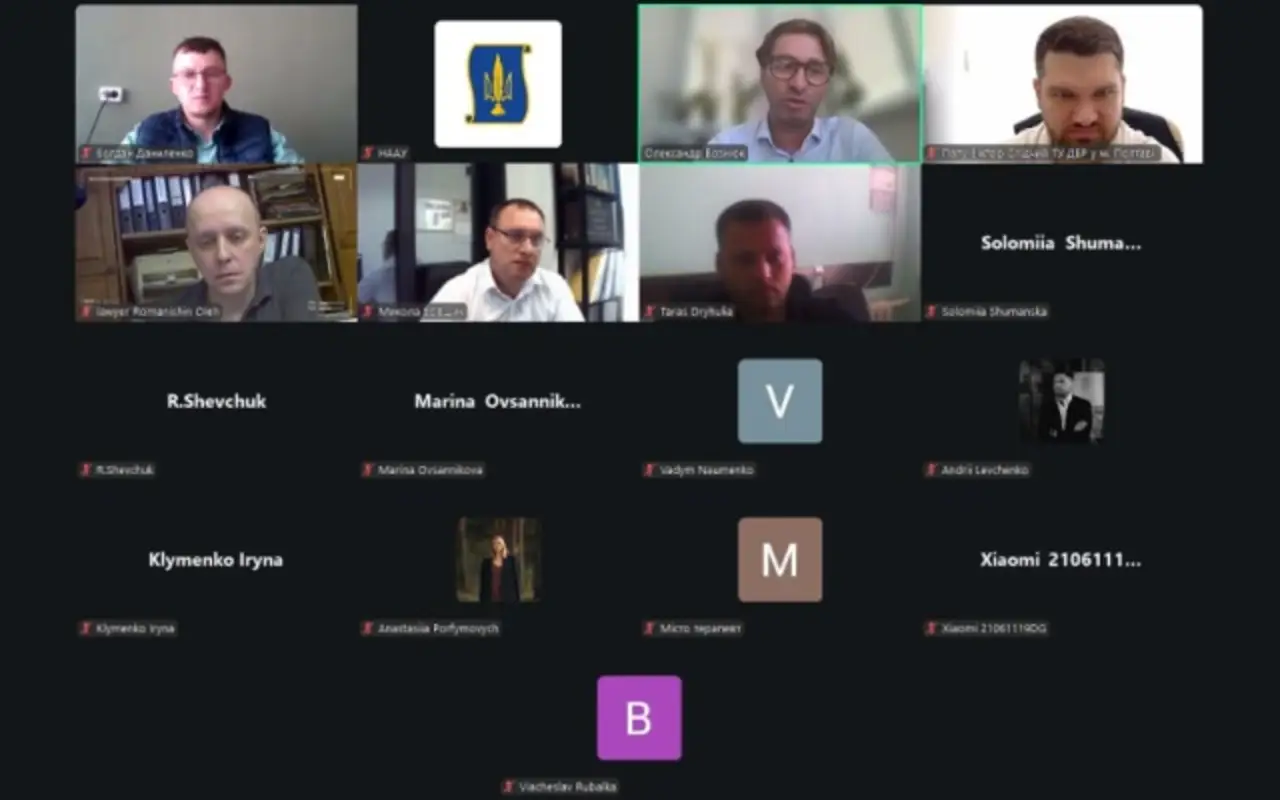
During an investigation into a military servicemember with a disability who has deserted without authorization, the investigator may take into account medical records, actual treatment, fitness for service, and the intent behind the act.
The UNBA Committee on the protection of the rights of persons with disabilities, at the initiative of the human rights union of persons with disabilities and the NGO «DOBROBAT», organized a roundtable discussion titled «How a person with a disability can properly leave AWOL».
The discussion was moderated by the Committee chairman Oleksandr Voznyuk. He noted that problems arise as early as the mobilization stage, when a person’s health status is not properly assessed. Subsequently, instead of training the service member, the training center is forced to organize repeat medical examinations and treatment and in some cases, the center itself initiates discharge on medical grounds.
The mechanism for returning from AWOL does not provide for a separate procedure for service members who have confirmed medical grounds for discharge. This was pointed out by Committee Council member Mykola Boshchyk, who proposed regulating the submission of reports by registered or certified mail with a list of contents, since the current procedure specifies electronic and written forms but does not explicitly regulate the submission of documents via postal services.
A senior investigator with the State Bureau of Investigation’s Poltava Territorial Office Viktor Papu reported that when working with military personnel delivered by the Military Law Enforcement Service, their health status is assessed. If medical documents are available, the investigator may refer the individual to a medical examination commission.
Chronic illnesses and disabilities are also taken into account. After all, the subject of a criminal offense is a military servicemember who is capable, based on their state of health, of performing their duties. If a medical board certificate stating the person’s unfitness for service is attached to the report of AWOL, the entry of information into the Unified Register of Pre-trial Investigations may be denied. Proceedings against individuals unfit for military service are also closed.
In such cases, reports of medical treatment are verified by sending inquiries to the relevant institutions. The mere fact that a person has been admitted for treatment does not automatically trigger an immediate notification of suspicion or a motion for pretrial detention.
Committee member Oleg Romanishyn drew attention to cases of military personnel who were evacuated abroad for treatment but, due to the Medical Examination Commission’s conclusions that there was no need for long-term treatment, may be recorded as having failed to return to their unit. According to a representative of the State Bureau of Investigation, if a person is in fact continuing treatment, this constitutes a valid reason for failure to report for duty and precludes the existence of a criminal offense. However, a conclusion that there is no need for long-term treatment does not address whether the person is fit for military service. In such a situation, the individual should be referred to the Medical Examination Commission to determine their ability to continue service.
If the individual is brought before an investigator, the investigator may issue a referral to the medical examination board, after which the military police escort the servicemember to undergo the examination. The State Bureau of Investigation representative has not encountered the practice of issuing a remote referral to the medical examination board solely at the request of an advocate.
V. Papu did not, in and of itself, consider the submission of a request for discharge due to family circumstances to be a valid reason for failure to report for duty. In his opinion, a service member must report to the unit and await a decision on the request, whereas undergoing medical treatment may prevent their return.
When a request remains unprocessed for a long time, the SBI representative suggested evaluating the servicemember’s intent and purpose. If the individual sought to exercise their right to discharge, there is no intent to evade service. Under such circumstances, he personally would be inclined to close the case.
Based on the results of the discussion, the Committee plans to send participants its proposed solutions to address issues related to AWOL. An expanded meeting involving representatives of relevant agencies may take place as early as late August or early September.
Popular news
Interaction
The UNBA is developing a concept for a Center for expert research
The Ukrainian National Bar Association has begun work on a concept for a Center for expert research, which is intended to provide advocates and their clients with access to specialized knowledge and the ability to have expert opinions professionally reviewed.
Guarantees of the practice of law
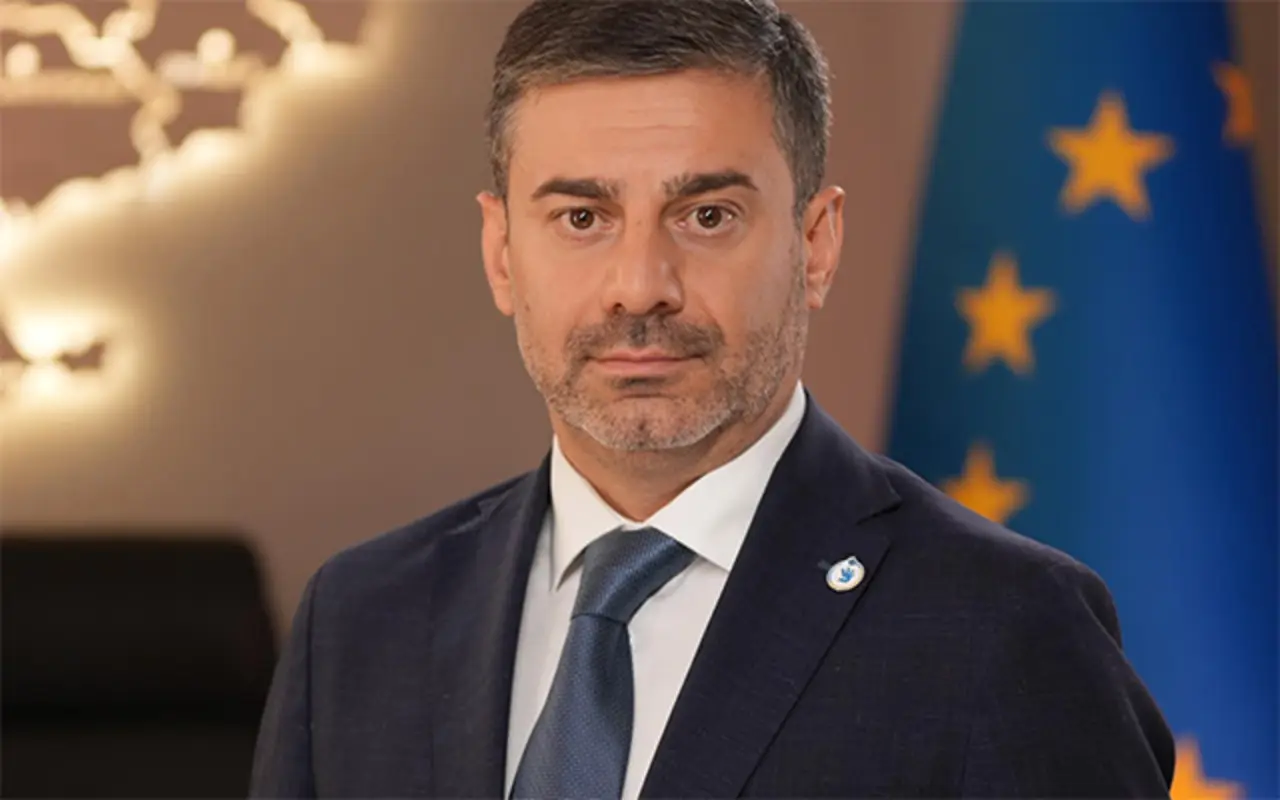
Ombudsman calls for a firm response to violence against advocates
Every instance of obstruction of an advocate’s lawful activities, use of physical force, delaying an investigation, or concealment of evidence must be subject to a proper legal assessment. The state is obligated to ensure that the right to a defense is a genuine guarantee.
Greetings
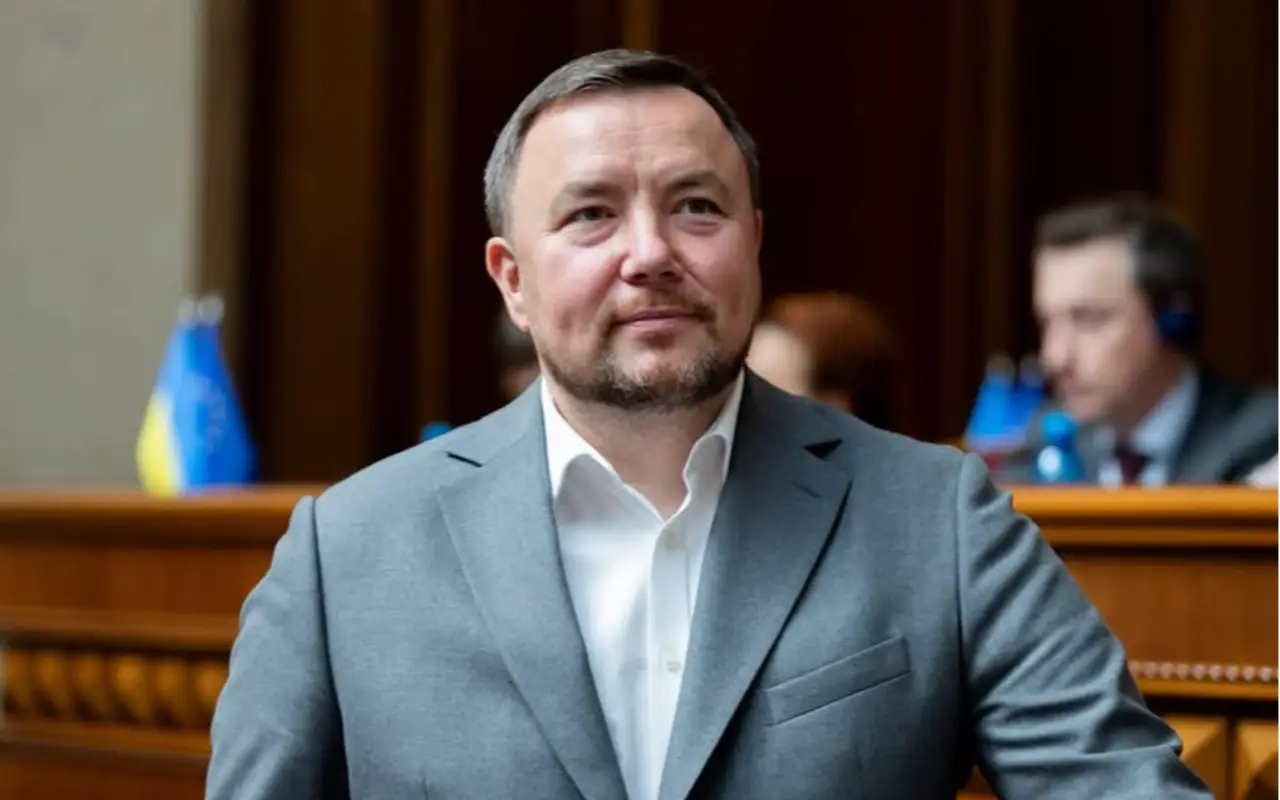
The UNBA congratulates Denis Maslov on his appointment as Minister of Justice
Denis Maslov’s many years of experience as a advocate, his work as a judge and his tenure as chairman of the Verkhovna Rada of Ukraine’s Committee on legal policy have given him a deep understanding of how the legal system functions and the challenges it faces.
Legislation
The Verkhovna Rada explained why the section on advocacy should be removed from the anti-corruption strategy
The section on advocacy and legal aid in the draft anti-corruption strategy for 2026–2030 goes beyond the scope of anti-corruption policy and is inconsistent with the constitutional guarantees of the independence of the legal profession.
Announcements
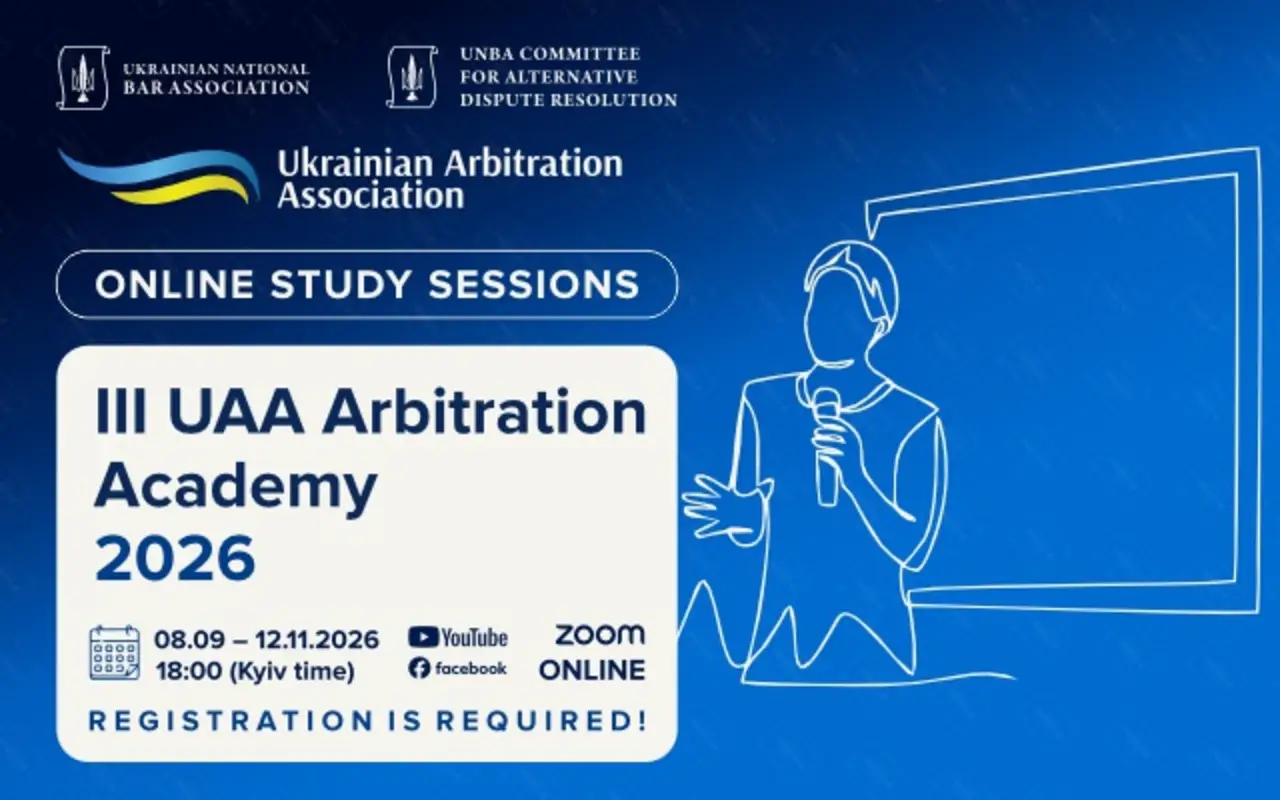
Advocates are invited to the III UAA Arbitration Academy 2026
The UNBA, at the initiative of the Committee on alternative dispute resolution, invites advocates, lawyers, students, judges, government officials and anyone interested in international arbitration to participate in the III UAA Arbitration Academy 2026.
Educational events
How can an advocate recharge if fatigue persists after the weekend?
Fatigue resulting from prolonged stress does not always go away after sleep, a weekend, or a vacation. In situations of chronic stress, it is important for advocates not only to «take a break» but also to understand exactly which resource has been depleted and what type of rest is needed.
Discussion
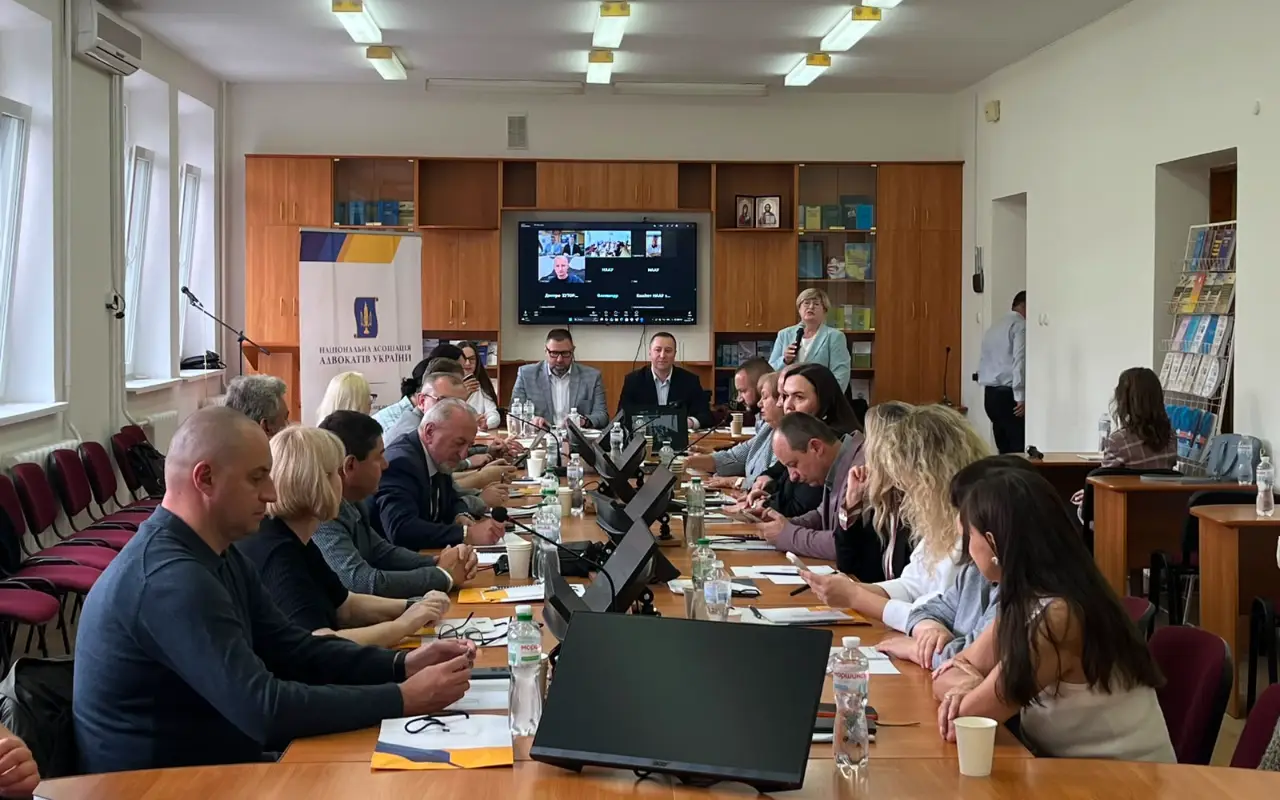
Complaints, time limits and prosecutorial powers: what gaps in the CPC do advocates see?
During the pretrial investigation stage, the effectiveness of the defense depends to a large extent on the proper implementation of procedural safeguards: the timely consideration of complaints, the advocate’s access to information regarding the progress of the proceedings and so on.
Guarantees of the practice of law
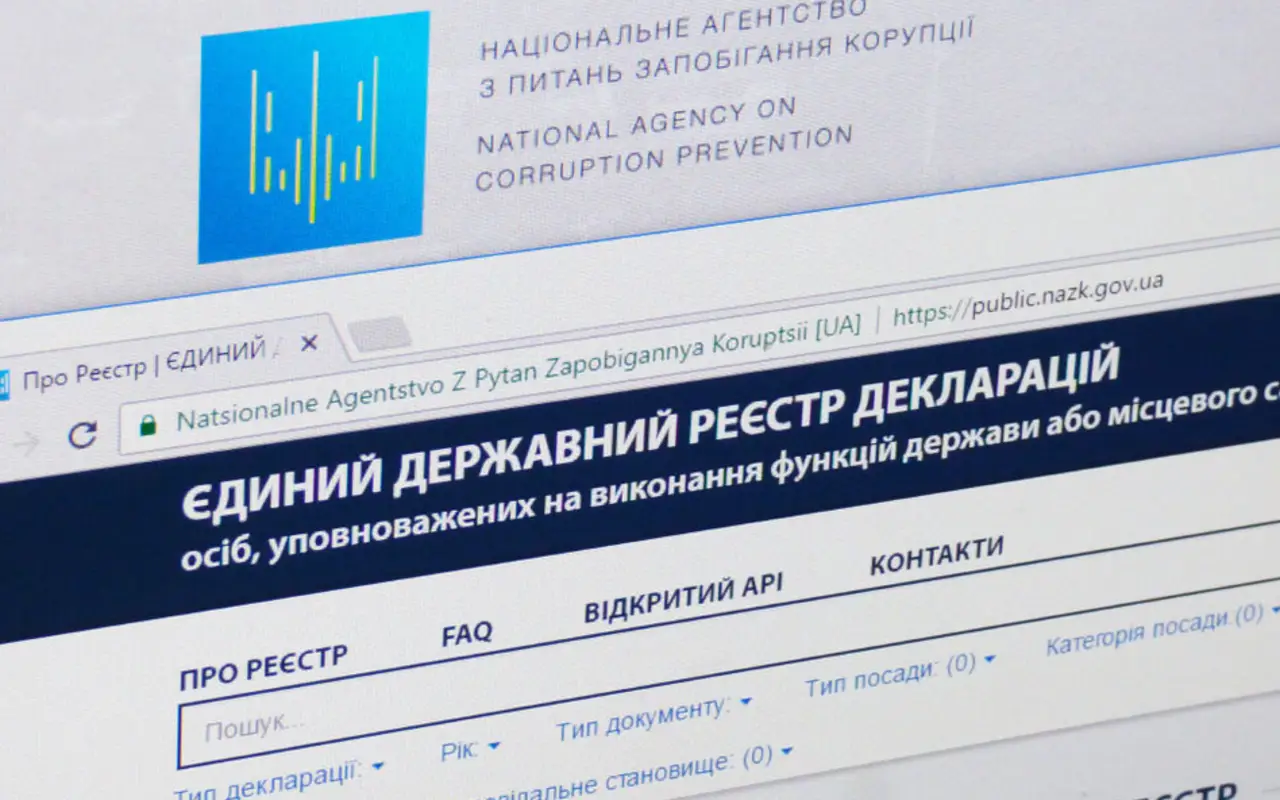
The NACP’s clarification regarding the declaration of membership in the UNBA should be clarified – BCU
An advocate’s membership in the UNBA is an element of professional status arising by virtue of law, rather than a voluntary private membership in an association. Therefore, failure to disclose it in a declaration should not automatically lead to the conclusion of unethical conduct or the concealment of a private interest.
Publications

Volodymyr Matsko Extradition during wartime: when the risks outweigh the request

Volodymyr Matsko Extradition as a systemic form of rights violations

Victoria Yakusha, Law and Business The anti-corruption vertical cannot «take care» of the Bar as an institution, - acting head of the HQDCB

Censor.net Protecting advocates – protecting justice: addressing concerns about the new law

Ihor Kolesnykov A BRIEF SUMMARY REGARDING THE APPLICATION OF THE ORDER ON EXTENDED CONFISCATION IN LATVIA REGARDING FINANCIAL ASSETS OF…

Valentyn Gvozdiy WORKING IN A WAR ZONE

Lydia Izovitova Formula of perfection

Sergiy Vylkov Our judicial system is so built that courts do not trust advocates