


Time, risk of dismissal and effort to provide rationale: how a court reads a procedural document

When drafting a procedural document, an advocate should take into account three criteria used by the court: the time required to review the materials, the risk of the decision being overturned, and the effort required to provide a rationale for it.
An advocate, candidate of legal sciences and aster of psychology Vasyl Masyuk discussed this during the webinar «Legal texts that get read: the judge at 6:00 p.m. is your primary reader». The event was organized by the UNBA NextGen in the Vinnytsia region.
The speaker explained the title of the event by noting the need to tailor the document to a judge, who has limited attention span after a workday and court hearings. Therefore, the text should be structured so that the court can understand the essence of the case and the party’s claims as quickly as possible.
But in addition to judges and their assistants, a procedural document actually has another reader: artificial intelligence. After all, generative systems can be used to process case materials. The author’s task is to present their position in such a way that its reasoning can be used in the reasoning section of the court decision without unnecessary revision, and the request can be transferred to its operative part.
V. Masyuk suggested structuring the document to accommodate both quick and in-depth reading. The first level consists of the opening paragraph, headings, and subheadings, which immediately clarify the subject of the dispute and what the party is seeking. The second level includes facts, evidence, case law, and a detailed legal rationale for careful review.
The speaker advised beginning the presentation not with standard details such as the case number or the date the contract was signed, but with one or two sentences summarizing the essence of the dispute and the claim being made. This way, the author does not divert the court’s attention to information already contained in the case file.
He divided the practical model of the document into five sections: the case framework, factual circumstances, legal classification, a response to likely objections, and the request. The speaker referred to this preemptive response to an anticipated counterargument as a «vaccine»: it allows the court to immediately see that the party has taken the opponent’s possible objections into account.
V. Masyuk paid special attention to the language of the document. Instead of emotional assessments such as «cynical» or «rude», it is better to cite specific dates, actions, and violated terms; instead of the phrase «the contract was breached», specify exactly which obligation was not fulfilled and which clause establishes it. Headings and bullet points can make reading easier, but an excess of bold text negates this effect.
Speaking about AI, the speaker cautioned that a text that appears professionally formatted may contain fictitious solutions or inaccurate references. Therefore, the value of a lawyer’s work lies not only in drafting a document but, above all, in verifying every factual and legal assertion.
Speaking about AI, the speaker cautioned that a document that appears professionally formatted may, upon review, turn out to be based on references to nonexistent Supreme Court rulings or ECHR case law. In his opinion, the value of a lawyer’s work lies first and foremost in the thorough verification of the text they have drafted.
At the end of the webinar, participants were invited to download a self-check checklist for procedural documents based on three court criteria.
Popular news
Legislation
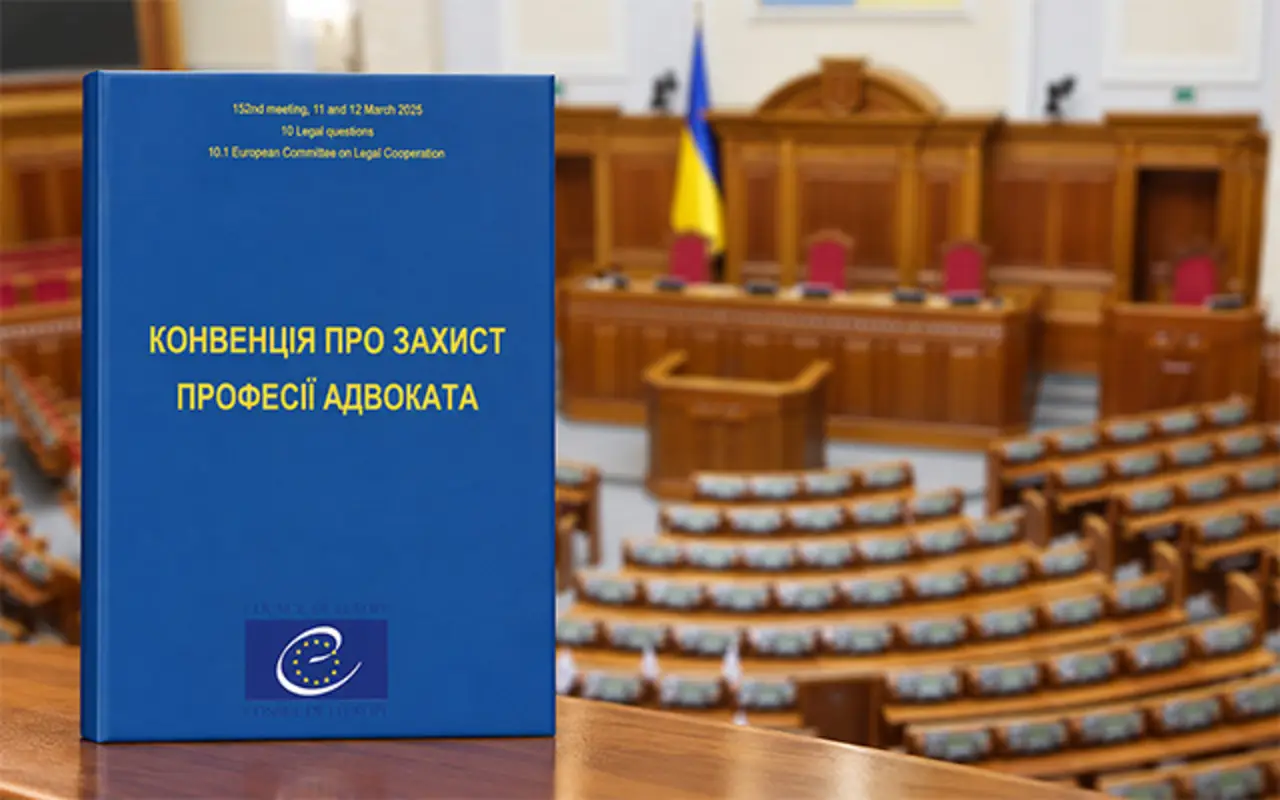
A bill implementing the Convention on the Protection of the Professions of Lawyer has been introduced
The constitutional guarantees of legal aid, defense, and the independence of advocacy cannot be realized without protecting advocates from unwarranted interference in their professional activities, including searches, the seizure of professional materials and the use of criminal procedural mechanisms to exert pressure.
Rule of Law Roadmap
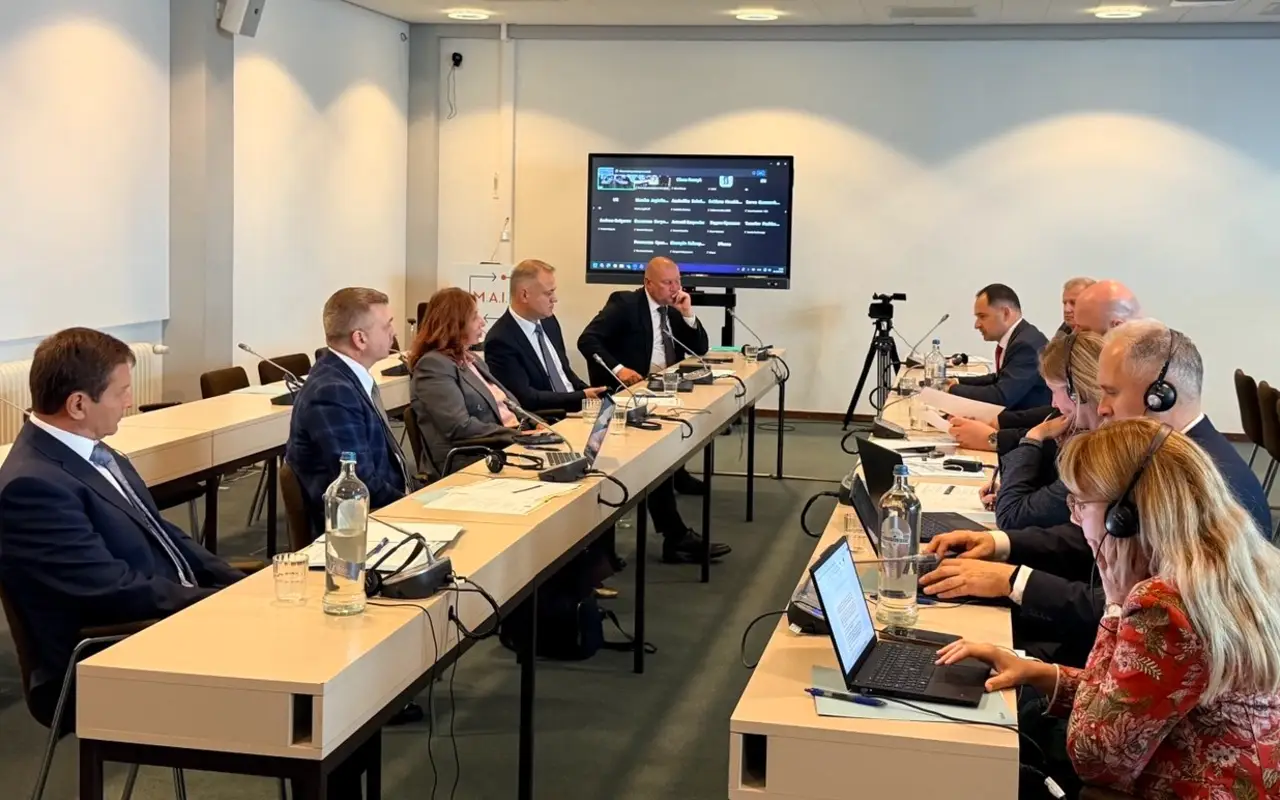
The UNBA presented the key provisions of the future law on advocacy in Brussels
The Ukrainian National Bar Association presented its proposals for the upcoming law on advocacy, aligned with the Rule of Law Roadmap. The presentation covered topics such as access to the profession, self-governance, disciplinary procedures, professional development and guarantees for the practice of advocacy.

Guarantees of the practice of law
Independent oversight is necessary before using CISA materials against an advocate – Lidiya Izovitova
Before the prosecution uses information obtained during covert investigative actions and related to an advocate’s activities, independent procedural oversight must be conducted. It is necessary to determine whether such information is covered by attorney-client privilege and whether it may be disclosed.

Self-government
Efforts to develop advocacy must be brought to fruition — A. Misyats
The Ukrainian advocacy profession is currently going through a critical phase. Amid the war, it must ensure the continuity of legal aid, defend the independence of the profession, and improve qualification and disciplinary procedures in accordance with European standards. The work that has been started must be brought to a practical conclusion.

Support
Protecting the legal profession, cybersecurity and support for advocates: common themes for the IBA and the UNBA
On September 18, a working meeting was held at the office of the Ukrainian National Bar Association with Executive Director of the International Bar Association (IBA) Mark Ellis. The parties discussed the Ukrainian advocacy profession’s participation in European legal processes, the protection of the UNBA’s digital infrastructure, psychological support for advocates and future areas of cooperation.
Educational events
Tax residency of Ukrainians abroad: what matters
The determination of tax residency for Ukrainians who have been living abroad for an extended period depends on the combination of their personal and economic ties to each country. The established status determines the procedure for reporting income, paying taxes and fulfilling CFC reporting obligations.
Educational events
Time, risk of dismissal and effort to provide rationale: how a court reads a procedural document
When drafting a procedural document, an advocate should take into account three criteria used by the court: the time required to review the materials, the risk of the decision being overturned, and the effort required to provide a rationale for it.
Discussion
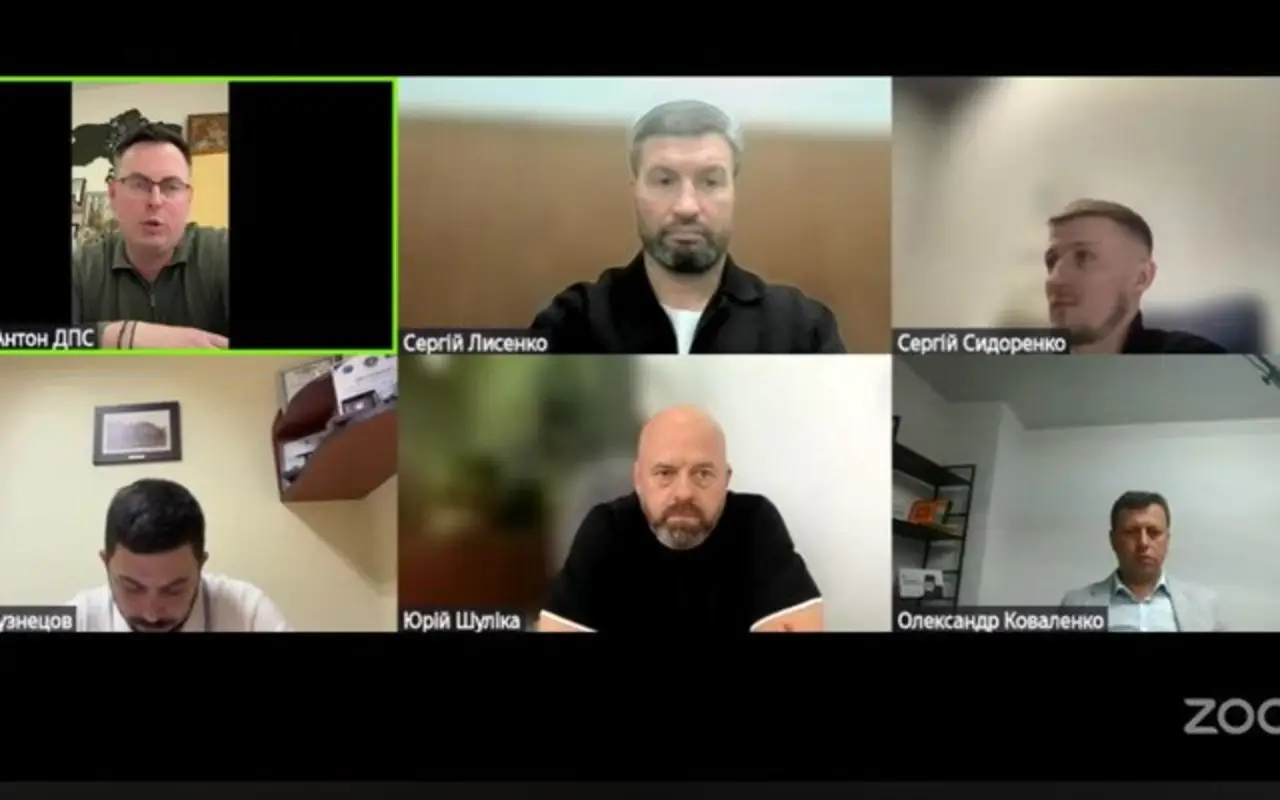
When working with sole proprietorships leads to business fragmentation: criteria and recommendations
What criteria do regulatory and law enforcement agencies use to identify artificial business fragmentation? How does this model differ from franchising? And when can tax optimization lead to criminal liability?
Publications

Vasyl Kolishnyi, «Law and Business» Supporting mental health should become part of the professional culture of the Bar, - H. Udovenko

Volodymyr Matsko Extradition during wartime: when the risks outweigh the request

Volodymyr Matsko Extradition as a systemic form of rights violations

Victoria Yakusha, Law and Business The anti-corruption vertical cannot «take care» of the Bar as an institution, - acting head of the HQDCB

Censor.net Protecting advocates – protecting justice: addressing concerns about the new law

Ihor Kolesnykov A BRIEF SUMMARY REGARDING THE APPLICATION OF THE ORDER ON EXTENDED CONFISCATION IN LATVIA REGARDING FINANCIAL ASSETS OF…

Valentyn Gvozdiy WORKING IN A WAR ZONE

Lydia Izovitova Formula of perfection