






Not every eloquent phrase is persuasive: how an advocate should choose a speaking style
Rhetorical techniques are effective when they are tailored to the audience, the situation, and the purpose of the speech. Therefore, before speaking, an advocate should determine what message the court, client, or audience needs to hear and remember, and then choose the appropriate structure, examples, quotes and tone.
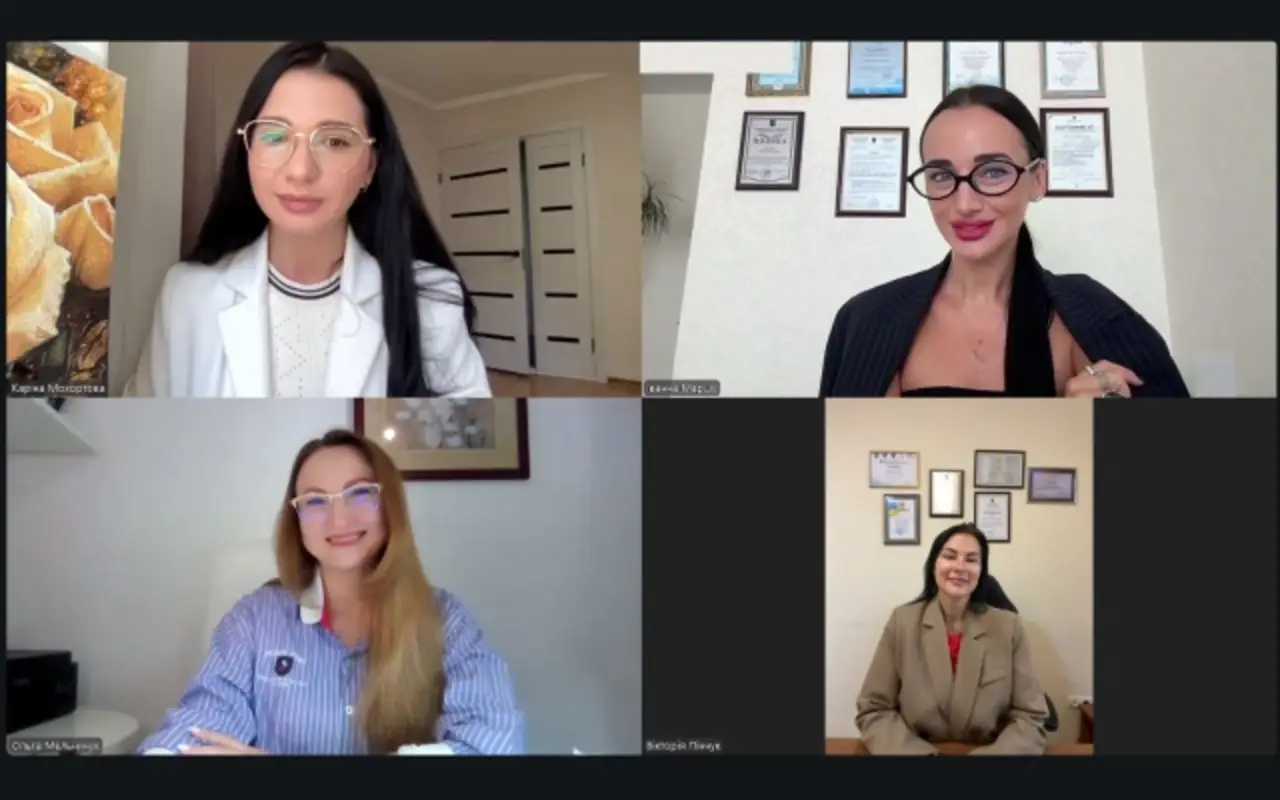
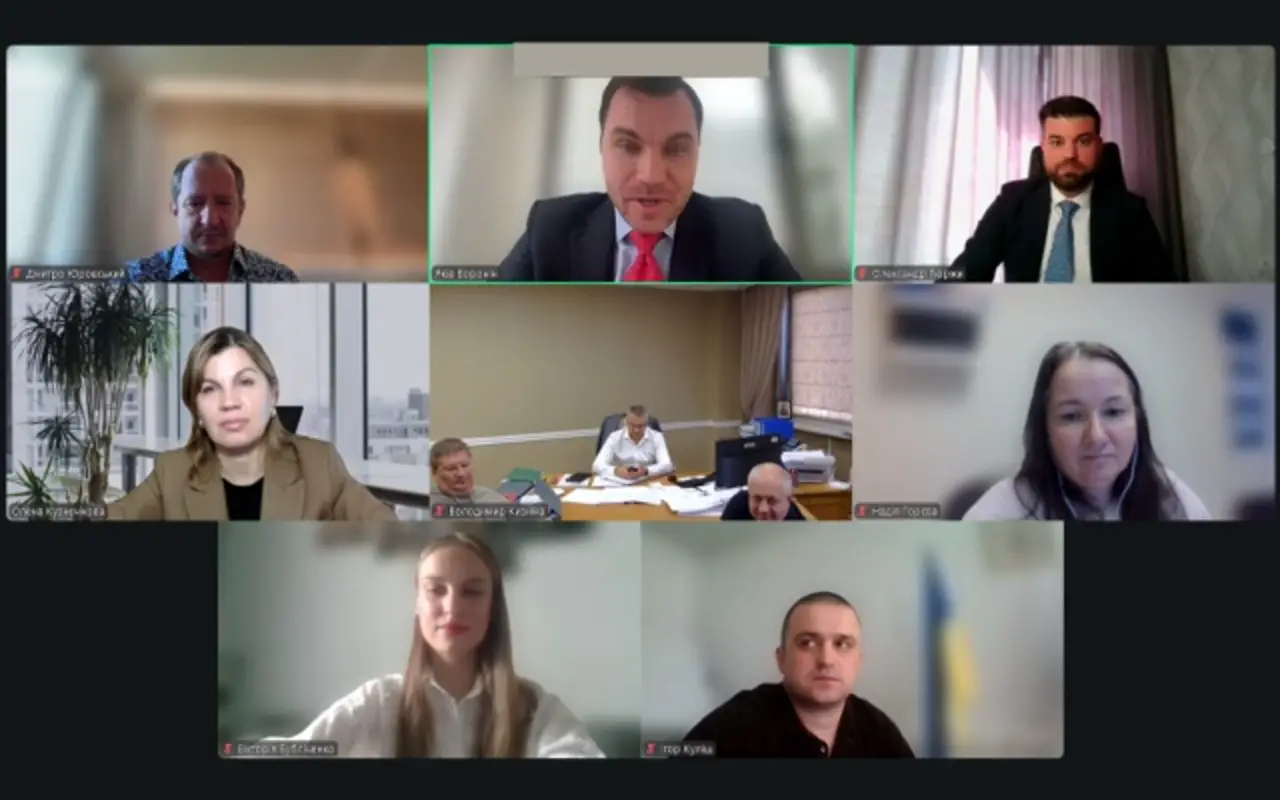
Young advocates were trained in public speaking skills during a thematic webinar organized by the UNBA NextGen in the Odesa region. The speaker was doctor of law, professor at Odesa National Economic University and instructor in public Olga Melnychuk speaking and modern public speaking formats.
According to her, the manner of presentation depends on the context. A business style is appropriate for professional communication, whereas a lecture for students may include conversational elements. The composition of the audience, its age and profession, as well as the purpose of the communication, are all important. «Any speech requires an analysis of the audience and a specific style. We must understand where we are in court or in front of an audience and who that audience is, their age, profession, and the purpose of the speech. It must be appropriate», - the speaker noted.
The beginning of a speech is particularly important. In the first few seconds, the listener decides whether to stay engaged. «For example, you might say «Your Honor, allow me to briefly outline the circumstances of this case» — and then proceed to explain them. Or you could say «Your Honor, there is one circumstance in this case that changes the assessment of the entire dispute». Which phrase do you think will grab their attention?», - O. Melnichuk asked. Therefore, a speech can begin with a specific fact, a figure, a contradiction, or a circumstance that changes the assessment of the dispute.
A quote, story, or illustrative example must correspond to the purpose of the speech. During the discussion, a case from judicial practice was cited in which, in the participant’s opinion, quoting poetry did not correspond to the substance of the proceedings. According to O. Melnychuk, a quote should be used in a courtroom speech only when it clearly reinforces the legal position in the case
When a speaker is interrupted and asked to move on to their conclusions, they may become flustered by the need to condense their planned remarks into just a few minutes. In such a situation, the scholar advises asking oneself: «What do I want him or her to understand?». According to her, this mental exercise helps structure one’s thoughts.
The content of a speech is supported by intonation. O. Melnychuk suggested repeating the same phrase while changing the intonational stress each time. According to her, this exercise demonstrates how intonation affects the meaning and the way information is conveyed.
The scholar emphasized that public speaking skills can be acquired provided there is a clear goal and consistent practice. The classes themselves will not yield results if a person does not apply the recommendations received.
Previously, UNBA NextGen speakers discussed how to prepare a courtroom speech, what influences a client’s trust in their advocate and how female advocates should respond to stereotypical accusations.
Popular news
Legislation
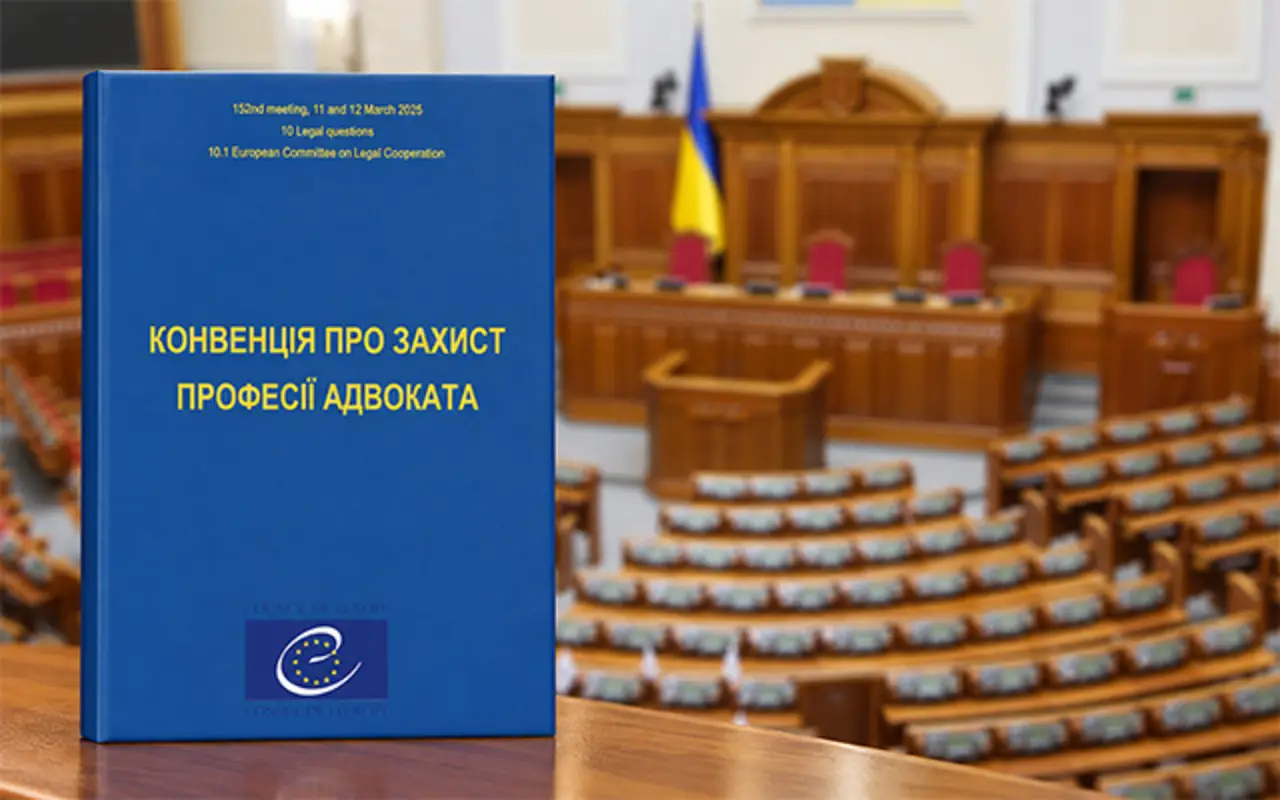
A bill implementing the Convention on the Protection of the Professions of Lawyer has been introduced
The constitutional guarantees of legal aid, defense, and the independence of advocacy cannot be realized without protecting advocates from unwarranted interference in their professional activities, including searches, the seizure of professional materials and the use of criminal procedural mechanisms to exert pressure.
Abroad
The CCBE is discussing European justice and issues related to the protection of advocates
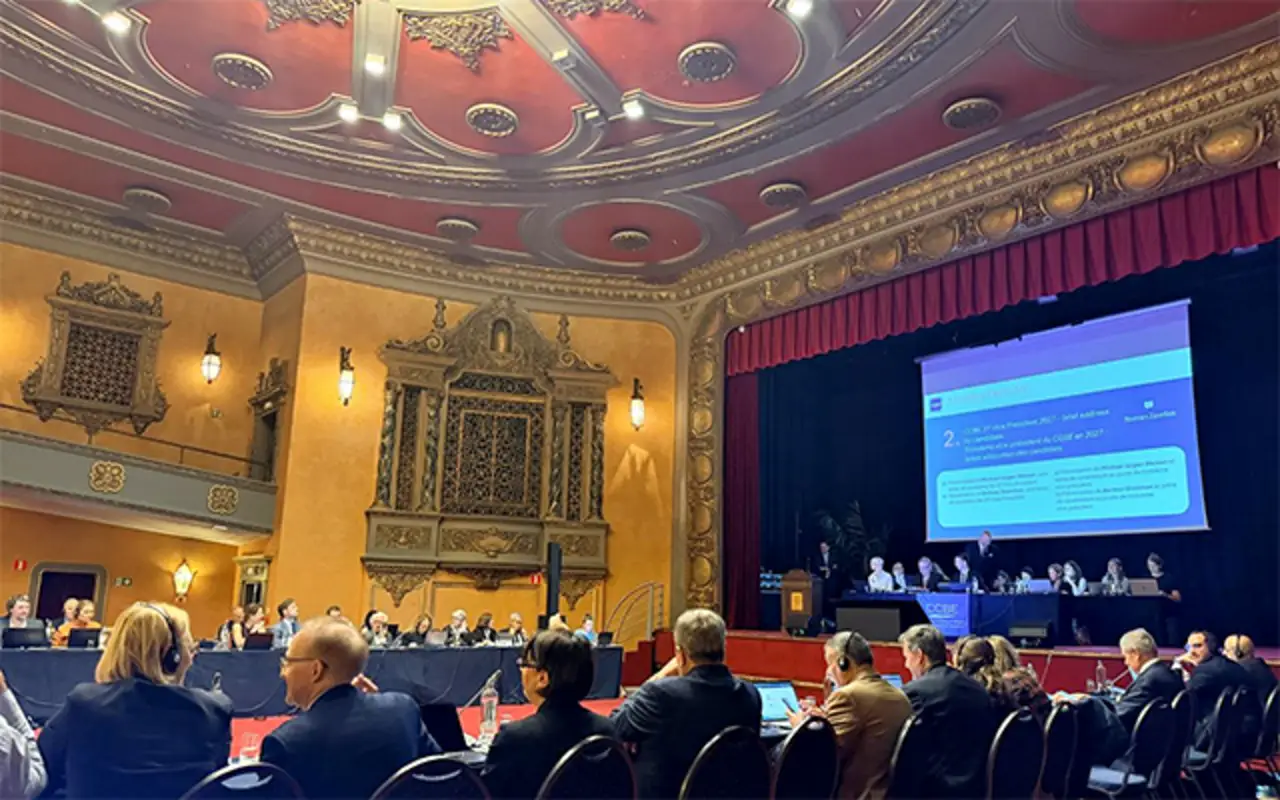
Today, October 2, a meeting of the Standing Committee of the Council of Bars and Law Societies of Europe (CCBE) is taking place in Brussels. On the agenda are the protection of the advocate profession, the rule of law, attorney-client privilege, and changes in the European justice system.
Rule of Law Roadmap
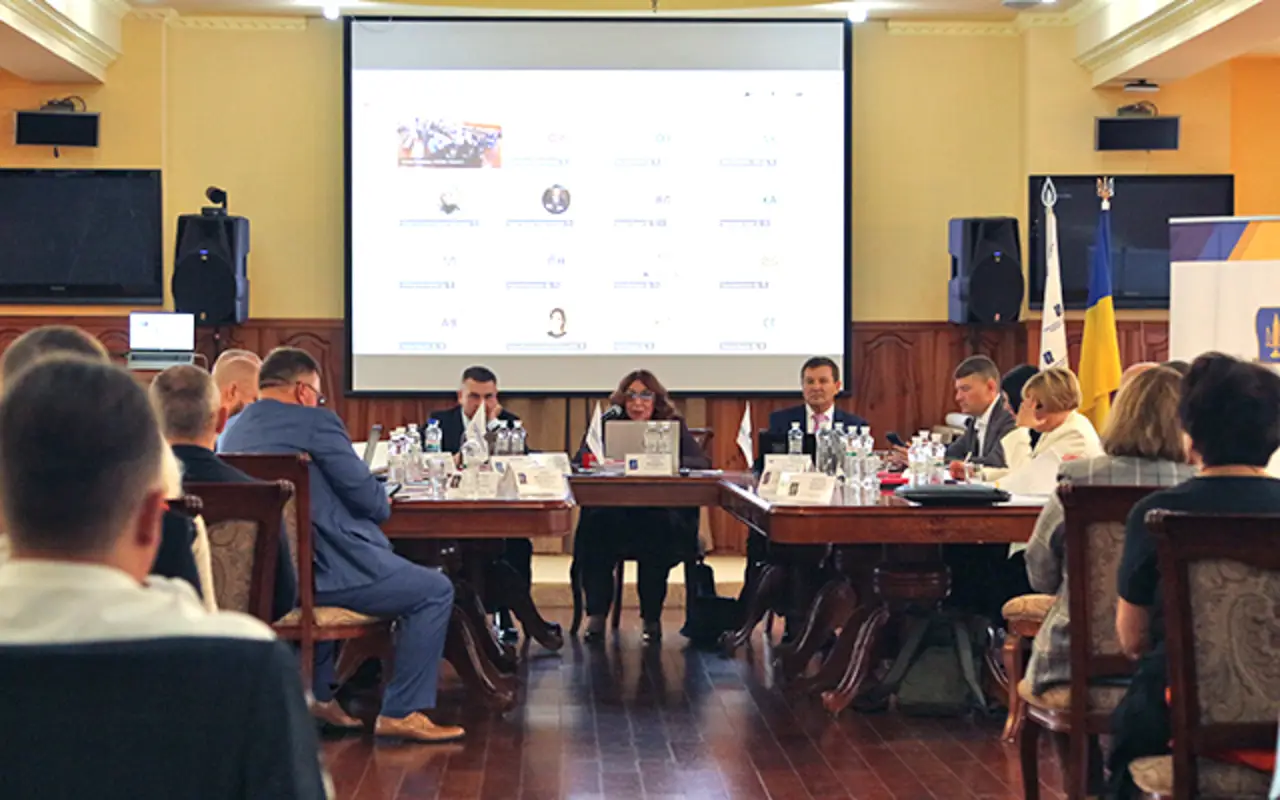
The UNBA presented the key provisions of the future law on advocacy in Brussels
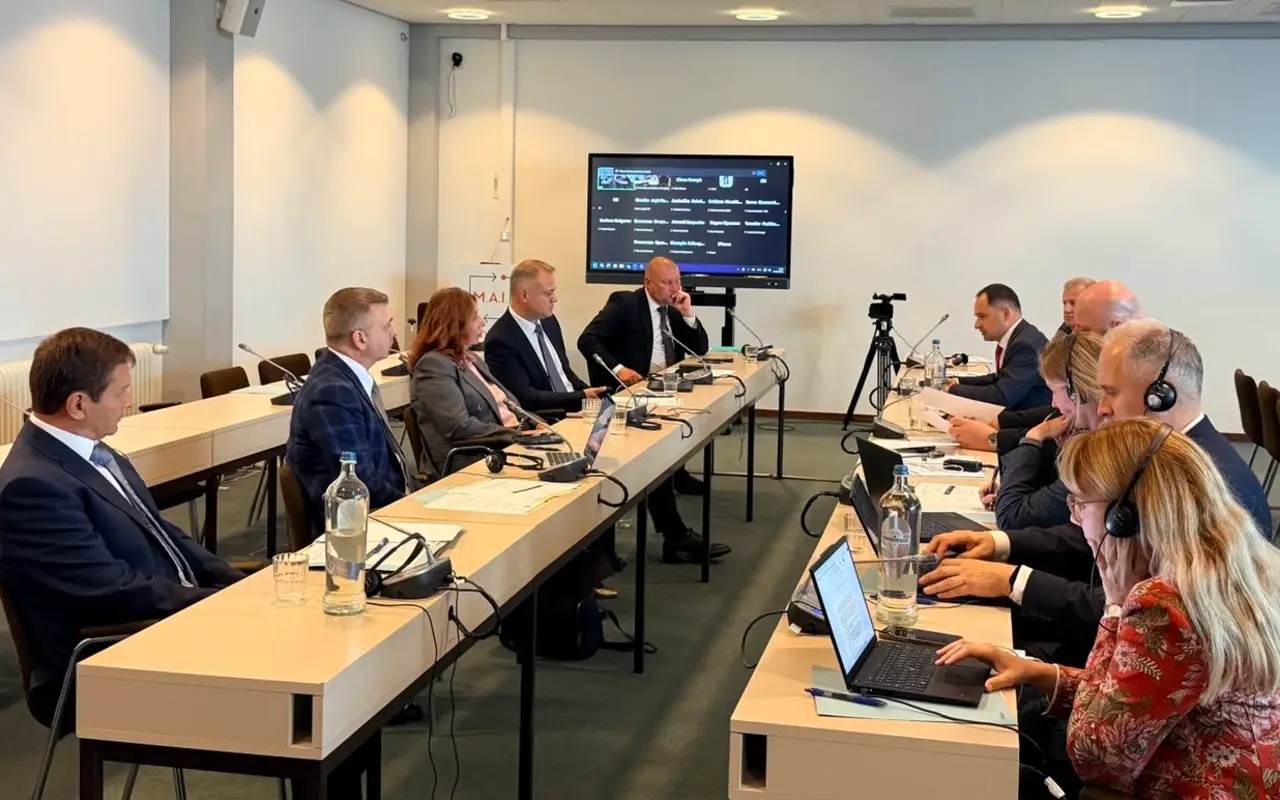
The Ukrainian National Bar Association presented its proposals for the upcoming law on advocacy, aligned with the Rule of Law Roadmap. The presentation covered topics such as access to the profession, self-governance, disciplinary procedures, professional development and guarantees for the practice of advocacy.
Guarantees of the practice of law
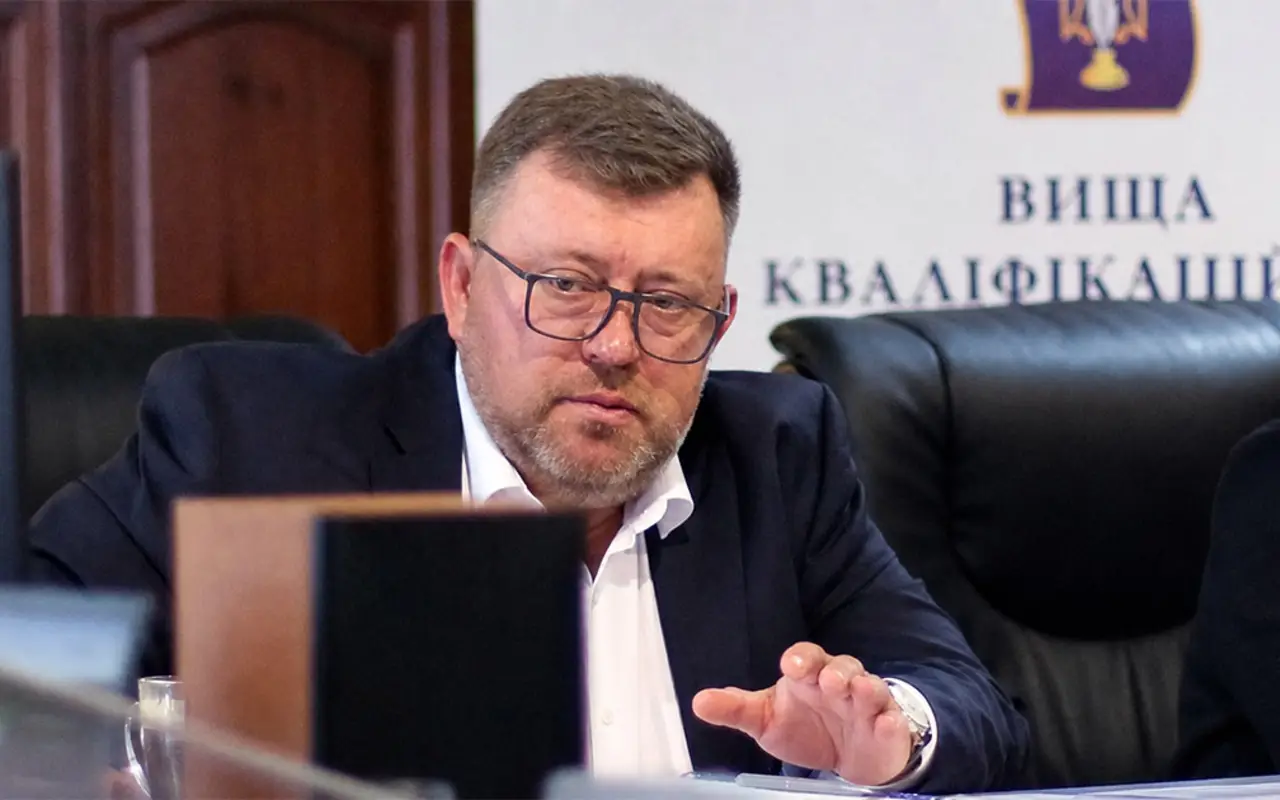
Independent oversight is necessary before using CISA materials against an advocate – Lidiya Izovitova
Before the prosecution uses information obtained during covert investigative actions and related to an advocate’s activities, independent procedural oversight must be conducted. It is necessary to determine whether such information is covered by attorney-client privilege and whether it may be disclosed.
Self-government
Efforts to develop advocacy must be brought to fruition — A. Misyats
The Ukrainian advocacy profession is currently going through a critical phase. Amid the war, it must ensure the continuity of legal aid, defend the independence of the profession, and improve qualification and disciplinary procedures in accordance with European standards. The work that has been started must be brought to a practical conclusion.
Support
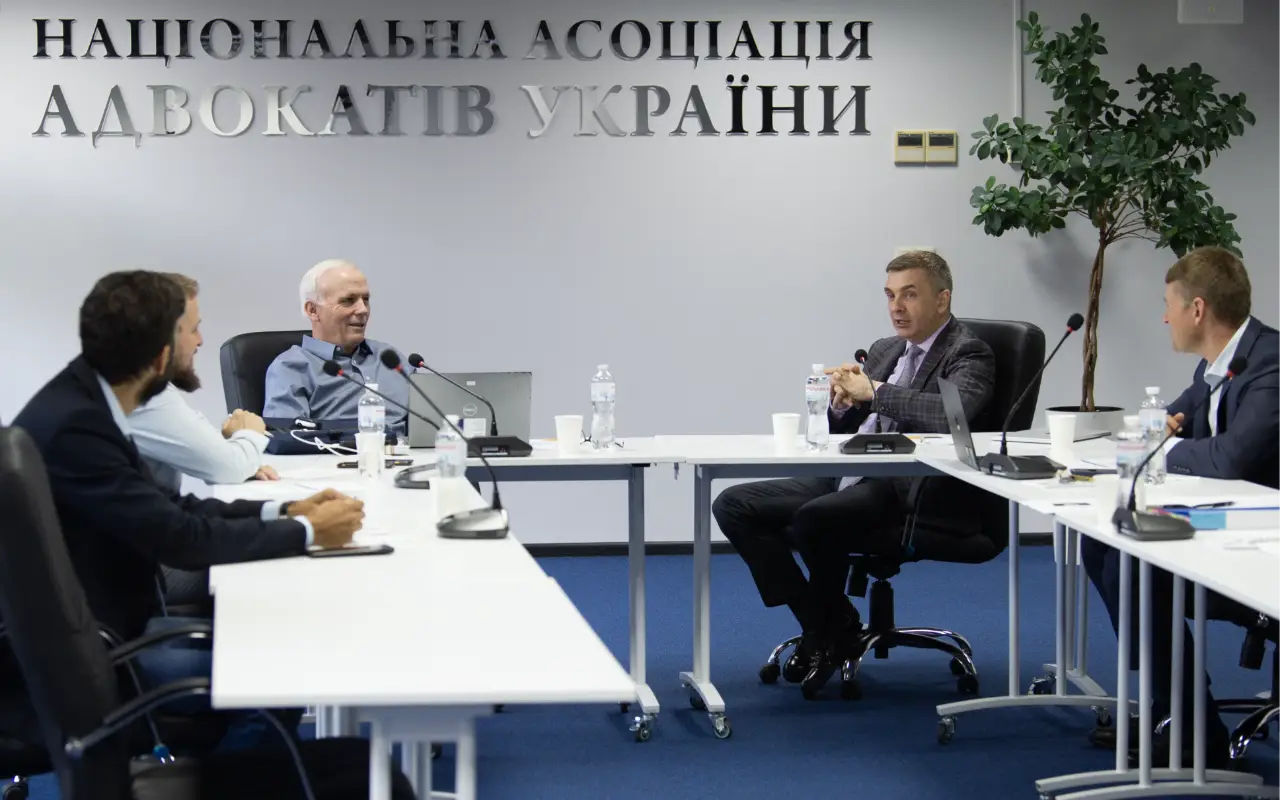
Protecting the legal profession, cybersecurity and support for advocates: common themes for the IBA and the UNBA
On September 18, a working meeting was held at the office of the Ukrainian National Bar Association with Executive Director of the International Bar Association (IBA) Mark Ellis. The parties discussed the Ukrainian advocacy profession’s participation in European legal processes, the protection of the UNBA’s digital infrastructure, psychological support for advocates and future areas of cooperation.
Educational events
Not every eloquent phrase is persuasive: how an advocate should choose a speaking style
Rhetorical techniques are effective when they are tailored to the audience, the situation, and the purpose of the speech. Therefore, before speaking, an advocate should determine what message the court, client, or audience needs to hear and remember, and then choose the appropriate structure, examples, quotes and tone.
Educational events
Tax residency of Ukrainians abroad: what matters
The determination of tax residency for Ukrainians who have been living abroad for an extended period depends on the combination of their personal and economic ties to each country. The established status determines the procedure for reporting income, paying taxes and fulfilling CFC reporting obligations.
Publications

Vasyl Kolishnyi, «Law and Business» Supporting mental health should become part of the professional culture of the Bar, - H. Udovenko

Volodymyr Matsko Extradition during wartime: when the risks outweigh the request

Volodymyr Matsko Extradition as a systemic form of rights violations

Victoria Yakusha, Law and Business The anti-corruption vertical cannot «take care» of the Bar as an institution, - acting head of the HQDCB

Censor.net Protecting advocates – protecting justice: addressing concerns about the new law

Ihor Kolesnykov A BRIEF SUMMARY REGARDING THE APPLICATION OF THE ORDER ON EXTENDED CONFISCATION IN LATVIA REGARDING FINANCIAL ASSETS OF…

Valentyn Gvozdiy WORKING IN A WAR ZONE

Lydia Izovitova Formula of perfection

