






Living abroad doesn't sever your ties with Ukraine: what you should check

Moving to another country and even long-term residence abroad does not automatically sever an individual’s legal ties to Ukraine. Tax residency, sole proprietorship status, foreign income, enforcement proceedings, and military registration remain relevant even after relocation.
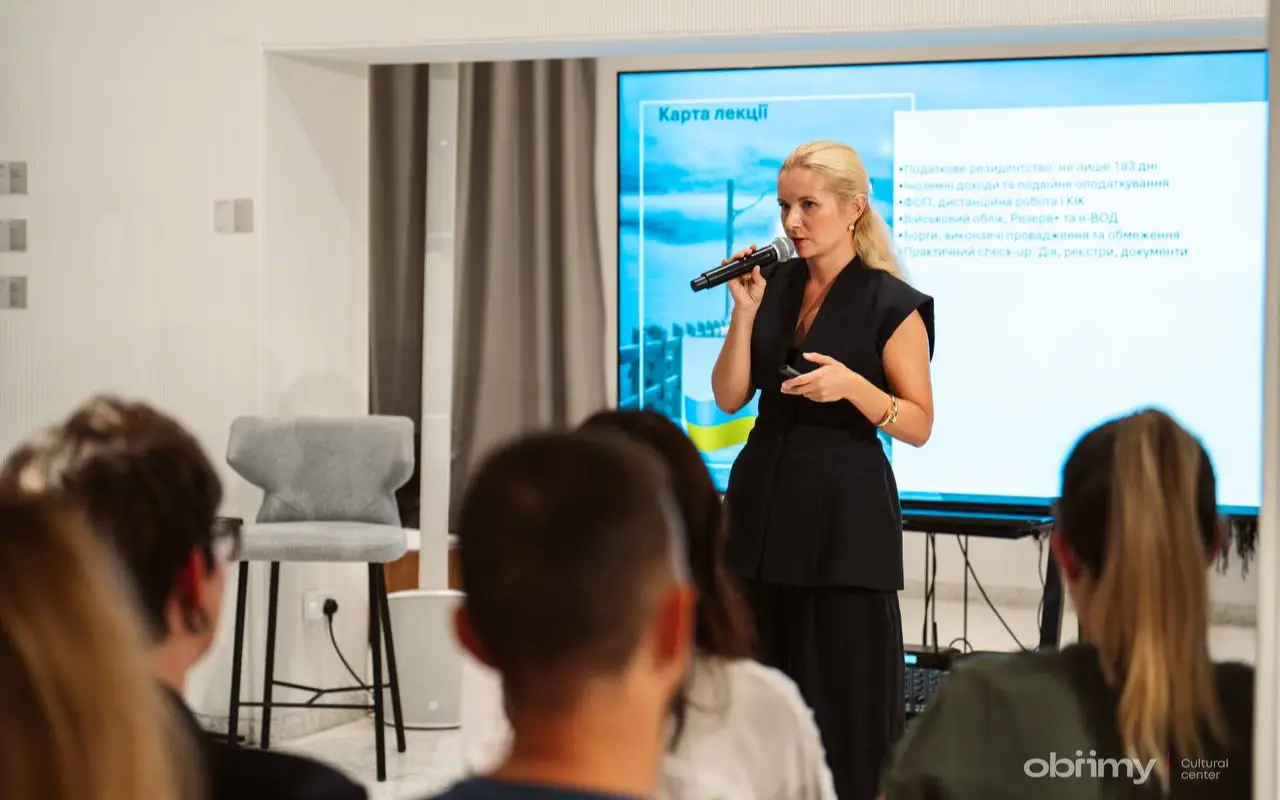
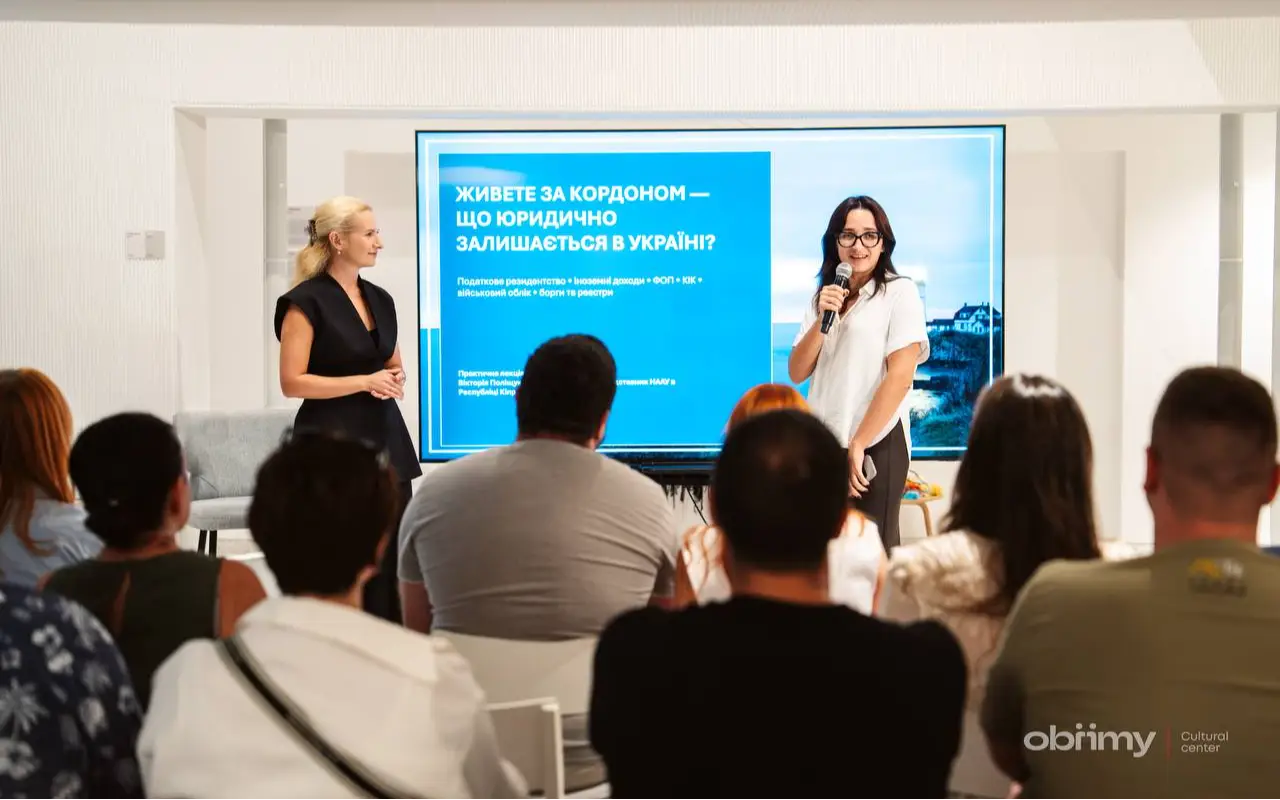
These and other practical issues were discussed during the workshop «Living abroad: what legally remains in Ukraine?», led by the UNBA representative in the Republic of Cyprus Viktoria Polishchuk. The event took place at the Ukrainian Educational and Cultural Center «Obiymy» in Larnaca.
The speaker explained that moving to another country and even long-term residence abroad does not automatically sever a person’s legal ties to Ukraine. She cited the notion that “spending more than 183 days abroad automatically makes you a non-resident of Ukraine” as one of the most common misconceptions. Under Ukrainian tax law, 183 days is only one of several criteria. To determine status, the following factors are analyzed in sequence: place of residence, permanent residence, center of vital interests, length of stay, and, in cases provided for by law, citizenship. The law does not establish a separate, universal procedure for «withdrawing» from Ukrainian tax residency: status is determined based on the facts and applicable regulations.
Special attention was given to the center of vital interests. V. Polishchuk emphasized that a combination of circumstances is relevant for its assessment: where the family lives, where the children attend school, where the individual works or conducts business, and where the individual’s permanent residence, main assets, and sources of income are located.
If the domestic laws of two countries simultaneously recognize an individual as their tax resident, one must refer to the relevant double taxation treaty. It is this treaty that defines the mechanism for resolving conflicts of residency and allocating the right to tax specific types of income. For a resident of Ukraine, according to the speaker, it is not only the fact of paying tax abroad that matters, but also documentary evidence of such payment and the application of the relevant mechanism for eliminating double taxation.
The practical session focused on sole proprietors who actually live and work abroad. The existence of a sole proprietorship in Ukraine does not negate the requirements of the country of actual residence or employment. At the same time, such registration may be relevant for assessing the center of vital interests.
The second part of the meeting addressed issues that are not tax-related but remain relevant for Ukrainians abroad. V. Polishchuk explained to the participants the capabilities of «Reserve+» and the electronic military registration document. It was specifically emphasized that having debt, open enforcement proceedings, an entry in the Unified Register of Debtors, and restrictions on the right to leave the country are distinct legal statuses. Among the practical recommendations is to conduct a personal legal check-up at least once a year.
This check-up covers tax status and payments, reporting for sole proprietorships and controlled foreign companies, court cases, enforcement proceedings, the validity of documents, and, if applicable, military registration data. V. Polishchuk advises conducting such a check before traveling to Ukraine.
«The main takeaway from the meeting is that living abroad does not sever legal ties with Ukraine. It is important for individuals not to draw conclusions based on a single factor: the number of days spent in the country, the ownership of an apartment, sole proprietorship status, or an entry in the registry. It is necessary to distinguish between legal issues, verify the actual circumstances and documents, and take action before a dispute arises or a deadline is missed», - summarized the UNBA representative in Republic of Cyprus.
Popular news
Rule of Law Roadmap
Lidiya Izovitova: reform of the advocacy profession should make the profession stronger and individuals better protected
The Ukrainian advocacy community is finalizing work on a new version of the relevant law. The roadmap on the rule of law has set the fourth quarter of 2026 as the deadline for achieving results in this area. The draft is intended to ensure safeguards for the practice of law through mechanisms of accountability for violations.
Support
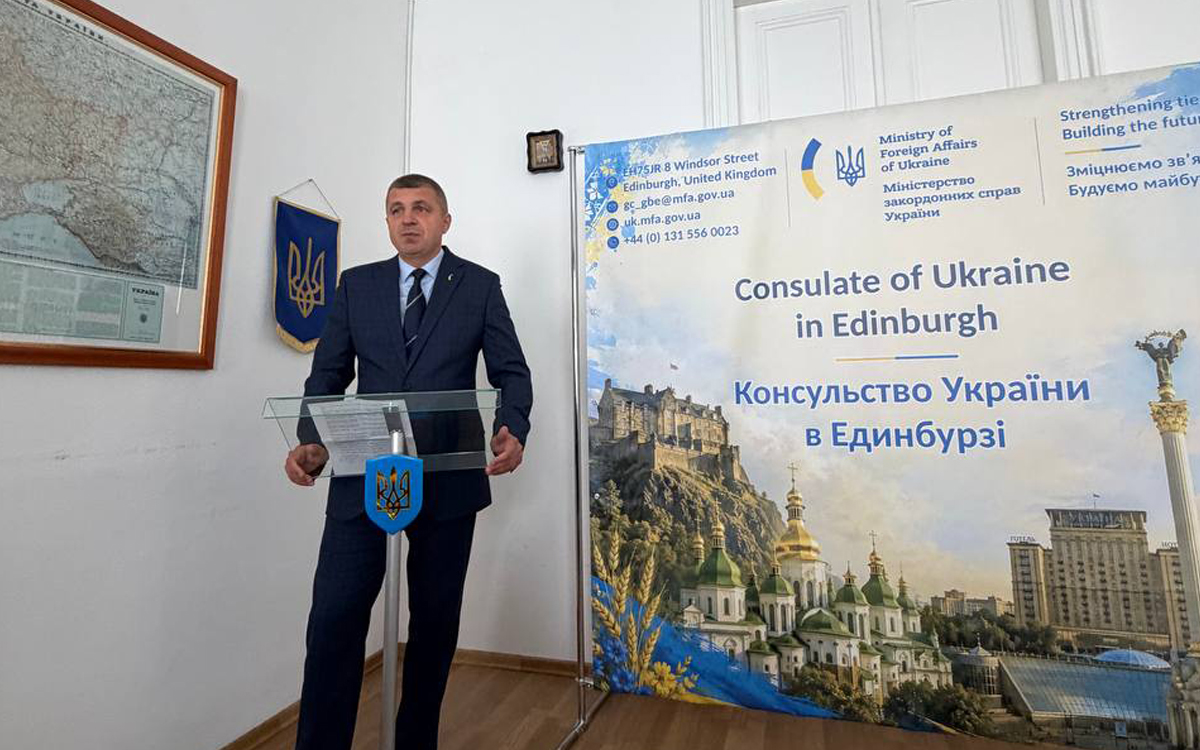
In Edinburgh expressed gratitude to those who are helping Ukrainian advocates and citizens
Since the start of the full-scale invasion, Scottish legal institutions and the Ukrainian community, with the participation of the UNBA, have been helping Ukrainian advocates obtain their qualifications and Ukrainians receive legal assistance. The parties are now planning joint professional and educational events.
Educational events
An advocate's meeting with a client outside the office: how to conduct it without giving away too much
If a client suggests meeting in a public place, keep in mind that any name or amount mentioned aloud could be overheard by bystanders. Therefore, it’s important to plan ahead regarding the table, seating arrangements, and the scope of the conversation.

Legislation
The UNBA explained what could undermine the plan to introduce plea agreements
Information regarding who pays whom, how much, and on what grounds under a plea agreement must be made public. However, as long as this information is classified as a state secret or personal data, the court will continue to be able to close proceedings and restrict access to judgments.
Interaction
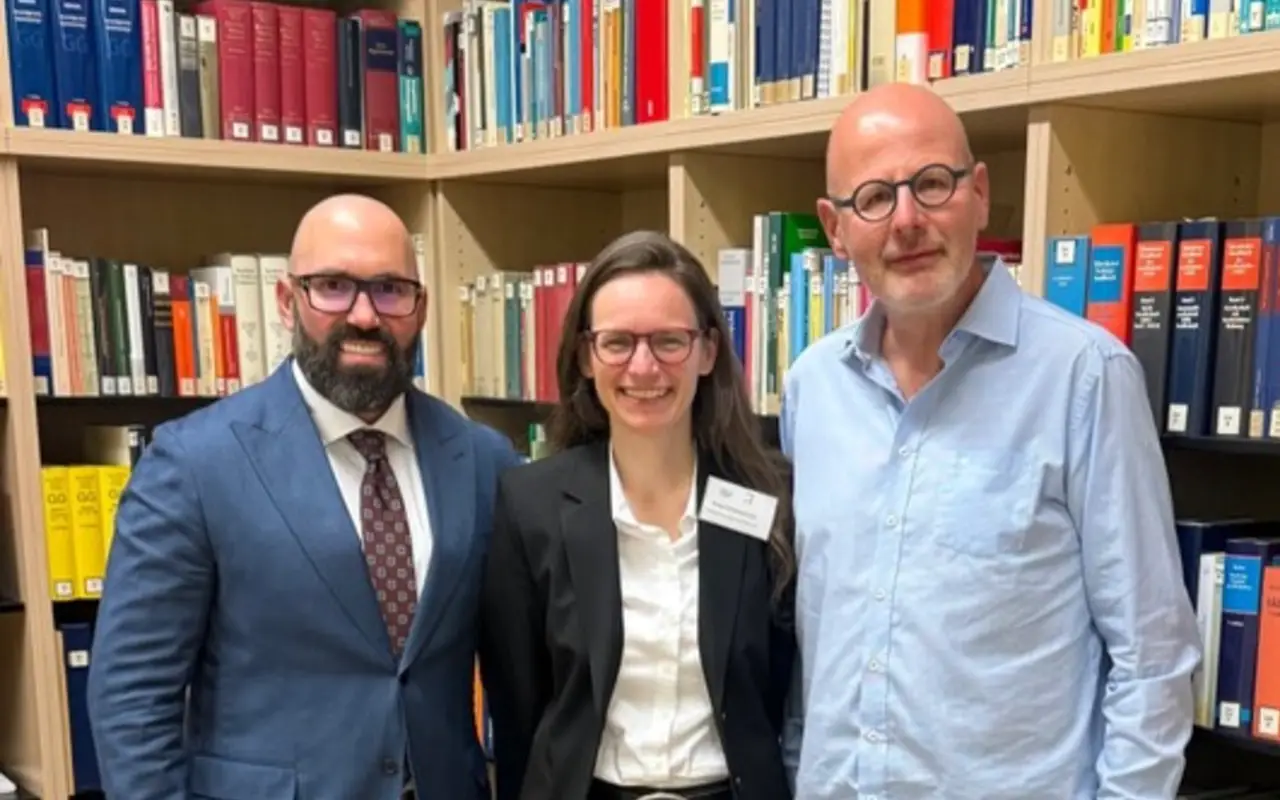
The UNBA and the German Institute for Eastern Law will prepare joint legal opinions
Ukrainian advocates and German legal scholars will jointly prepare comparative legal studies, expert opinions, and professional events. The UNBA reached this agreement with the Institute for Eastern European Law in Regensburg, which has been researching the laws of Central and Eastern European countries for nearly 70 years.
Legislation
Proceedings against military personnel following AWOL require clear deadlines — UNBA
A soldier’s return to duty after AWOL does not necessarily mean the end of criminal proceedings. To ensure that the case does not remain at the pretrial investigation stage, a clear procedure for the investigator and prosecutor is required.
Educational events
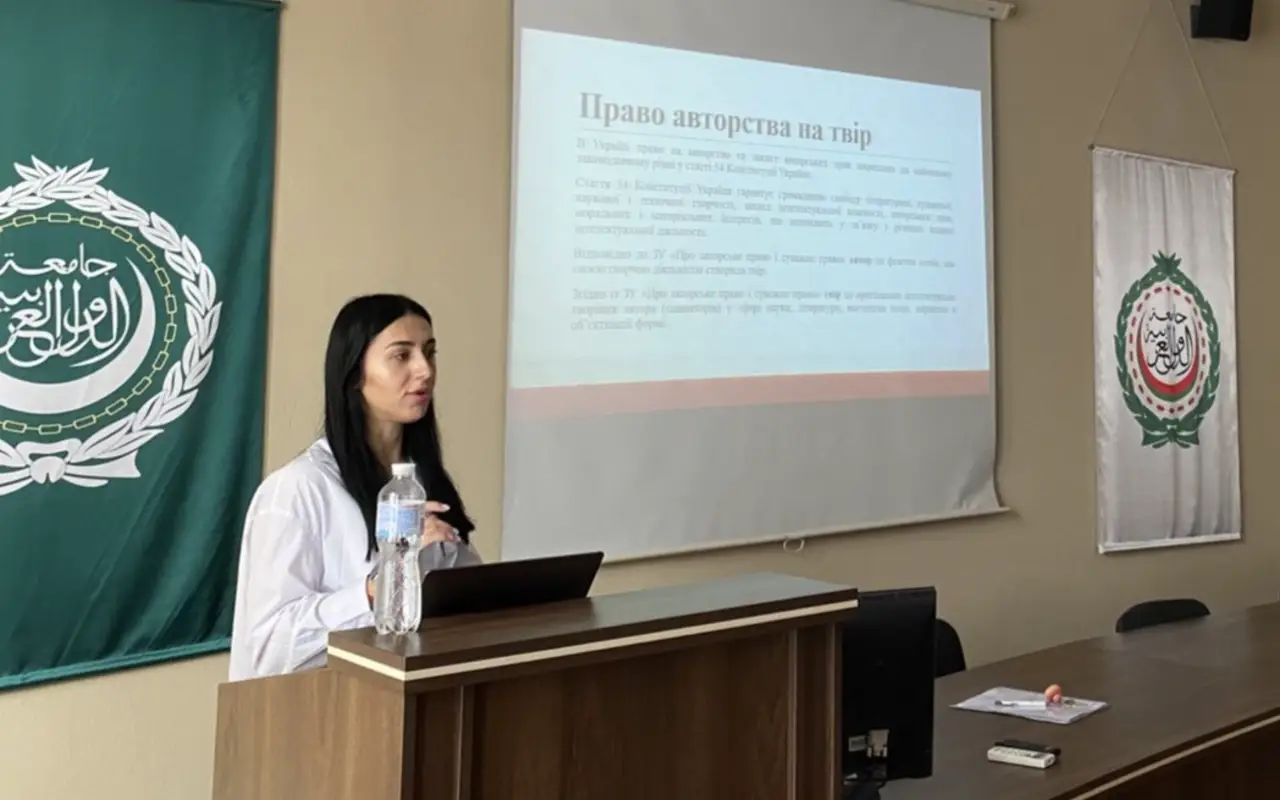
A one-time payment or royalties? Students were briefed on changes to copyright agreements
As a general rule, property rights to a work created by an employee are transferred to the employer, but the author retains the right to remuneration. European law requires that this remuneration be based on the actual income generated by the work, rather than being limited to a one-time payment.

Legislation
The UNBA warned of the risk of customs barriers for Ukrainian paper and furniture
Ukraine’s anti-deforestation rules are intended to preserve export access to the EU market. However, without paper and furniture on the list of goods, without effective sanctions, and with enforcement beginning only in 2030, these rules could hinder that goal.
Publications

Vasyl Kolishnyi, «Law and Business» Supporting mental health should become part of the professional culture of the Bar, - H. Udovenko

Volodymyr Matsko Extradition during wartime: when the risks outweigh the request

Volodymyr Matsko Extradition as a systemic form of rights violations

Victoria Yakusha, Law and Business The anti-corruption vertical cannot «take care» of the Bar as an institution, - acting head of the HQDCB

Censor.net Protecting advocates – protecting justice: addressing concerns about the new law

Ihor Kolesnykov A BRIEF SUMMARY REGARDING THE APPLICATION OF THE ORDER ON EXTENDED CONFISCATION IN LATVIA REGARDING FINANCIAL ASSETS OF…

Valentyn Gvozdiy WORKING IN A WAR ZONE

Lydia Izovitova Formula of perfection

