






The UNBA and the German Institute for Eastern Law will prepare joint legal opinions
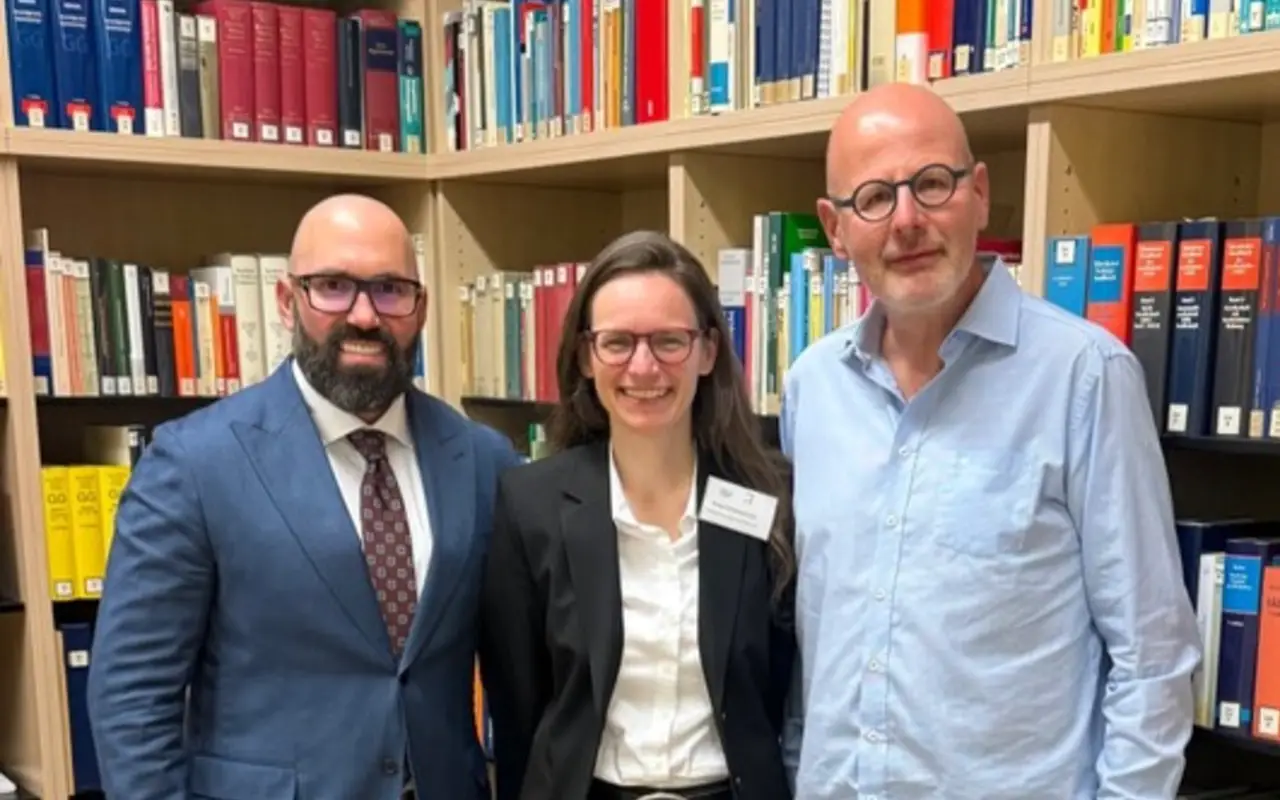
Ukrainian advocates and German legal scholars will jointly prepare comparative legal studies, expert opinions, and professional events. The UNBA reached this agreement with the Institute for Eastern European Law in Regensburg, which has been researching the laws of Central and Eastern European countries for nearly 70 years.
The memorandum of cooperation was signed on October 15 in Regensburg during the international conference «EU compatibility and legal transplants in Ukrainian investment and corporate law». At the conference, scholars and practitioners from Ukraine, Germany and other European countries discussed how to adapt Ukrainian investment and corporate law to EU standards.
On behalf of the Ukrainian National Bar Association, the document was signed by its representative in Germany Volodymyr Matsko. On behalf of the Institute for Eastern Law, headed by Director Professor Herbert Küpper, the memorandum was signed by Doctor of Law, Professor and chairman of the Department of civil law, German and European legal history and canon law at the University of Regensburg Martin Löning.
The parties agreed to exchange information about their research and educational projects. They will also jointly prepare publications, analyses, and comparative legal studies, including legal opinions, which in the German tradition are called Gutachten. Plans include joint conferences, seminars, lectures, and working meetings. Scholars and practitioners from one institution will be invited to participate in projects at the other.
According to V. Matsko, the collaboration grew out of a professional discussion regarding the draft law on criminal liability for denying the Holodomor, to which the German colleagues approached with openness and interest (as a reminder, the UNBA, at the request of the Committee, analyzed the relevant draft law No. 15192). «Germany has its own long-standing experience in striking a balance between the protection of historical memory and the freedom of scholarly discourse, so the conversation was very substantive. Our German colleagues approached it with openness and interest, and we realized that this kind of work should be continued on a systematic basis», - the advocate said.
According to the UNBA representative in Germany, both sides stand to benefit from this cooperation. «The Institute has a strong academic tradition and decades of research on Eastern European law. The advocacy community, on the other hand, sees how legal norms function in court, during investigations, and in wartime conditions. Comparative analysis makes the UNBA’s positions before parliament more well-reasoned. For Ukrainian advocates, this is also an opportunity to participate in joint research and conferences and to be heard in the very places in Europe where perceptions of Ukrainian law are shaped», - added V. Matsko.
The preparation of the memorandum and communication with the German side were facilitated by Antje Himmelreich, a research associate at the Institute specializing in Ukrainian law.
The Institute for Eastern Law (Institut für Ostrecht, IOR) was founded on July 18, 1957, on the initiative of Reinhard Maurach as a registered association (e. V.). Its objectives include the systematic study of the legal systems of Central and Eastern European countries, particularly the former socialist states, including case law and legal scholarship; the dissemination of research findings in Germany and abroad; participation in international legal cooperation; and the promotion of academic exchange and international relations in all areas of law.
Since 2026, the Institute has been an affiliated institute (An-Institut) of the University of Regensburg.
Popular news

Legislation
The UNBA explained what could undermine the plan to introduce plea agreements
Information regarding who pays whom, how much, and on what grounds under a plea agreement must be made public. However, as long as this information is classified as a state secret or personal data, the court will continue to be able to close proceedings and restrict access to judgments.
Interaction
The UNBA and the German Institute for Eastern Law will prepare joint legal opinions
Ukrainian advocates and German legal scholars will jointly prepare comparative legal studies, expert opinions, and professional events. The UNBA reached this agreement with the Institute for Eastern European Law in Regensburg, which has been researching the laws of Central and Eastern European countries for nearly 70 years.

Legislation
Proceedings against military personnel following AWOL require clear deadlines — UNBA
A soldier’s return to duty after AWOL does not necessarily mean the end of criminal proceedings. To ensure that the case does not remain at the pretrial investigation stage, a clear procedure for the investigator and prosecutor is required.
Educational events
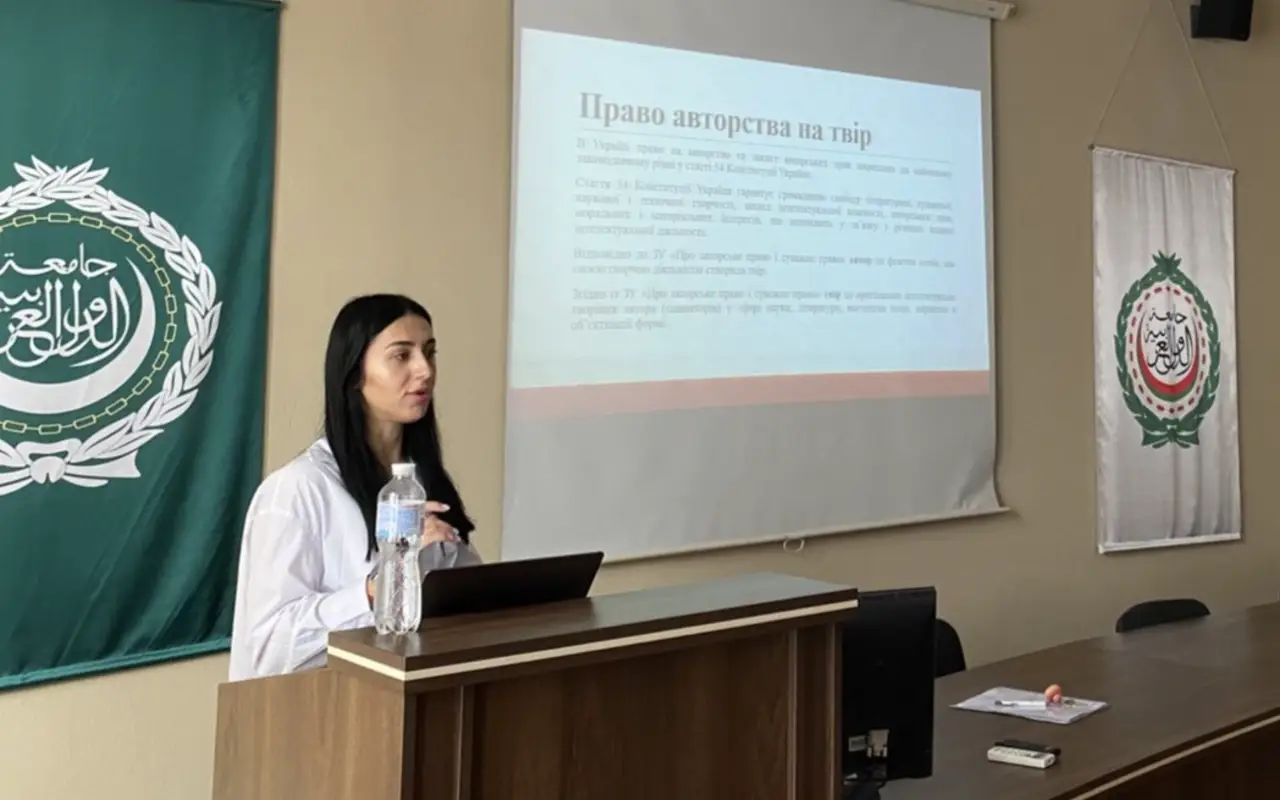
A one-time payment or royalties? Students were briefed on changes to copyright agreements
As a general rule, property rights to a work created by an employee are transferred to the employer, but the author retains the right to remuneration. European law requires that this remuneration be based on the actual income generated by the work, rather than being limited to a one-time payment.

Legislation
The UNBA warned of the risk of customs barriers for Ukrainian paper and furniture
Ukraine’s anti-deforestation rules are intended to preserve export access to the EU market. However, without paper and furniture on the list of goods, without effective sanctions, and with enforcement beginning only in 2030, these rules could hinder that goal.

Legislation
Fines for loud exhaust — based on a standardized measurement method — UNBA
Measures to combat intentionally loud exhaust noises are justified, especially during wartime. However, as long as the law does not specify which noise standard to apply or how to measure it on the road, this new liability can be neither fair nor effective.
Guarantees of the practice of law
Guarantees for advocacy without protective measures: proposed changes to the codes
The current law sets forth the rights and guarantees of the legal profession, but lacks the tools to protect them. The future law on advocacy is intended to fill this gap through amendments to criminal, administrative and procedural legislation.
Abroad
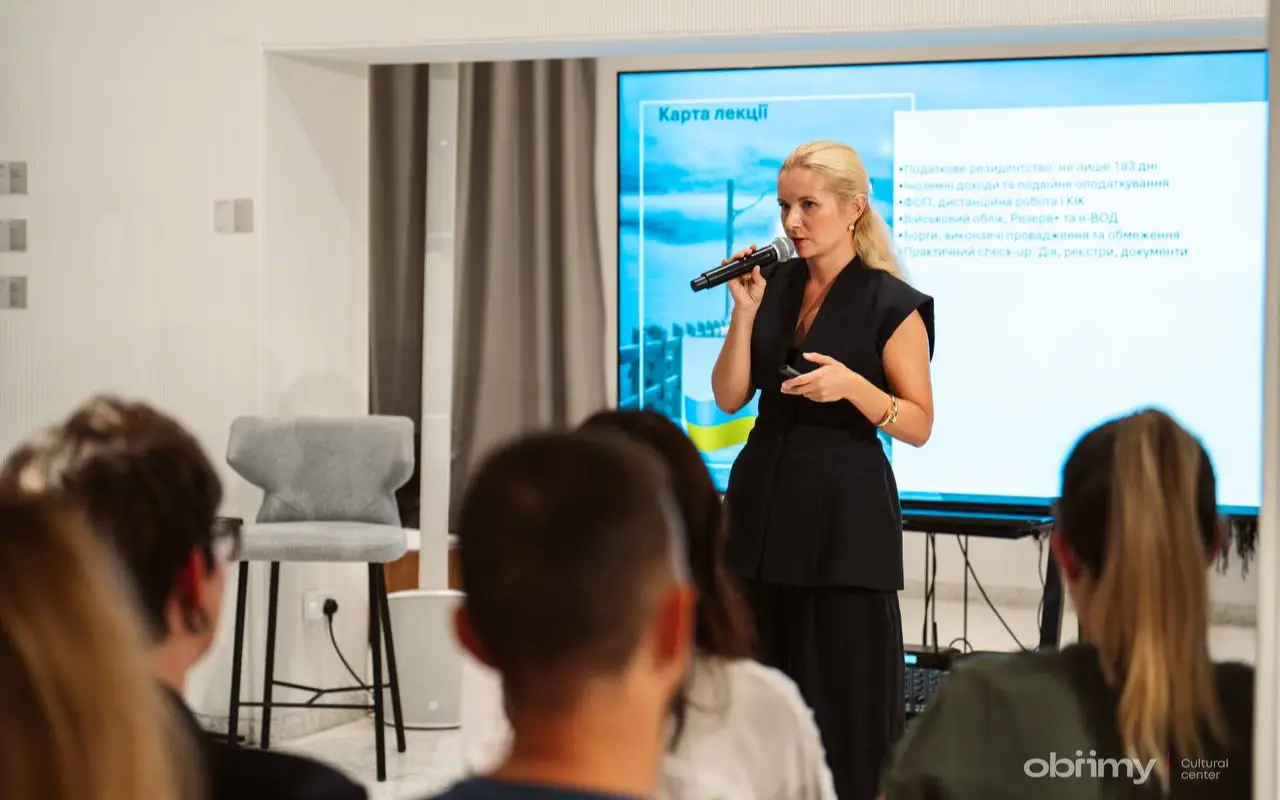
Living abroad doesn't sever your ties with Ukraine: what you should check
Moving to another country and even long-term residence abroad does not automatically sever an individual’s legal ties to Ukraine. Tax residency, sole proprietorship status, foreign income, enforcement proceedings, and military registration remain relevant even after relocation.
Publications

Vasyl Kolishnyi, «Law and Business» Supporting mental health should become part of the professional culture of the Bar, - H. Udovenko

Volodymyr Matsko Extradition during wartime: when the risks outweigh the request

Volodymyr Matsko Extradition as a systemic form of rights violations

Victoria Yakusha, Law and Business The anti-corruption vertical cannot «take care» of the Bar as an institution, - acting head of the HQDCB

Censor.net Protecting advocates – protecting justice: addressing concerns about the new law

Ihor Kolesnykov A BRIEF SUMMARY REGARDING THE APPLICATION OF THE ORDER ON EXTENDED CONFISCATION IN LATVIA REGARDING FINANCIAL ASSETS OF…

Valentyn Gvozdiy WORKING IN A WAR ZONE

Lydia Izovitova Formula of perfection

