






What an advocate should check in a military personnel's death certificate
Whether the Medical Examination Commission attributes a soldier’s death to the defense of the homeland depends on the forensic medical expert’s conclusion regarding the cause of death. Such a conclusion can often be verified only through a histological examination. However, the material for this examination is kept in the archives for only three years, and sometimes it is not collected at all.
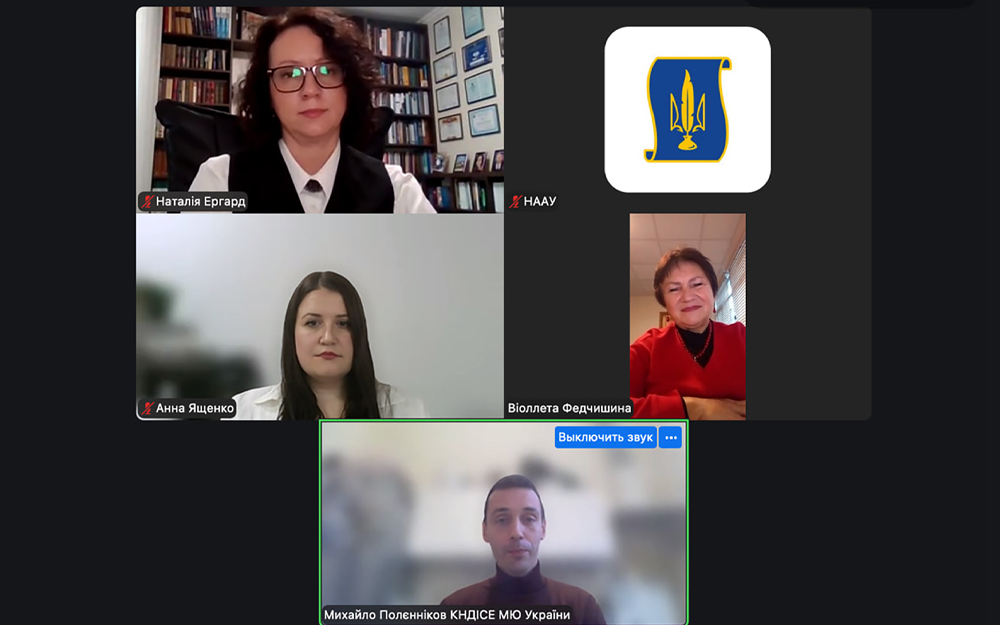
This issue was discussed during the roundtable «Forensic expertise practice under martial law: evidence, assessment of damages from Russian aggression and forensic medical aspects». The event was held on October 23 by the UNBA’s Committee on expert support for legal practice. The meeting was moderated by the Committee chairman, Violleta Fedchyshynl. «Forensic medical examinations of deceased military personnel are a matter of establishing the truth and providing legal protection for the rights of our heroes’ families. The quality of the autopsy and the accuracy of the forensic medical conclusions are crucial for establishing the cause of death and its causal link to the defense of the Motherland. The social protection of the families of the deceased directly depends on this», - she emphasized
Forensic medical expert Natalia Ergard explained that the picture an expert sees during an autopsy is merely a hypothesis. It must be confirmed by a forensic histological examination. However, organ samples are often sent to the archive without being examined. As a result, chemical damage to the lungs following poisoning during a combat mission may be described as ordinary pneumonia, and the Medical Examination Commission will attribute the death solely to military service.
According to her, an advocate should request not only the autopsy report but also the full histological examination report. In one case, the histologist did not confirm the cardiomyopathy that the expert had cited as the cause of death. It was precisely on the basis of this diagnosis that the Central Military Medical Examination Commission refused to link the death to trauma.
Discrepancies between the report and other data can also serve as grounds for a re-examination. For example, the report states that there were no bodily injuries, even though the soldier had suffered a traumatic limb amputation. It is also important to verify the completeness of the toxicological examination: whether other alcohols, besides ethyl alcohol, were detected in the blood.
The time limit for filing an appeal is limited. The histological archive is retained for three years, after which it is destroyed. If no tissue samples were collected for histological examination in the first place, a re-examination will not help determine the cause of death. During the discussion, the moderator noted that, in such a situation, the advocate has no other tools at their disposal besides requests for the available documentation.
To preserve the material, N. Ergard advised taking action while the examination is still underway, as it typically takes a month. The advocate should ask the expert or investigator where the histological material has been sent. If it has been sent to an archive, the advocate should initiate its examination. In that case, a description of the samples will be included in the histologist’s report, which will be retained for 25 years, and this report can then be used to assess the prospects for an appeal.
The participants also discussed the appointment of commodity expertise at the request of the defense. According to V. Fedchyshyna, such expert examinations are one of the most effective ways to influence the classification of an offense, since the value of property or the extent of damage often determines the fate of the suspect or defendant. A senior forensic expert at the Ukrainian Research Institute of Special Equipment and Forensic Expertise of the SSU Hanna Yashchenko spoke about their specific features.
A leading research fellow at the Kyiv Research Institute of Forensic Expertise and chairman of the forensic economic expertise section of the Scientific, Advisory and Methodological Council on Forensic Expertise under the Ministry of Justice Mykhailo Polennikov delivered a presentation on assessing damages resulting from the Russian Federation’s armed aggression. The moderator emphasized that the proper determination of the extent of the damage is crucial for the award of damages both in national courts and on the international stage.
Earlier, at a roundtable discussion of the UNBA Committee on expert support for the practice of law N. Ergard explained what is required to confirm a medical diagnosis during a medical examination by a commission of experts. At the same event, forensic experts distinguished between cases where an appraiser’s report is needed to determine business losses resulting from armed aggression and those where a forensic expert’s opinion is required.
Popular news
Rule of Law Roadmap
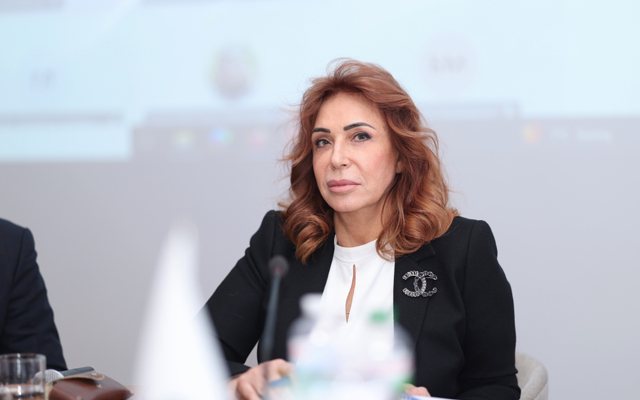
Lidiya Izovitova: reform of the advocacy profession should make the profession stronger and individuals better protected
The Ukrainian advocacy community is finalizing work on a new version of the relevant law. The roadmap on the rule of law has set the fourth quarter of 2026 as the deadline for achieving results in this area. The draft is intended to ensure safeguards for the practice of law through mechanisms of accountability for violations.
Support
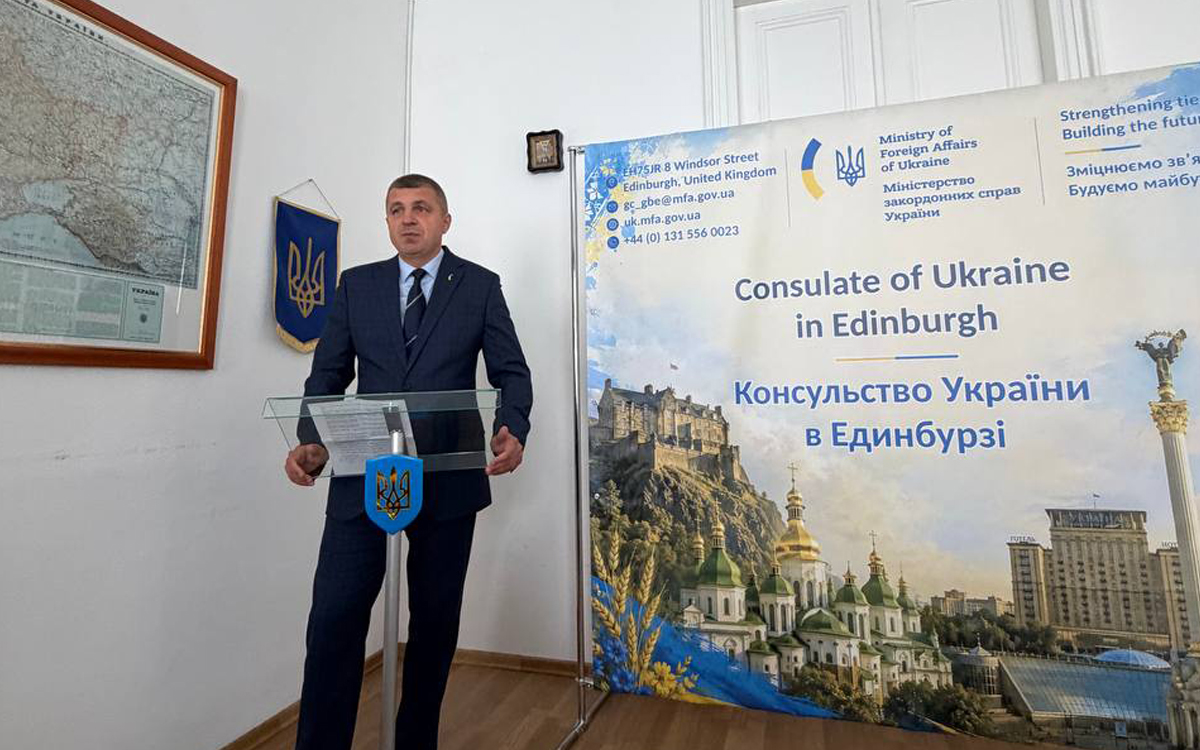
In Edinburgh expressed gratitude to those who are helping Ukrainian advocates and citizens
Since the start of the full-scale invasion, Scottish legal institutions and the Ukrainian community, with the participation of the UNBA, have been helping Ukrainian advocates obtain their qualifications and Ukrainians receive legal assistance. The parties are now planning joint professional and educational events.
Educational events
An advocate's meeting with a client outside the office: how to conduct it without giving away too much
If a client suggests meeting in a public place, keep in mind that any name or amount mentioned aloud could be overheard by bystanders. Therefore, it’s important to plan ahead regarding the table, seating arrangements, and the scope of the conversation.

Legislation
The UNBA explained what could undermine the plan to introduce plea agreements
Information regarding who pays whom, how much, and on what grounds under a plea agreement must be made public. However, as long as this information is classified as a state secret or personal data, the court will continue to be able to close proceedings and restrict access to judgments.
Interaction
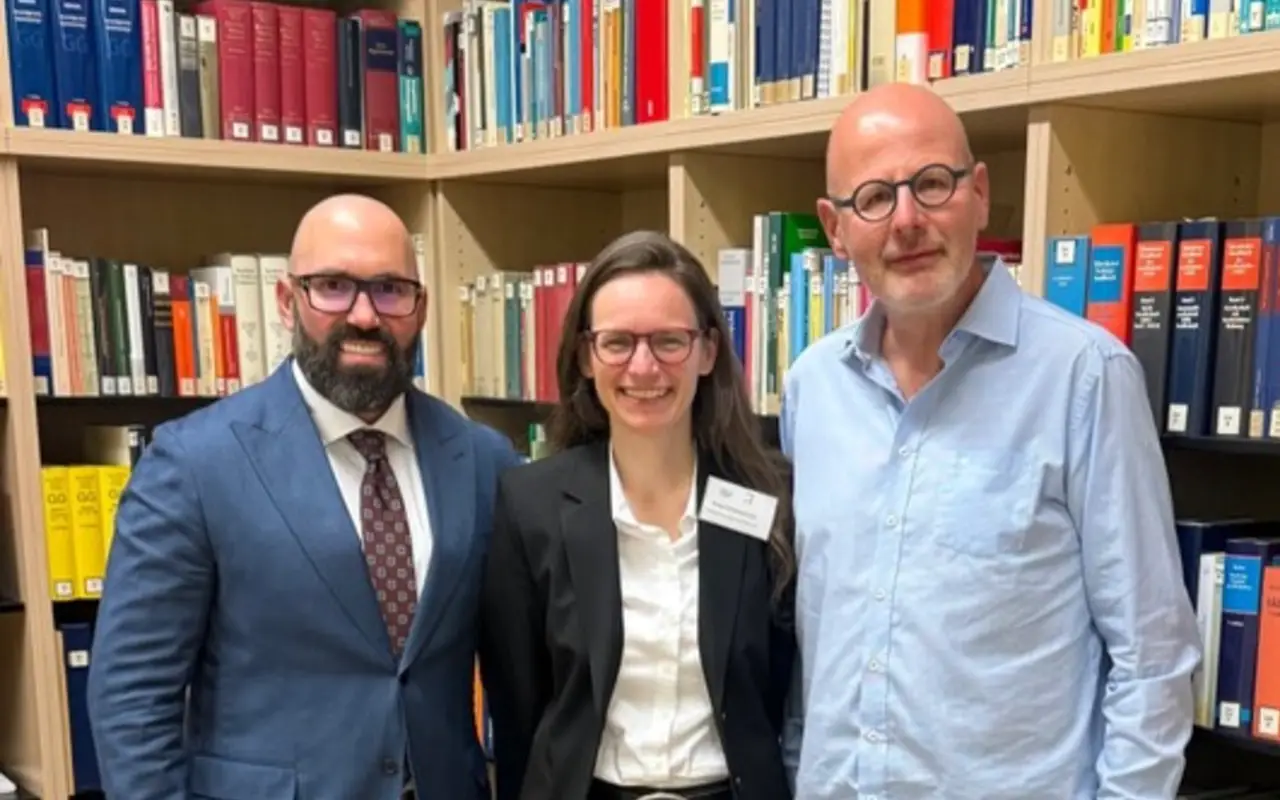
The UNBA and the German Institute for Eastern Law will prepare joint legal opinions
Ukrainian advocates and German legal scholars will jointly prepare comparative legal studies, expert opinions, and professional events. The UNBA reached this agreement with the Institute for Eastern European Law in Regensburg, which has been researching the laws of Central and Eastern European countries for nearly 70 years.
Legislation
Proceedings against military personnel following AWOL require clear deadlines — UNBA
A soldier’s return to duty after AWOL does not necessarily mean the end of criminal proceedings. To ensure that the case does not remain at the pretrial investigation stage, a clear procedure for the investigator and prosecutor is required.
Educational events
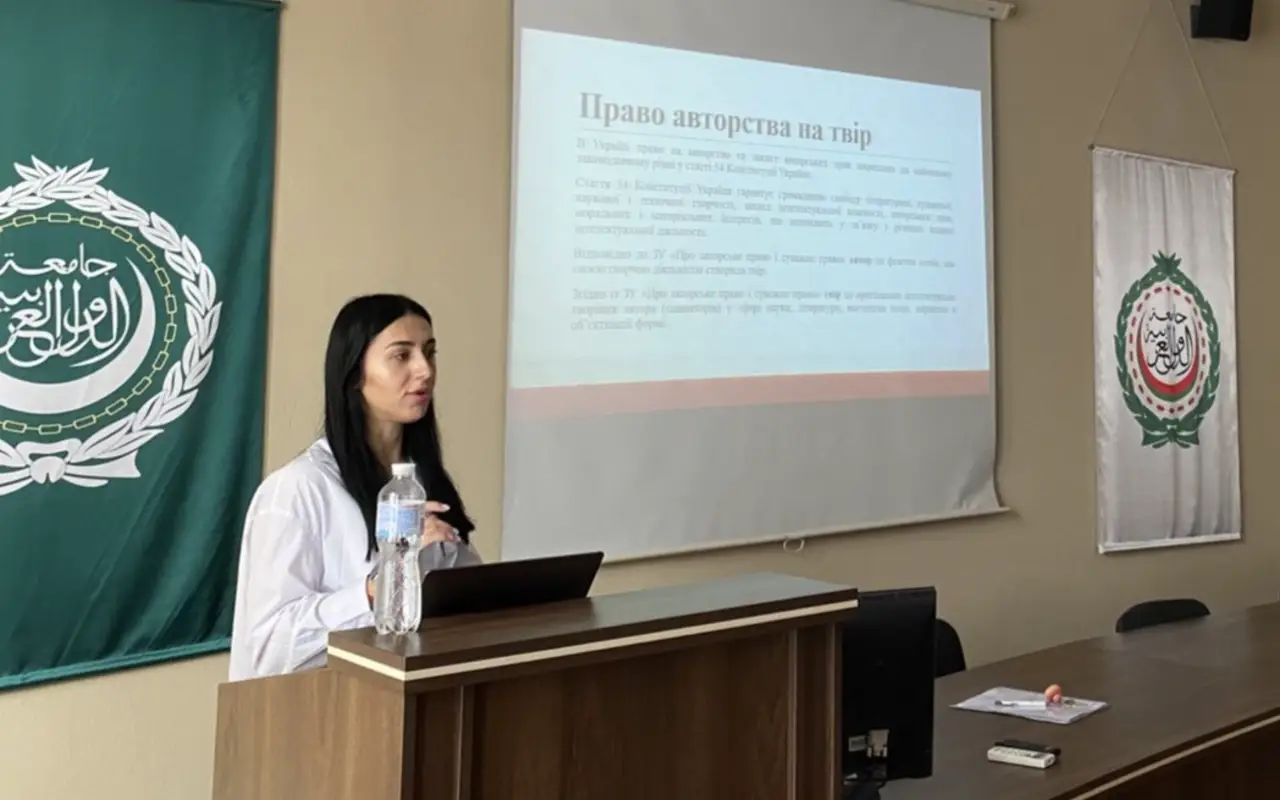
A one-time payment or royalties? Students were briefed on changes to copyright agreements
As a general rule, property rights to a work created by an employee are transferred to the employer, but the author retains the right to remuneration. European law requires that this remuneration be based on the actual income generated by the work, rather than being limited to a one-time payment.

Legislation
The UNBA warned of the risk of customs barriers for Ukrainian paper and furniture
Ukraine’s anti-deforestation rules are intended to preserve export access to the EU market. However, without paper and furniture on the list of goods, without effective sanctions, and with enforcement beginning only in 2030, these rules could hinder that goal.
Publications

Vasyl Kolishnyi, «Law and Business» Supporting mental health should become part of the professional culture of the Bar, - H. Udovenko

Volodymyr Matsko Extradition during wartime: when the risks outweigh the request

Volodymyr Matsko Extradition as a systemic form of rights violations

Victoria Yakusha, Law and Business The anti-corruption vertical cannot «take care» of the Bar as an institution, - acting head of the HQDCB

Censor.net Protecting advocates – protecting justice: addressing concerns about the new law

Ihor Kolesnykov A BRIEF SUMMARY REGARDING THE APPLICATION OF THE ORDER ON EXTENDED CONFISCATION IN LATVIA REGARDING FINANCIAL ASSETS OF…

Valentyn Gvozdiy WORKING IN A WAR ZONE

Lydia Izovitova Formula of perfection

