


10 ethical rules from the President of the Bar Council of England and Wales

Oleksandr Chernykh, the UNBA representative in the United Kingdom, met with Samuel Townend, the President of the Bar Council of England and Wales, in the last week of his term in office, to record an interview about the standards of the profession, the role of lawyers in justice, and the participation of self-government in protecting the interests of the community.
The Bar Council of England and Wales is a representative body for 18 thousand barristers. The main task of the Council is to protect both the interests of the bar community and the public interest in ensuring the rule of law. The Chairman of the Bar Council has supervisory functions, and the profession is regulated by the Bar Standards Board, which develops the Code of Ethics for lawyers.
S. Townend spoke in particular about the regulation of lawyers' behavior. «We have 10 main responsibilities, - he said. - And under each basic duty there are explanations that help you understand how you should behave».
So, the key ethical rules are:
1) to fulfill their duties to the court in the administration of justice (when a barrister is in court, they are considered an employee of the court);
2) act in the best interests of each client;
3) work honestly and transparently;
4) maintain independence. This will help to avoid conflicts of interest, among other things;
5) behave with dignity. The advocate shall not behave in a manner that may diminish the trust that the public places in the advocate and the profession as a whole;
6) to keep confidential the information provided by the client;
7) to perform his or her work competently;
8) to prevent any manifestations of discrimination;
9) be open and cooperate with the Bar Standards Board;
10) take reasonable measures for the competent management of their practice and compliance with legal and regulatory obligations.
The President of the Council also gave an example of how these standards are implemented in specific situations. For example, decent behavior on social media implies that it is inappropriate to ridicule the judiciary, which is properly performing its functions. You cannot personally attack a judge through social media, the media, or even incite violence or other things against a judge or your opponent through the use of social media.
«We regularly review these guidelines, but essentially it comes down to common sense that you should not behave on social media in the same way that you would behave in person or on the phone. And behavior that falls below the appropriate standard in a face-to-face meeting may well fall below the appropriate standard on social media», - explained S. Townend.
Popular news

Guarantees of the practice of law
Guarantees for advocacy without protective measures: proposed changes to the codes
The current law sets forth the rights and guarantees of the legal profession, but lacks the tools to protect them. The future law on advocacy is intended to fill this gap through amendments to criminal, administrative and procedural legislation.
Legislation
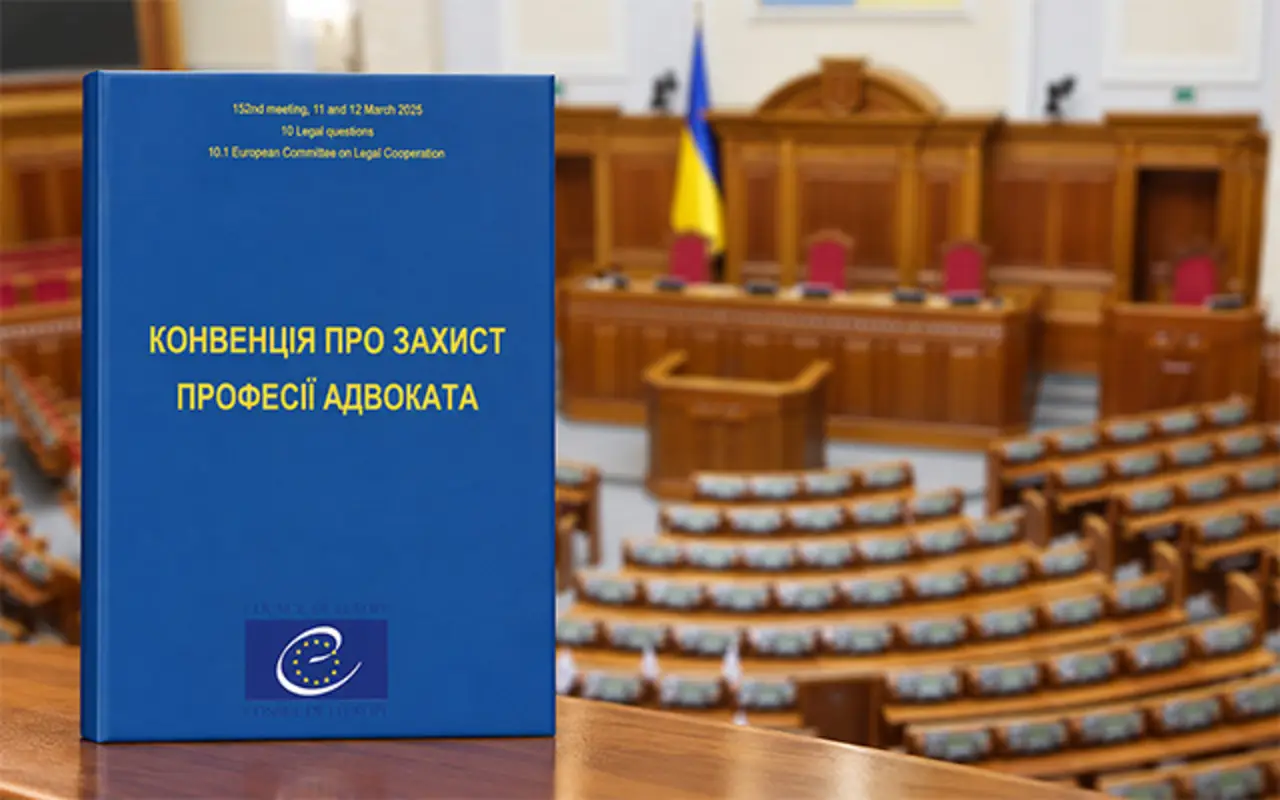
A bill implementing the Convention on the Protection of the Professions of Lawyer has been introduced
The constitutional guarantees of legal aid, defense, and the independence of advocacy cannot be realized without protecting advocates from unwarranted interference in their professional activities, including searches, the seizure of professional materials and the use of criminal procedural mechanisms to exert pressure.
Abroad
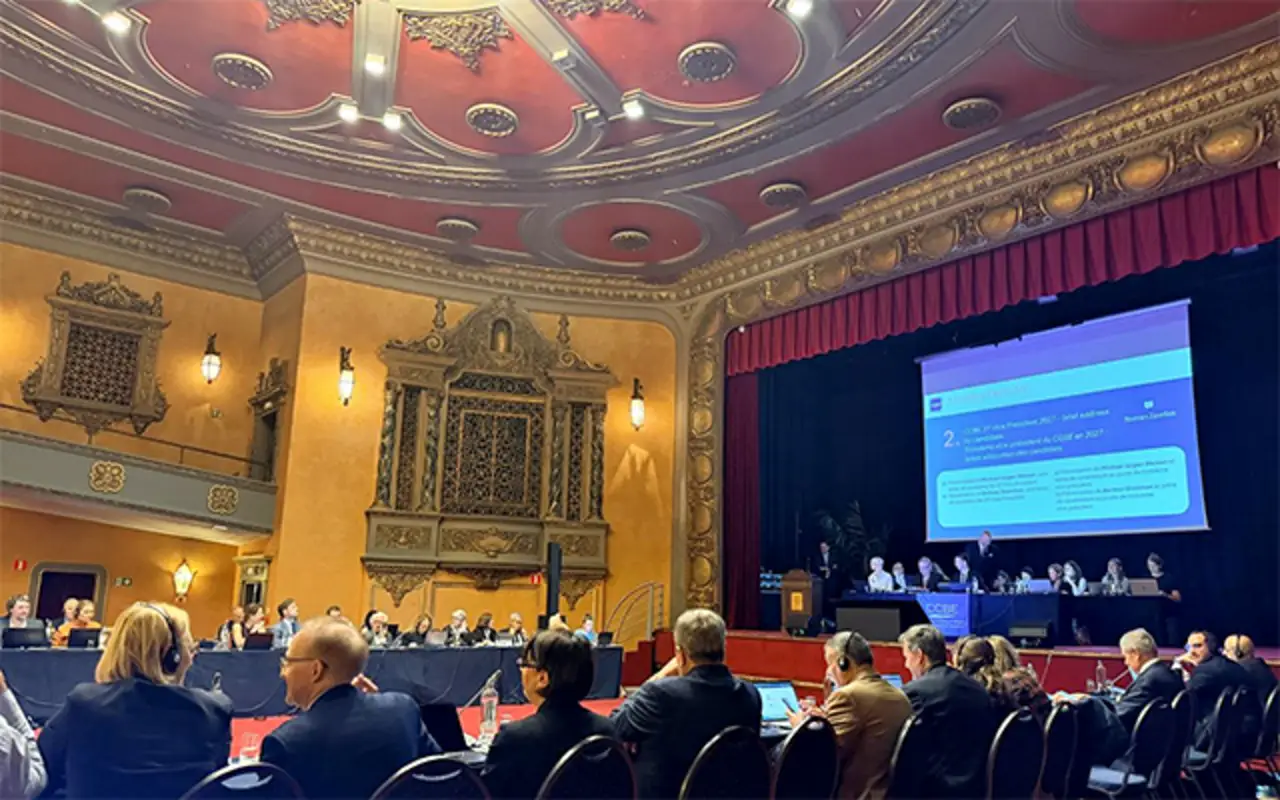
The CCBE is discussing European justice and issues related to the protection of advocates
Today, October 2, a meeting of the Standing Committee of the Council of Bars and Law Societies of Europe (CCBE) is taking place in Brussels. On the agenda are the protection of the advocate profession, the rule of law, attorney-client privilege, and changes in the European justice system.

Rule of Law Roadmap
The UNBA presented the key provisions of the future law on advocacy in Brussels
The Ukrainian National Bar Association presented its proposals for the upcoming law on advocacy, aligned with the Rule of Law Roadmap. The presentation covered topics such as access to the profession, self-governance, disciplinary procedures, professional development and guarantees for the practice of advocacy.

Discussion
First the return of assets, then subsidiary liability — an opinion
In bankruptcy cases, the legal entity’s ability to preserve and restore the financial foundation of its operations requires legal protection. In this regard, the right to solvency in which the legal entity is the aggrieved party should be an independent object of legal protection.

Educational events
Advocates were taught to voice their complaints without making accusations
In a difficult conversation, it’s easy to confuse facts with opinions, feelings with accusations, and requests with demands. How can you express dissatisfaction, explain your own needs, and propose a specific solution while still allowing your conversation partner the opportunity to refuse or suggest an alternative?
Guarantees of the practice of law
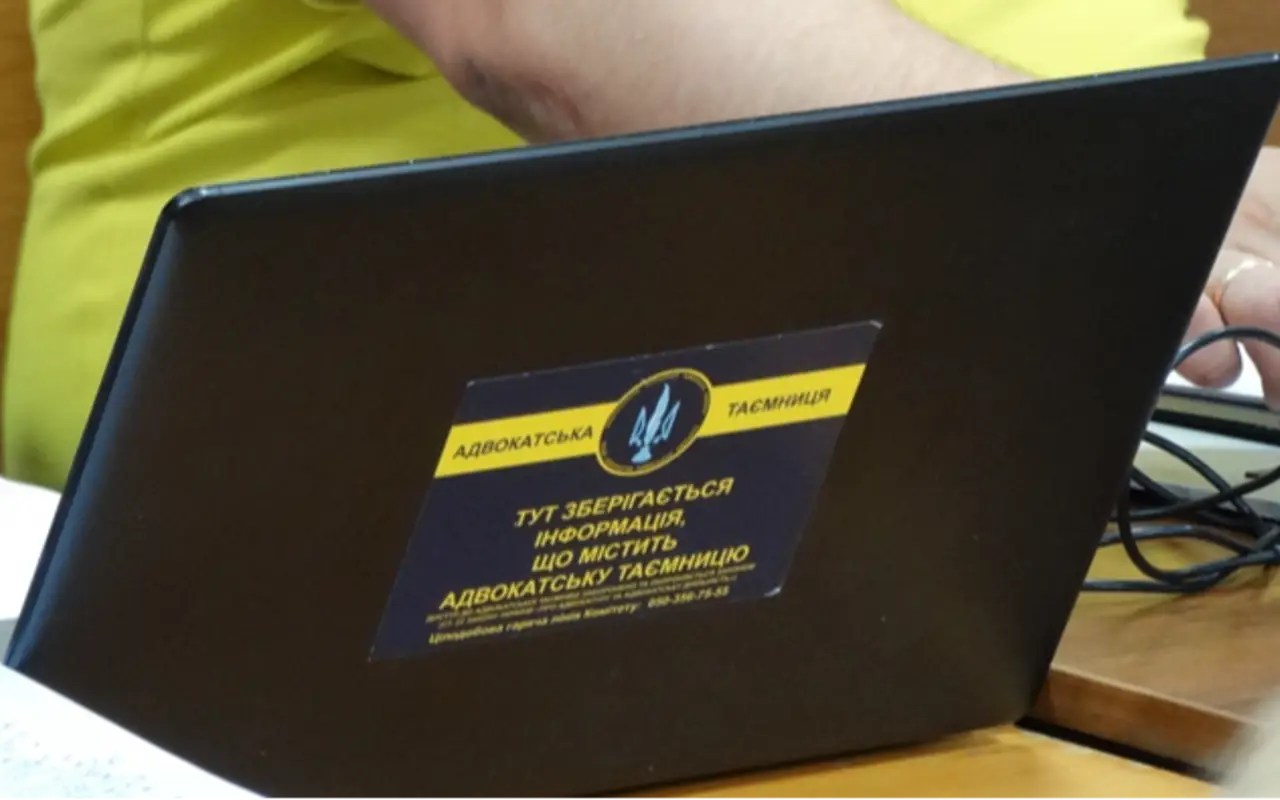
Search of an advocate's office after client's acquittal: criminal complaint filed
In Kyiv, law enforcement officers conducted a search of the home of an advocate who had defended a client acquitted by the court and seized materials from the advocate’s case file. The proceedings were initiated shortly after the acquittal, even though the document they were searching for was already included in the court case file.

Guarantees of the practice of law
The paradoxes of urgency: is it possible to investigate a crime before it is committed?
On September 24 in Kyiv, National Police officers detained an advocate during an emergency search, having caught him in the act of committing a crime. At the time, the pretrial investigation in this case had already been ongoing for more than four months.
Publications

Vasyl Kolishnyi, «Law and Business» Supporting mental health should become part of the professional culture of the Bar, - H. Udovenko

Volodymyr Matsko Extradition during wartime: when the risks outweigh the request

Volodymyr Matsko Extradition as a systemic form of rights violations

Victoria Yakusha, Law and Business The anti-corruption vertical cannot «take care» of the Bar as an institution, - acting head of the HQDCB

Censor.net Protecting advocates – protecting justice: addressing concerns about the new law

Ihor Kolesnykov A BRIEF SUMMARY REGARDING THE APPLICATION OF THE ORDER ON EXTENDED CONFISCATION IN LATVIA REGARDING FINANCIAL ASSETS OF…

Valentyn Gvozdiy WORKING IN A WAR ZONE

Lydia Izovitova Formula of perfection