


How a lawyer can cope with anxiety: advice from a psychologist
Advocacy in wartime involves a high emotional load, constant stress and uncertainty. Anxiety becomes a companion of many lawyers, affecting concentration, decision-making and general well-being. How can you recognize anxiety, learn to work with it, and develop psychological resilience?
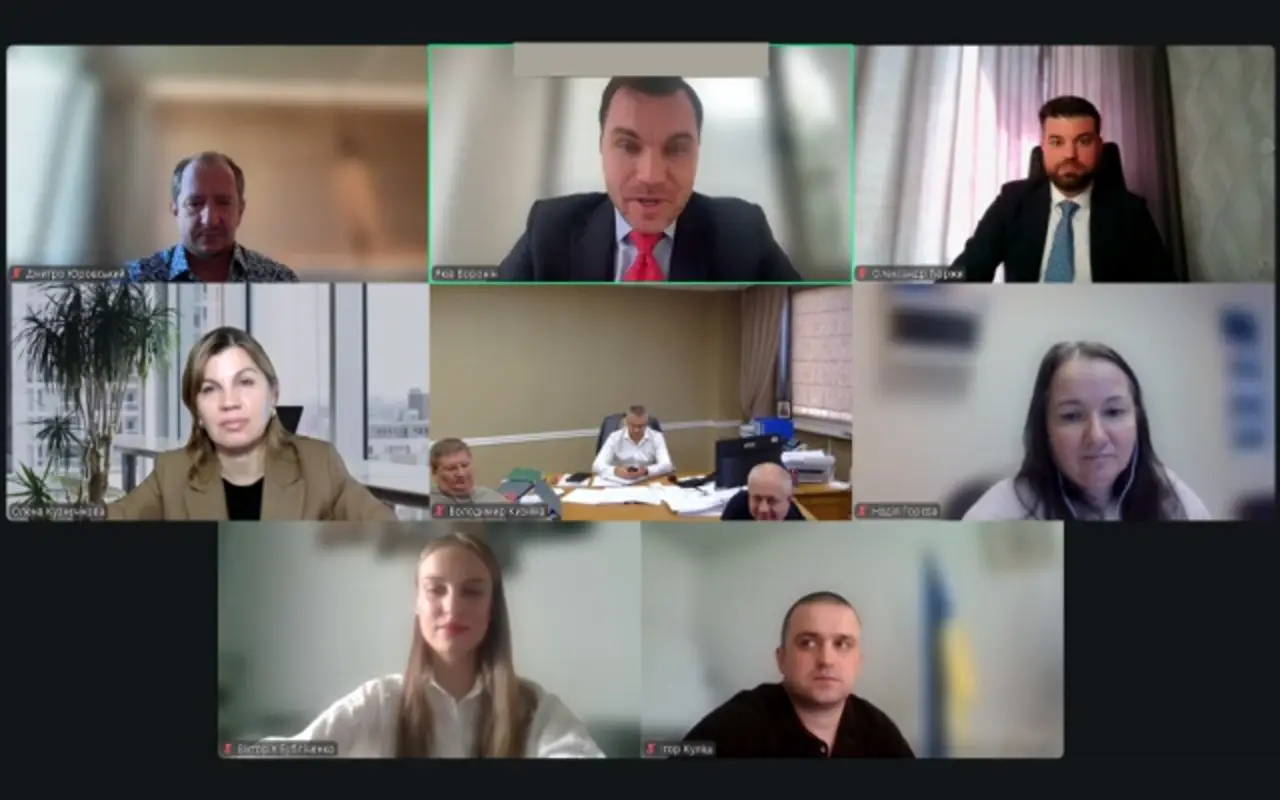
As part of the project «Supporting the Mental Health of Ukrainian Lawyers in Time of War», the Ukrainian National Bar Association, with the support of the International Bar Association, held a webinar on «Is Anxiety a Pandemic of Our Time?».
The speaker was a psychologist and Gestalt therapist Maria Melnychuk, who spoke about the nature of anxiety, its impact on the body and ways to combat it.
Anxiety is more than just a feeling of discomfort. It is a basic survival mechanism that signals danger and forces the body to mobilize all resources to protect itself. That's why during anxiety we experience heart palpitations and sweating, shallow breathing and lack of air, confusion or, conversely, increased concentration, and the need to use the restroom. This condition is also often accompanied by an uncontrollable flow of anxious thoughts.
According to M. Melnychuk, under the influence of stress, the hippocampus (responsible for learning and memory) shrinks and the amygdala (responsible for fear and anxiety) grows. At the same time, the dopamine system is depleted, which can lead to depression and loss of self-control.
The psychologist identified several main types of anxiety disorders:
- panic disorder - attacks of intense fear and panic without obvious reasons;
- obsessive-compulsive disorder - obsessive thoughts and actions that are difficult to control;
- generalized anxiety disorder - a constant feeling of tension without real threats;
- health anxiety disorder - obsessive thoughts about illness and one's own condition;
- social phobia - fear of communication and public speaking.
The expert advises working with anxiety on three levels:
- Cognitive. Write down anxious thoughts, analyze their validity, and check the reality of threats.
- Emotional. Use grounding techniques (e.g., describe objects around you), do breathing exercises, accept your emotions without judgment.
- Behavioral. Set aside time for anxiety (for example, 15 minutes a day), make a list of tasks, and gradually overcome fears through exposure therapy.
The main defense against anxiety is the development of resilience, i.e. psychological stability. To do this, the psychologist advises, you need to focus on what is really important, accept your own emotions and show empathy for others, develop self-esteem and form your own life philosophy, take time to take care of yourself and find reasons to be grateful.
The webinar participants also received a selection of useful resources to help them better understand the nature of anxiety and learn how to deal with it.
The webinar aroused keen interest among the attorneys who shared their own experiences. The event was another step in the implementation of the UNBA's project to support the mental health of advocates and provided participants with practical tools to overcome anxiety in everyday life. The UNBA will continue to implement programs to support the mental health of advocates, creating a safe space to overcome stress and anxiety.
Popular news
Legislation
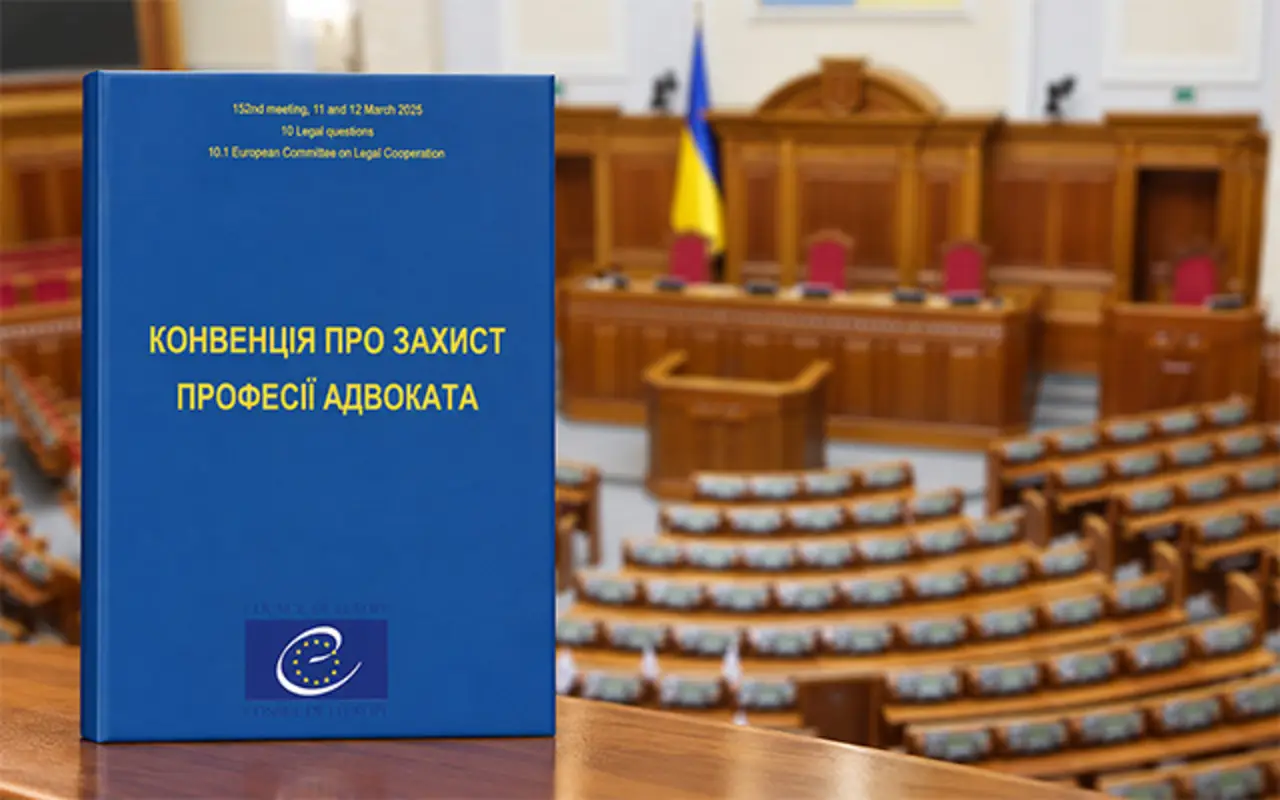
A bill implementing the Convention on the Protection of the Professions of Lawyer has been introduced
The constitutional guarantees of legal aid, defense, and the independence of advocacy cannot be realized without protecting advocates from unwarranted interference in their professional activities, including searches, the seizure of professional materials and the use of criminal procedural mechanisms to exert pressure.
Abroad
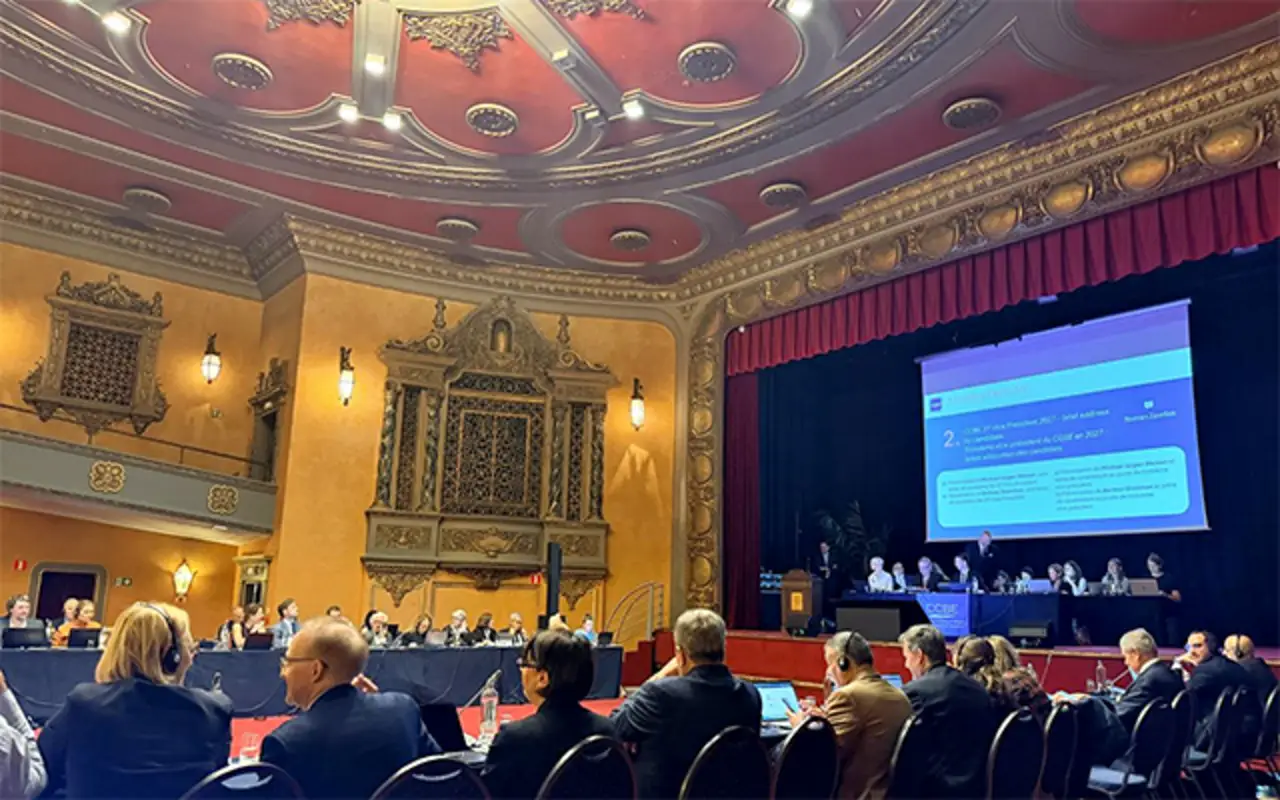
The CCBE is discussing European justice and issues related to the protection of advocates
Today, October 2, a meeting of the Standing Committee of the Council of Bars and Law Societies of Europe (CCBE) is taking place in Brussels. On the agenda are the protection of the advocate profession, the rule of law, attorney-client privilege, and changes in the European justice system.
Rule of Law Roadmap
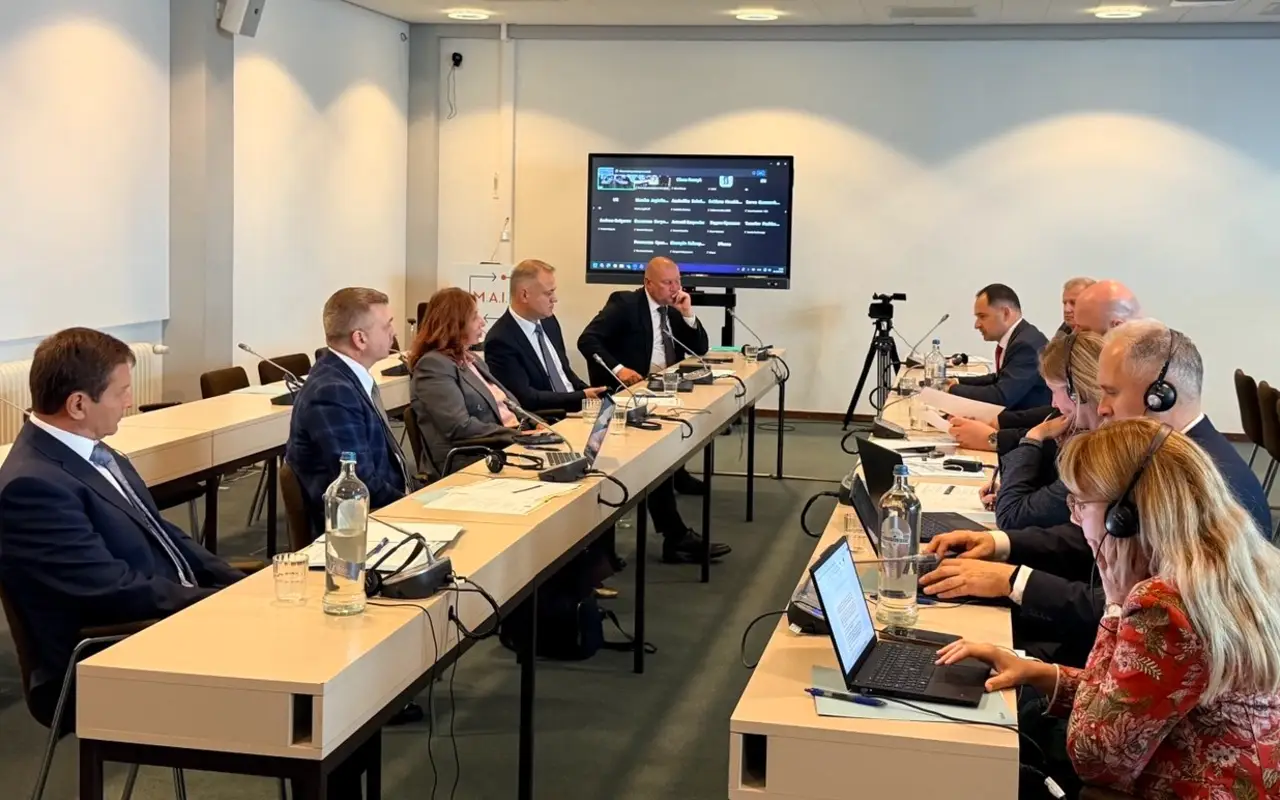
The UNBA presented the key provisions of the future law on advocacy in Brussels
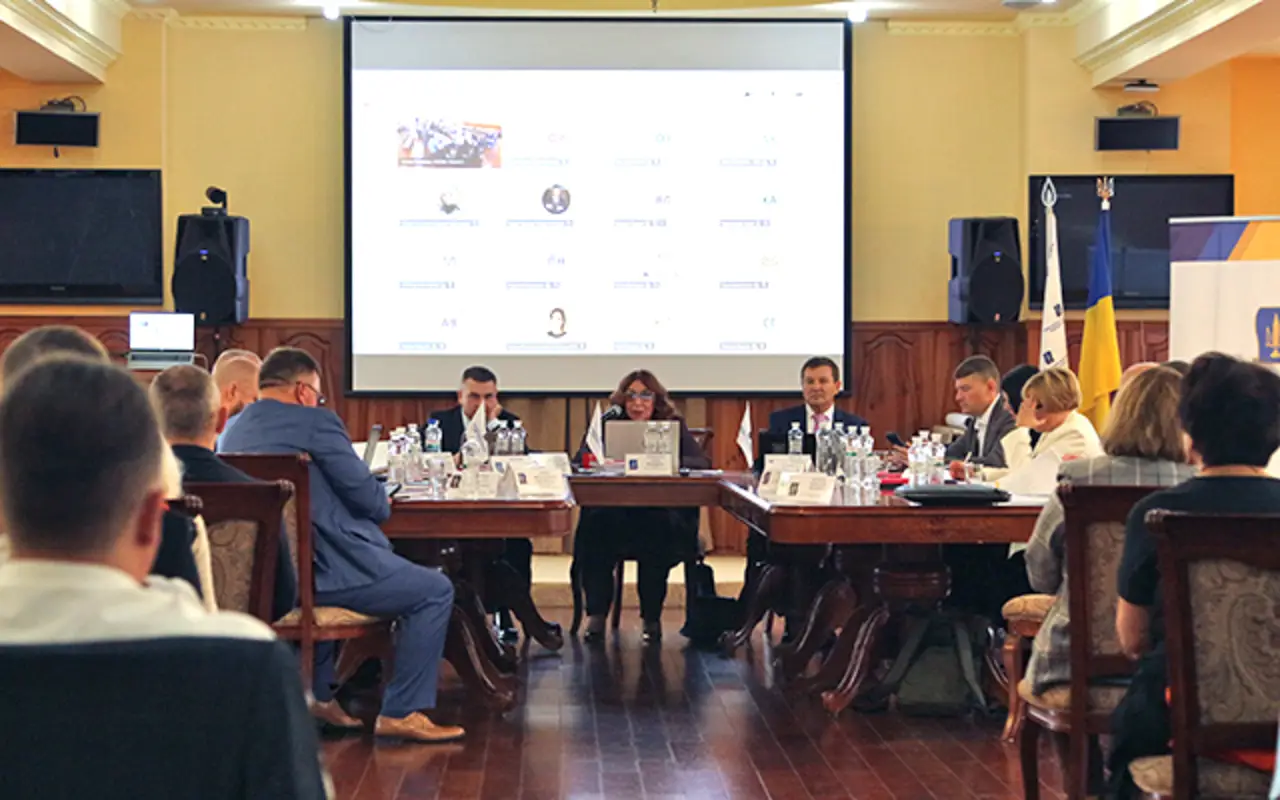
The Ukrainian National Bar Association presented its proposals for the upcoming law on advocacy, aligned with the Rule of Law Roadmap. The presentation covered topics such as access to the profession, self-governance, disciplinary procedures, professional development and guarantees for the practice of advocacy.
Guarantees of the practice of law
Independent oversight is necessary before using CISA materials against an advocate – Lidiya Izovitova
Before the prosecution uses information obtained during covert investigative actions and related to an advocate’s activities, independent procedural oversight must be conducted. It is necessary to determine whether such information is covered by attorney-client privilege and whether it may be disclosed.
Self-government
Efforts to develop advocacy must be brought to fruition — A. Misyats
The Ukrainian advocacy profession is currently going through a critical phase. Amid the war, it must ensure the continuity of legal aid, defend the independence of the profession, and improve qualification and disciplinary procedures in accordance with European standards. The work that has been started must be brought to a practical conclusion.
Support
Protecting the legal profession, cybersecurity and support for advocates: common themes for the IBA and the UNBA
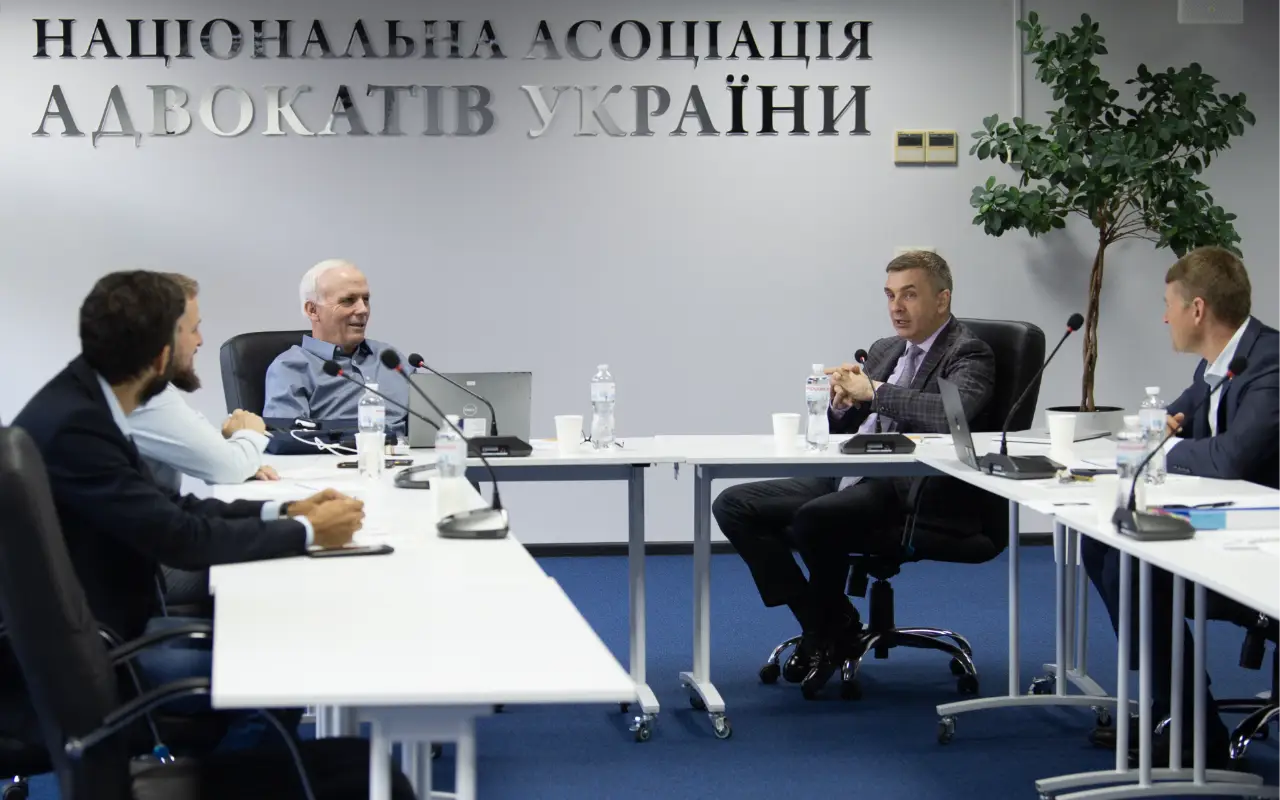
On September 18, a working meeting was held at the office of the Ukrainian National Bar Association with Executive Director of the International Bar Association (IBA) Mark Ellis. The parties discussed the Ukrainian advocacy profession’s participation in European legal processes, the protection of the UNBA’s digital infrastructure, psychological support for advocates and future areas of cooperation.
Educational events
Not every eloquent phrase is persuasive: how an advocate should choose a speaking style
Rhetorical techniques are effective when they are tailored to the audience, the situation, and the purpose of the speech. Therefore, before speaking, an advocate should determine what message the court, client, or audience needs to hear and remember, and then choose the appropriate structure, examples, quotes and tone.
Educational events
Tax residency of Ukrainians abroad: what matters
The determination of tax residency for Ukrainians who have been living abroad for an extended period depends on the combination of their personal and economic ties to each country. The established status determines the procedure for reporting income, paying taxes and fulfilling CFC reporting obligations.
Publications

Vasyl Kolishnyi, «Law and Business» Supporting mental health should become part of the professional culture of the Bar, - H. Udovenko

Volodymyr Matsko Extradition during wartime: when the risks outweigh the request

Volodymyr Matsko Extradition as a systemic form of rights violations

Victoria Yakusha, Law and Business The anti-corruption vertical cannot «take care» of the Bar as an institution, - acting head of the HQDCB

Censor.net Protecting advocates – protecting justice: addressing concerns about the new law

Ihor Kolesnykov A BRIEF SUMMARY REGARDING THE APPLICATION OF THE ORDER ON EXTENDED CONFISCATION IN LATVIA REGARDING FINANCIAL ASSETS OF…

Valentyn Gvozdiy WORKING IN A WAR ZONE

Lydia Izovitova Formula of perfection