






What an advocate can delegate to an assistant, colleagues and AI — and what they cannot
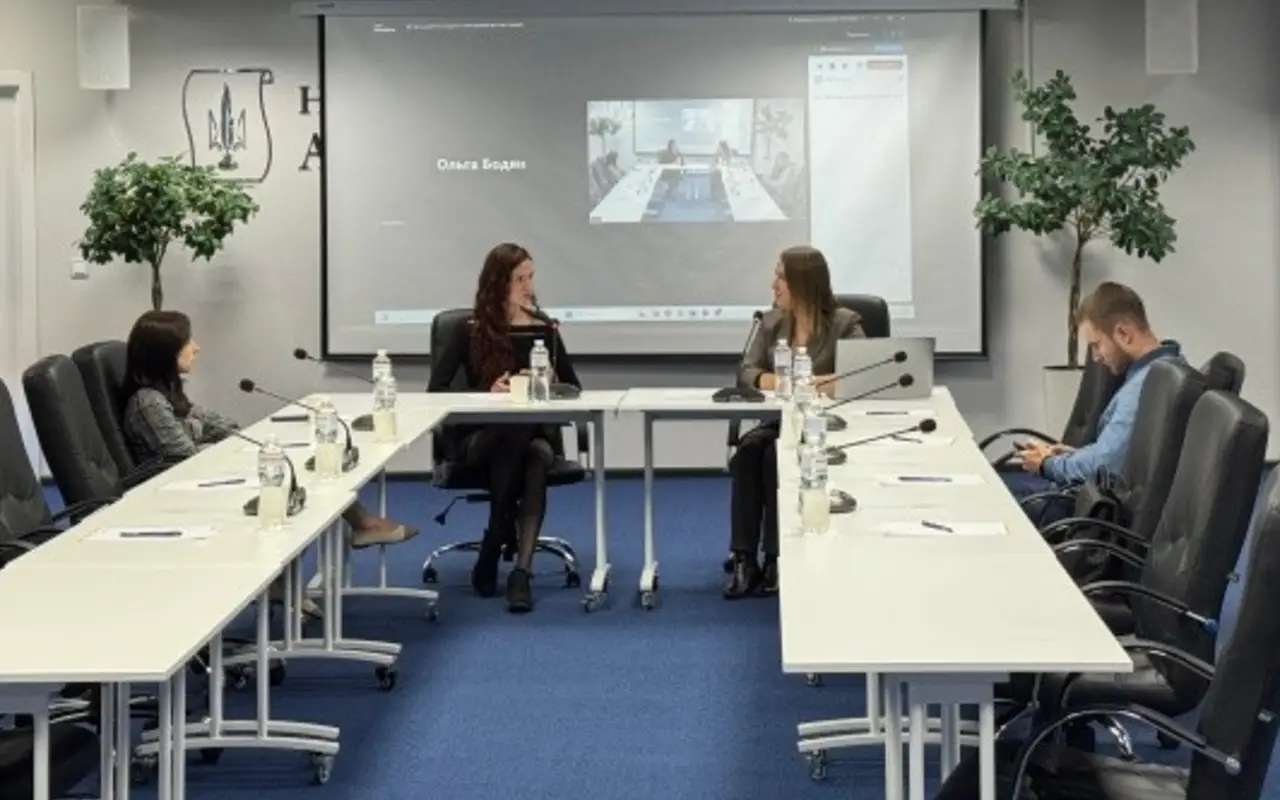
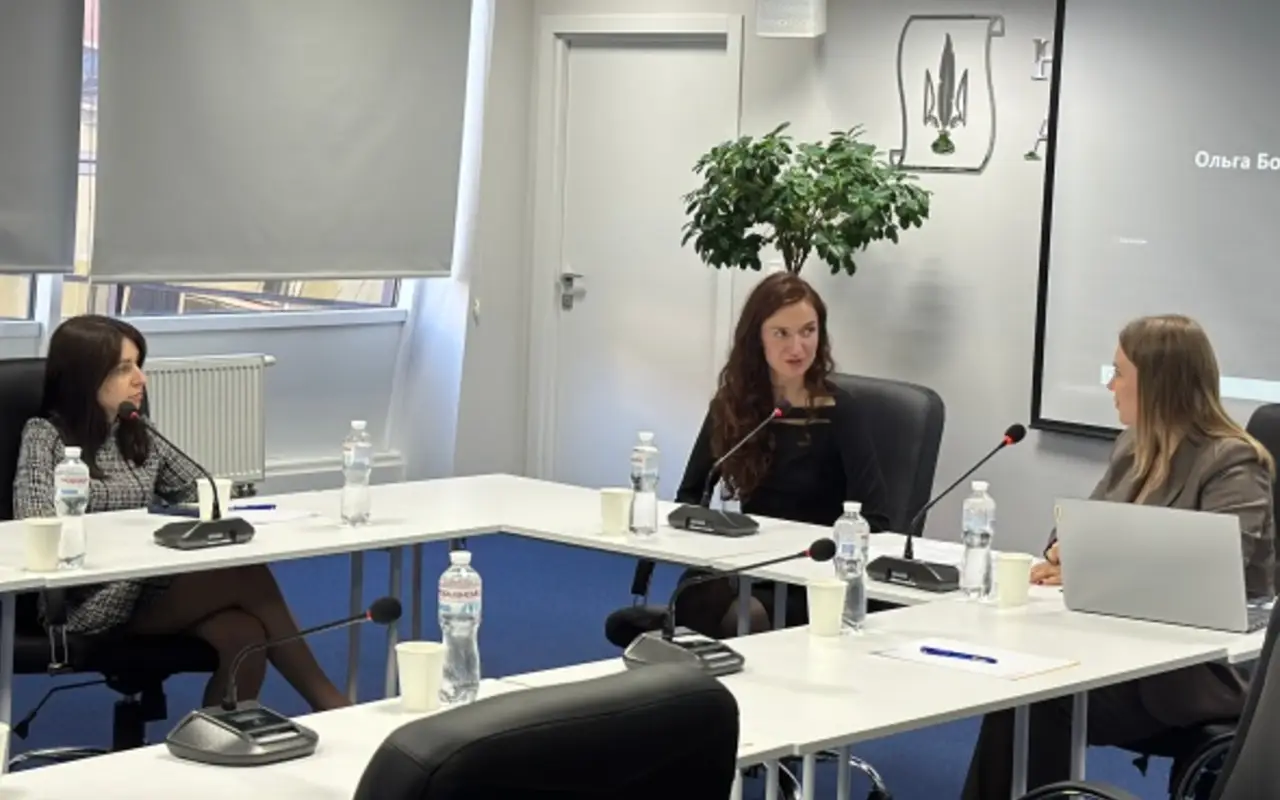
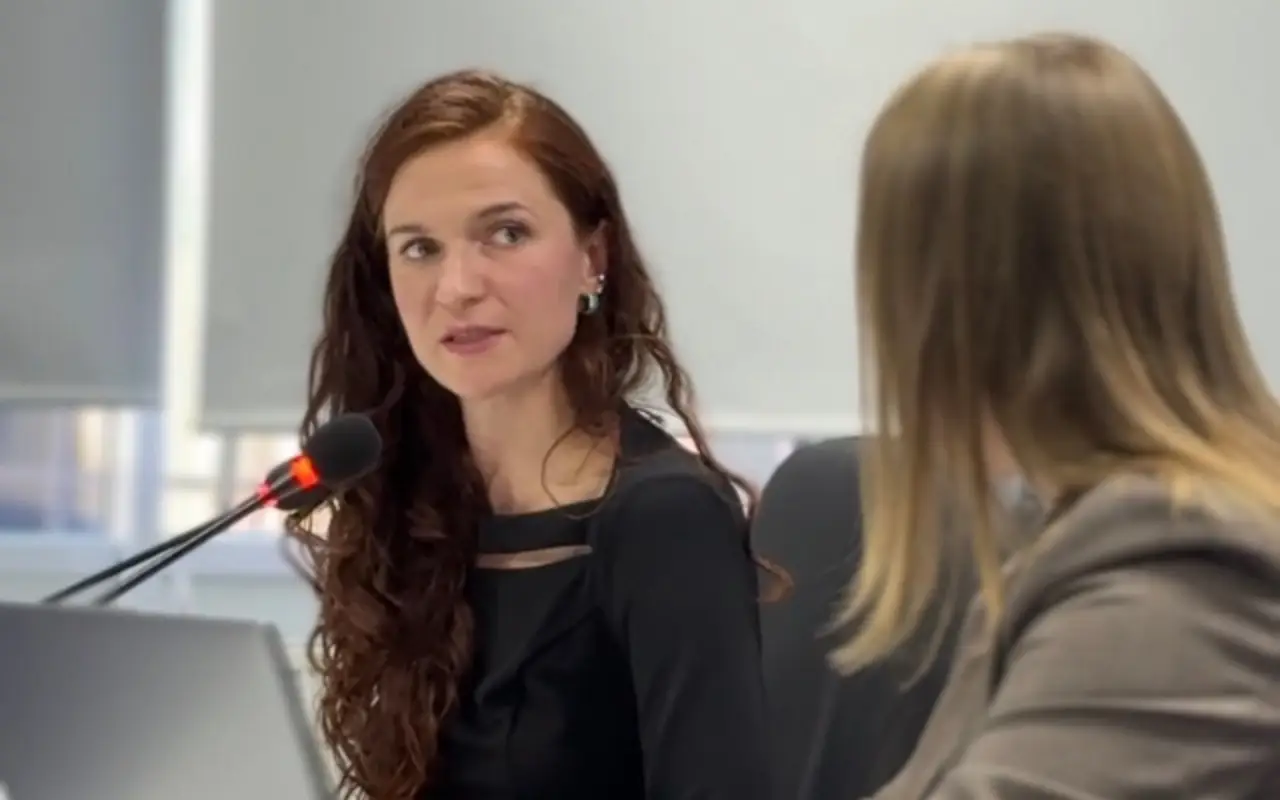
An advocate can delegate even a complex lawsuit to an assistant, consult with colleagues daily, and ask artificial intelligence to find relevant case law. However, it is up to the advocate to proofread the document, verify every reference, and decide what to disclose about the client’s case.
This was emphasized by advocate Daria Tarasenko during the webinar «Advocacy without a manual: an honest conversation about starting your career», organized by the UNBA NextGen in Kyiv. The meeting was moderated by the committee’s regional representative Olga Bodian.
The speaker advised young colleagues to hire an assistant as soon as the opportunity arises. According to her, without an assistant, an advocate wastes work time inefficiently: tasks such as sending mail, preparing a list of attachments, or filing documents with the court clerk’s office should be delegated. At the same time, an assistant is not just a courier. A qualified assistant can even be entrusted with preparing complex complaints.
D. Tarasenko reserves the right to review the final document herself. «The responsibility will always rest with me. There can be no situation where a lawyer’s request or complaint is sent somewhere without my having seen it», - she emphasized. The speaker called the belief that no one can do the work better than the advocate herself a misconception. Documents such as motions to review case materials, where imperfect wording will not affect the outcome, should be delegated. An advocate is better off spending her own time on tasks that only she can perform.
Similarly, the advocate distinguished between transferring a case to a colleague and maintaining responsibility toward the client. If an issue falls outside her area of expertise, she informs the client from the outset that another advocate will be handling the case and refers them to a colleague.
The advocate makes key decisions regarding the legal position and strategy in the case independently and bears sole responsibility for them. However, consulting with colleagues is not a sign of weakness. Rather, it is a way to hear an alternative perspective. D. Tarasenko’s team plays a unique game: one advocate presents the facts of the case, while another challenges them from the opposing side’s perspective. It is through such discussions that clearer arguments emerge, weaknesses are identified, and a strong legal position is formed.
An advocate should not shift the consequences of their own mistakes onto someone else. D. Tarasenko advised being honest with clients about the case’s problematic areas. In one of her cases, the court applied an ineffective method of defending the violated right, and the ruling in the client’s favor did not yield the desired result. The speaker prepared and filed the second lawsuit free of charge, considering it a way to correct her own mistake.
Separately, the advocate cautioned against the use of artificial intelligence. She considers it acceptable to have AI search for case law, provided that the results are verified. As an example, she cited the defendant’s appeal in one of her cases. Based on certain indicators, D. Tarasenko realized that the opposing counsel had prepared the text using AI. Upon reviewing the Supreme Court rulings cited by the opposing side, she discovered that the case law actually favored her client.
The advocate also decides for herself what can be disclosed publicly about a case. D. Tarasenko explained that when describing cases on social media, she takes care to ensure that the client cannot be identified. She does not answer follow-up questions about specific details. One of the rulings in her case ended up in a registry with restricted access, and sharing it with colleagues was important for establishing best practices. Therefore, the speaker first obtained the client’s written consent to disclose the content of the ruling. But if there is any doubt, it is better not to publish it, she concluded.
Previously, UNBA NextGen speakers discussed when a lawyer should tell a client «I don’t know», identified common mistakes in communicating with clients and explained when to turn down a potential client. The psychological readiness of young lawyers for practice was discussed at a previous UNBA NextGen webinar in Kyiv.
Popular news

Legislation
Proceedings against military personnel following AWOL require clear deadlines — UNBA
A soldier’s return to duty after AWOL does not necessarily mean the end of criminal proceedings. To ensure that the case does not remain at the pretrial investigation stage, a clear procedure for the investigator and prosecutor is required.
Guarantees of the practice of law
Guarantees for advocacy without protective measures: proposed changes to the codes
The current law sets forth the rights and guarantees of the legal profession, but lacks the tools to protect them. The future law on advocacy is intended to fill this gap through amendments to criminal, administrative and procedural legislation.
Legislation
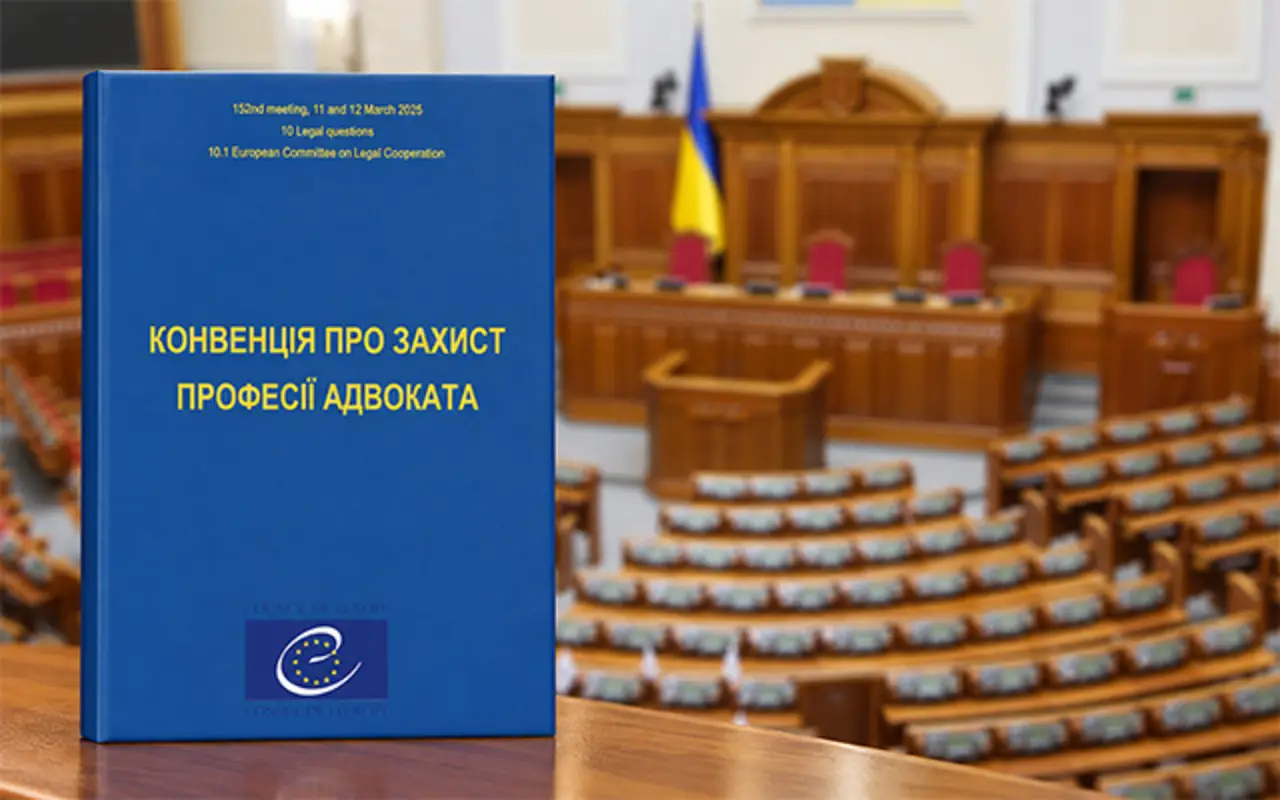
A bill implementing the Convention on the Protection of the Professions of Lawyer has been introduced
The constitutional guarantees of legal aid, defense, and the independence of advocacy cannot be realized without protecting advocates from unwarranted interference in their professional activities, including searches, the seizure of professional materials and the use of criminal procedural mechanisms to exert pressure.
Discussion
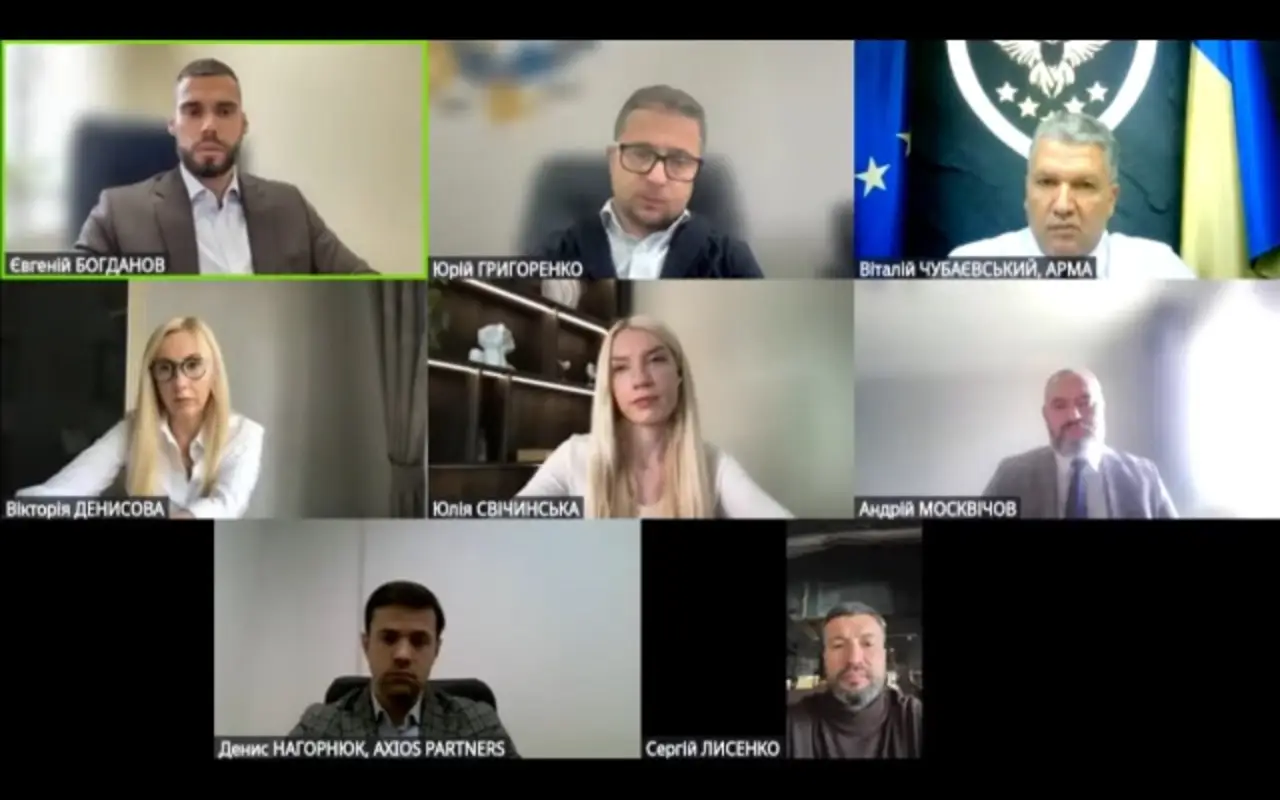
War-related business losses: from documenting damage to seeking sources of compensation
How can businesses document war-related losses without losing evidence during the recovery process? What does an insurance policy actually cover, and where can assets be found for recovery? These are the questions facing businesses for which a court ruling does not yet mean actual compensation.
Abroad
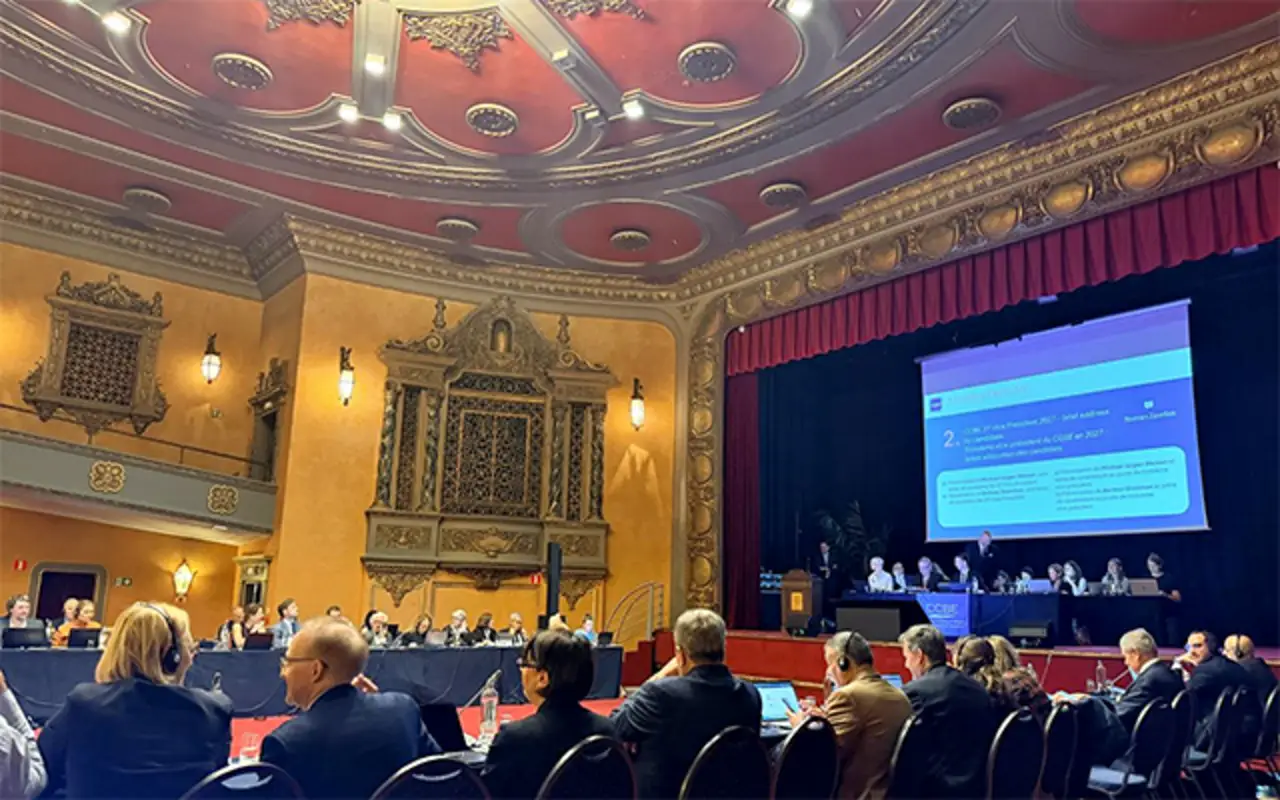
The CCBE is discussing European justice and issues related to the protection of advocates
Today, October 2, a meeting of the Standing Committee of the Council of Bars and Law Societies of Europe (CCBE) is taking place in Brussels. On the agenda are the protection of the advocate profession, the rule of law, attorney-client privilege, and changes in the European justice system.
Rule of Law Roadmap
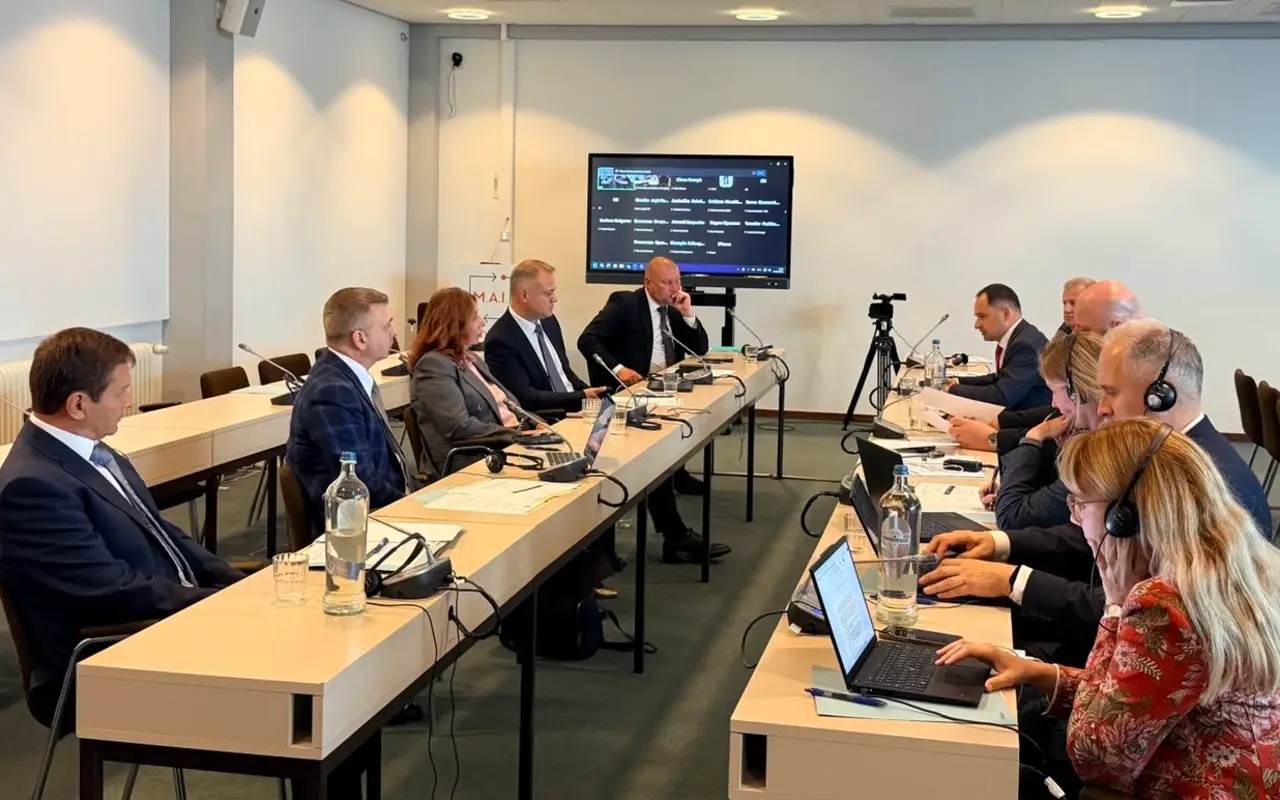
The UNBA presented the key provisions of the future law on advocacy in Brussels
The Ukrainian National Bar Association presented its proposals for the upcoming law on advocacy, aligned with the Rule of Law Roadmap. The presentation covered topics such as access to the profession, self-governance, disciplinary procedures, professional development and guarantees for the practice of advocacy.

Discussion
First the return of assets, then subsidiary liability — an opinion
In bankruptcy cases, the legal entity’s ability to preserve and restore the financial foundation of its operations requires legal protection. In this regard, the right to solvency in which the legal entity is the aggrieved party should be an independent object of legal protection.
Educational events
Advocates were taught to voice their complaints without making accusations
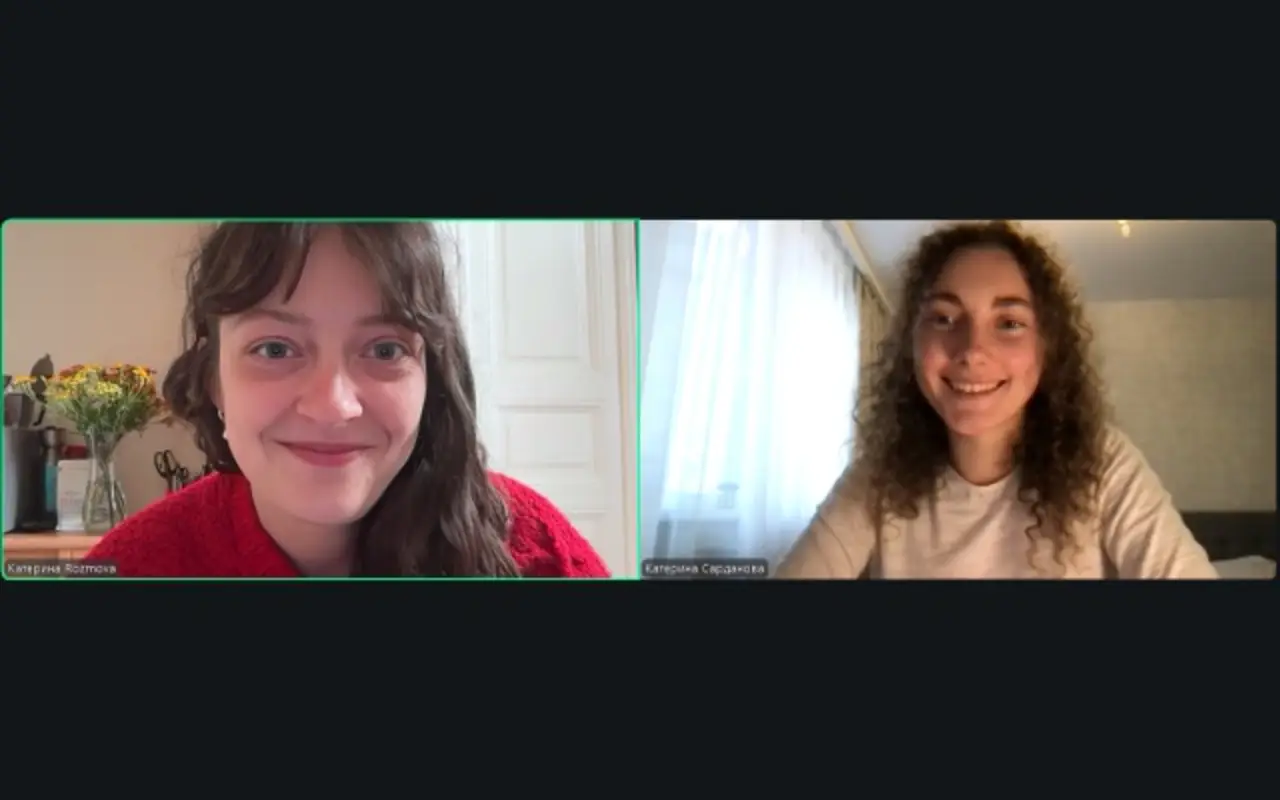
In a difficult conversation, it’s easy to confuse facts with opinions, feelings with accusations, and requests with demands. How can you express dissatisfaction, explain your own needs, and propose a specific solution while still allowing your conversation partner the opportunity to refuse or suggest an alternative?
Publications

Vasyl Kolishnyi, «Law and Business» Supporting mental health should become part of the professional culture of the Bar, - H. Udovenko

Volodymyr Matsko Extradition during wartime: when the risks outweigh the request

Volodymyr Matsko Extradition as a systemic form of rights violations

Victoria Yakusha, Law and Business The anti-corruption vertical cannot «take care» of the Bar as an institution, - acting head of the HQDCB

Censor.net Protecting advocates – protecting justice: addressing concerns about the new law

Ihor Kolesnykov A BRIEF SUMMARY REGARDING THE APPLICATION OF THE ORDER ON EXTENDED CONFISCATION IN LATVIA REGARDING FINANCIAL ASSETS OF…

Valentyn Gvozdiy WORKING IN A WAR ZONE

Lydia Izovitova Formula of perfection

