


The Sixth Administrative Court of Appeal recognized illegal the issuing of extracts from the SRAU by an unauthorized Bar Council of Kyiv
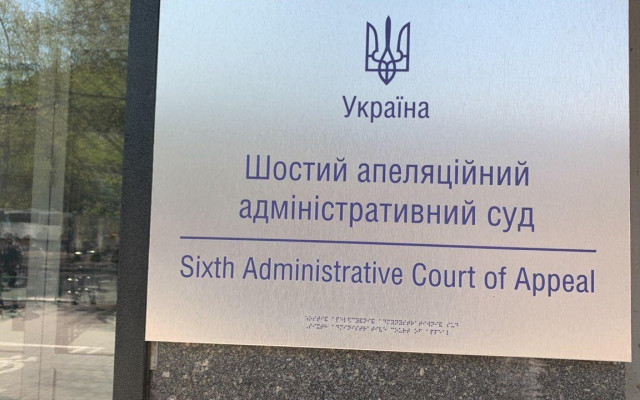
The Sixth Administrative Court of Appeal recognized illegal the issuing of extracts from the SRAU by an unauthorized Bar Council of Kyiv. The court also acknowledged legal the refusal to submit data to the SRAU on the basis of an extract issued by the authorized council of advocates of Kyiv
The resolution was adopted on June 12, 2019, under the appeal of the UNBA to the decision of the District Administrative Court of Kyiv of December 28, 2018 in the case of an administrative case of an individual to the UNBA. The third person in the case was the Bar Council of Kyiv.
The District Administrative Court of Kyiv, by its decision of December 28, 2018, recognized unlawful the exclusion of public information on a advocate-plaintiff in the Single Register of Advocates of Ukraine and ordered UNBA to restore information about it in public on the official website of the Ukrainian National Bar Association.
At the appellate instance, UNBA appealed against such a decision, indicating that the provision of extracts from the SRAU by the first level administrator - the Bar Council of Kyiv - without their confirmation by the BCU with the display on the UNBA website in general is to provide inaccurate information and is contrary to Art. 17 of the Law of Ukraine "On the Bar and Advocacy", which corresponds to the legal conclusions of the Grand Chamber of the Supreme Court, set forth in the resolution dated November 7, 2018 in the case No. 607/3128/16-ц.
The panel of judges of the Court of Appeal revoked the decision of the District Administrative Court of Kyiv of December 28, 2018 and adopted a new ruling refusing to satisfy the administrative claim to the UNBA.
During the consideration of the case in the court of appeals it was established that an extract from the SRAU series AA No. 004650 dated August 10, 2016 (the time of formation of the extract 11:05), was formed and signed by the Head of the Bar Council of Kyiv Rafalska I.V., to which the plaintiff refers, does not confirm the completion of the aforementioned legally established procedure for the introduction of information about an advocate to the SRAU and their disclosure on the official website of the UNBA as active and open, but indicates that the regional council has made certain actions as the first level administrator. Consequently, such an excuse, in the sense of the requirements of the CAP of Ukraine, is inappropriate and inadmissible evidence of the subject of evidence in this case.
"System analysis of the set legal norms gives grounds to assert that the legislation regulates a two-stage procedure for the introduction of advocates' data to the SRAU: the first level administrator - the Council of Advocates of the region and the second level administrator - the BCU, which is authorized to exercise control over the activities of the advocates of the regions for data entry to SRAU, providing extracts from SRAU and ensuring the maintenance of the official website of UNBA. At the same time, only after the BCU's approval of the data submitted to the SRAU by the bar council of the region, they acquire the status of the information, become active and open and subject to disclosure on the official website of the UNBA", - the court ruling says. At the same time, the court refers to the ruling of the Grand Chamber of the Supreme Court dated November 7, 2018 in the case No. 607/3128/16-ц.
Also, the panel of judges notes that at the moment of the petition of the plaintiff to the Bar Council of Kyiv with a statement on the submission to the SRAU of the data about him, namely on June 13, 2016, BCU had already adopted the decision No. 156 dated June 11, 2016, which was precluded precisely the Bar Council of Kyiv to provide information on persons who have received certificates of the right to practice law on the basis of certificates of completion of the qualification examination issued by the non-authorized body - the QDBC starting from November 12, 2012. The specified prohibition extended to the submission of information about the plaintiff to the SRAU by the Bar Council of Kyiv.
In accordance with the requirements of Law No. 5076-VI, the BCU decision No. 156 dated June 11, 2016 was obligatory for the said bar council of the region to be implemented, and it was authorized by the BCU to exercise control over the activities of bar councils of the regions, that is, the Bar Council of Kyiv, concerning data entry to SRAU and provision of extracts from SRAU.
The plaintiff in the case did not provide any evidence to confirm that the decision No. 156 dated June 11, 2016 was unlawful and/or canceled.
"Taking into account the foregoing, taking into account the legal position of the Supreme Court, set forth in the resolution of November 8, 2018, the panel of judges came to the conclusion that there was no legal basis for the satisfaction of the claim, since information about the plaintiff in general was not subject to submission by the Bar Council of Ukraine to the SRAU, and in case of their discovery - were subject to immediate removal by the Bar Council of Ukraine as administrator of the second level", - stated in the court ruling.
The decision came into force from the date of its adoption and may be appealed within thirty days from the date of the complete court decision is issued by submitting a cassation appeal to the Supreme Court.
Popular news
Legislation
A bill implementing the Convention on the Protection of the Professions of Lawyer has been introduced
The constitutional guarantees of legal aid, defense, and the independence of advocacy cannot be realized without protecting advocates from unwarranted interference in their professional activities, including searches, the seizure of professional materials and the use of criminal procedural mechanisms to exert pressure.
Rule of Law Roadmap
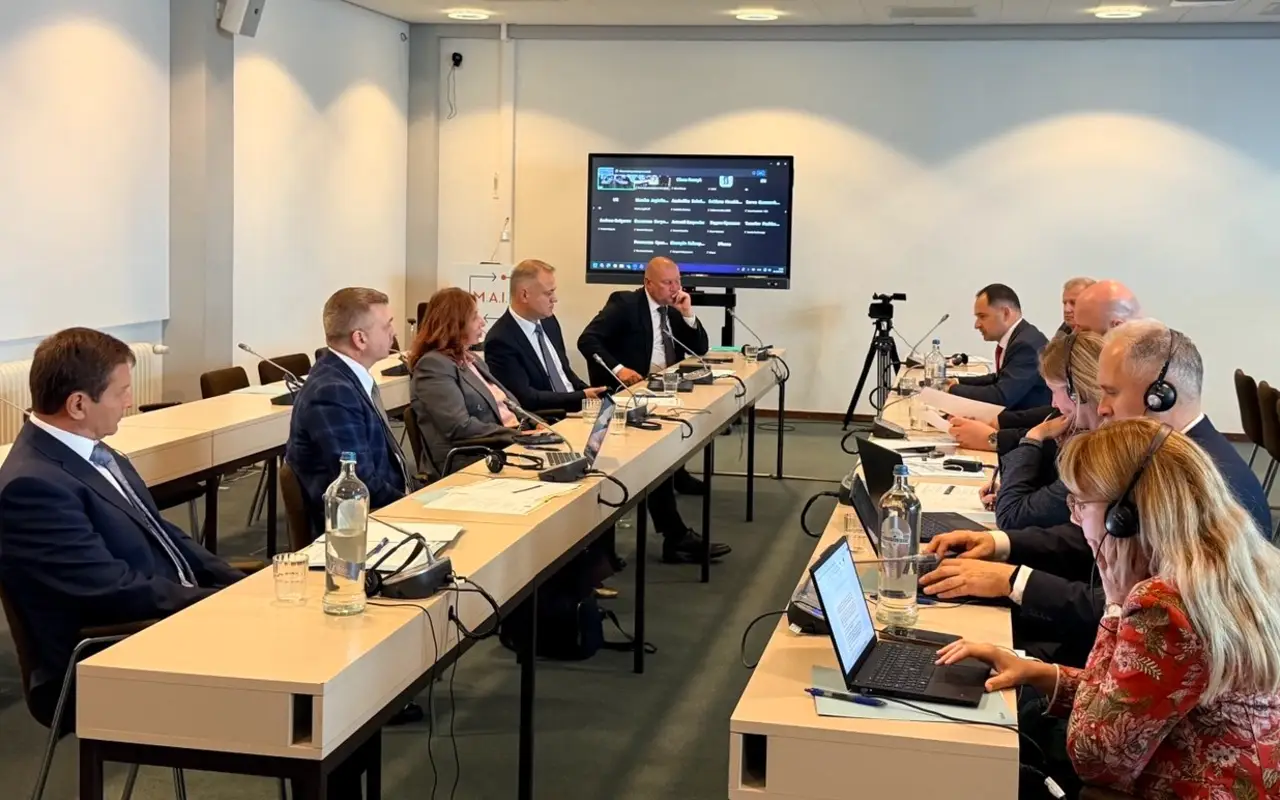
The UNBA presented the key provisions of the future law on advocacy in Brussels
The Ukrainian National Bar Association presented its proposals for the upcoming law on advocacy, aligned with the Rule of Law Roadmap. The presentation covered topics such as access to the profession, self-governance, disciplinary procedures, professional development and guarantees for the practice of advocacy.
Guarantees of the practice of law
Independent oversight is necessary before using CISA materials against an advocate – Lidiya Izovitova
Before the prosecution uses information obtained during covert investigative actions and related to an advocate’s activities, independent procedural oversight must be conducted. It is necessary to determine whether such information is covered by attorney-client privilege and whether it may be disclosed.
Self-government
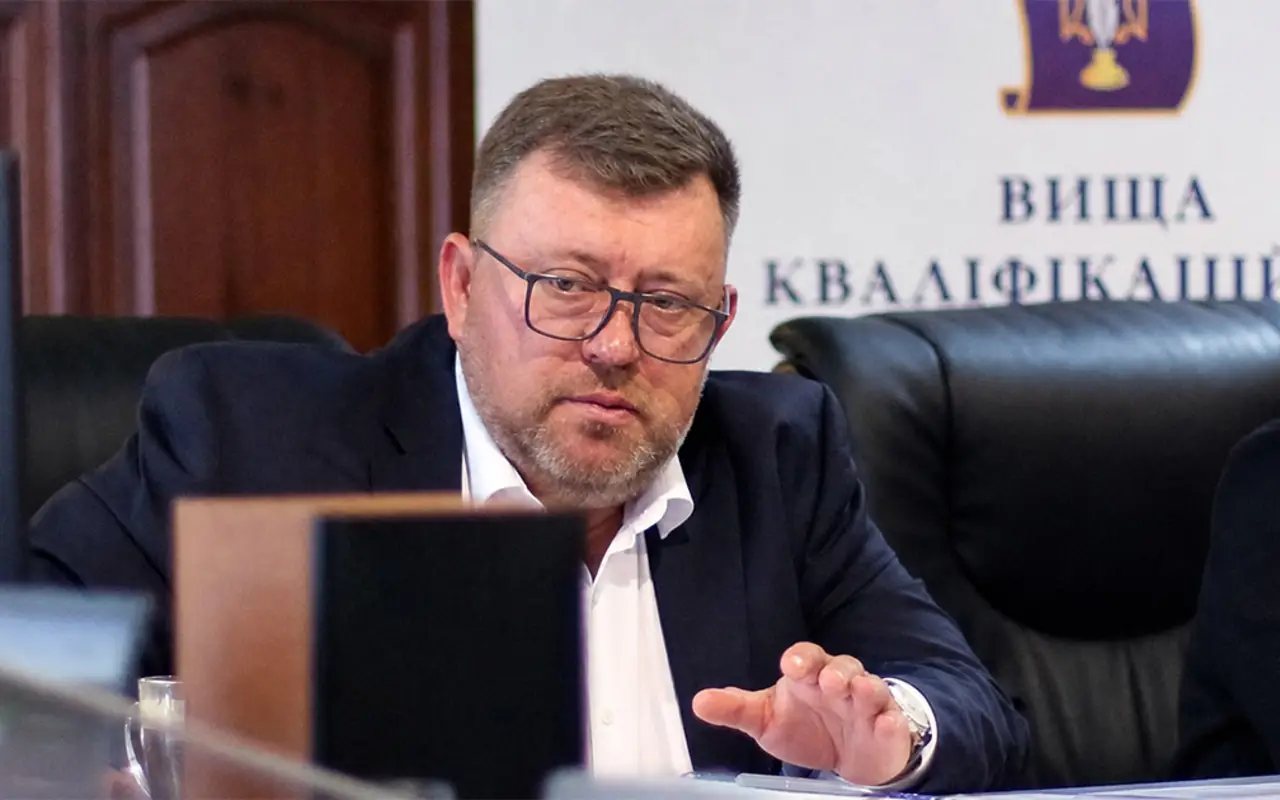
Efforts to develop advocacy must be brought to fruition — A. Misyats
The Ukrainian advocacy profession is currently going through a critical phase. Amid the war, it must ensure the continuity of legal aid, defend the independence of the profession, and improve qualification and disciplinary procedures in accordance with European standards. The work that has been started must be brought to a practical conclusion.
Support
Protecting the legal profession, cybersecurity and support for advocates: common themes for the IBA and the UNBA
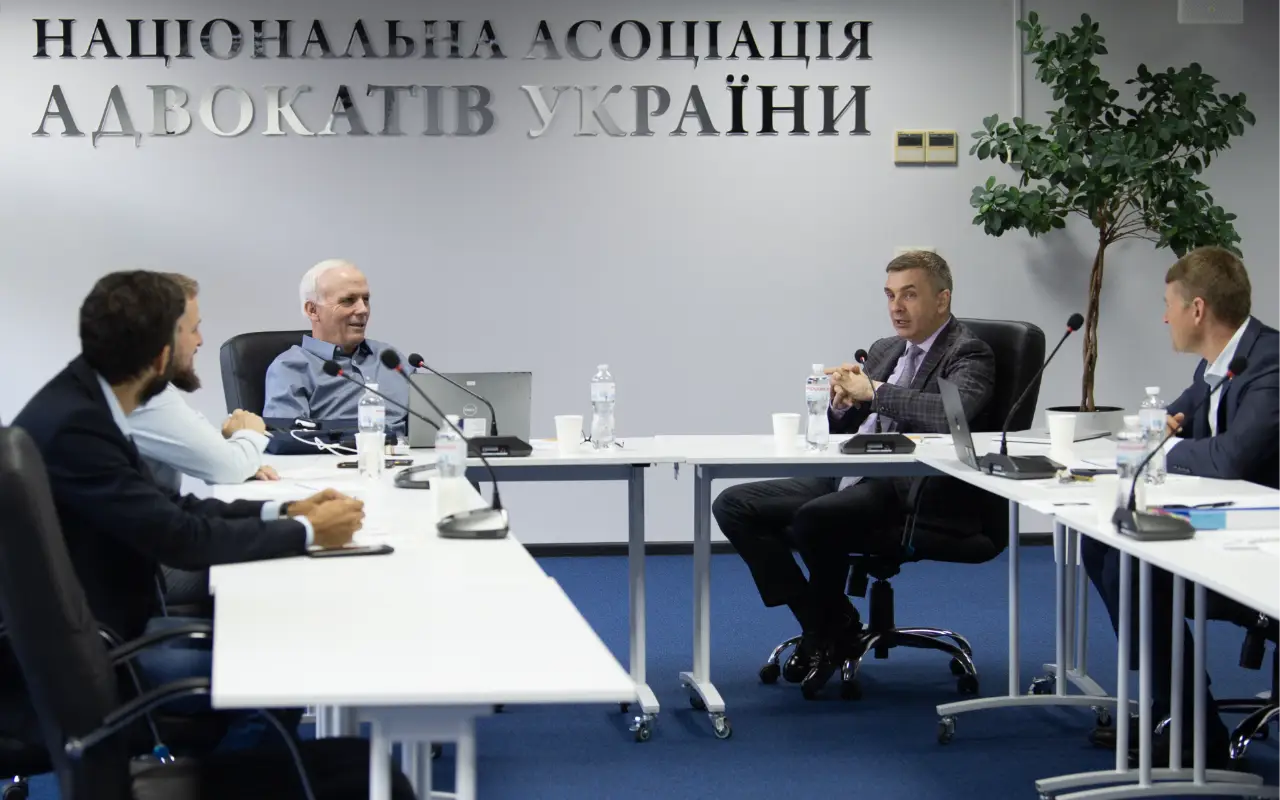
On September 18, a working meeting was held at the office of the Ukrainian National Bar Association with Executive Director of the International Bar Association (IBA) Mark Ellis. The parties discussed the Ukrainian advocacy profession’s participation in European legal processes, the protection of the UNBA’s digital infrastructure, psychological support for advocates and future areas of cooperation.
Educational events
Tax residency of Ukrainians abroad: what matters
The determination of tax residency for Ukrainians who have been living abroad for an extended period depends on the combination of their personal and economic ties to each country. The established status determines the procedure for reporting income, paying taxes and fulfilling CFC reporting obligations.
Discussion
When working with sole proprietorships leads to business fragmentation: criteria and recommendations
What criteria do regulatory and law enforcement agencies use to identify artificial business fragmentation? How does this model differ from franchising? And when can tax optimization lead to criminal liability?
War
Are Europe's advocacy associations prepared for a potential war? V. Gvozdiy shared lessons from the Ukrainian experience
The continuity of the bar’s self-governance, the protection of professional registries and archives, as well as equal guarantees of employment for advocates, judges, and prosecutors must be enshrined in advance in legislation in the event of war or another emergency.
Publications

Vasyl Kolishnyi, «Law and Business» Supporting mental health should become part of the professional culture of the Bar, - H. Udovenko

Volodymyr Matsko Extradition during wartime: when the risks outweigh the request

Volodymyr Matsko Extradition as a systemic form of rights violations

Victoria Yakusha, Law and Business The anti-corruption vertical cannot «take care» of the Bar as an institution, - acting head of the HQDCB

Censor.net Protecting advocates – protecting justice: addressing concerns about the new law

Ihor Kolesnykov A BRIEF SUMMARY REGARDING THE APPLICATION OF THE ORDER ON EXTENDED CONFISCATION IN LATVIA REGARDING FINANCIAL ASSETS OF…

Valentyn Gvozdiy WORKING IN A WAR ZONE

Lydia Izovitova Formula of perfection