


On April 28, 2020 the law "On Prevention and Counteraction to Legalization (Laundering) of Proceeds from Crime" comes into force, making advocates the subjects of financial monitoring

On April 28, the Law of Ukraine “On Prevention and Counteraction to Legalization (Laundering) of Proceeds from Crime, Financing of Terrorism and Financing of Proliferation of Weapons of Mass Destruction” No. 361-IX (except for the third paragraph of sub-item 9 of item 6 of Section X) enters into force.
Law firms, bar associations and lawyers who practice law individually are specially designated subjects of primary financial monitoring. The persons who provide the services in the framework of employment shall however constitute an exception.
It is established that law firms, bar associations, lawyers who practice law individually may not perform their duties to properly inspect the client and not to notify the specially authorized body of their suspicions in the case of providing services to protect the client, his interests in judicial bodies and in cases of pre-trial settlement of disputes or provision of consultations on protection and representation of the client (part three). However, this exception shall only apply to the following types of responsibilities:
1) carrying out a proper inspection of the client (paragraph 34 of Article 1, Article 11);
2) notifying the specially authorized body of its suspicions.
A necessary condition for the application of this provision is:
1) implementation of client protection;
2) representation of the client's interests in court;
3) representation of the client's interests in pre-trial dispute resolution;
4) providing advice on client protection and representation.
Thus, in all other cases, law firms, bar associations, lawyers who practice law individually, are obliged to carry out a proper examination of the client and notify the specially authorized body of their suspicions.
«For lawyers, the law contains a number of regulations, violation of which may lead to administrative or criminal prosecution. On the other hand, improper compliance with the requirements of this Law, not consistent with the provisions of the Law of Ukraine "On the Bar and Practice of Law", may be grounds for disciplinary action (in violation of legal secrecy) up to deprivation of the right to engage in such professional activities,» - stated in the article of the Head of UNBA Committee on Legal Aid Oleksandr Drozdov «Advocate - the subject of primary financial monitoring and other topical issues of Law No. 361-IX».
The law significantly expanded the list of responsibilities of the subjects of primary financial monitoring, which include lawyers, adding the following items:
- ensuring proper organization and conducting primary financial monitoring to identify possible borderline and suspicious financial transactions;
- ensuring the functioning of an appropriate risk management system and the application of a risk-oriented approach;
- inspection of new and existing clients, monitoring of the client's financial transactions;
- informing the specially authorized bodies about suspicious financial transactions or attempts to conduct them regardless of the amount immediately after the suspicion or sufficient grounds for suspicion, as well as the differences between the information about the ultimate beneficiaries of the client's owners contained in the Unified State Register of Legal Entities, Individuals - Entrepreneurs and Public Formations, and information obtained as a result of proper customer due diligence, no later than the tenth working day of the month following the month in which the discrepancies were identified.
From now on, when checking the client, it is necessary to ensure constant updating of data, documents and information about the client, its ultimate beneficiary, establishing the purpose and nature of future business relationships.
Lawyers should note that the new Law has increased the amount of threshold transactions that must be notified to the State Financial Monitoring Service of Ukraine (SFMS) within three days.
Threshold transactions are those the amount of each of which is equal to or exceeds UAH 400 000,00 (previously - UAH 150 000,00 inclusive), and for businesses that provide services in the field of lotteries and/or gambling - UAH 30 000,00, or the equivalent of these amounts in foreign currency, bank metals, other assets at the time of such transaction, and which are related to the circulation of cash (deposit, transfer, receipt of funds (loans), transfer of money abroad (including offshore zones defined by the Cabinet of Ministers of Ukraine), as well as politically significant persons (including members of their families and/or related persons), clients from states that do not follow the recommendations of international, intergovernmental organizations engaged in anti-legalization sphere.
At the same time, the subjects of primary financial monitoring have the obligation to immediately report suspicious transactions or attempts to conduct them, regardless of their amount.
Suspicious in this context are transactions in respect of which the financial monitoring entity has a suspicion or grounded reason to suspect that they are the result of criminal activity or are related to or involve the financing of terrorism or the financing of the proliferation of weapons of mass destruction.
The law introduces a new concept - "freezing of assets" related to terrorism and its financing, proliferation of weapons of mass destruction and their financing. The subject of primary financial monitoring is obliged to freeze the client’s assets if he suspects their illegal origin or possible illegal purpose of their use, and simultaneously with the freezing of such assets - to notify the SFMS and the Security Service of Ukraine. After the assets are frozen, an advocate must notify the client in writing, at a written request of the latter. Asset freezing should be understood as a ban on the transfer, conversion, placement, movement of assets related to terrorism and its financing, proliferation of weapons of mass destruction and their financing, based on UN Security Council resolutions, decisions of foreign countries, courts. Valentyn Hvozdii talks over the impact of the newly adopted law on ordinary citizens in a publication for Fakty newspaper.
Financial monitoring allows primary financial monitoring subjects to verify the legality of the transactions with which they operate and for which they are responsible. Every professional is primarily interested in providing quality services to their clients. Regarding accountants and entities providing accounting services, state regulation and supervision in the field of prevention and counteraction are carried out by the SFMS. Therefore, such persons should inspect the financial transactions of their clients and notify the supervisory authority of suspicious transactions.
According to the provisions of the law, financial transactions are suspicious if they meet at least one of the following characteristics:
• Are conducted in an unusual way;
• Are complex financial transactions;
• Are significant;
• Have no obvious legal or economic purpose.
Popular news

Guarantees of the practice of law
Guarantees for advocacy without protective measures: proposed changes to the codes
The current law sets forth the rights and guarantees of the legal profession, but lacks the tools to protect them. The future law on advocacy is intended to fill this gap through amendments to criminal, administrative and procedural legislation.
Legislation
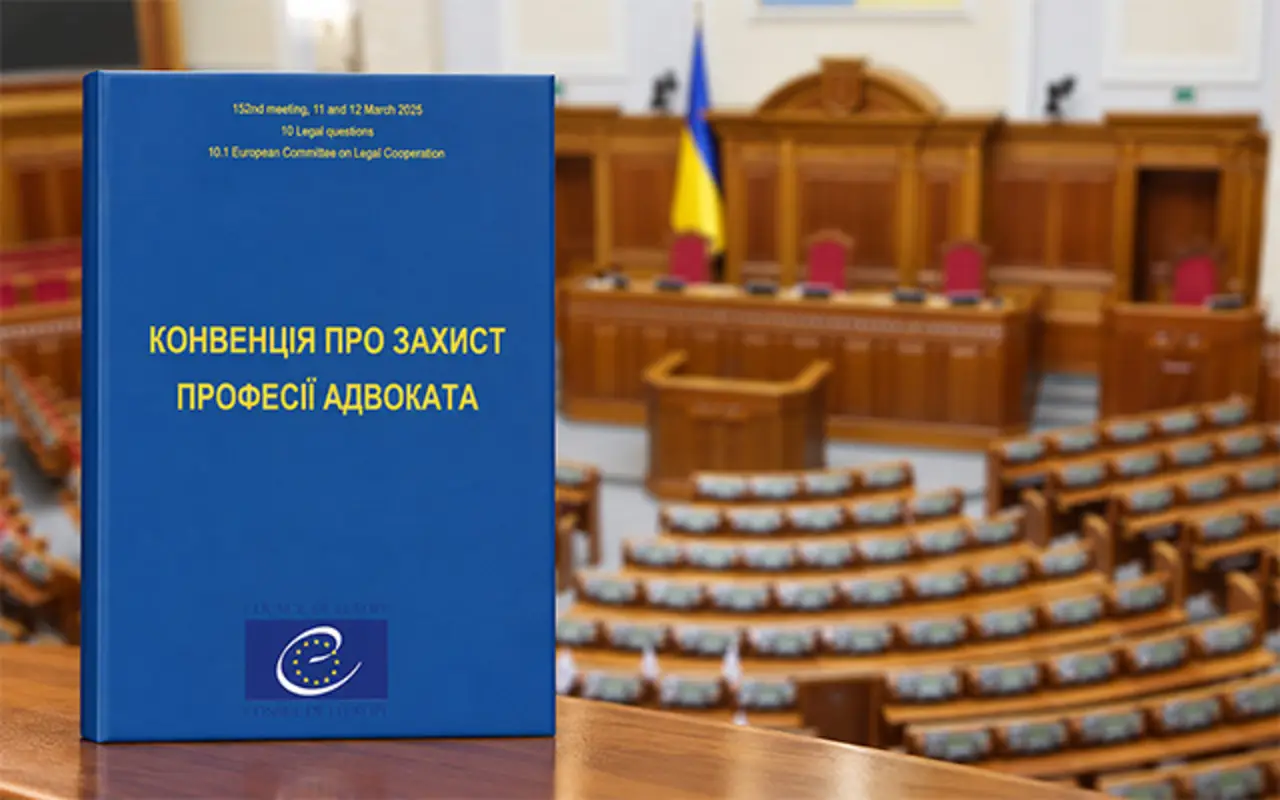
A bill implementing the Convention on the Protection of the Professions of Lawyer has been introduced
The constitutional guarantees of legal aid, defense, and the independence of advocacy cannot be realized without protecting advocates from unwarranted interference in their professional activities, including searches, the seizure of professional materials and the use of criminal procedural mechanisms to exert pressure.
Abroad
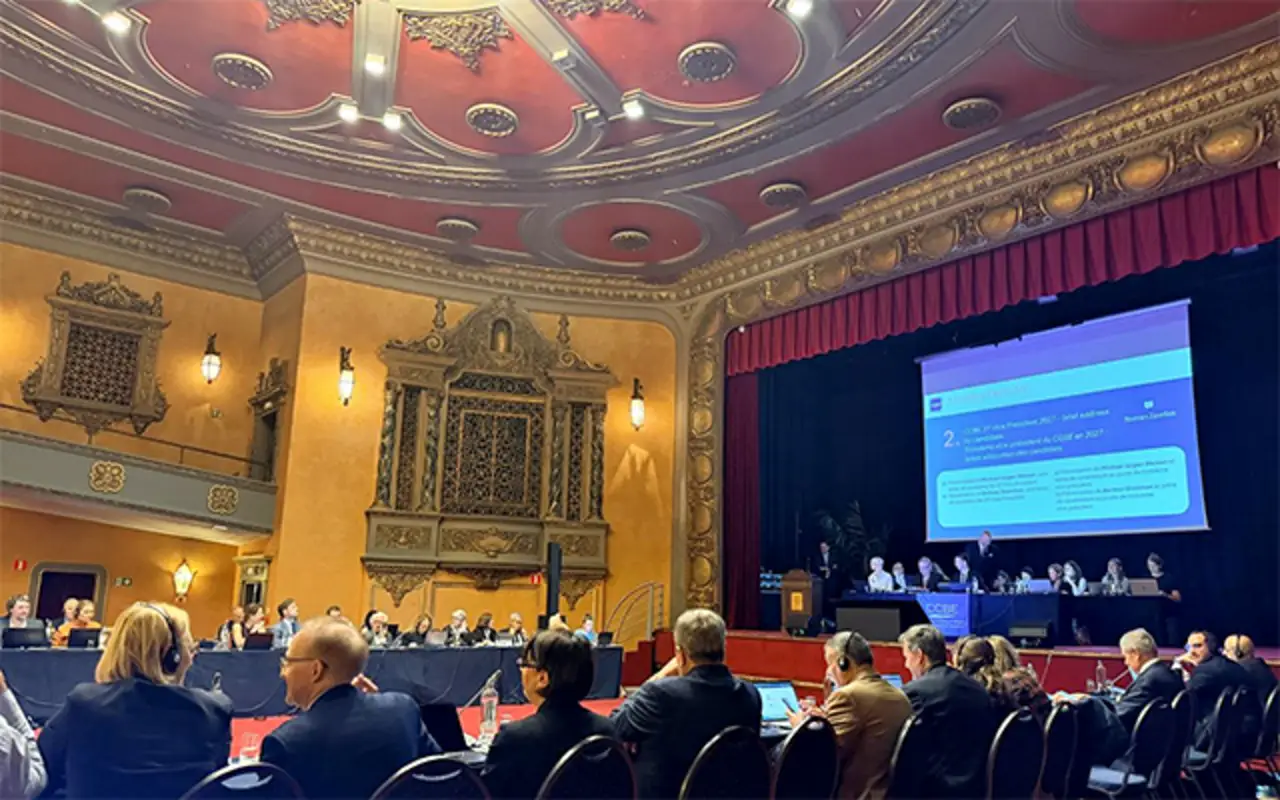
The CCBE is discussing European justice and issues related to the protection of advocates
Today, October 2, a meeting of the Standing Committee of the Council of Bars and Law Societies of Europe (CCBE) is taking place in Brussels. On the agenda are the protection of the advocate profession, the rule of law, attorney-client privilege, and changes in the European justice system.
Rule of Law Roadmap
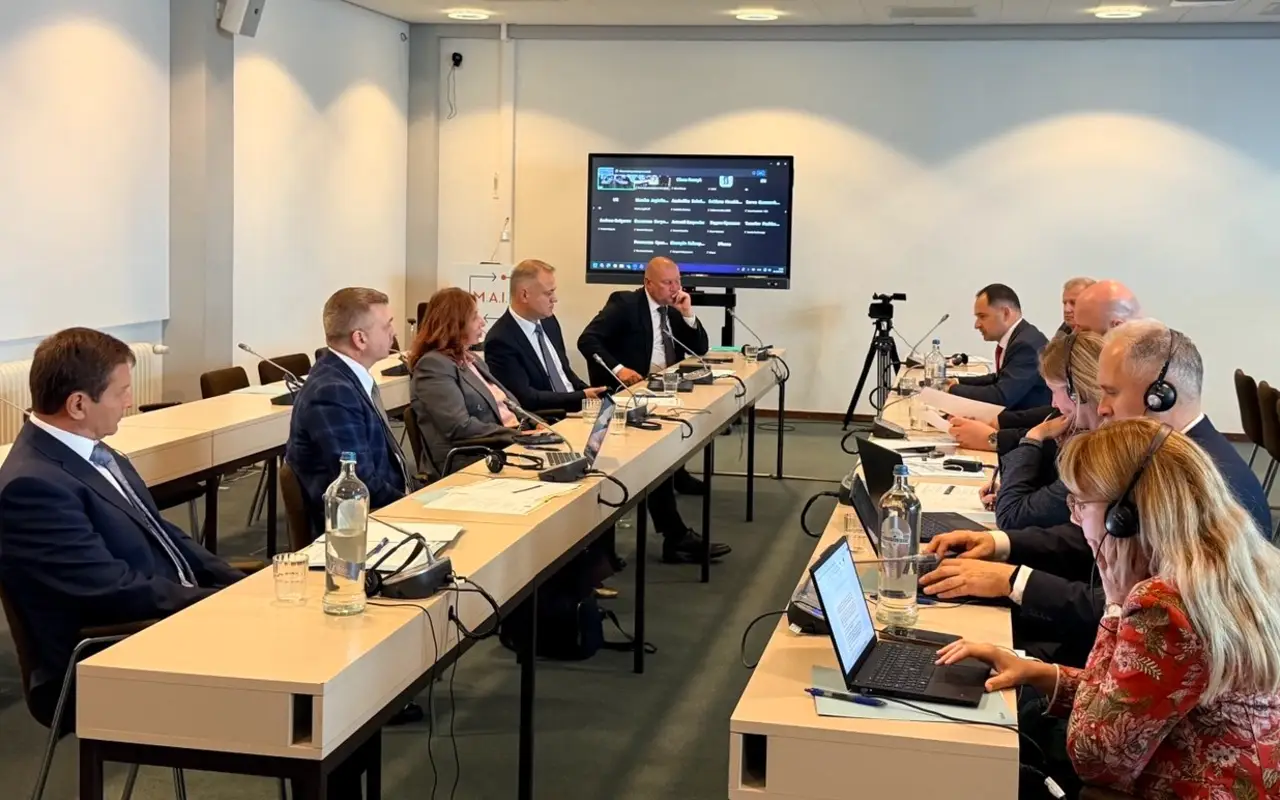
The UNBA presented the key provisions of the future law on advocacy in Brussels
The Ukrainian National Bar Association presented its proposals for the upcoming law on advocacy, aligned with the Rule of Law Roadmap. The presentation covered topics such as access to the profession, self-governance, disciplinary procedures, professional development and guarantees for the practice of advocacy.

Discussion
First the return of assets, then subsidiary liability — an opinion
In bankruptcy cases, the legal entity’s ability to preserve and restore the financial foundation of its operations requires legal protection. In this regard, the right to solvency in which the legal entity is the aggrieved party should be an independent object of legal protection.

Educational events
Advocates were taught to voice their complaints without making accusations
In a difficult conversation, it’s easy to confuse facts with opinions, feelings with accusations, and requests with demands. How can you express dissatisfaction, explain your own needs, and propose a specific solution while still allowing your conversation partner the opportunity to refuse or suggest an alternative?
Guarantees of the practice of law
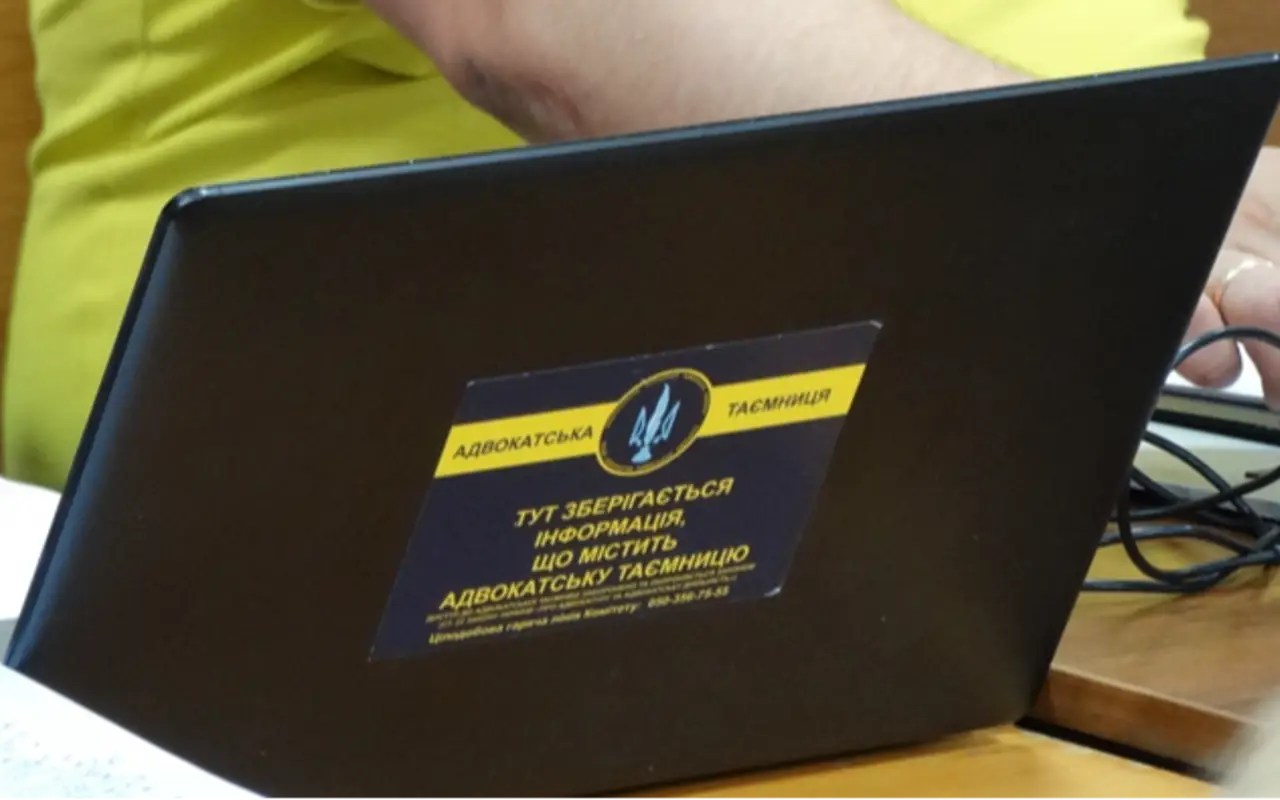
Search of an advocate's office after client's acquittal: criminal complaint filed
In Kyiv, law enforcement officers conducted a search of the home of an advocate who had defended a client acquitted by the court and seized materials from the advocate’s case file. The proceedings were initiated shortly after the acquittal, even though the document they were searching for was already included in the court case file.
Guarantees of the practice of law
The paradoxes of urgency: is it possible to investigate a crime before it is committed?
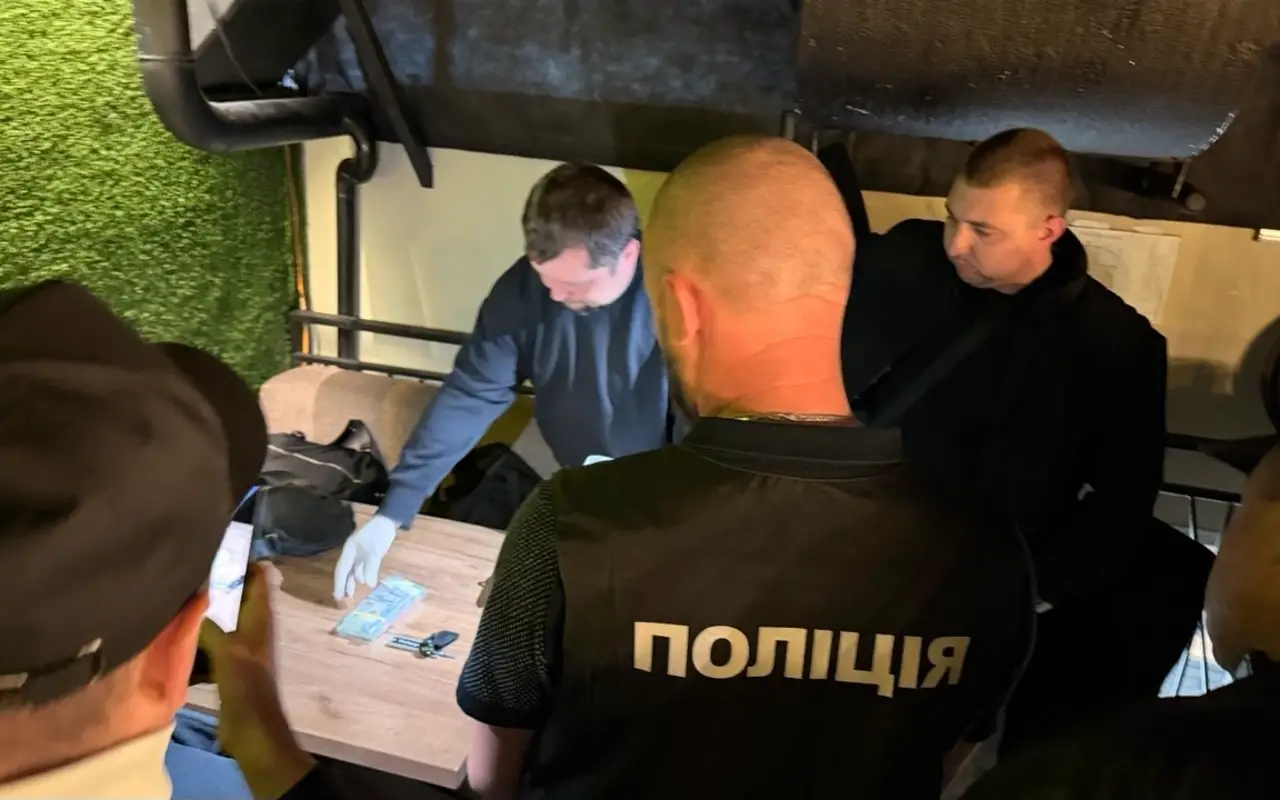
On September 24 in Kyiv, National Police officers detained an advocate during an emergency search, having caught him in the act of committing a crime. At the time, the pretrial investigation in this case had already been ongoing for more than four months.
Publications

Vasyl Kolishnyi, «Law and Business» Supporting mental health should become part of the professional culture of the Bar, - H. Udovenko

Volodymyr Matsko Extradition during wartime: when the risks outweigh the request

Volodymyr Matsko Extradition as a systemic form of rights violations

Victoria Yakusha, Law and Business The anti-corruption vertical cannot «take care» of the Bar as an institution, - acting head of the HQDCB

Censor.net Protecting advocates – protecting justice: addressing concerns about the new law

Ihor Kolesnykov A BRIEF SUMMARY REGARDING THE APPLICATION OF THE ORDER ON EXTENDED CONFISCATION IN LATVIA REGARDING FINANCIAL ASSETS OF…

Valentyn Gvozdiy WORKING IN A WAR ZONE

Lydia Izovitova Formula of perfection