


Notwithstanding the lockdown, in 2020 the Center for the Study of Advocacy and Law did not stop working - Iryna Vasylyk

In 2020 the Center for the Study of Advocacy and Law prepared and published two monographs and the annual wall illustrated calendar of the UNBA for 2021. 5 more collections on the history of advocacy are under development.
This was announced by the Head of the Center for the Study of Advocacy and Law of the UNBA Iryna Vasylyk during the Public Hearings of the UNBA Report for 2020 and the UNBA Development Strategy for 2021-2025. She stressed that despite quarantine restrictions during the pandemic last year, the Center's activities did not stop.
"The work of the Center is aimed at establishing and strengthening the institution of advocacy both in society and for the internal consolidation of lawyers," said Iryna Vasylyk.
Thus, in 2020 the monograph of Ms. Faizulina “The President of Ukrainian People's Republic Andriy Livytsky: Attorney and Politician in the Background of the Epoch" were published in the series "Advocates-Presidents", and which covers the life, political preferences, advocacy, state and public policy activity of the President of the Ukrainian People's Republic Andriy Livytsky, as well as the monograph of Mr. Savchuk "Law, economic and socio-political activities of Stepan Fedak (1861 - 1937)", which is the first in Ukrainian historiography comprehensive study of the biography and spheres of activity of Stepan Ivanovich Fedak - Ukrainian attorney, public figure, founder and head of national economic and humanitarian organizations in Ukraine.
In 2020, the Center for the Study of Advocacy and Law held 4 scientific events. The Center become the co-organizer of the International Scientific Conference "Ukraine in the context of modern challenges and threats" as well as a participant of the round table "Ukrainian Elite in Historical Retrospect", the International Scientific Online Conference "IX Interdisciplinary Humanitarian Readings" and the II International Scientific and Practical Conference “Advocacy of Ukraine: current state and prospects of development.”
Also, with the assistance of the Center, 17 scientific articles were published in various scientific journals last year.
In 2020, the Center actively conducted methodological and educational activities. An office-museum of the history of advocacy of Vinnytsia region was opened on the basis of the law faculty of Donetsk National University named after Vasyl Stus and stands were opened for the opening of cabinets-museums of the history of advocacy at the West Ukrainian National University (Ternopil) and at the Chortkiv Educational and Scientific Institute of Entrepreneurship and Business of the WUNU (Chortkiv) and others.
In addition, thanks to the grant program the participant of the UNBA History of Advocacy of Ukraine Project implemented by the Center for the Study of Advocacy and Law of the UNBA, Svitlana Potapenko completed an internship in Bucharest, Romania, as part of a scholarship from The Gerda Henkel Fellowship Program.
Summing up the report of the Center for the Study of Advocacy and Law of the UNBA for 2020, the Deputy Head of the UNBA, the BCU Valentyn Gvozdii expressed gratitude to the Head of the Center, Iryna Vasylyk, for the work done and noted that no educational institution in the world has such an educational center.
"Such work is not carried out by any bar that is known to me. This is such a systematic, in-depth work and we really appreciate what you are doing." - Valentyn Gvozdii said.
Popular news
Guarantees of the practice of law
Guarantees for advocacy without protective measures: proposed changes to the codes
The current law sets forth the rights and guarantees of the legal profession, but lacks the tools to protect them. The future law on advocacy is intended to fill this gap through amendments to criminal, administrative and procedural legislation.
Legislation
A bill implementing the Convention on the Protection of the Professions of Lawyer has been introduced
The constitutional guarantees of legal aid, defense, and the independence of advocacy cannot be realized without protecting advocates from unwarranted interference in their professional activities, including searches, the seizure of professional materials and the use of criminal procedural mechanisms to exert pressure.
Abroad
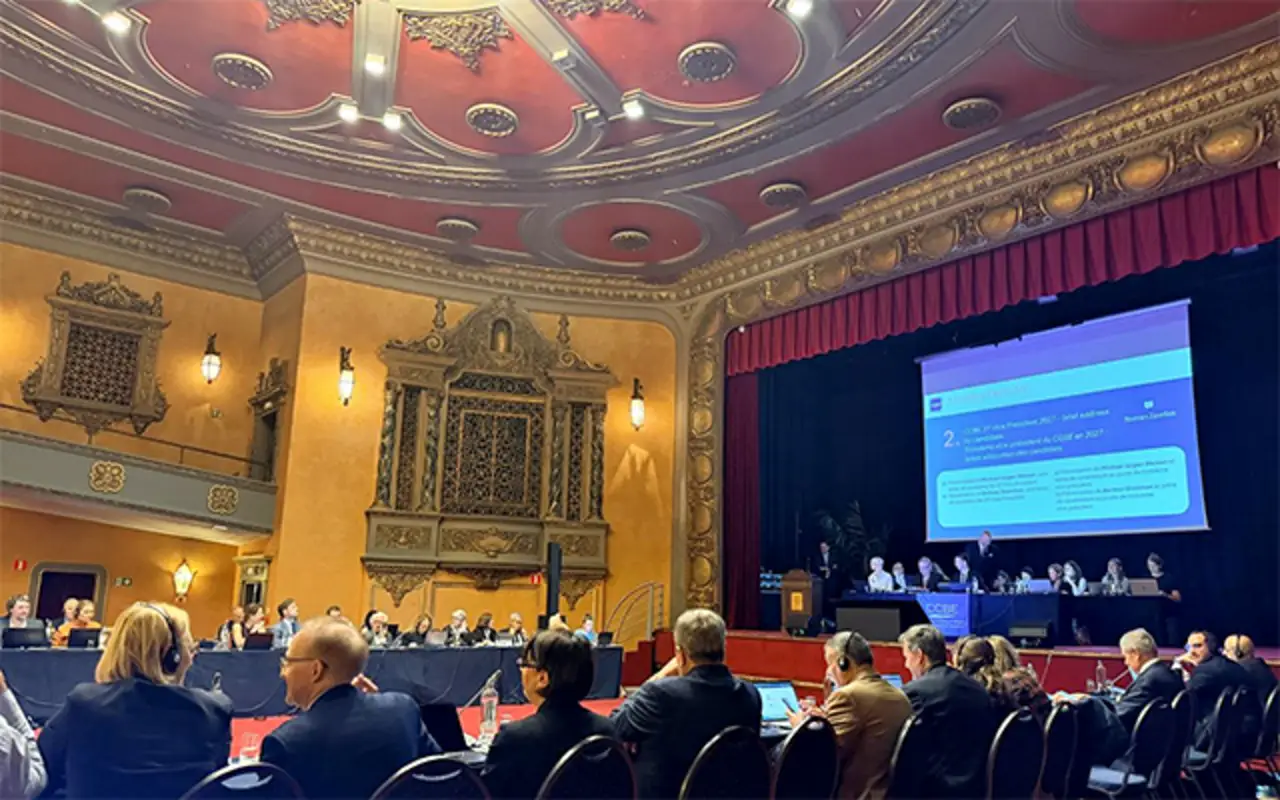
The CCBE is discussing European justice and issues related to the protection of advocates
Today, October 2, a meeting of the Standing Committee of the Council of Bars and Law Societies of Europe (CCBE) is taking place in Brussels. On the agenda are the protection of the advocate profession, the rule of law, attorney-client privilege, and changes in the European justice system.
Rule of Law Roadmap
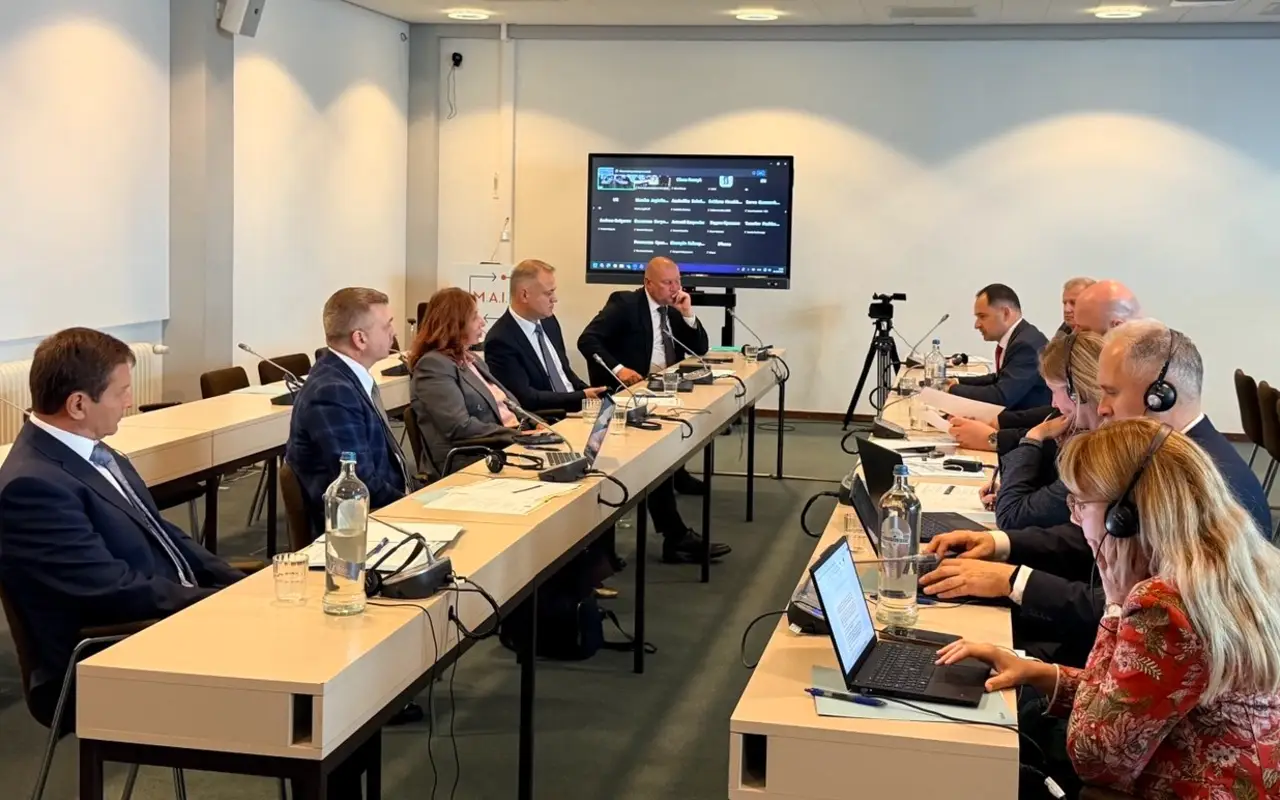
The UNBA presented the key provisions of the future law on advocacy in Brussels
The Ukrainian National Bar Association presented its proposals for the upcoming law on advocacy, aligned with the Rule of Law Roadmap. The presentation covered topics such as access to the profession, self-governance, disciplinary procedures, professional development and guarantees for the practice of advocacy.

Discussion
First the return of assets, then subsidiary liability — an opinion
In bankruptcy cases, the legal entity’s ability to preserve and restore the financial foundation of its operations requires legal protection. In this regard, the right to solvency in which the legal entity is the aggrieved party should be an independent object of legal protection.

Educational events
Advocates were taught to voice their complaints without making accusations
In a difficult conversation, it’s easy to confuse facts with opinions, feelings with accusations, and requests with demands. How can you express dissatisfaction, explain your own needs, and propose a specific solution while still allowing your conversation partner the opportunity to refuse or suggest an alternative?
Guarantees of the practice of law
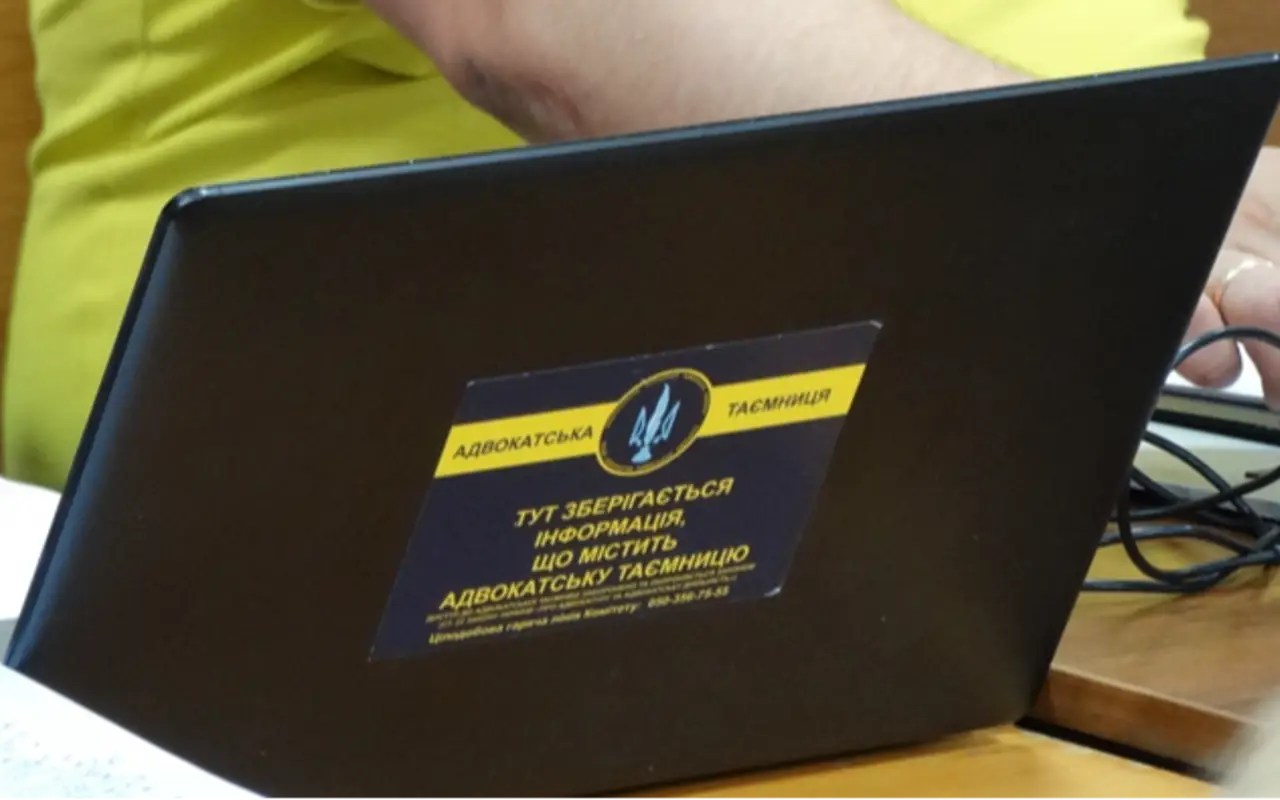
Search of an advocate's office after client's acquittal: criminal complaint filed
In Kyiv, law enforcement officers conducted a search of the home of an advocate who had defended a client acquitted by the court and seized materials from the advocate’s case file. The proceedings were initiated shortly after the acquittal, even though the document they were searching for was already included in the court case file.
Guarantees of the practice of law
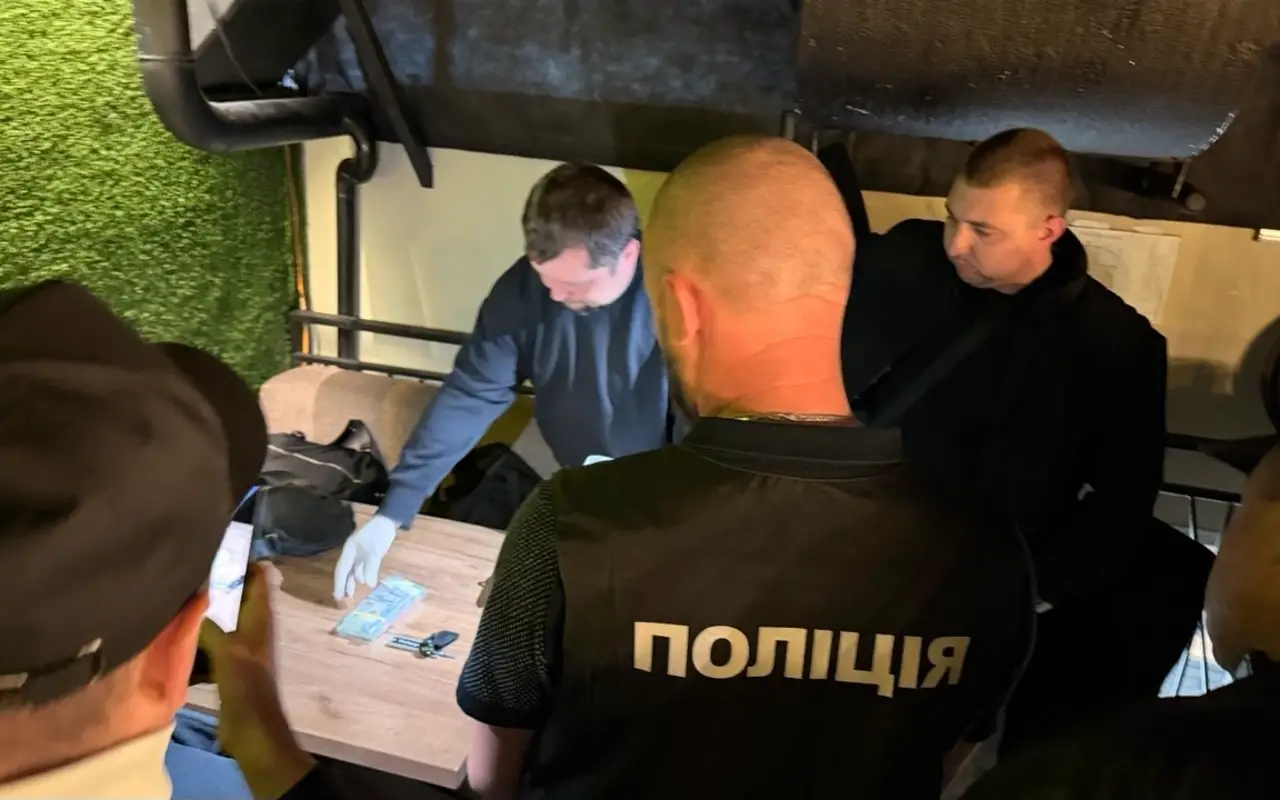
The paradoxes of urgency: is it possible to investigate a crime before it is committed?
On September 24 in Kyiv, National Police officers detained an advocate during an emergency search, having caught him in the act of committing a crime. At the time, the pretrial investigation in this case had already been ongoing for more than four months.
Publications

Vasyl Kolishnyi, «Law and Business» Supporting mental health should become part of the professional culture of the Bar, - H. Udovenko

Volodymyr Matsko Extradition during wartime: when the risks outweigh the request

Volodymyr Matsko Extradition as a systemic form of rights violations

Victoria Yakusha, Law and Business The anti-corruption vertical cannot «take care» of the Bar as an institution, - acting head of the HQDCB

Censor.net Protecting advocates – protecting justice: addressing concerns about the new law

Ihor Kolesnykov A BRIEF SUMMARY REGARDING THE APPLICATION OF THE ORDER ON EXTENDED CONFISCATION IN LATVIA REGARDING FINANCIAL ASSETS OF…

Valentyn Gvozdiy WORKING IN A WAR ZONE

Lydia Izovitova Formula of perfection