


Passports abroad: what should Ukrainians know?
Due to the hostilities in Ukraine, more than 180,000 Ukrainian citizens are in the UK. The Ukrainian consulates in the UK provide all kinds of support to Ukrainians, including passport issuance.
The procedure for issuing Ukrainian passport documents at consular offices was explained at a webinar organized by the UNBA representative in Scotland, the United Kingdom of Great Britain and Northern Ireland together with the Consulate of Ukraine in Edinburgh.
Thus, in Edinburgh alone, in 2023, the Consulate of Ukraine issued more than 3,000 passports, and in the first quarter of this year, more than 500 applications from Ukrainian citizens were accepted.
For the convenience of issuing passport documents, the Consulate of Ukraine in Edinburgh has been operating an electronic queue since last year. Currently, there are no vacancies until mid-June 2024. However, the modernization of the system has enabled Ukrainians to automatically move up the queue.
«The last update, which was made a few months ago, allowed our citizens to sign up for the waiting list. This means that if there are currently no places in the queue, our citizens can apply for passport documents by joining the waiting list. As soon as a suitable slot appears in the stationary queue, a person receives a message with the date and time of the free place. That is, now there is no need to stay awake at night and catch these slots», - said Andriy Kusliy, Consul - Acting Head of the Consulate of Ukraine in Edinburgh.
At the Consulate of Ukraine in Edinburgh, it is also possible to issue passports, including for children who do not yet have a passport of a citizen of Ukraine.
«In accordance with the Resolution of the Cabinet of Ministers of Ukraine No. 152 of 07.05.2014, you can submit a passport of a citizen of Ukraine or another identity document confirming your citizenship. Such a document can be either the passport itself or an old foreign passport. There is no unnecessary bureaucracy here, we just need to identify the child to issue new documents», - explained Yevhen Mankovskyi, Vice Consul of the Consulate of Ukraine in Edinburgh.
The Consulate of Ukraine in Edinburgh also reported that no new changes have been made to the procedure for mobilization activities, so the military accounting of the issuance of passports to Ukrainian citizens abroad does not apply.
«It is worth noting that according to the Resolution of the Cabinet of Ministers of Ukraine No. 1202 of 21.10.2022, passports in the form of a card or booklet, which expired 30 days before or after the start of a full-scale invasion, are valid documents until the end of martial law. However, if you still want to replace them, you need to contact the passport service, SE «Document» in Europe or the State Migration Service of Ukraine, or passport offices», - said Andriy Kusliy.
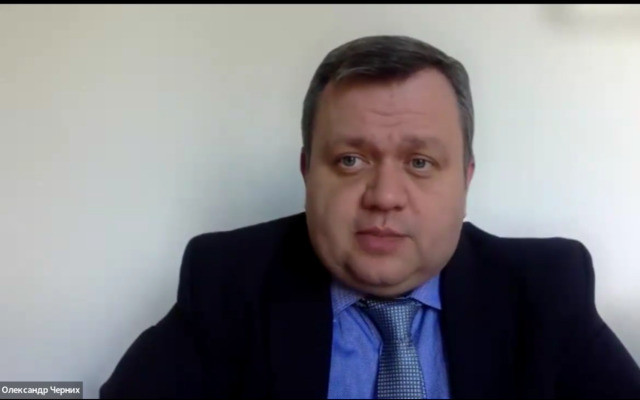
Finally, Oleksandr Chernykh, UNBA representative in Scotland, the United Kingdom of Great Britain and Northern Ireland, reminded that in May 2023, Ukraine became the first non-EU country to be included in the European Union's trust list. This means that Ukrainian electronic signatures and seals on digital documents will be automatically verified in EU member states and their validity confirmed. Ukrainians can sign European contracts, documents and applications using Diia.Signature-EU. This will open up new opportunities for Ukrainian entrepreneurs and businesses in the EU.
Popular news
Legislation
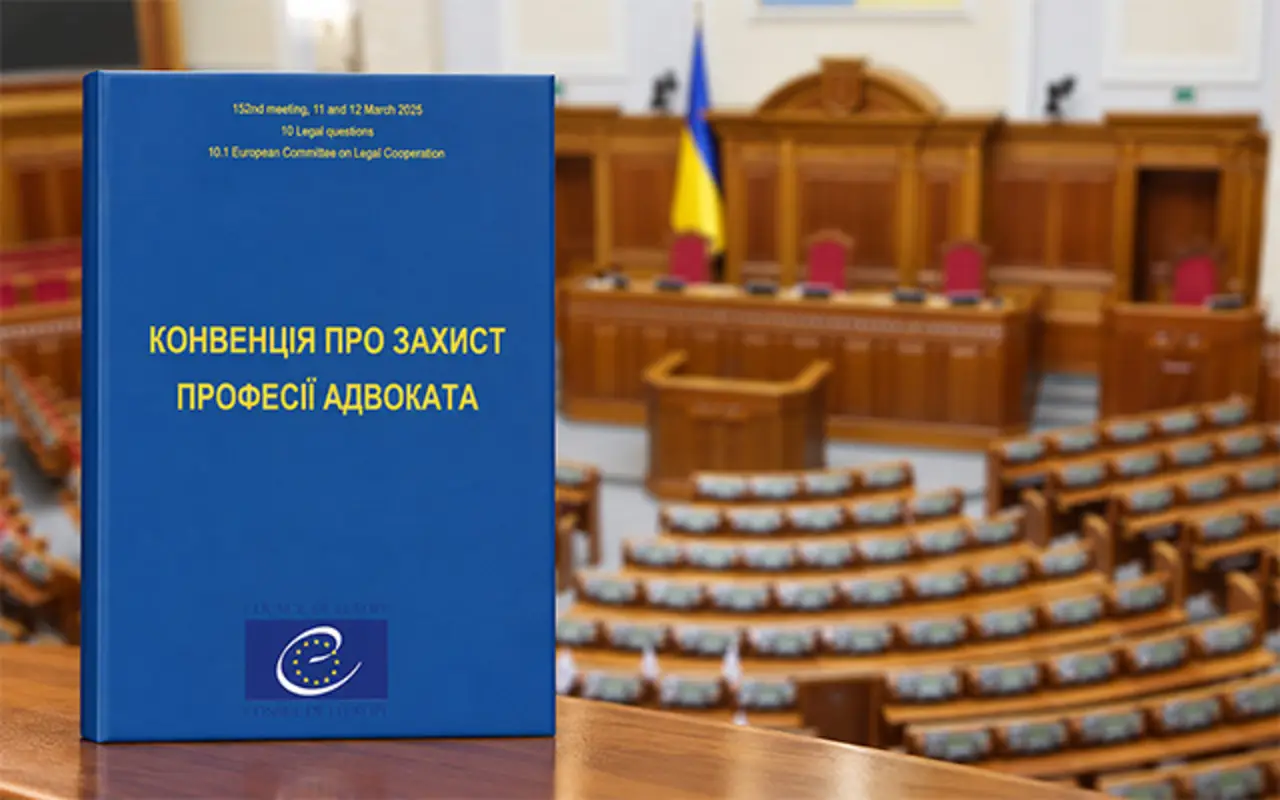
A bill implementing the Convention on the Protection of the Professions of Lawyer has been introduced
The constitutional guarantees of legal aid, defense, and the independence of advocacy cannot be realized without protecting advocates from unwarranted interference in their professional activities, including searches, the seizure of professional materials and the use of criminal procedural mechanisms to exert pressure.
Abroad
The CCBE is discussing European justice and issues related to the protection of advocates
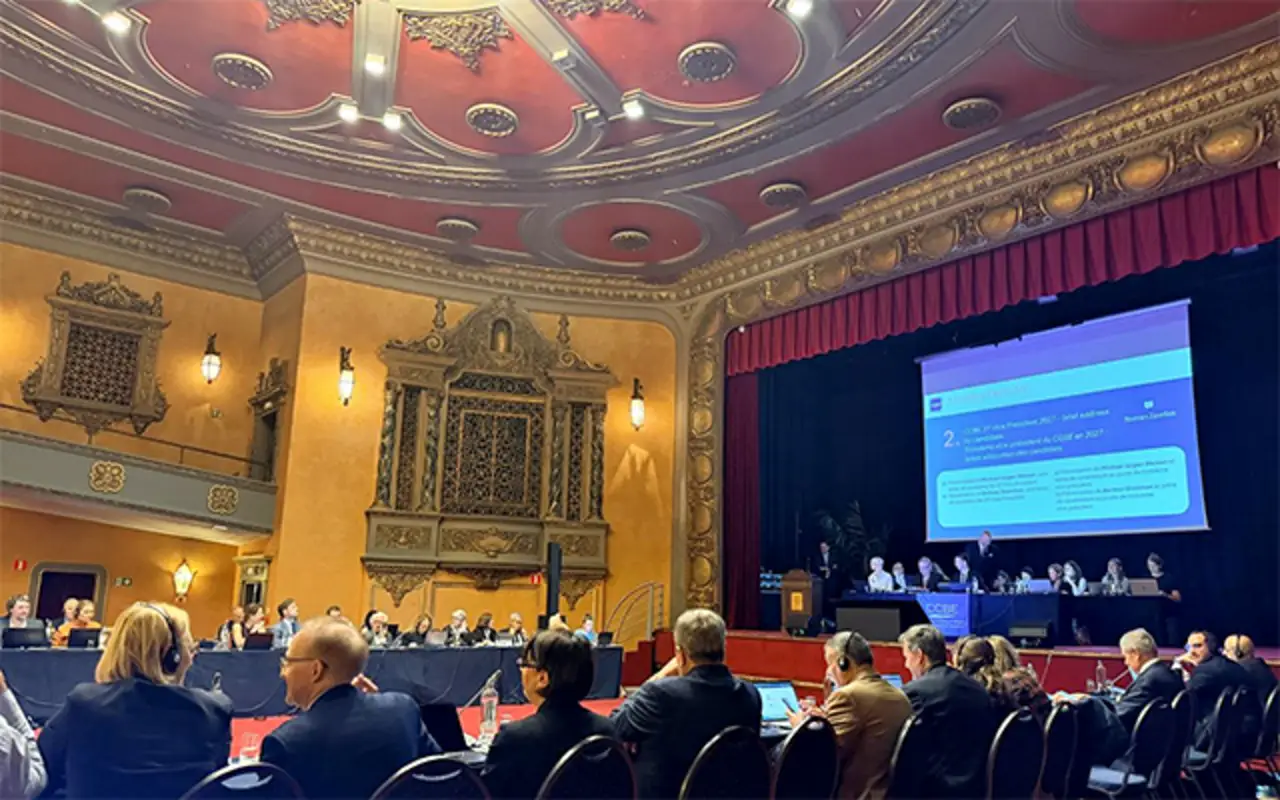
Today, October 2, a meeting of the Standing Committee of the Council of Bars and Law Societies of Europe (CCBE) is taking place in Brussels. On the agenda are the protection of the advocate profession, the rule of law, attorney-client privilege, and changes in the European justice system.
Rule of Law Roadmap
The UNBA presented the key provisions of the future law on advocacy in Brussels
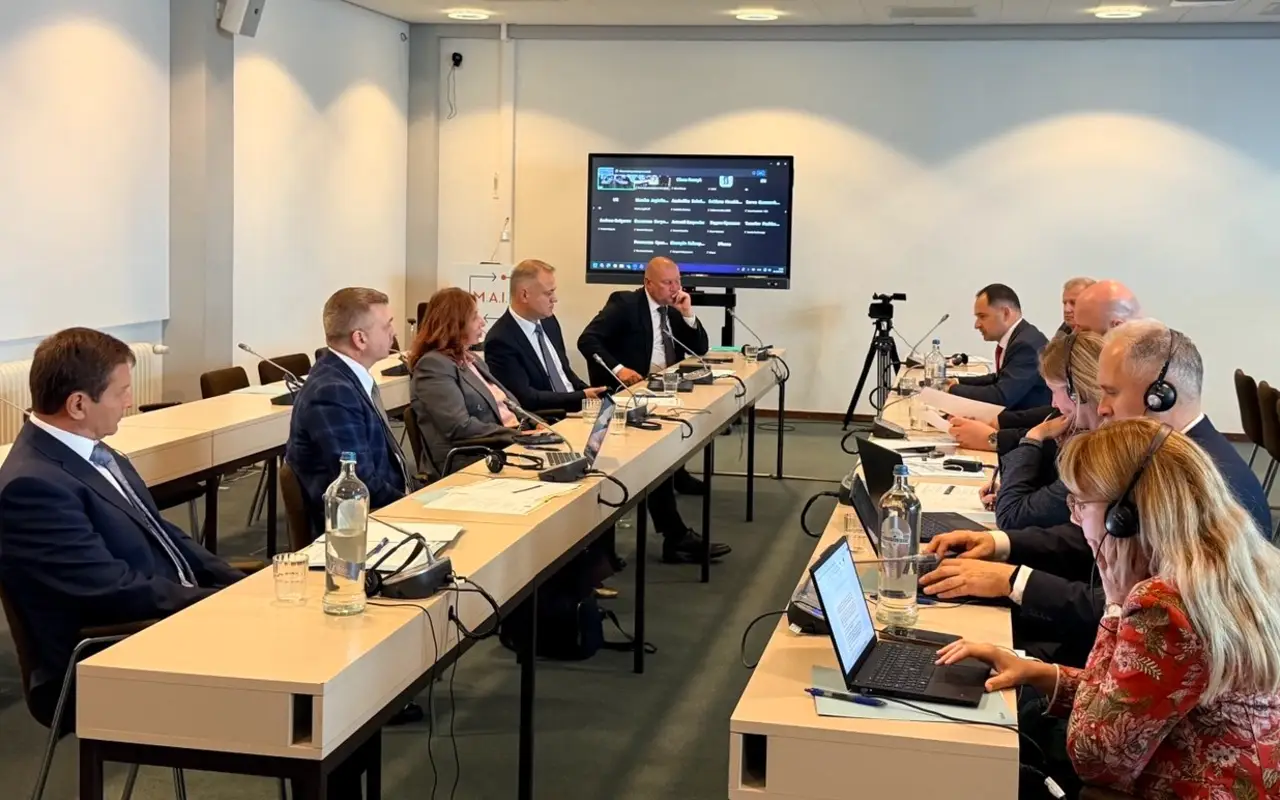
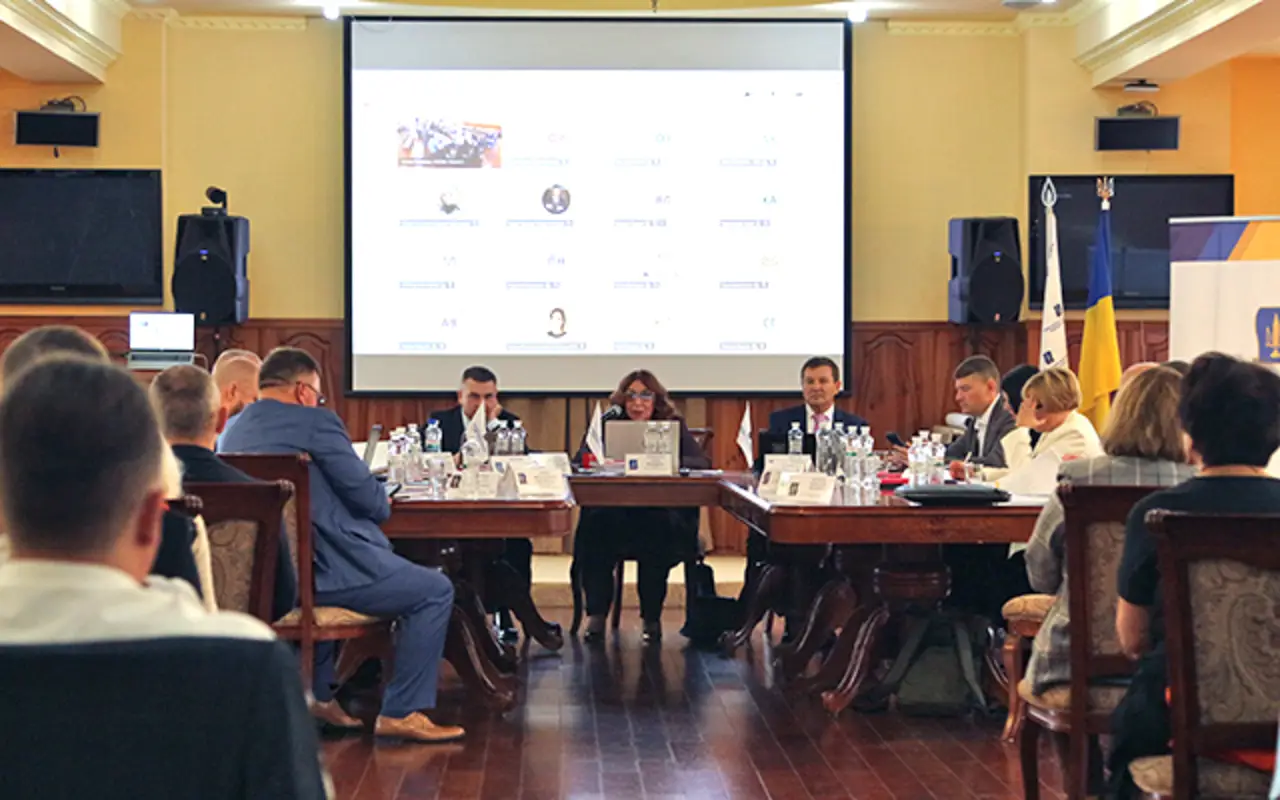
The Ukrainian National Bar Association presented its proposals for the upcoming law on advocacy, aligned with the Rule of Law Roadmap. The presentation covered topics such as access to the profession, self-governance, disciplinary procedures, professional development and guarantees for the practice of advocacy.
Guarantees of the practice of law
Independent oversight is necessary before using CISA materials against an advocate – Lidiya Izovitova
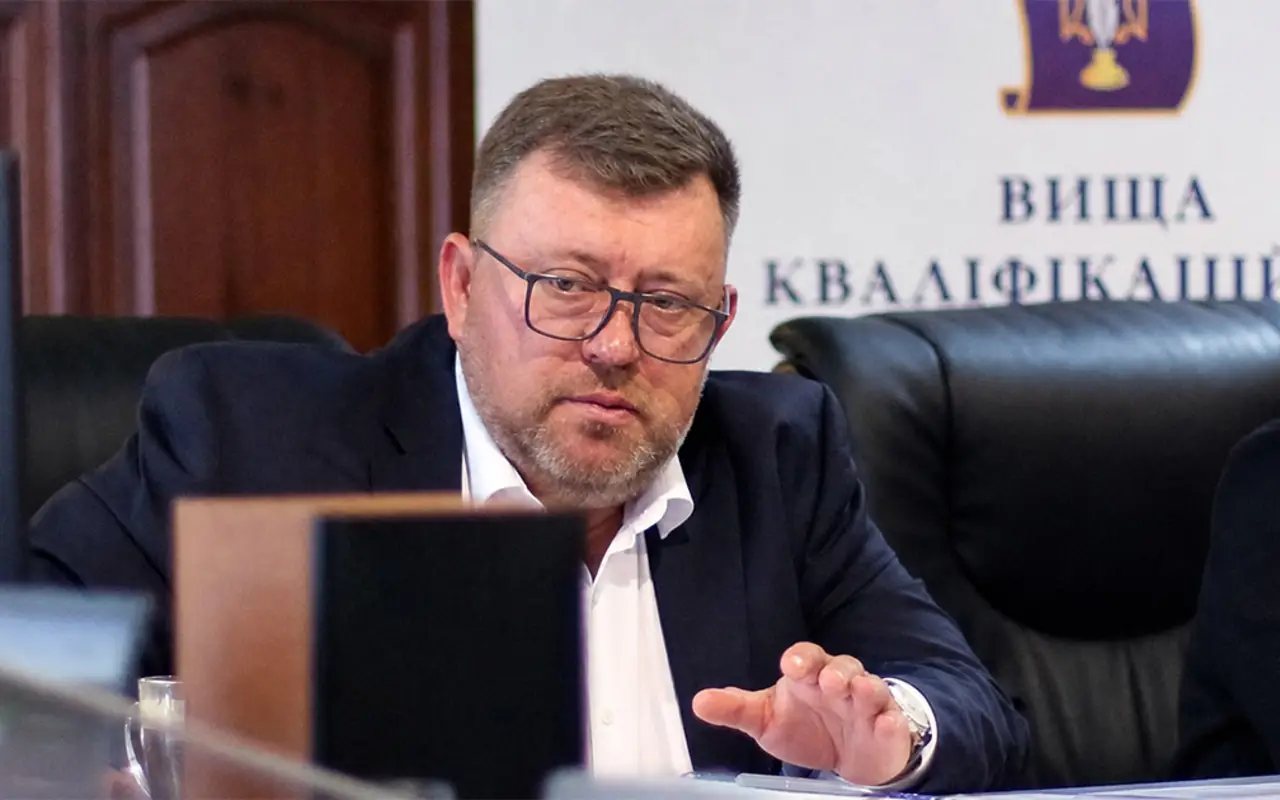
Before the prosecution uses information obtained during covert investigative actions and related to an advocate’s activities, independent procedural oversight must be conducted. It is necessary to determine whether such information is covered by attorney-client privilege and whether it may be disclosed.
Self-government
Efforts to develop advocacy must be brought to fruition — A. Misyats
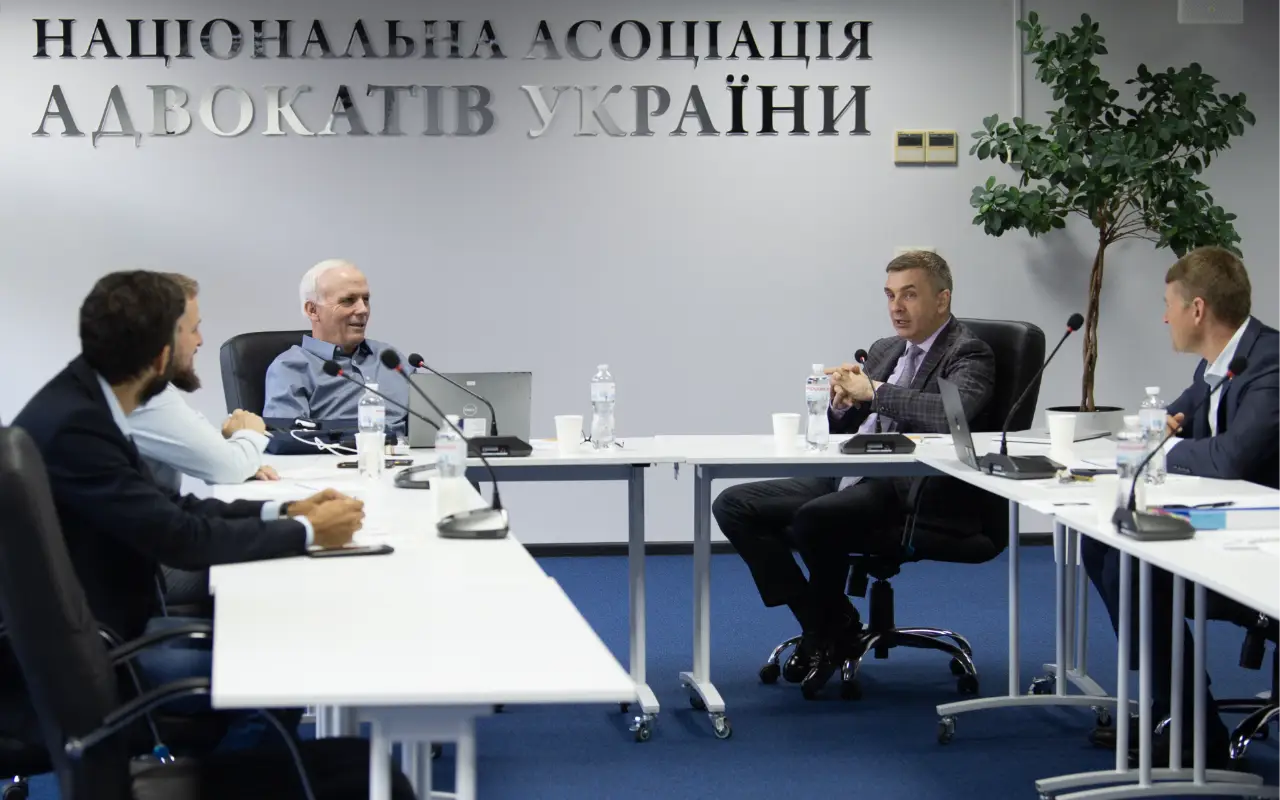
The Ukrainian advocacy profession is currently going through a critical phase. Amid the war, it must ensure the continuity of legal aid, defend the independence of the profession, and improve qualification and disciplinary procedures in accordance with European standards. The work that has been started must be brought to a practical conclusion.
Support
Protecting the legal profession, cybersecurity and support for advocates: common themes for the IBA and the UNBA
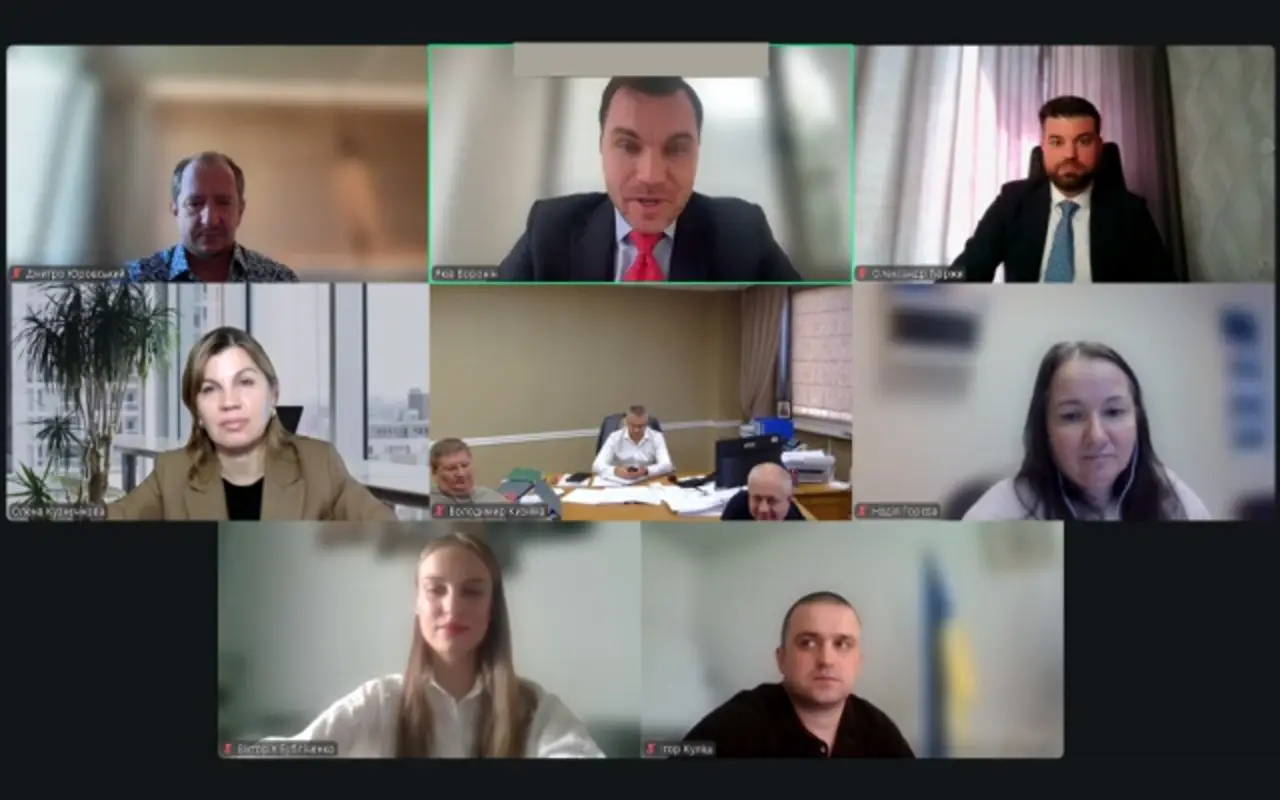
On September 18, a working meeting was held at the office of the Ukrainian National Bar Association with Executive Director of the International Bar Association (IBA) Mark Ellis. The parties discussed the Ukrainian advocacy profession’s participation in European legal processes, the protection of the UNBA’s digital infrastructure, psychological support for advocates and future areas of cooperation.
Educational events
Tax residency of Ukrainians abroad: what matters
The determination of tax residency for Ukrainians who have been living abroad for an extended period depends on the combination of their personal and economic ties to each country. The established status determines the procedure for reporting income, paying taxes and fulfilling CFC reporting obligations.
Educational events
Time, risk of dismissal and effort to provide rationale: how a court reads a procedural document
When drafting a procedural document, an advocate should take into account three criteria used by the court: the time required to review the materials, the risk of the decision being overturned, and the effort required to provide a rationale for it.
Publications

Vasyl Kolishnyi, «Law and Business» Supporting mental health should become part of the professional culture of the Bar, - H. Udovenko

Volodymyr Matsko Extradition during wartime: when the risks outweigh the request

Volodymyr Matsko Extradition as a systemic form of rights violations

Victoria Yakusha, Law and Business The anti-corruption vertical cannot «take care» of the Bar as an institution, - acting head of the HQDCB

Censor.net Protecting advocates – protecting justice: addressing concerns about the new law

Ihor Kolesnykov A BRIEF SUMMARY REGARDING THE APPLICATION OF THE ORDER ON EXTENDED CONFISCATION IN LATVIA REGARDING FINANCIAL ASSETS OF…

Valentyn Gvozdiy WORKING IN A WAR ZONE

Lydia Izovitova Formula of perfection