


Methodology for calculating episodes when paying for FLA lawyer's services should be clarified, - BCU

The Bar Council of Ukraine is initiating changes to the Cabinet of Ministers' resolution on payment for services and reimbursement of expenses of lawyers providing free secondary legal aid.
The relevant decision was made at the last meeting of the UNBA following the discussion of the appeal of a lawyer who complained about the unfairness of the payment formula used by regional FLA centers (Cabinet of Ministers Resolution No. 465 of 17.09.2014).
The lawyer submitted to the center an act of services rendered and a calculation of the amount of remuneration in criminal proceedings at the stage of pre-trial investigation, taking into account ten episodes of offenses. However, officials determined that the calculation should be based on only two episodes.
According to the resolution, the severity of the alleged crime for each episode is taken into account when determining the amount of payment. One of the crimes the person was suspected of committing was the illegal sale of psychotropic substances. Each of the episodes of the violation was registered in the URPTI, as the facts of the sale were characterized by a separate time, place, and method of commission and had their own subject of proof. In addition, each fact was a separate sufficient ground for bringing a person to justice. But the center decided that it was a continuing offense. And according to the rules, if the offense is treated as a continuing offense in the proceedings, it is taken as one episode when calculating the reward.
«This position, in the reasonable opinion of the Committee, is unfair, - said Oksana Kadenko, a member of the BCU, chairman of the UNBA Committee on Legal Aid, during the meeting. - After all, it does not take into account the scope of work of a lawyer in the defense of a person... This, accordingly, is a completely different scope of research of evidence, work with a client, research of materials, formation of a position, etc. The assessment of this situation clearly does not meet the goal of differentiating the payment of attorneys' fees depending on the scope of services provided».
She drew attention to the fact that if the lawyer had agreed to the qualification with a sign of repetition, the issue would have been resolved, but such formalization of the indictment directly contradicts the interests of the client, because this sign of repetition aggravates criminal liability.
The participants of the meeting agreed that the problem does exist. And Barbara Kalyuzhna, a member of the BCU, additionally pointed out that a similar situation is associated with the representation of several victims, when, despite the significant volume, payment is made as if for work with one victim.
In the end, the UNBA stated the need to amend the calculation methodology and proposed to introduce three criteria in the context of remuneration of lawyers: the number of episodes according to the extracts from the URPTI, the number of episodes according to the indictment and the number of episodes according to the verdict of the court of first instance. At the same time, the largest of the three indicators should be used to pay for the work of a lawyer.
Popular news
Guarantees of the practice of law
Guarantees for advocacy without protective measures: proposed changes to the codes
The current law sets forth the rights and guarantees of the legal profession, but lacks the tools to protect them. The future law on advocacy is intended to fill this gap through amendments to criminal, administrative and procedural legislation.
Legislation
A bill implementing the Convention on the Protection of the Professions of Lawyer has been introduced
The constitutional guarantees of legal aid, defense, and the independence of advocacy cannot be realized without protecting advocates from unwarranted interference in their professional activities, including searches, the seizure of professional materials and the use of criminal procedural mechanisms to exert pressure.
Abroad
The CCBE is discussing European justice and issues related to the protection of advocates
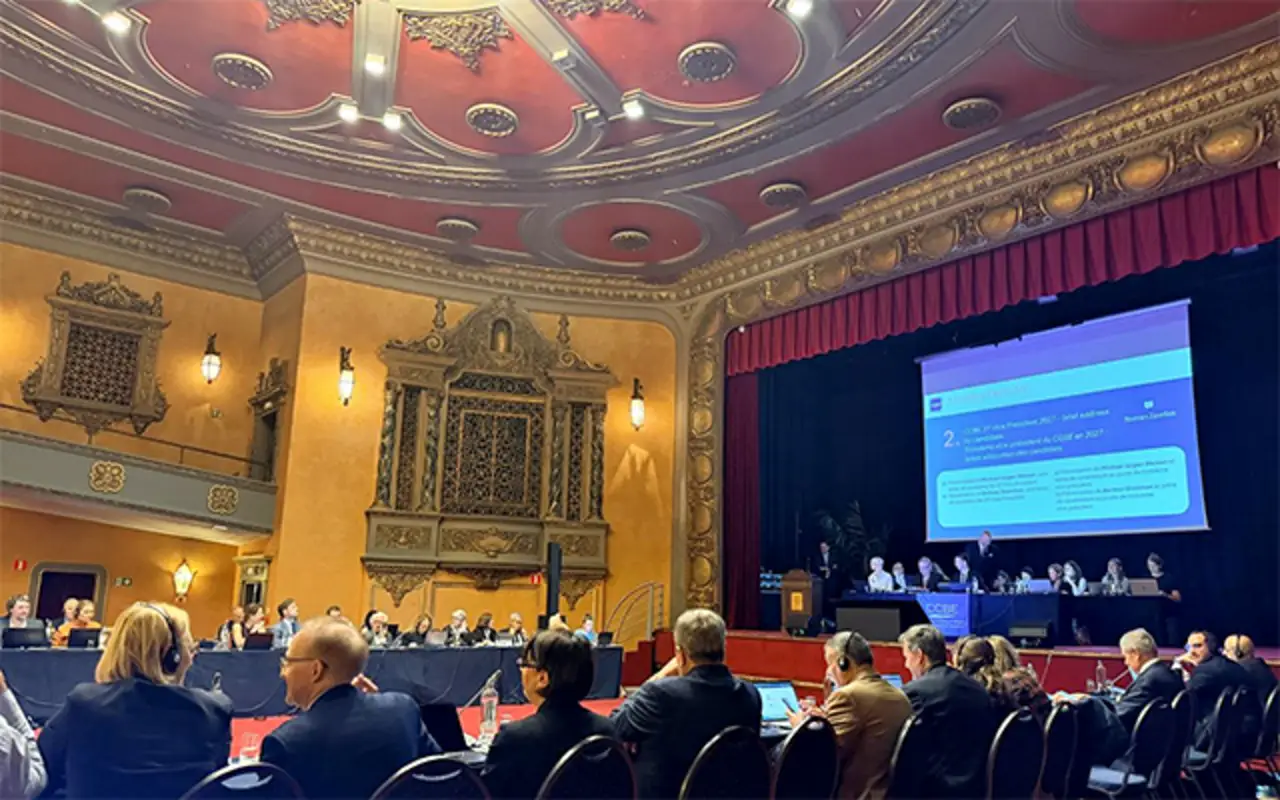
Today, October 2, a meeting of the Standing Committee of the Council of Bars and Law Societies of Europe (CCBE) is taking place in Brussels. On the agenda are the protection of the advocate profession, the rule of law, attorney-client privilege, and changes in the European justice system.
Rule of Law Roadmap
The UNBA presented the key provisions of the future law on advocacy in Brussels
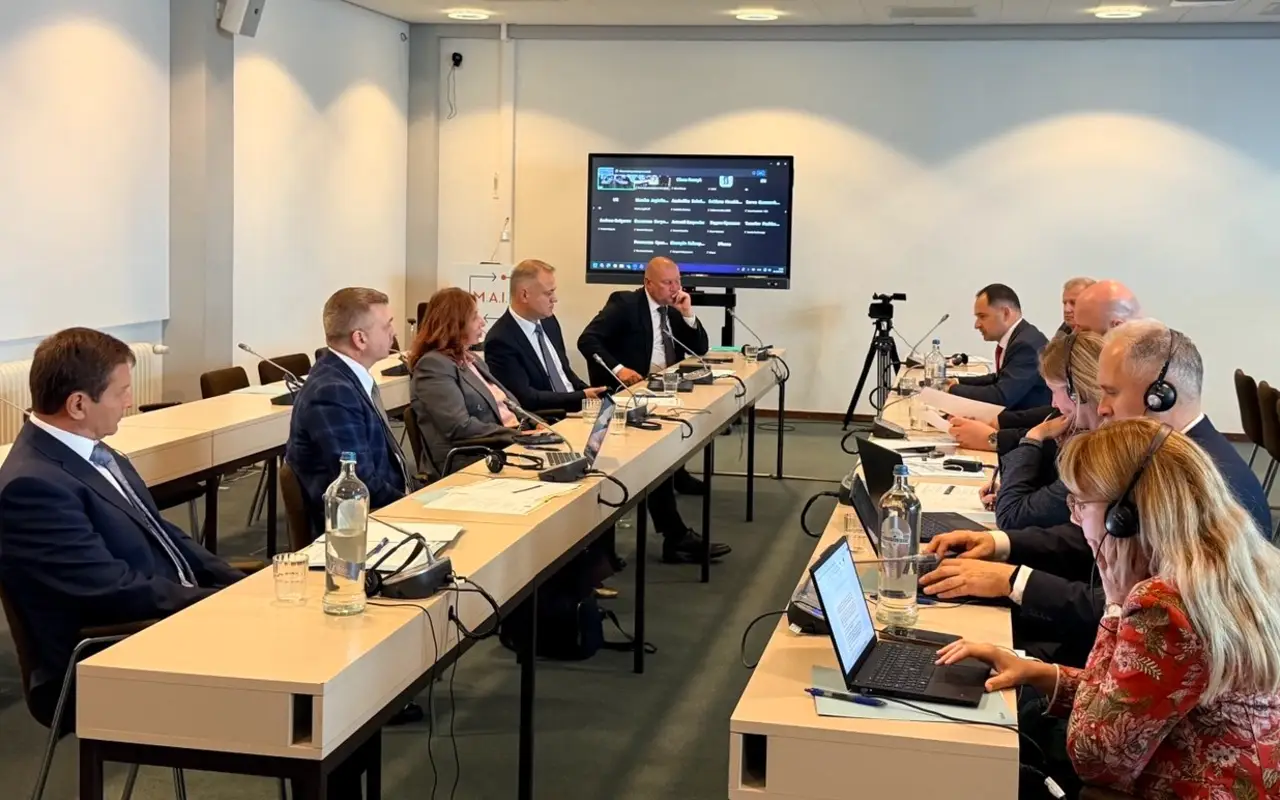
The Ukrainian National Bar Association presented its proposals for the upcoming law on advocacy, aligned with the Rule of Law Roadmap. The presentation covered topics such as access to the profession, self-governance, disciplinary procedures, professional development and guarantees for the practice of advocacy.

Educational events
Advocates were taught to voice their complaints without making accusations
In a difficult conversation, it’s easy to confuse facts with opinions, feelings with accusations, and requests with demands. How can you express dissatisfaction, explain your own needs, and propose a specific solution while still allowing your conversation partner the opportunity to refuse or suggest an alternative?
Guarantees of the practice of law
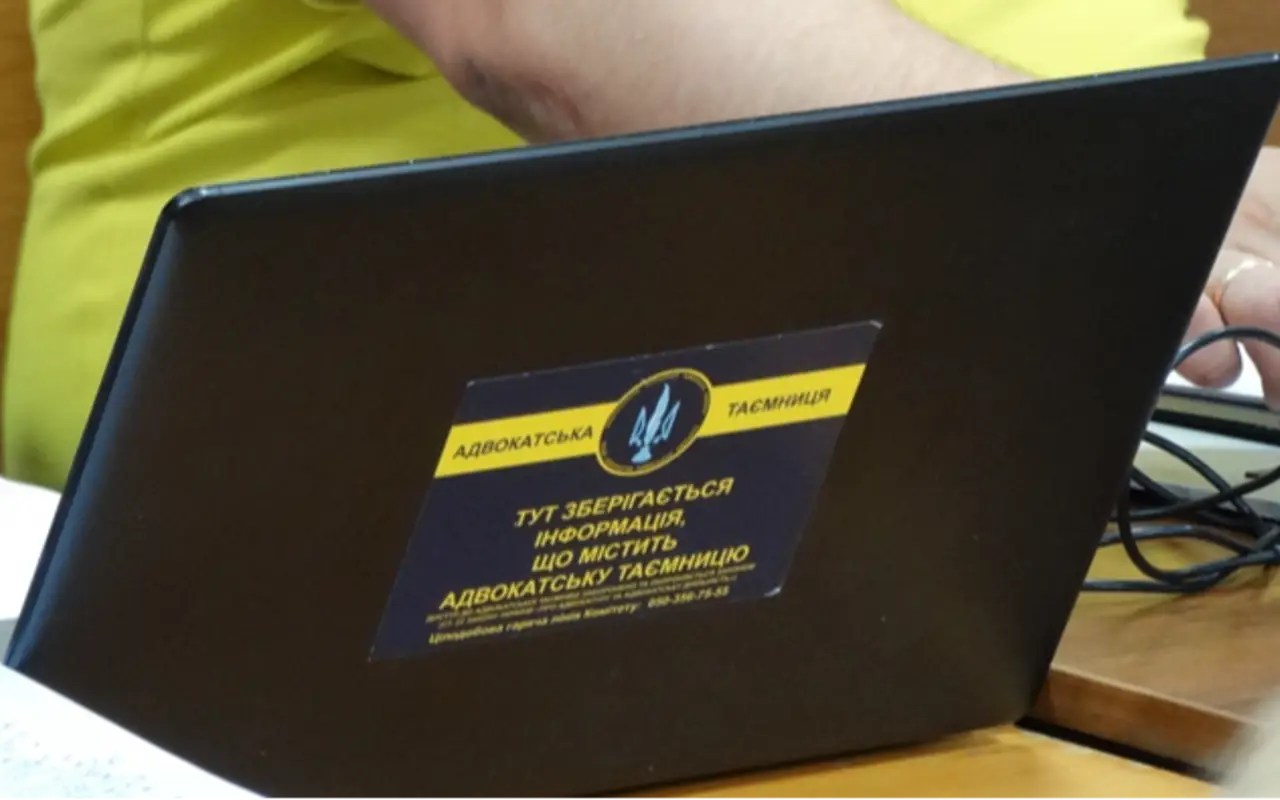
Search of an advocate's office after client's acquittal: criminal complaint filed
In Kyiv, law enforcement officers conducted a search of the home of an advocate who had defended a client acquitted by the court and seized materials from the advocate’s case file. The proceedings were initiated shortly after the acquittal, even though the document they were searching for was already included in the court case file.
Guarantees of the practice of law
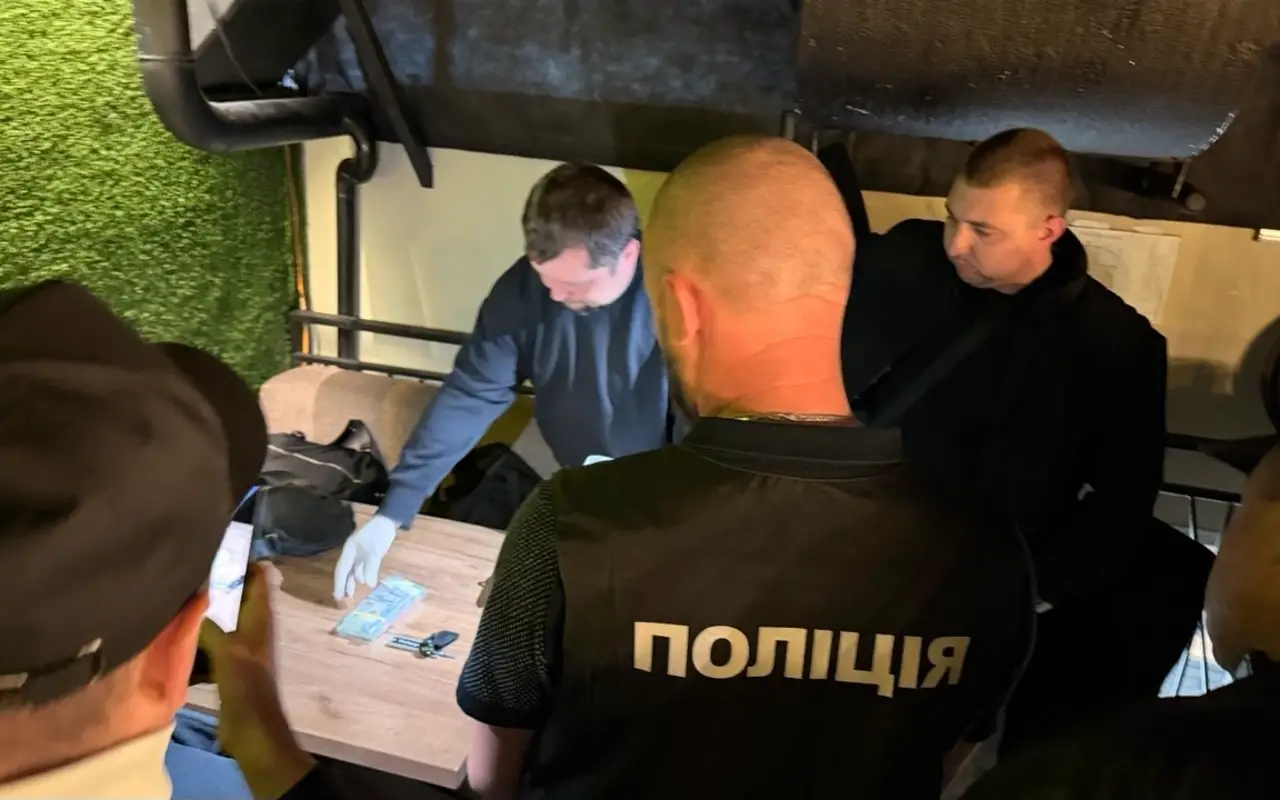
The paradoxes of urgency: is it possible to investigate a crime before it is committed?
On September 24 in Kyiv, National Police officers detained an advocate during an emergency search, having caught him in the act of committing a crime. At the time, the pretrial investigation in this case had already been ongoing for more than four months.
Guarantees of the practice of law
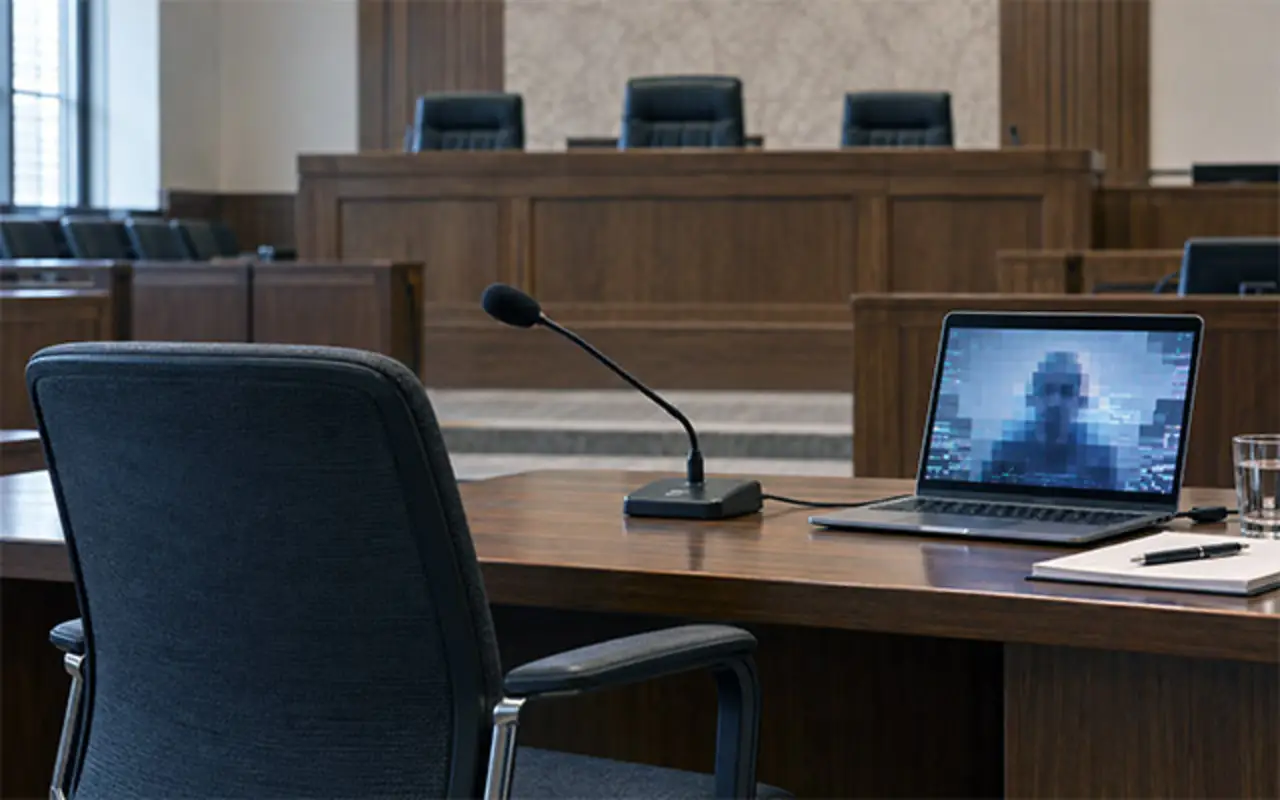
A side effect of the video conference: the judge mistook the sound of a chair for the advocate's response
Technology also has its downsides. The High Council of Justice acquitted a judge who failed to hear the advocates during court proceedings in a civil case. One of the arguments presented to the disciplinary body was poor connectivity, the risks of which are borne by the participants.
Publications

Vasyl Kolishnyi, «Law and Business» Supporting mental health should become part of the professional culture of the Bar, - H. Udovenko

Volodymyr Matsko Extradition during wartime: when the risks outweigh the request

Volodymyr Matsko Extradition as a systemic form of rights violations

Victoria Yakusha, Law and Business The anti-corruption vertical cannot «take care» of the Bar as an institution, - acting head of the HQDCB

Censor.net Protecting advocates – protecting justice: addressing concerns about the new law

Ihor Kolesnykov A BRIEF SUMMARY REGARDING THE APPLICATION OF THE ORDER ON EXTENDED CONFISCATION IN LATVIA REGARDING FINANCIAL ASSETS OF…

Valentyn Gvozdiy WORKING IN A WAR ZONE

Lydia Izovitova Formula of perfection