


What to do when the court tries to remove an inconvenient lawyer?
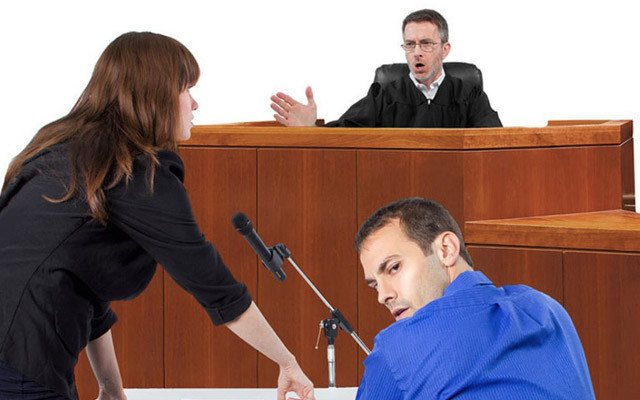
One of the most frequent violations experienced by participants in criminal proceedings is an encroachment on the free choice of defense counsel. Thus, the court can remove the chosen lawyer and engage a more «convenient» one. The accused cannot influence this in any way.
This problem was drawn to the attention Hanna Kolesnyk, Chairman of the UNBA Committee on Human Rights Protection, who is organizing a round table on «Preparatory meeting: involvement of a legal aid defender in a separate procedural action».
According to Art. 59 of the Constitution, everyone is free to choose a defender of their rights. At the same time, Art. 53 of the CPC allows the involvement of a defense counsel for a separate procedural action. According to Article 6 of the Convention for the Protection of Human Rights and Fundamental Freedoms, every accused person has the right to defend himself or herself or to use legal assistance of a defense counsel of his or her own choosing. Or - in the absence of sufficient funds to pay for legal assistance - to receive such assistance free of charge, when the interests of justice so require.
«The accused are often deprived of the opportunity to refuse the assigned FLA defense counsel, even if the latter supports this refusal and declares that it is impossible to provide defense, - says H. Kolesnyk. - This raises the question of how realistic are the provisions of Article 54 of the CPC, which give the accused the right to refuse a defense counsel».
The lawyer refers to the case law of the European Court of Human Rights, according to which the formal appointment of a defense counsel to act on behalf of the accused is not enough. After all, the right to legal aid must be exercised in a practical and effective manner to ensure sufficient protection (decisions in Artico v. Italy, Imbriosha v. Switzerland). «So, is the provision of inadequate (ineffective) legal aid evidence of a violation of the rights of the accused?», - H. Kolesnyk asks another question.
These and other issues will be discussed at the roundtable scheduled for 14:00 on May 10. Participants will give practical advice on the procedure for the contractual defense counsel to act when his client is forced to accept legal aid from a FLA defender and is prohibited from refusing to accept legal aid in accordance with the procedure established by law. The appointed defense counsel will also receive a legal position on how to act in such situations in order not to violate the law and the oath of an attorney.
Popular news

Legislation
Proceedings against military personnel following AWOL require clear deadlines — UNBA
A soldier’s return to duty after AWOL does not necessarily mean the end of criminal proceedings. To ensure that the case does not remain at the pretrial investigation stage, a clear procedure for the investigator and prosecutor is required.

Guarantees of the practice of law
Guarantees for advocacy without protective measures: proposed changes to the codes
The current law sets forth the rights and guarantees of the legal profession, but lacks the tools to protect them. The future law on advocacy is intended to fill this gap through amendments to criminal, administrative and procedural legislation.
Legislation
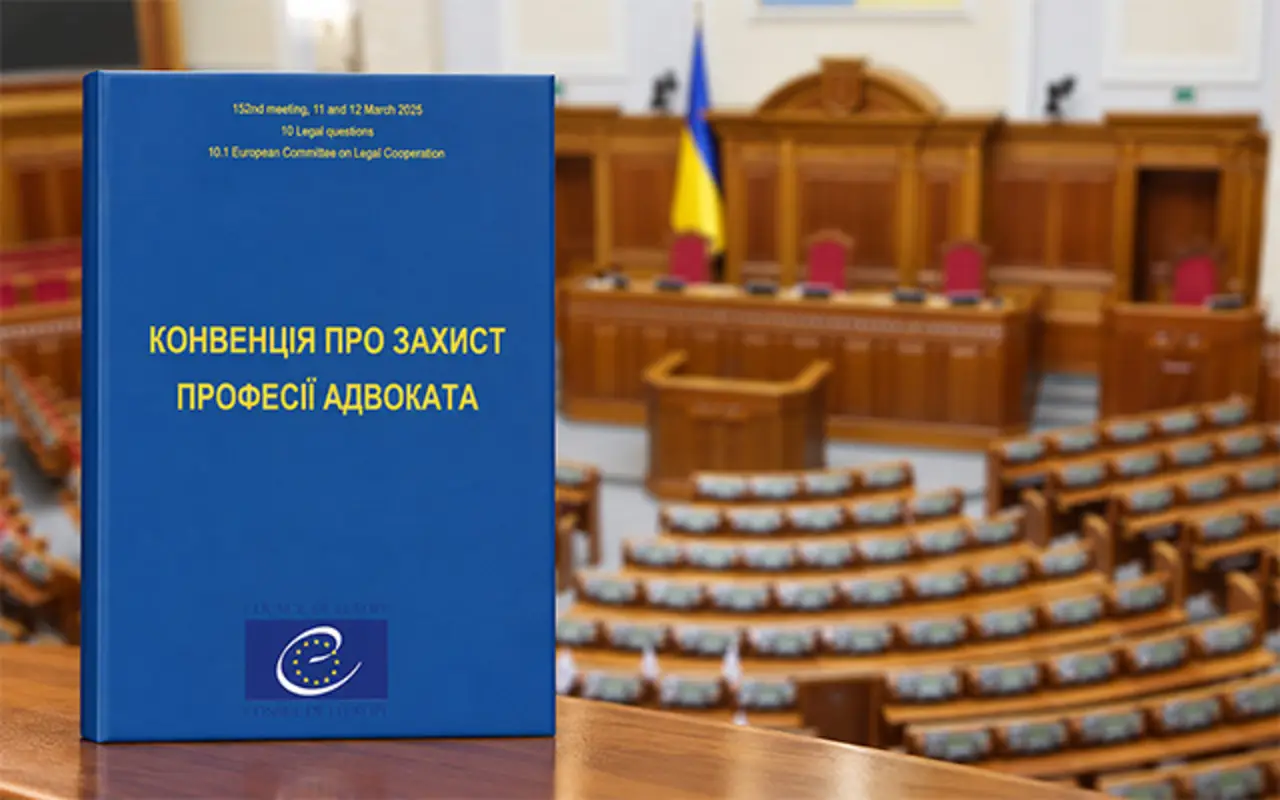
A bill implementing the Convention on the Protection of the Professions of Lawyer has been introduced
The constitutional guarantees of legal aid, defense, and the independence of advocacy cannot be realized without protecting advocates from unwarranted interference in their professional activities, including searches, the seizure of professional materials and the use of criminal procedural mechanisms to exert pressure.
Abroad
The CCBE is discussing European justice and issues related to the protection of advocates
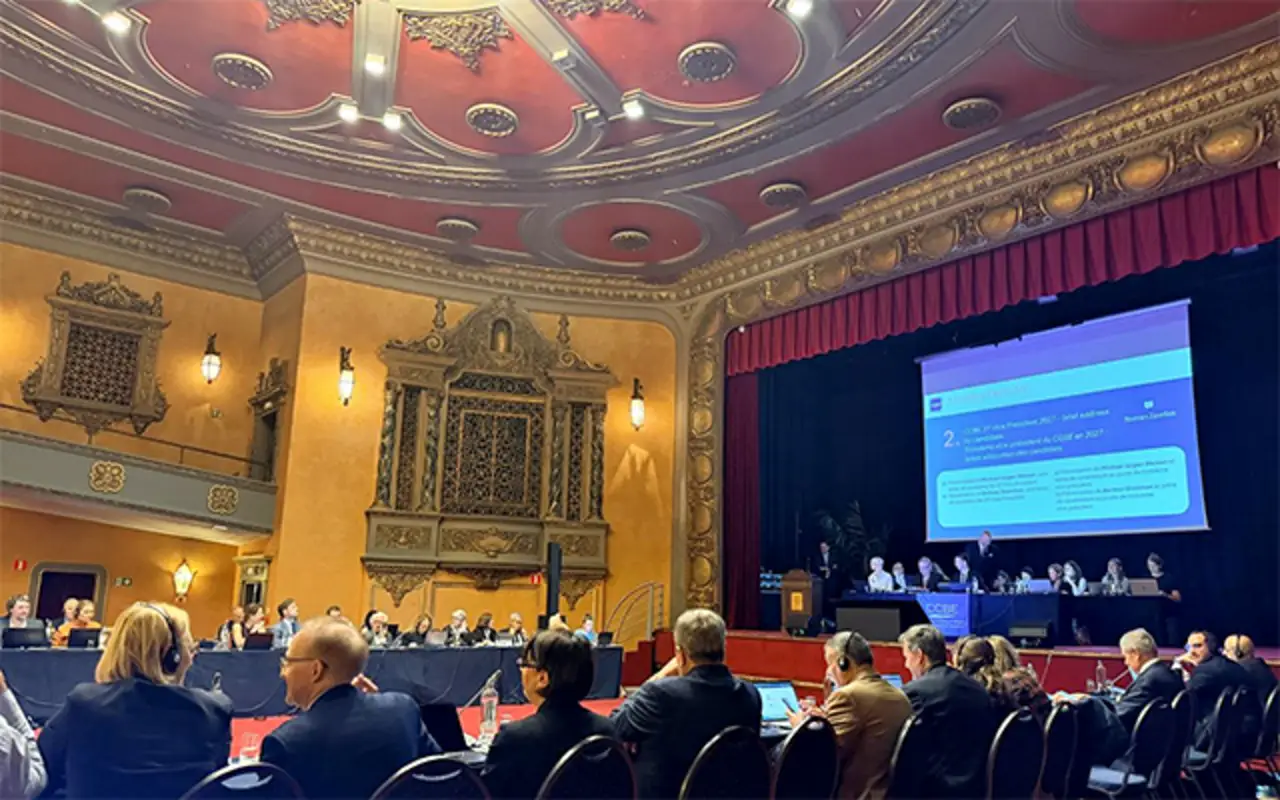
Today, October 2, a meeting of the Standing Committee of the Council of Bars and Law Societies of Europe (CCBE) is taking place in Brussels. On the agenda are the protection of the advocate profession, the rule of law, attorney-client privilege, and changes in the European justice system.
Rule of Law Roadmap
The UNBA presented the key provisions of the future law on advocacy in Brussels
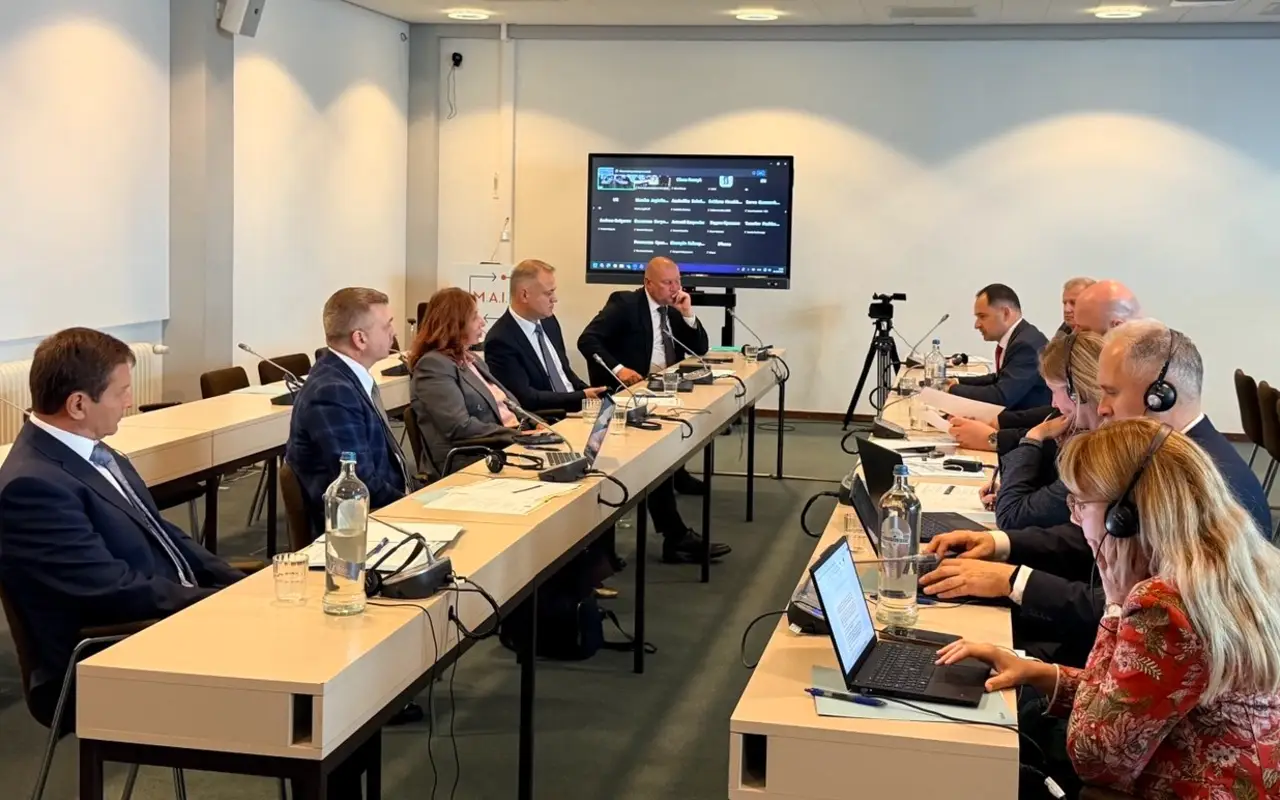
The Ukrainian National Bar Association presented its proposals for the upcoming law on advocacy, aligned with the Rule of Law Roadmap. The presentation covered topics such as access to the profession, self-governance, disciplinary procedures, professional development and guarantees for the practice of advocacy.

Discussion
First the return of assets, then subsidiary liability — an opinion
In bankruptcy cases, the legal entity’s ability to preserve and restore the financial foundation of its operations requires legal protection. In this regard, the right to solvency in which the legal entity is the aggrieved party should be an independent object of legal protection.

Educational events
Advocates were taught to voice their complaints without making accusations
In a difficult conversation, it’s easy to confuse facts with opinions, feelings with accusations, and requests with demands. How can you express dissatisfaction, explain your own needs, and propose a specific solution while still allowing your conversation partner the opportunity to refuse or suggest an alternative?
Guarantees of the practice of law
Search of an advocate's office after client's acquittal: criminal complaint filed
In Kyiv, law enforcement officers conducted a search of the home of an advocate who had defended a client acquitted by the court and seized materials from the advocate’s case file. The proceedings were initiated shortly after the acquittal, even though the document they were searching for was already included in the court case file.
Publications

Vasyl Kolishnyi, «Law and Business» Supporting mental health should become part of the professional culture of the Bar, - H. Udovenko

Volodymyr Matsko Extradition during wartime: when the risks outweigh the request

Volodymyr Matsko Extradition as a systemic form of rights violations

Victoria Yakusha, Law and Business The anti-corruption vertical cannot «take care» of the Bar as an institution, - acting head of the HQDCB

Censor.net Protecting advocates – protecting justice: addressing concerns about the new law

Ihor Kolesnykov A BRIEF SUMMARY REGARDING THE APPLICATION OF THE ORDER ON EXTENDED CONFISCATION IN LATVIA REGARDING FINANCIAL ASSETS OF…

Valentyn Gvozdiy WORKING IN A WAR ZONE

Lydia Izovitova Formula of perfection