


Temporary protection, work, study: what Ukrainians should know about France and UK
What is the procedure for obtaining temporary protection status in France and the UK? When can it be refused and is it possible to appeal such a decision? What are the options for legalization and change of status? What about employment, education and business opportunities?
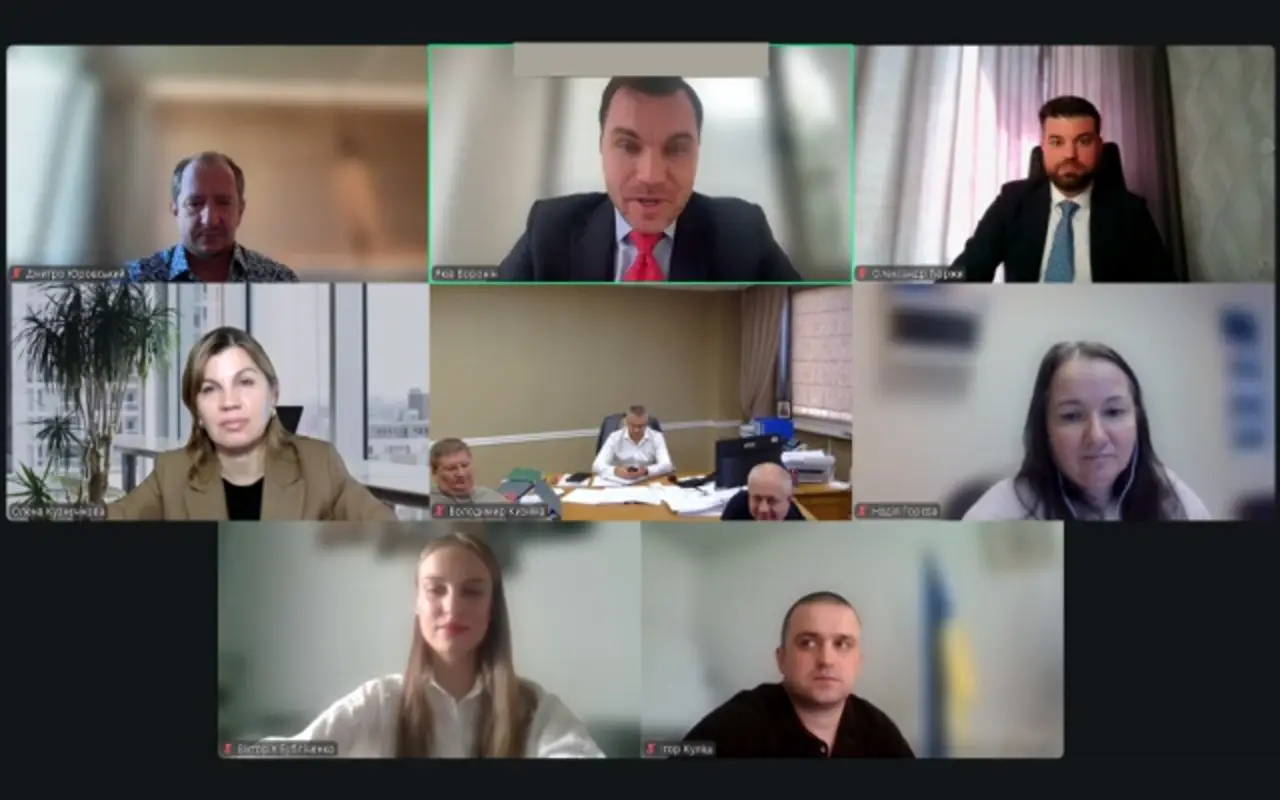
The Ukrainian National Bar Association held a large-scale seminar on the legal issues of Ukrainians' stay in the French Republic and the United Kingdom. The event brought together experts in immigration law, lawyers, and hundreds of participants who were looking for answers to questions related to the legal status of Ukrainians abroad.
The key issues included the possibility of transition from temporary protection to refugee status, subsidiary protection, or obtaining a residence permit under programs for workers, entrepreneurs, and family categories.
Maryna Semenova, the representative of the UNBA in the French Republic, explained the procedure for applying for temporary protection in this country, emphasized common mistakes to avoid, and explained what documents confirm the grounds for granting the status. She also spoke about the peculiarities of integration into French society, the possibilities of receiving social assistance and a program for Ukrainian entrepreneurs that allows them to run their own business in France.
M. Semenova recommended to be careful when filling out applications for temporary protection and to avoid common mistakes that can lead to rejection. She also advised Ukrainians to check the latest changes in French legislation and to seek legal advice.
Tatyana Laidlaw, a solicitor with 20 years of experience in immigration law, focused on the legal aspects of Ukrainians' stay in the UK. She explained the difference between temporary protection status and other types of immigration status and advised to contact lawyers in advance, as British immigration law is changing and some programs may have a limited duration. The solicitor placed a special emphasis on the possibilities of obtaining work visas and the benefits of studying in the UK for further legalization. T. Laidlaw advised to contact specialized lawyers before the expiration of visa programs to avoid the risk of losing legal status. She also recommended paying attention to programs for students and professionals, which can become the basis for long-term residence in the country.
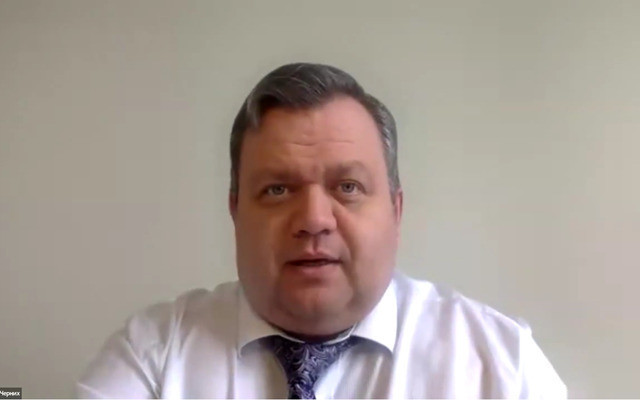
Oleksandr Chernykh, the representative of the UNBA in Scotland, the United Kingdom of Great Britain and Northern Ireland, highlighted the issue of long-term prospects for residence in the UK and France, explaining what changes in legislation may affect Ukrainians in the coming years. He also spoke about practical cases of appeals against status refusals and emphasized the importance of collecting the most complete package of documents when submitting applications.
O. Chernykh emphasized the importance of collecting a full package of documents confirming the grounds for residence and work, as this significantly increases the chances of a positive outcome. He also recommended that Ukrainians closely monitor possible changes in migration programs in order not to miss new opportunities.
Popular news
Legislation
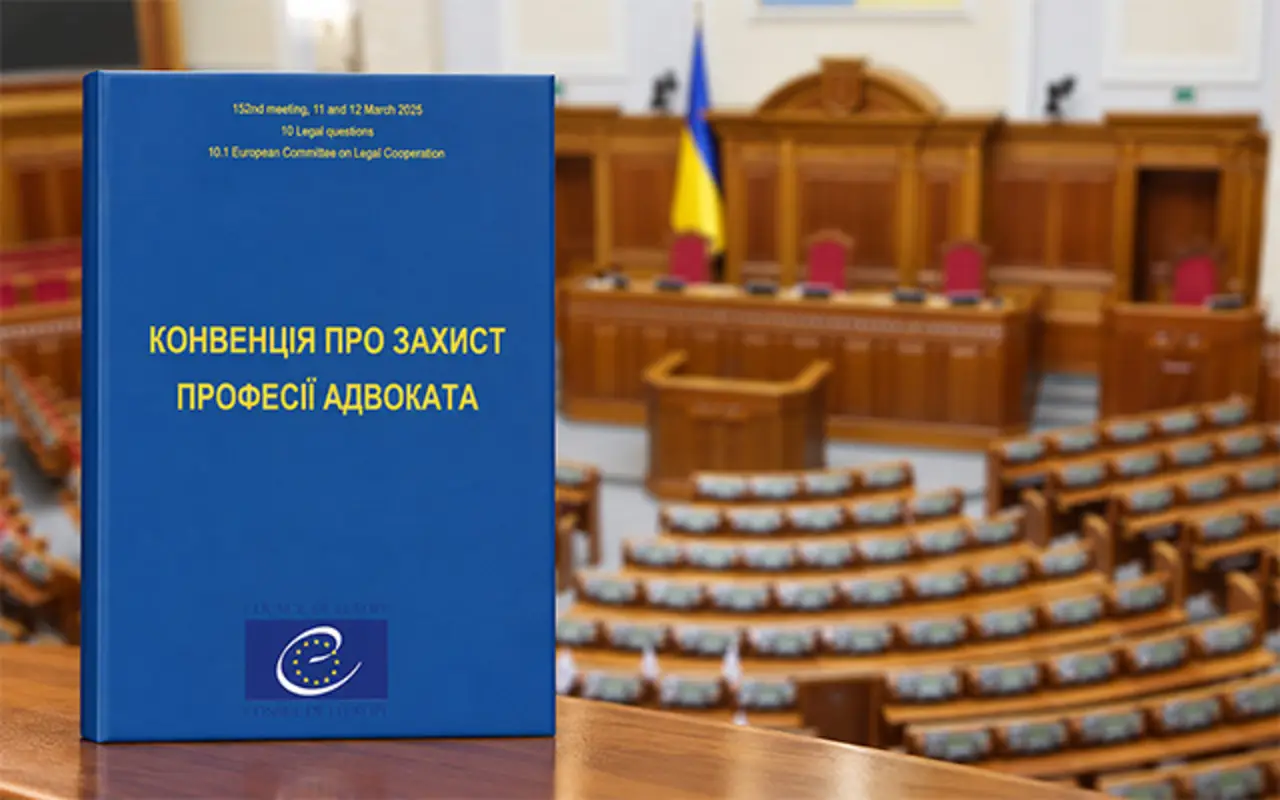
A bill implementing the Convention on the Protection of the Professions of Lawyer has been introduced
The constitutional guarantees of legal aid, defense, and the independence of advocacy cannot be realized without protecting advocates from unwarranted interference in their professional activities, including searches, the seizure of professional materials and the use of criminal procedural mechanisms to exert pressure.
Abroad
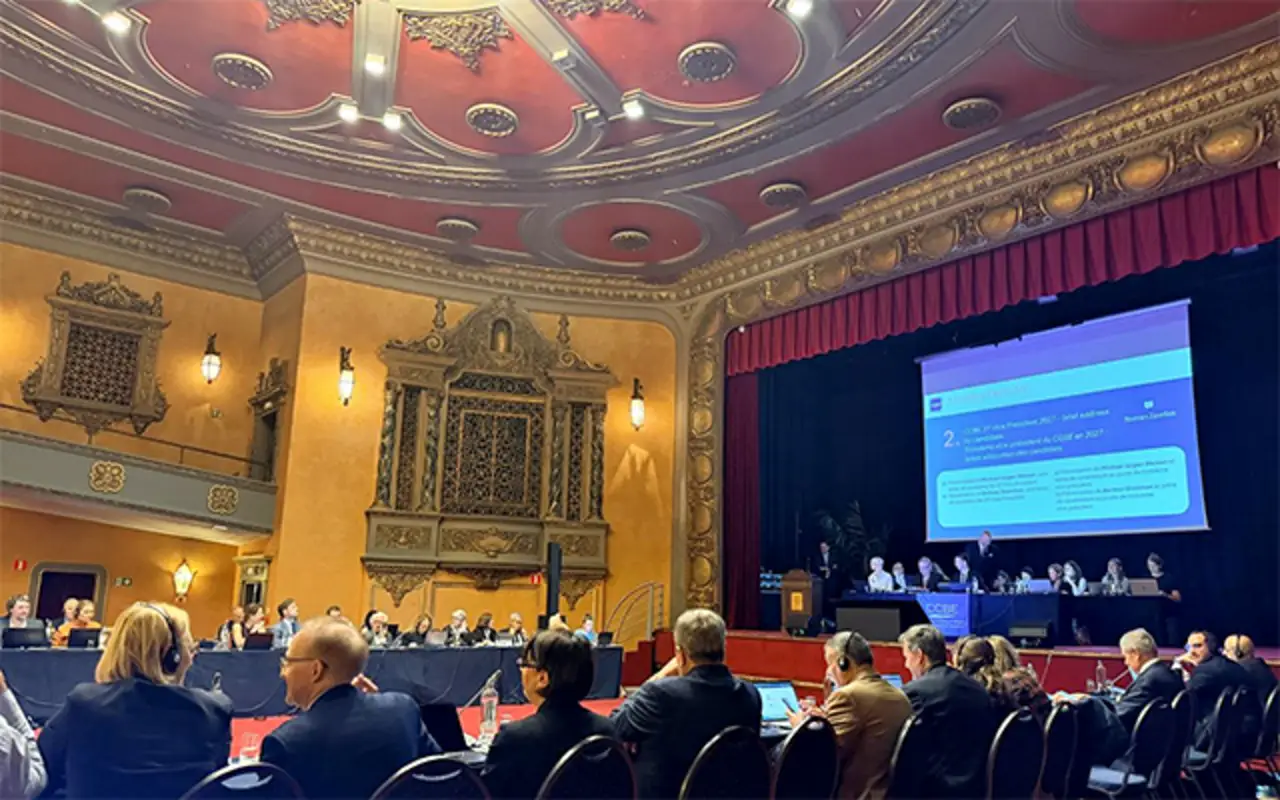
The CCBE is discussing European justice and issues related to the protection of advocates
Today, October 2, a meeting of the Standing Committee of the Council of Bars and Law Societies of Europe (CCBE) is taking place in Brussels. On the agenda are the protection of the advocate profession, the rule of law, attorney-client privilege, and changes in the European justice system.
Rule of Law Roadmap
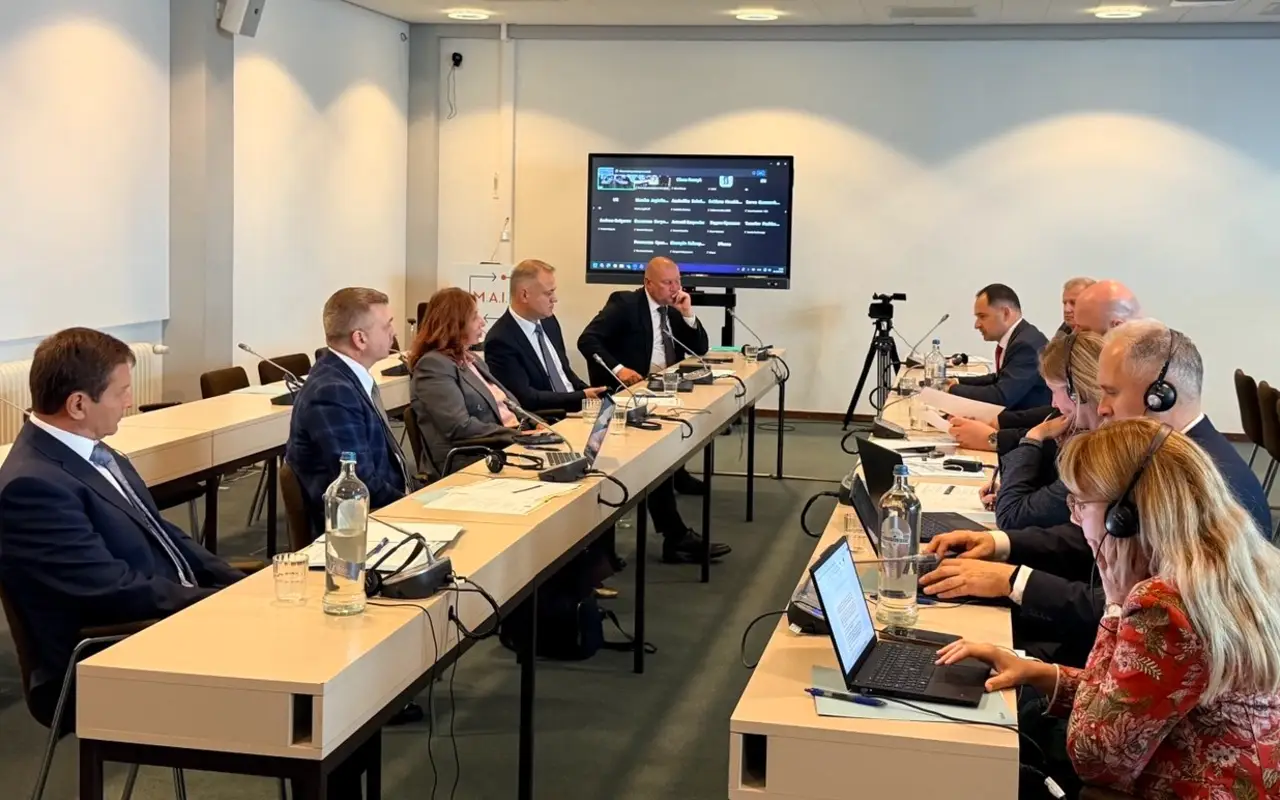
The UNBA presented the key provisions of the future law on advocacy in Brussels
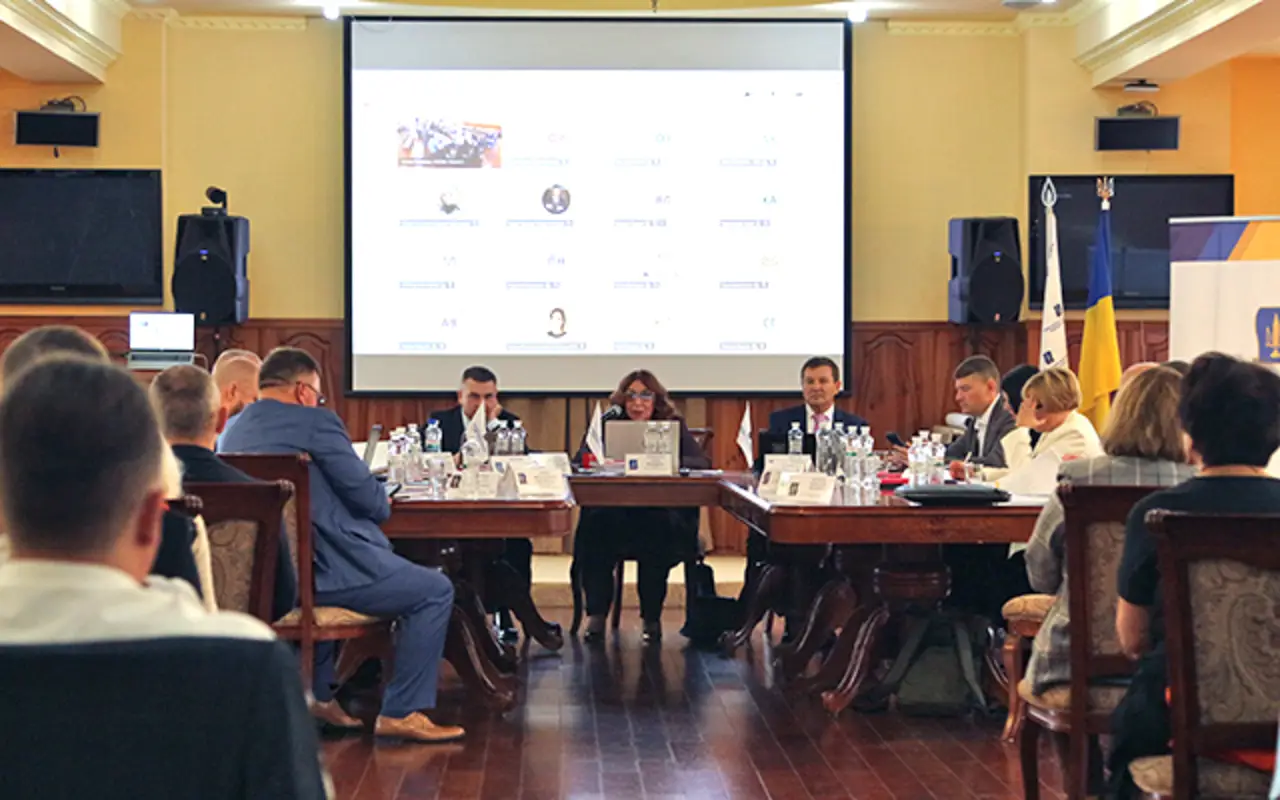
The Ukrainian National Bar Association presented its proposals for the upcoming law on advocacy, aligned with the Rule of Law Roadmap. The presentation covered topics such as access to the profession, self-governance, disciplinary procedures, professional development and guarantees for the practice of advocacy.
Guarantees of the practice of law
Independent oversight is necessary before using CISA materials against an advocate – Lidiya Izovitova
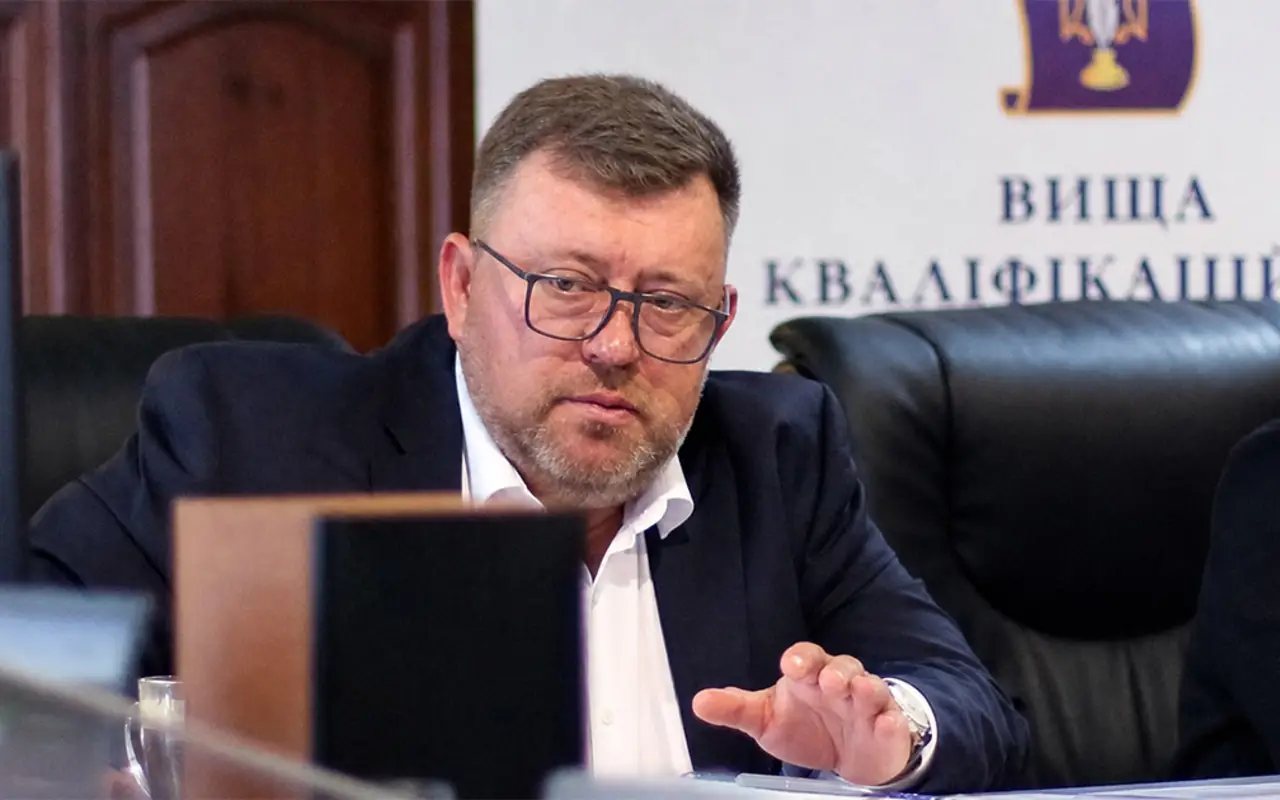
Before the prosecution uses information obtained during covert investigative actions and related to an advocate’s activities, independent procedural oversight must be conducted. It is necessary to determine whether such information is covered by attorney-client privilege and whether it may be disclosed.
Self-government
Efforts to develop advocacy must be brought to fruition — A. Misyats
The Ukrainian advocacy profession is currently going through a critical phase. Amid the war, it must ensure the continuity of legal aid, defend the independence of the profession, and improve qualification and disciplinary procedures in accordance with European standards. The work that has been started must be brought to a practical conclusion.
Support
Protecting the legal profession, cybersecurity and support for advocates: common themes for the IBA and the UNBA
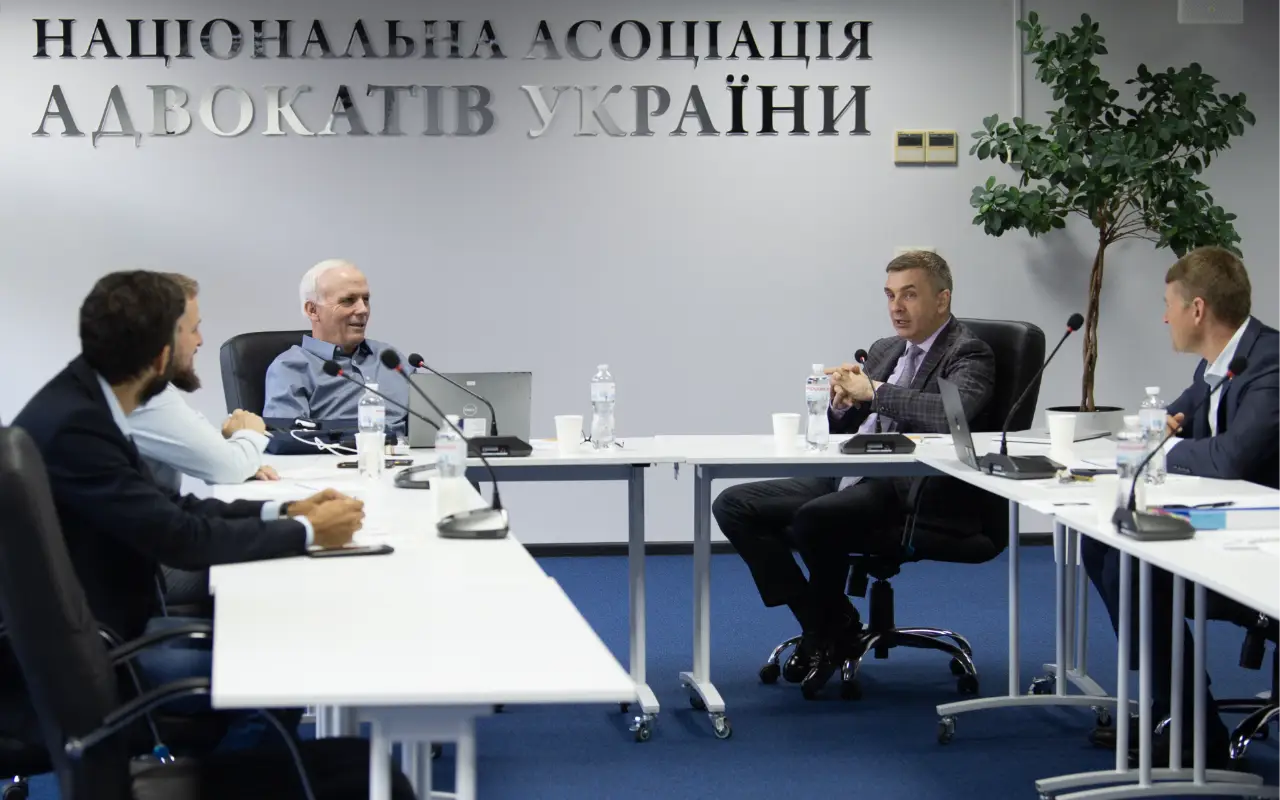
On September 18, a working meeting was held at the office of the Ukrainian National Bar Association with Executive Director of the International Bar Association (IBA) Mark Ellis. The parties discussed the Ukrainian advocacy profession’s participation in European legal processes, the protection of the UNBA’s digital infrastructure, psychological support for advocates and future areas of cooperation.
Educational events
Not every eloquent phrase is persuasive: how an advocate should choose a speaking style
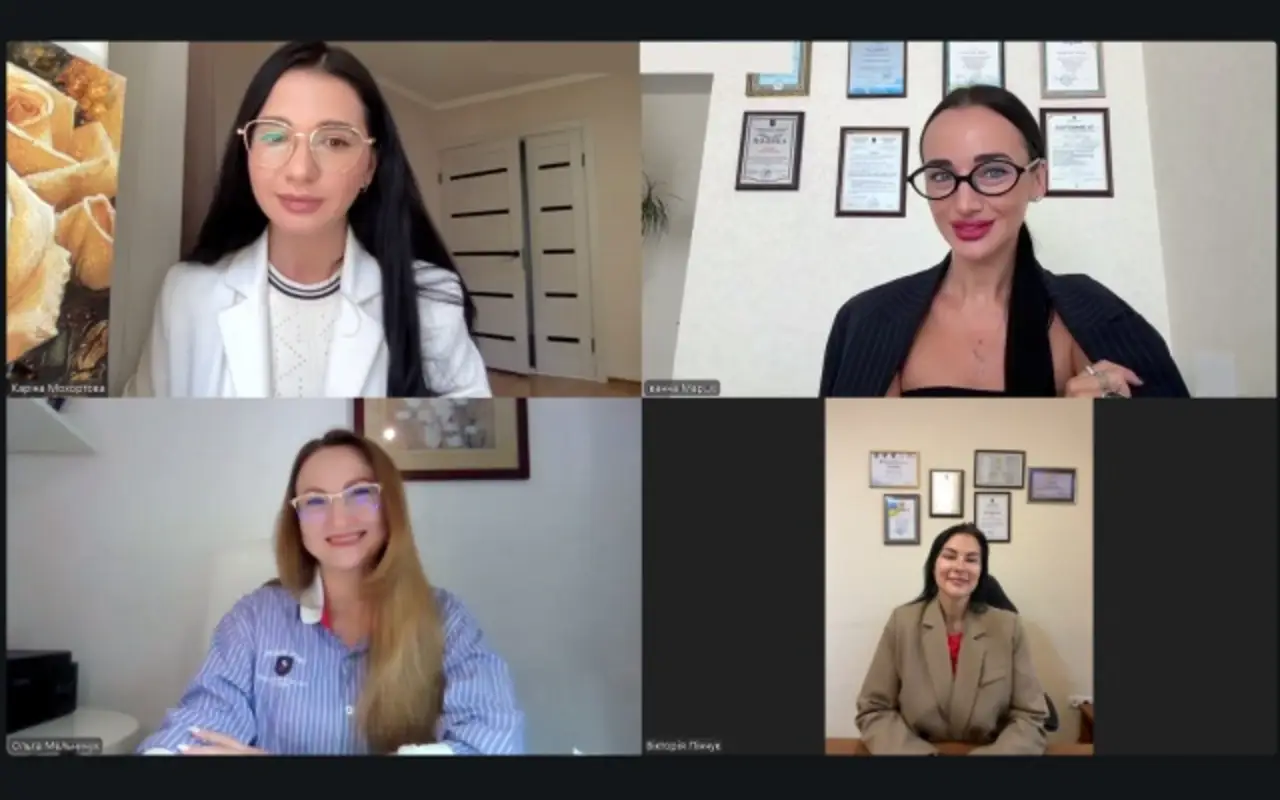
Rhetorical techniques are effective when they are tailored to the audience, the situation, and the purpose of the speech. Therefore, before speaking, an advocate should determine what message the court, client, or audience needs to hear and remember, and then choose the appropriate structure, examples, quotes and tone.
Educational events
Tax residency of Ukrainians abroad: what matters
The determination of tax residency for Ukrainians who have been living abroad for an extended period depends on the combination of their personal and economic ties to each country. The established status determines the procedure for reporting income, paying taxes and fulfilling CFC reporting obligations.
Publications

Vasyl Kolishnyi, «Law and Business» Supporting mental health should become part of the professional culture of the Bar, - H. Udovenko

Volodymyr Matsko Extradition during wartime: when the risks outweigh the request

Volodymyr Matsko Extradition as a systemic form of rights violations

Victoria Yakusha, Law and Business The anti-corruption vertical cannot «take care» of the Bar as an institution, - acting head of the HQDCB

Censor.net Protecting advocates – protecting justice: addressing concerns about the new law

Ihor Kolesnykov A BRIEF SUMMARY REGARDING THE APPLICATION OF THE ORDER ON EXTENDED CONFISCATION IN LATVIA REGARDING FINANCIAL ASSETS OF…

Valentyn Gvozdiy WORKING IN A WAR ZONE

Lydia Izovitova Formula of perfection