


A failed lobbying of the draft law No. 9055 has uncovered it as an attempt to receive the quota of the bar in HQCJ and HCJ
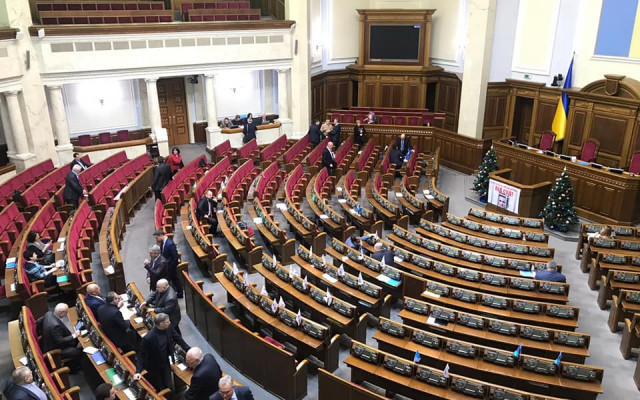
The draft law "On the Bar and Advocacy" No. 9055 loses the chances for parliamentary approval and is increasingly devoiding of the characteristics of a reformist, pro-European document.
This is written by Secretary of the Bar Council of Ukraine Pavlo Grechkivsky in a blog on LB.ua
"The status of an urgent legislative initiative did not help the accelerated adoption of the law. Blitzkrieg did not succeed because of the resistance of the bar community, which is quite noticeable, in spite of all the trying to replace or oppose the entire bar to individual legal parties tandem with public organizations and authorities, " - he stated.
In the last plenary days of the past year, the Parliament has not yet reached the consideration of a new version of the law "On the Bar and Advocacy". The draft law has been prepared for voting from the end of November, but this was prevented, in the first place, by its consideration by the National Agency on Corruption Prevention, and subsequently - the absence of the required 226 votes and, in general, discipline in the hall on the last working days of December.
"This is good not only for the opponents of the draft law but also for its supporters since the situation allows them to avoid the dangerous label of a lobbyist of the corruption-friendly draft law," - said Pavlo Grechkivsky.
Instead, within 4 months of its submission to the Parliament, "the draft law lost its reformist European elegance after the failed collateral arrangements and devastating people’s deputies' statements (such as Tetiana Chornovil). This legislative initiative is not about the adaptation of European standards and practices, although there are the names of two Council of Europe experts included in the history of its creation."
"The new version of the law on the bar is a blunt instrument of primitive political or career struggle for leading positions of the bar self-government, for the right to accept thousands of lawyers to the bar, and the right to determine without the Congress of Advocates to whom to give quotas to the HQCJ and the High Council of Justice. The most active supporters of the draft comprise a short list of newly elected heads of regional chambers of the bar, regional bar councils, the Higher Qualification and Higher Disciplinary Bar Commissions and other bodies. The closer the Congress of Advocates on the election of representatives to the supreme bodies of the judiciary, the more obvious becomes the true scenario of future changes, envisaged by draft law No. 9055. Some officials, in order to "resign" successfully, decided to establish control over the bar, apply to the HCJ, and even lead this body. After all, the bar's quota is a constant, it does not depend on the results of the election, in contrast with the changing fate of the representatives of the HCJ from the parliament and appointed by the President. This "reformatory" scenario is not implemented with honest methods. Searches in the premises of a bar council of a western region, the suspicions presented to several advocates working in self-government - this is not an accident and no merit of law enforcement, but organized provocations to defame the existing bar," - writes Pavlo Grechkivsky.
The BCU Secretary urges the supporters of the draft law to wait till the Congress of Advocates of Ukraine.
Popular news
Legislation
A bill implementing the Convention on the Protection of the Professions of Lawyer has been introduced
The constitutional guarantees of legal aid, defense, and the independence of advocacy cannot be realized without protecting advocates from unwarranted interference in their professional activities, including searches, the seizure of professional materials and the use of criminal procedural mechanisms to exert pressure.
Abroad
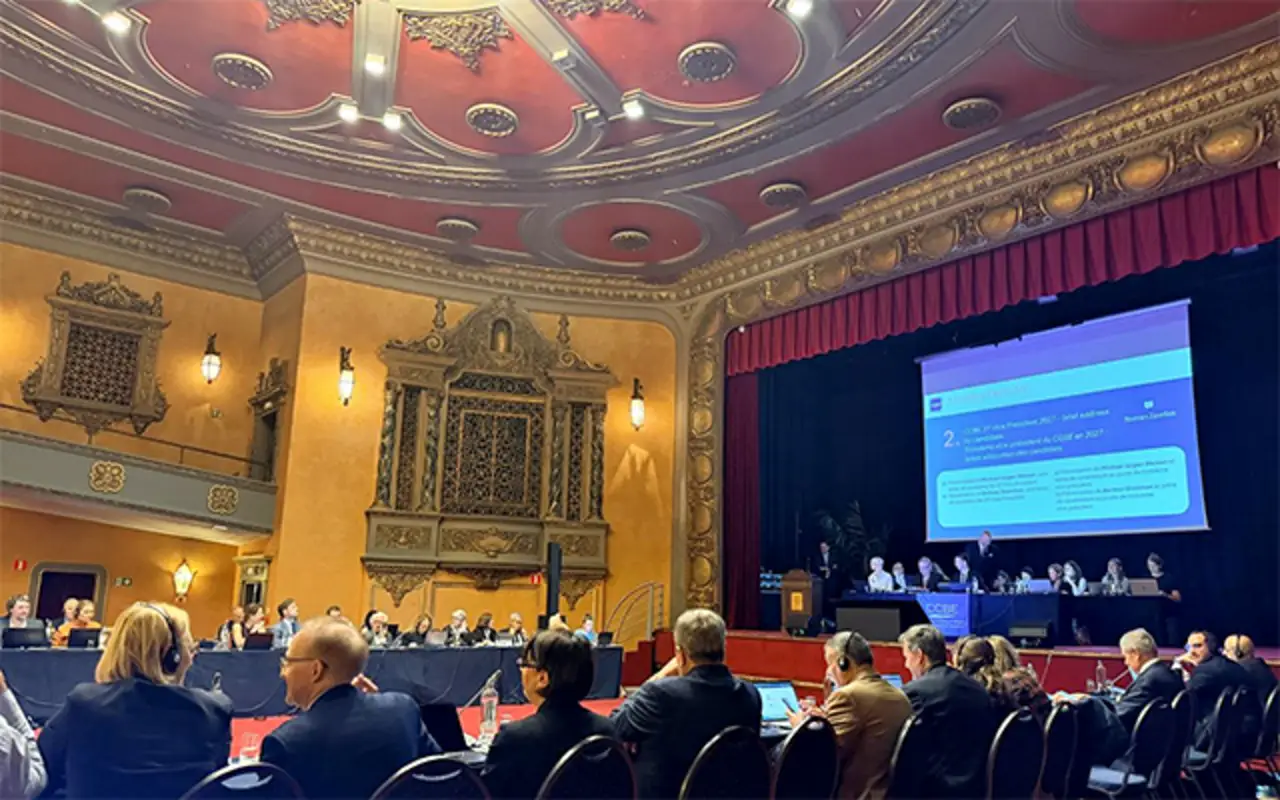
The CCBE is discussing European justice and issues related to the protection of advocates
Today, October 2, a meeting of the Standing Committee of the Council of Bars and Law Societies of Europe (CCBE) is taking place in Brussels. On the agenda are the protection of the advocate profession, the rule of law, attorney-client privilege, and changes in the European justice system.
Rule of Law Roadmap
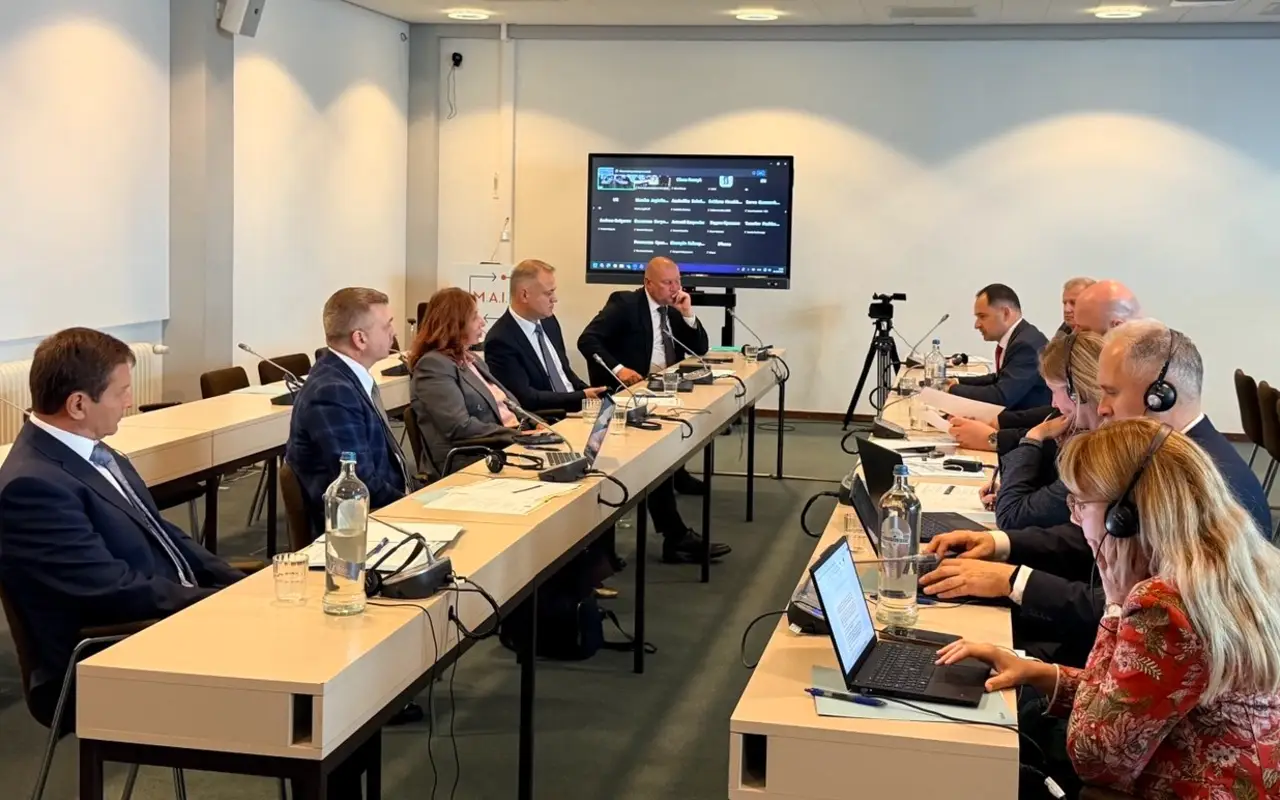
The UNBA presented the key provisions of the future law on advocacy in Brussels
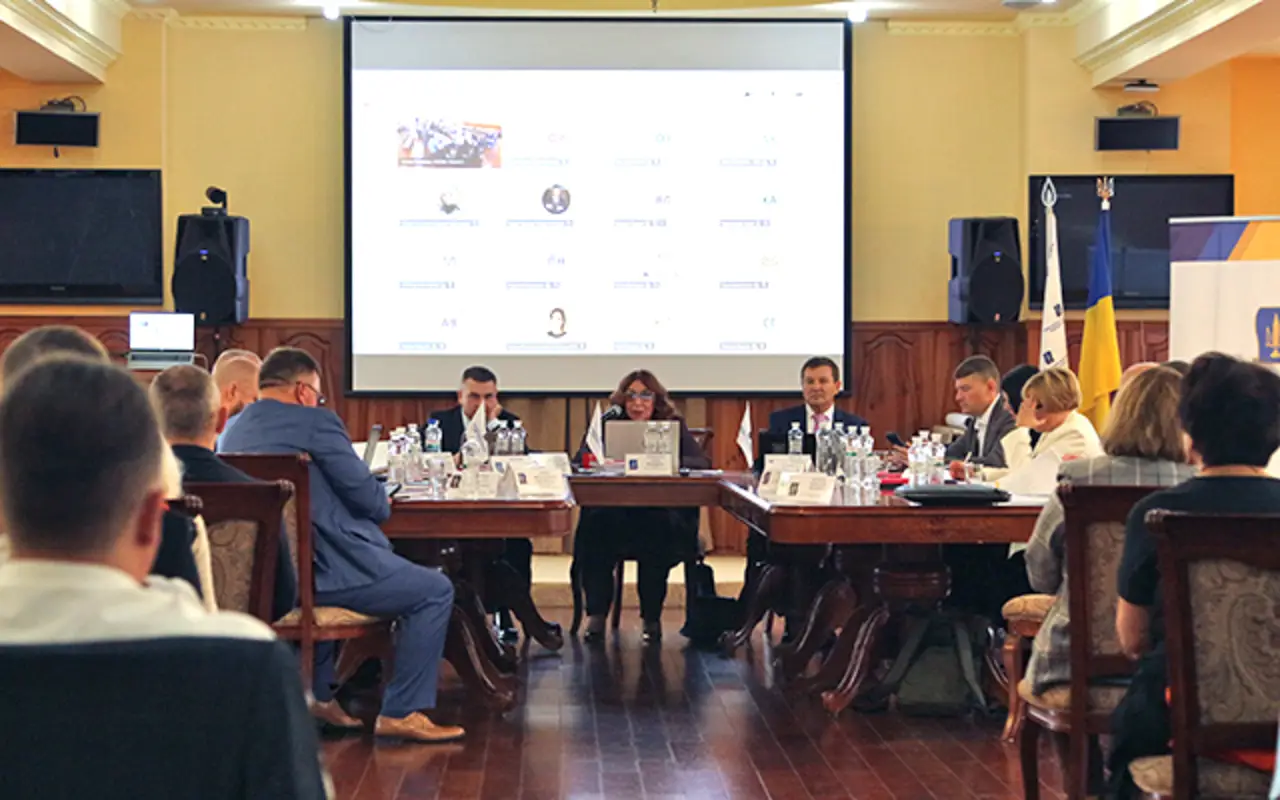
The Ukrainian National Bar Association presented its proposals for the upcoming law on advocacy, aligned with the Rule of Law Roadmap. The presentation covered topics such as access to the profession, self-governance, disciplinary procedures, professional development and guarantees for the practice of advocacy.
Guarantees of the practice of law
Independent oversight is necessary before using CISA materials against an advocate – Lidiya Izovitova
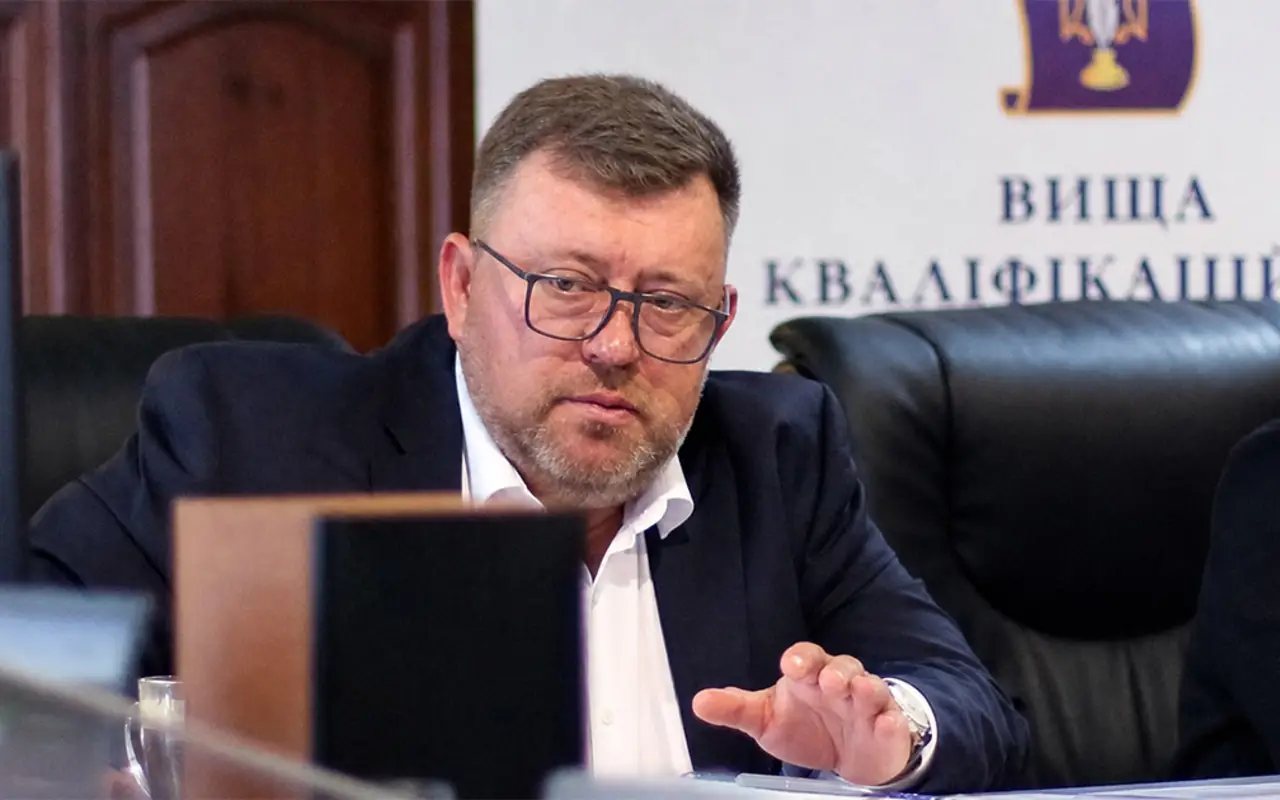
Before the prosecution uses information obtained during covert investigative actions and related to an advocate’s activities, independent procedural oversight must be conducted. It is necessary to determine whether such information is covered by attorney-client privilege and whether it may be disclosed.
Self-government
Efforts to develop advocacy must be brought to fruition — A. Misyats
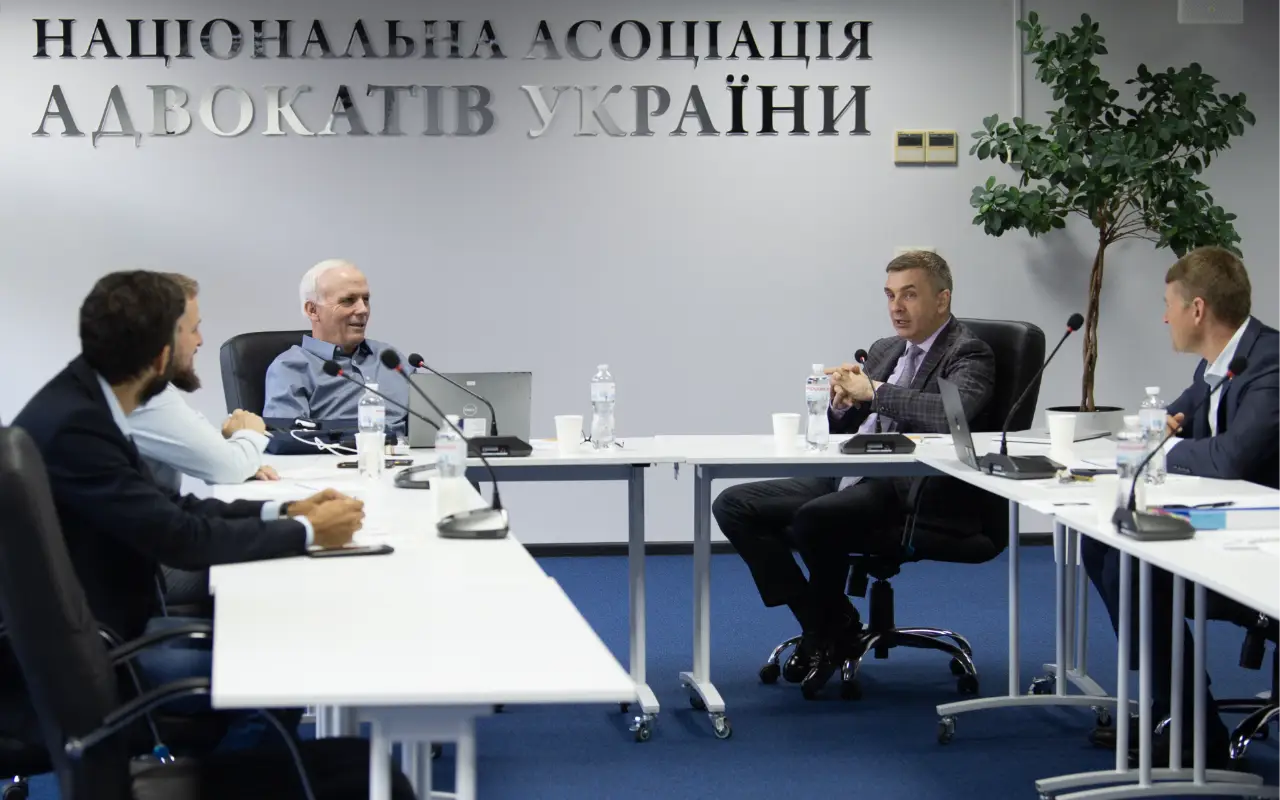
The Ukrainian advocacy profession is currently going through a critical phase. Amid the war, it must ensure the continuity of legal aid, defend the independence of the profession, and improve qualification and disciplinary procedures in accordance with European standards. The work that has been started must be brought to a practical conclusion.
Support
Protecting the legal profession, cybersecurity and support for advocates: common themes for the IBA and the UNBA
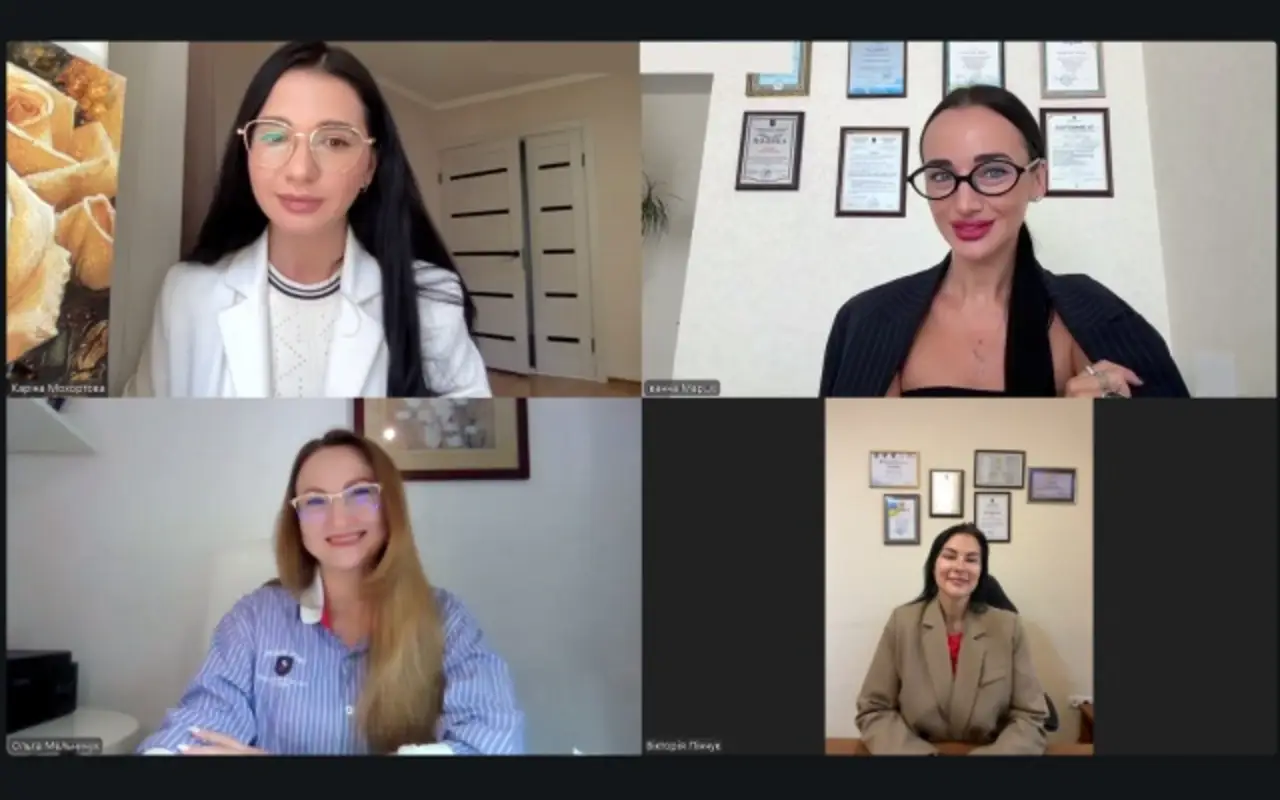
On September 18, a working meeting was held at the office of the Ukrainian National Bar Association with Executive Director of the International Bar Association (IBA) Mark Ellis. The parties discussed the Ukrainian advocacy profession’s participation in European legal processes, the protection of the UNBA’s digital infrastructure, psychological support for advocates and future areas of cooperation.
Educational events
Not every eloquent phrase is persuasive: how an advocate should choose a speaking style
Rhetorical techniques are effective when they are tailored to the audience, the situation, and the purpose of the speech. Therefore, before speaking, an advocate should determine what message the court, client, or audience needs to hear and remember, and then choose the appropriate structure, examples, quotes and tone.
Educational events
Tax residency of Ukrainians abroad: what matters
The determination of tax residency for Ukrainians who have been living abroad for an extended period depends on the combination of their personal and economic ties to each country. The established status determines the procedure for reporting income, paying taxes and fulfilling CFC reporting obligations.
Publications

Vasyl Kolishnyi, «Law and Business» Supporting mental health should become part of the professional culture of the Bar, - H. Udovenko

Volodymyr Matsko Extradition during wartime: when the risks outweigh the request

Volodymyr Matsko Extradition as a systemic form of rights violations

Victoria Yakusha, Law and Business The anti-corruption vertical cannot «take care» of the Bar as an institution, - acting head of the HQDCB

Censor.net Protecting advocates – protecting justice: addressing concerns about the new law

Ihor Kolesnykov A BRIEF SUMMARY REGARDING THE APPLICATION OF THE ORDER ON EXTENDED CONFISCATION IN LATVIA REGARDING FINANCIAL ASSETS OF…

Valentyn Gvozdiy WORKING IN A WAR ZONE

Lydia Izovitova Formula of perfection