


There is no prohibition for advocates to take part in professional development activities conducted by other regional bar councils
The new Order of Professional Development of Advocates is becoming less and less intimidating for advocates, especially those who have already been trained under the new rules and have learned from their own experience the convenience and ease of the process. However, there are still single colleagues who are openly trying to manipulate the minds of others in a non-constructive way.
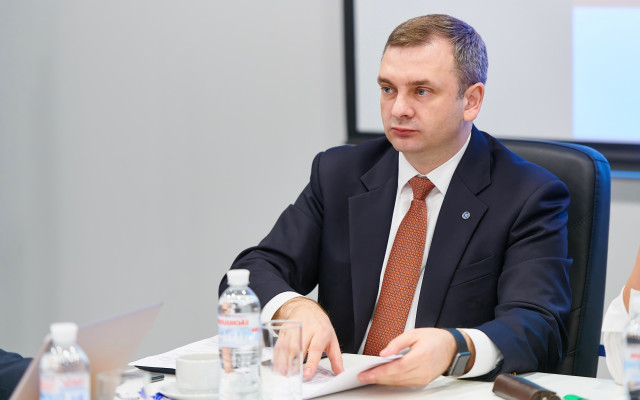
"Both UNBA and the Higher School of Advocacy continue to provide clarification on major changes, both individually and through publications in the media and in the training of regional bar self-government bodies responsible for the professional development of advocates of the regions," - says Deputy Head of UNBA, BCU Valentyn Gvozdii.
According to him, under the new rules, regional bar councils:
- are operators of professional development of advocates in their region that do not require accreditation;
- are obliged to organize, on their own or in cooperation with the UNBA Higher School of Advocacy or other operators, professional development activities at the regional level (at least three events per year and with a total duration of at least ten hours).
At the same time, the events for advocates remain free of charge. However, the new order now also regulates the procedure for conducting and remunerative measures, which can be carried out in addition to the free ones. The schedule of all events is published on the UNBA's official website and is announced in the regions and on the website of the UNBA accreditation center. The new rules have no impact on the number or theme of such measures.
The only difference with regard to participation in such activities is in the order of registration. Now you need to do this on a single accreditation center platform online. This mechanism is very convenient for the advocate, as well as unloading the regional bar councils, and today we have exceptionally positive feedback from both the advocates and the operators.
At the same time, in some regions, there have been situations where advocates from other regions seem to have been denied registration in free activities conducted by regional bar councils.
There are cases of failure, but the reasons are always different:
1. The advocate is not registered in the Single Register of Advocates of Ukraine. That is, such a person is not an advocate.
2. The number of seats to the event is limited. It is logical that regional bar council gives priority to the advocates of its region, because it is at the expense of the contributions of the local community that the activity of the bar self-government is carried out.
3. The advocate is registered for the event by mistake. This happens. In such a case, cancellation of the registration for the participation takes place by mutual consent during a telephone call for confirmation of participation.
4. Provocations with "refusals" are created deliberately to mislead the society on social network with a "betrayal'. We understand who is doing what and why, and such actions indicate both a complete misunderstanding of the new rules and a lack of respect for our colleagues and the disregard for the rules of professional conduct.
"There is no prohibition for advocates to take part in professional development activities conducted by other regional bar councils. The registration of advocates from other regions is always at the discretion of the event organizer," - stated Valentyn Gvozdii.
The UNBA Deputy Head advises advocates who want to attend a free seminar in the region other than where their main workplace is located, to focus primarily on the schedule of free UNBA seminars taking place in different regions. Such events are intended for a larger audience and are conducted at the expense of UNBA for all Ukrainian advocates, not just for advocates of a particular region.
For example, such a seminar was held in Odessa on July 27, and was attended by almost 1,000 advocates from different regions of the country.
"Respecting the powers and principles of independence of the regional bodies of bar self-government, the UNBA maintains that the Bar of Ukraine is a unified national institution. We have never supported any divisions between regions and the ideas of "federalization" of the bar, which, by the way, have been proposed by the draft law No. 9055. However, the ideologists of such "changes" have been defeated, and it is obvious that attempts to spread the next myths about some barriers between bar communities of different regions are a phantom pain for those who have had the idea of dividing the bar,” - commented Valentyn Gvozdii.
The Order of Professional Development of Advocates
Schedule of UNBA training activities for the second half of 2019
Popular news
Legislation
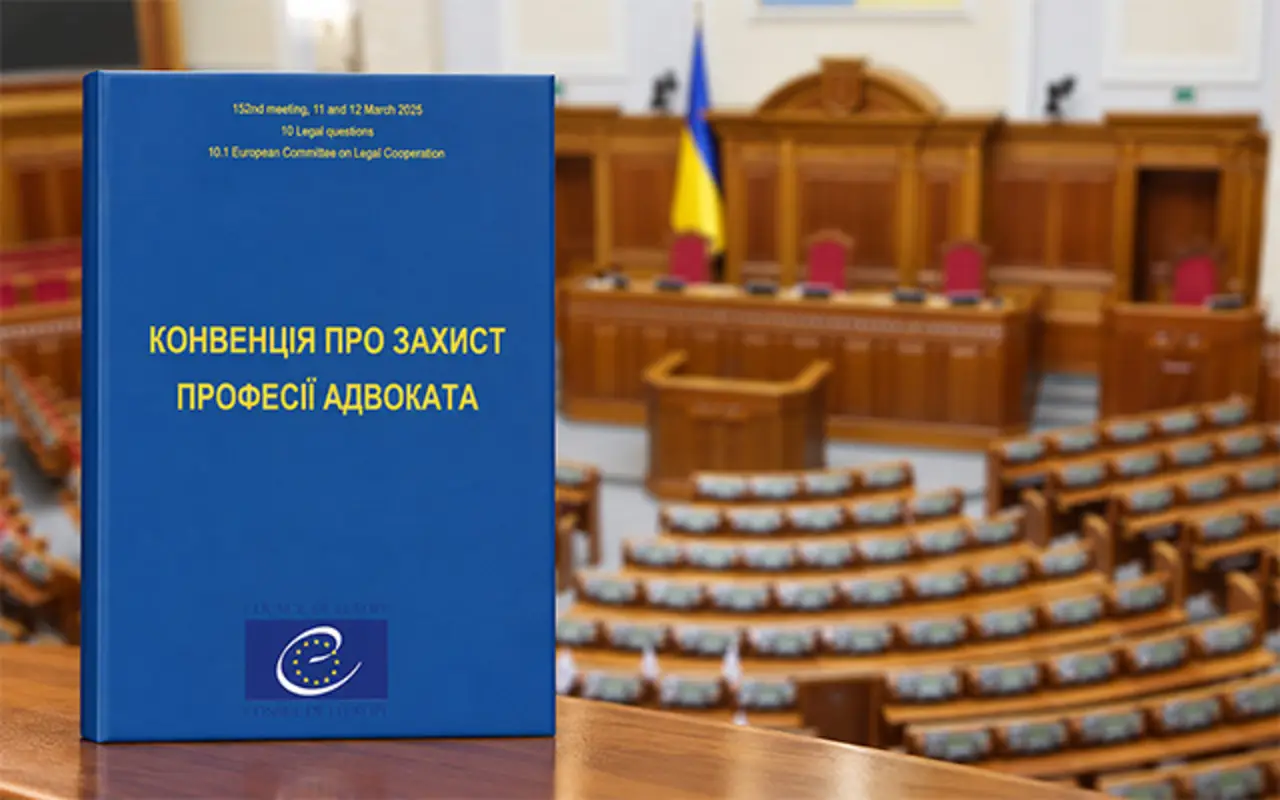
A bill implementing the Convention on the Protection of the Professions of Lawyer has been introduced
The constitutional guarantees of legal aid, defense, and the independence of advocacy cannot be realized without protecting advocates from unwarranted interference in their professional activities, including searches, the seizure of professional materials and the use of criminal procedural mechanisms to exert pressure.
Abroad
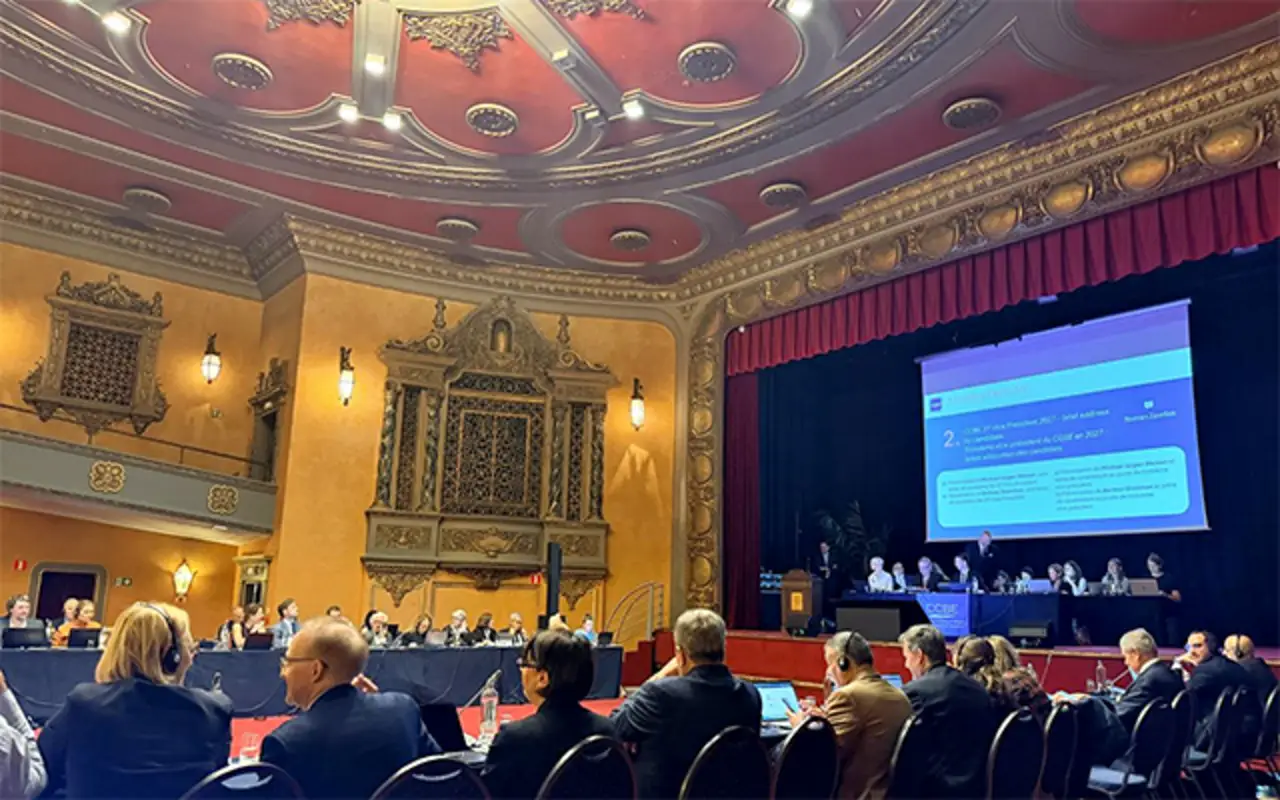
The CCBE is discussing European justice and issues related to the protection of advocates
Today, October 2, a meeting of the Standing Committee of the Council of Bars and Law Societies of Europe (CCBE) is taking place in Brussels. On the agenda are the protection of the advocate profession, the rule of law, attorney-client privilege, and changes in the European justice system.
Rule of Law Roadmap
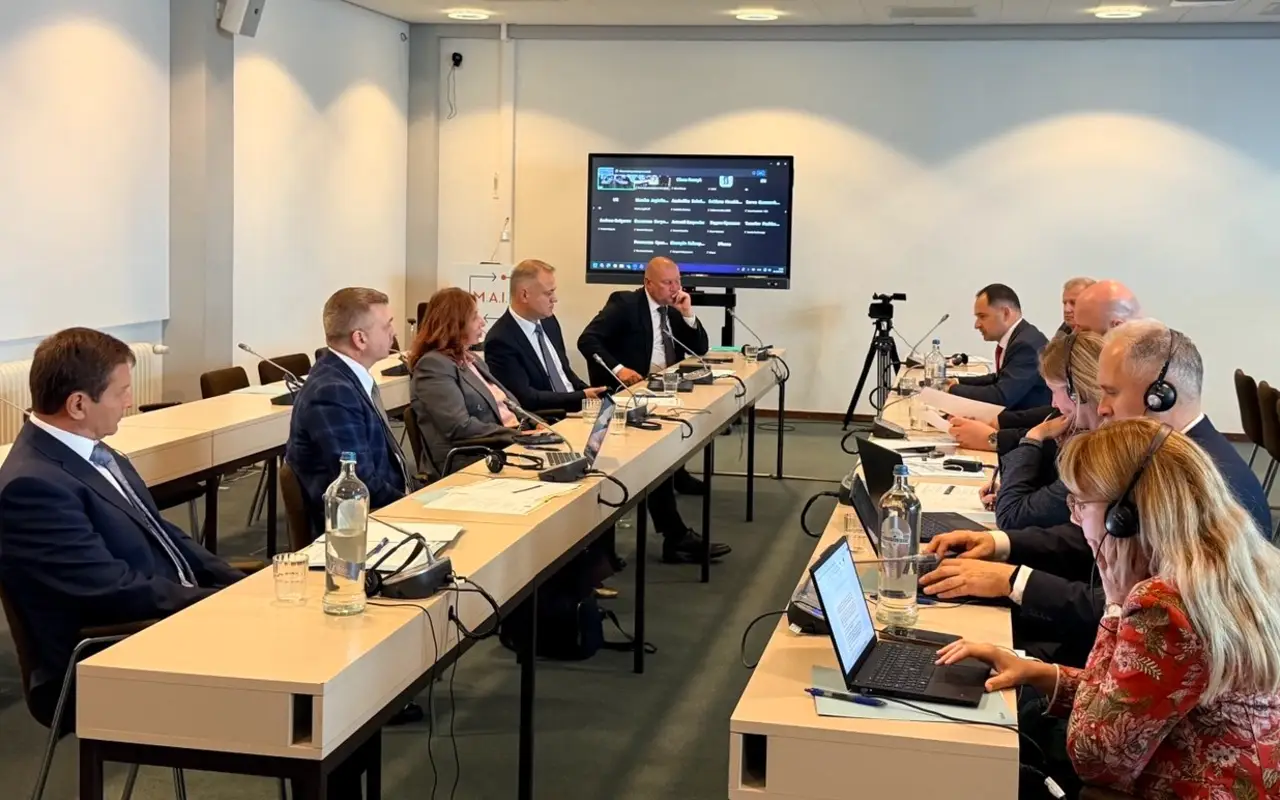
The UNBA presented the key provisions of the future law on advocacy in Brussels
The Ukrainian National Bar Association presented its proposals for the upcoming law on advocacy, aligned with the Rule of Law Roadmap. The presentation covered topics such as access to the profession, self-governance, disciplinary procedures, professional development and guarantees for the practice of advocacy.

Educational events
Advocates were taught to voice their complaints without making accusations
In a difficult conversation, it’s easy to confuse facts with opinions, feelings with accusations, and requests with demands. How can you express dissatisfaction, explain your own needs, and propose a specific solution while still allowing your conversation partner the opportunity to refuse or suggest an alternative?

Guarantees of the practice of law
Unrestricted access to advocates' accounts poses a risk of client data disclosure — BCU
Information regarding transactions in the bank accounts of an advocate, a law firm, or a bar association from which clients can be identified, as well as the fact and subject matter of a request for legal assistance, the purpose of payments, and the amount of the fee constitutes attorney-client privilege. This rule applies regardless of whether the information also constitutes banking information and is in the possession of a bank.
Guarantees of the practice of law
The contract provides for a video conference, but the court requires in-person appearance: how should an advocate proceed?
Many advocates today work remotely; therefore, their agreements with clients provide for the provision of legal assistance via videoconferencing. However, this form of work does not, in and of itself, create an unconditional obligation for the court to conduct every hearing via videoconference.
Guarantees of the practice of law
Independent oversight is necessary before using CISA materials against an advocate – Lidiya Izovitova
Before the prosecution uses information obtained during covert investigative actions and related to an advocate’s activities, independent procedural oversight must be conducted. It is necessary to determine whether such information is covered by attorney-client privilege and whether it may be disclosed.
Self-government
Efforts to develop advocacy must be brought to fruition — A. Misyats
The Ukrainian advocacy profession is currently going through a critical phase. Amid the war, it must ensure the continuity of legal aid, defend the independence of the profession, and improve qualification and disciplinary procedures in accordance with European standards. The work that has been started must be brought to a practical conclusion.
Publications

Vasyl Kolishnyi, «Law and Business» Supporting mental health should become part of the professional culture of the Bar, - H. Udovenko

Volodymyr Matsko Extradition during wartime: when the risks outweigh the request

Volodymyr Matsko Extradition as a systemic form of rights violations

Victoria Yakusha, Law and Business The anti-corruption vertical cannot «take care» of the Bar as an institution, - acting head of the HQDCB

Censor.net Protecting advocates – protecting justice: addressing concerns about the new law

Ihor Kolesnykov A BRIEF SUMMARY REGARDING THE APPLICATION OF THE ORDER ON EXTENDED CONFISCATION IN LATVIA REGARDING FINANCIAL ASSETS OF…

Valentyn Gvozdiy WORKING IN A WAR ZONE

Lydia Izovitova Formula of perfection