


Valentyn Hvozdiy: unconstitutional provisions of any law must be immediately removed by the Parliament

The purpose of the decision of the Constitutional Court, which declared several provisions of the Law of Ukraine "On Prevention of Corruption" unconstitutional, was to eliminate the levers of influence on the judiciary.
This conviction was expressed by the Deputy Head of UNBA, BCU Valentyn Hvozdiy during the second national discussion "Access to Justice: Realities and Prospects". Video of the performance can be viewed here.
Valentyn Hvozdiy stressed that this was the first bold decision made by a court in Ukraine recently.
"When we talk about the court today, we are primarily waiting for fair court decisions. We want the court to fulfill the function for which it was created - to ensure fair, transparent, efficient, prompt justice. This is possible in case the court is strong and independent. But today these words are heard so often that for the majority they have lost their meaning and have no practical reflection of their essence. Perhaps, the last decision of the CCU is a loud voice of the judiciary, which finally said its word and showed that judges really want to be independent,"- said Valentyn Hvozdiy.
The Deputy Head of UNBA and the BCU is convinced that the constitutional crisis was created artificially.
"I do not see any constitutional crisis in a country where there is a constitution aimed at setting boundaries for the government. The Constitution is adopted by the Parliament to ensure the observance of their rights and the guarantees they declare through the established mechanisms of restrictions on the balance of power. For the first time, in my opinion, the CCU made such a bold decision in the interests of the judiciary. If you reject all the hysteria, slogans, statements, there is a short and simple essence - you cannot exert influence and pressure on the judiciary from the executive branch. When the CCU said that we were removing leverage to make the courts fair, it was under attack. Such a discussion platform is needed to explain difficult things to people," - he said.
Valentyn Hvozdiy believes that the unconstitutional provisions of any law, which are recognized as such in any decision of the CCU, should be immediately eliminated through the Parliament.
"What needs to be done?" Firstly, do not shout "betrayal" and "everything is gone”. We need to write normal, high-quality laws, and move forward. In the law on prevention of corruption, the parliament should add one or two articles on 4 lines, which will outline the mechanism of anti-corruption control over judges, so that it does not put pressure on them. That's all, "- Valentyn Hvozdiy summed up.
It will be recalled that the second national discussion "Access to Justice: Realities and Prospects" took place on November 30. The co-organizers of the event are UNBA and the High Council of Justice. The full video of the event can be viewed here.
In October, UNBA issued a statement concerning the CCU's decision on the unconstitutionality of certain provisions of anti-corruption legislation, calling for the restoration of the supreme force of constitutional norms (https://unba.org.ua/news/5985-zayava-naau-shodo-rishennya-ksu-pro-nekonstitucijnist-okremih-polozhen-antikorupcijnogo-zakonodavstva.html).
Popular news
Legislation
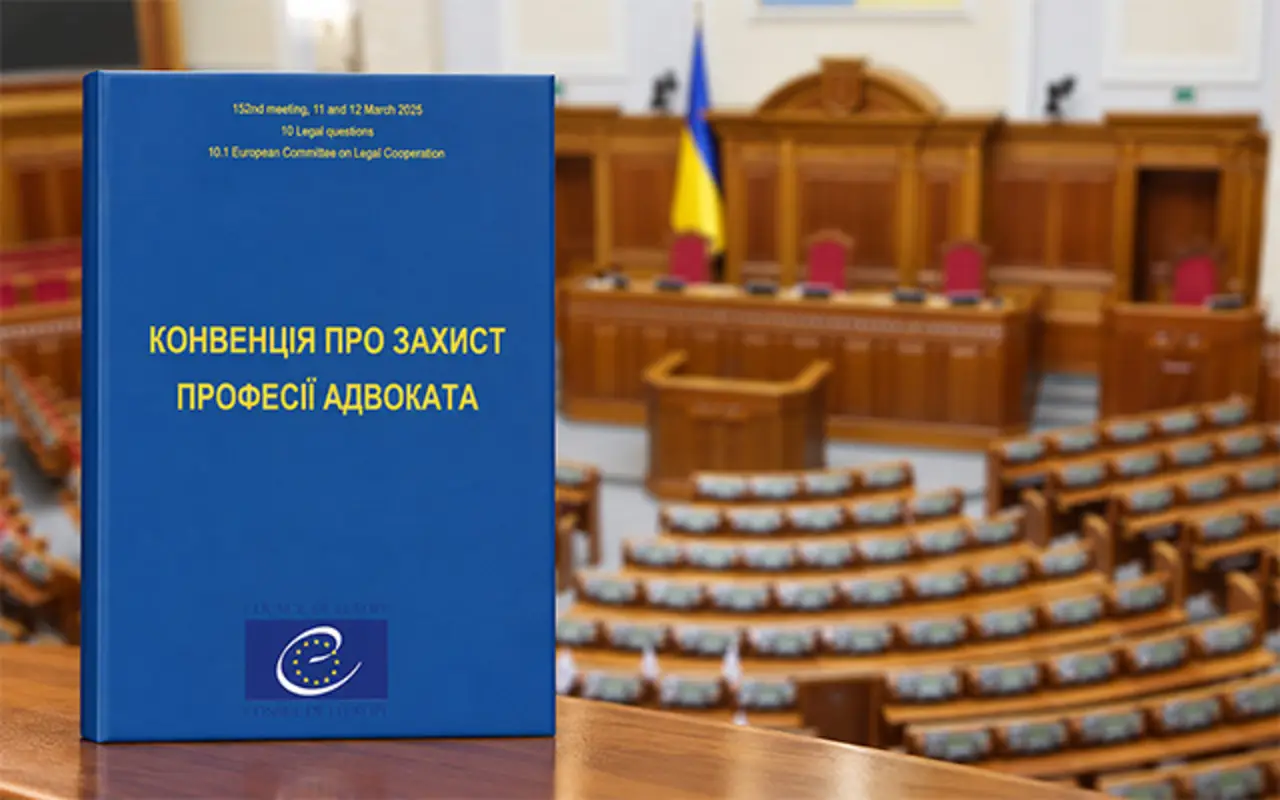
A bill implementing the Convention on the Protection of the Professions of Lawyer has been introduced
The constitutional guarantees of legal aid, defense, and the independence of advocacy cannot be realized without protecting advocates from unwarranted interference in their professional activities, including searches, the seizure of professional materials and the use of criminal procedural mechanisms to exert pressure.
Abroad
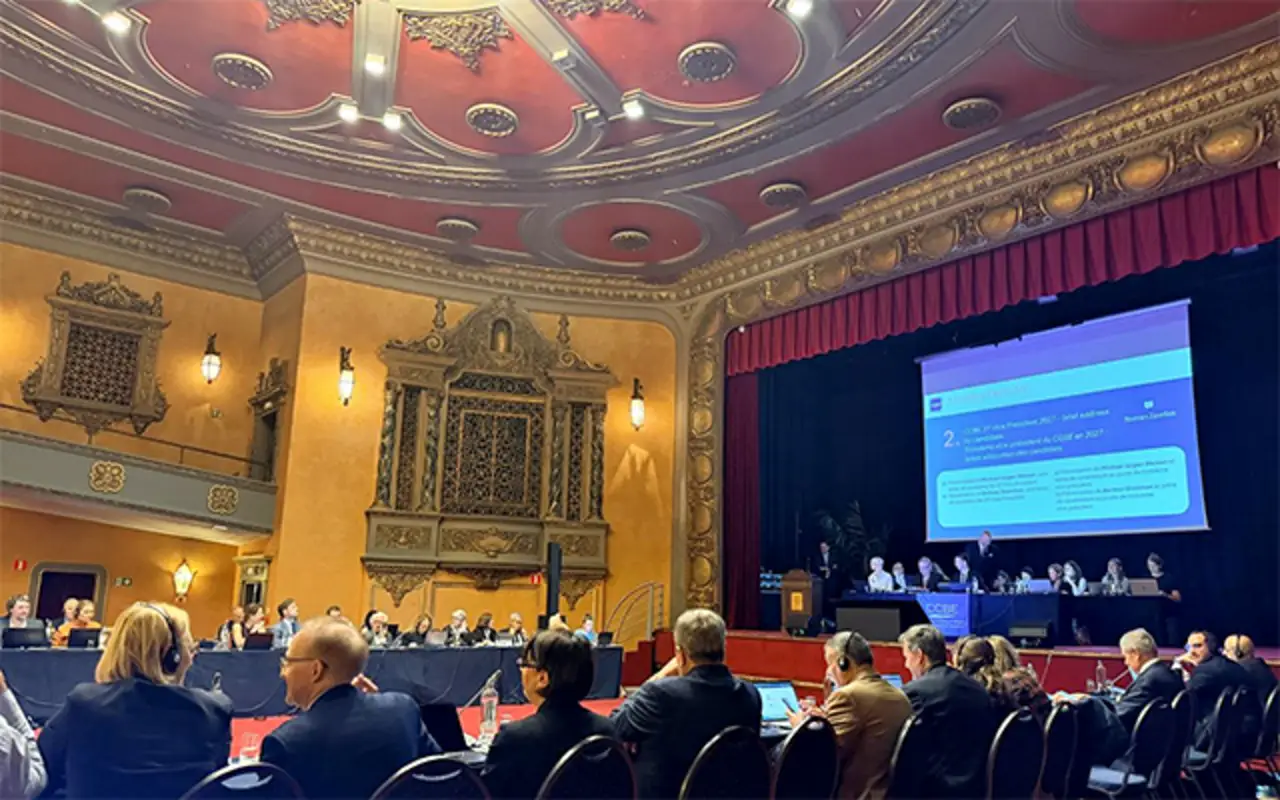
The CCBE is discussing European justice and issues related to the protection of advocates
Today, October 2, a meeting of the Standing Committee of the Council of Bars and Law Societies of Europe (CCBE) is taking place in Brussels. On the agenda are the protection of the advocate profession, the rule of law, attorney-client privilege, and changes in the European justice system.
Rule of Law Roadmap
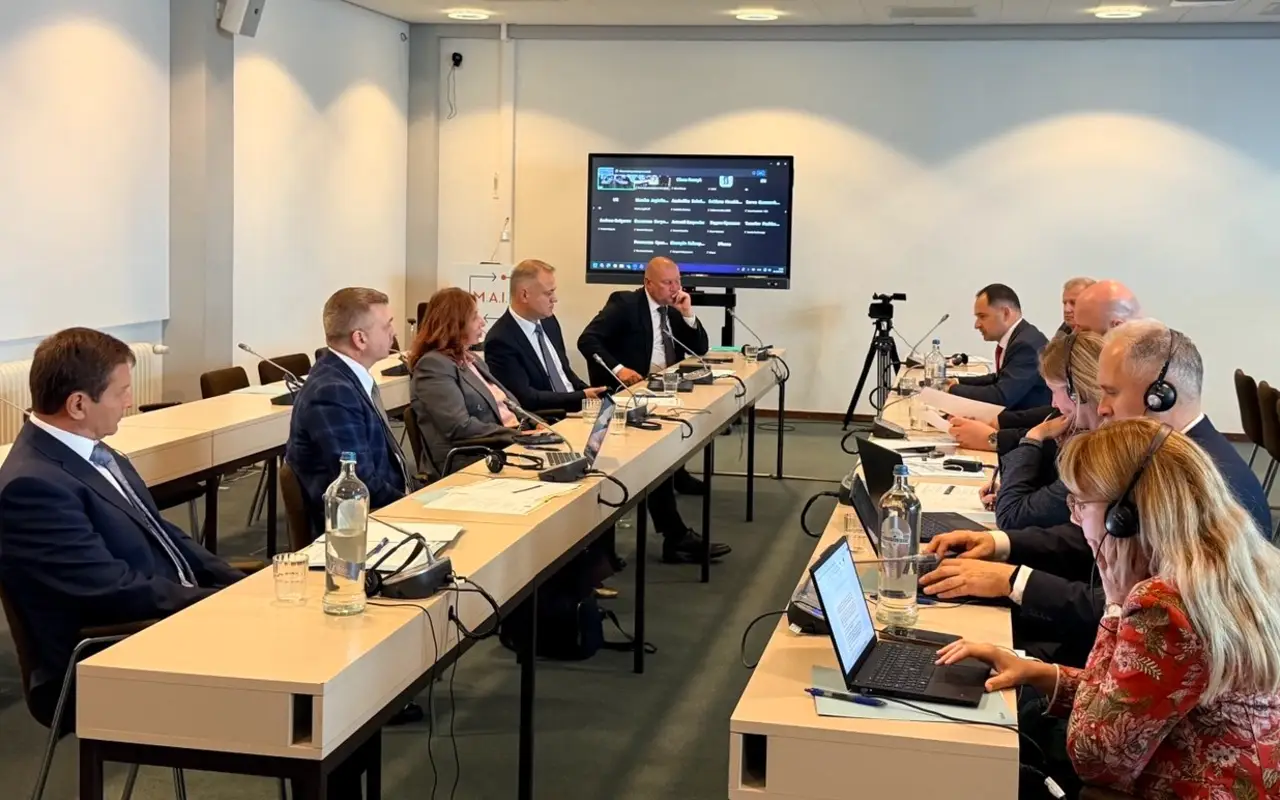
The UNBA presented the key provisions of the future law on advocacy in Brussels
The Ukrainian National Bar Association presented its proposals for the upcoming law on advocacy, aligned with the Rule of Law Roadmap. The presentation covered topics such as access to the profession, self-governance, disciplinary procedures, professional development and guarantees for the practice of advocacy.
Guarantees of the practice of law
Independent oversight is necessary before using CISA materials against an advocate – Lidiya Izovitova
Before the prosecution uses information obtained during covert investigative actions and related to an advocate’s activities, independent procedural oversight must be conducted. It is necessary to determine whether such information is covered by attorney-client privilege and whether it may be disclosed.
Self-government
Efforts to develop advocacy must be brought to fruition — A. Misyats
The Ukrainian advocacy profession is currently going through a critical phase. Amid the war, it must ensure the continuity of legal aid, defend the independence of the profession, and improve qualification and disciplinary procedures in accordance with European standards. The work that has been started must be brought to a practical conclusion.

Support
Protecting the legal profession, cybersecurity and support for advocates: common themes for the IBA and the UNBA
On September 18, a working meeting was held at the office of the Ukrainian National Bar Association with Executive Director of the International Bar Association (IBA) Mark Ellis. The parties discussed the Ukrainian advocacy profession’s participation in European legal processes, the protection of the UNBA’s digital infrastructure, psychological support for advocates and future areas of cooperation.
Educational events
Not every eloquent phrase is persuasive: how an advocate should choose a speaking style
Rhetorical techniques are effective when they are tailored to the audience, the situation, and the purpose of the speech. Therefore, before speaking, an advocate should determine what message the court, client, or audience needs to hear and remember, and then choose the appropriate structure, examples, quotes and tone.
Educational events
Tax residency of Ukrainians abroad: what matters
The determination of tax residency for Ukrainians who have been living abroad for an extended period depends on the combination of their personal and economic ties to each country. The established status determines the procedure for reporting income, paying taxes and fulfilling CFC reporting obligations.
Publications

Vasyl Kolishnyi, «Law and Business» Supporting mental health should become part of the professional culture of the Bar, - H. Udovenko

Volodymyr Matsko Extradition during wartime: when the risks outweigh the request

Volodymyr Matsko Extradition as a systemic form of rights violations

Victoria Yakusha, Law and Business The anti-corruption vertical cannot «take care» of the Bar as an institution, - acting head of the HQDCB

Censor.net Protecting advocates – protecting justice: addressing concerns about the new law

Ihor Kolesnykov A BRIEF SUMMARY REGARDING THE APPLICATION OF THE ORDER ON EXTENDED CONFISCATION IN LATVIA REGARDING FINANCIAL ASSETS OF…

Valentyn Gvozdiy WORKING IN A WAR ZONE

Lydia Izovitova Formula of perfection