


Adaptation of European standards opened the way for Ukrainian advocacy to integrate into the professional community of Europe - Lidiya Izovitova
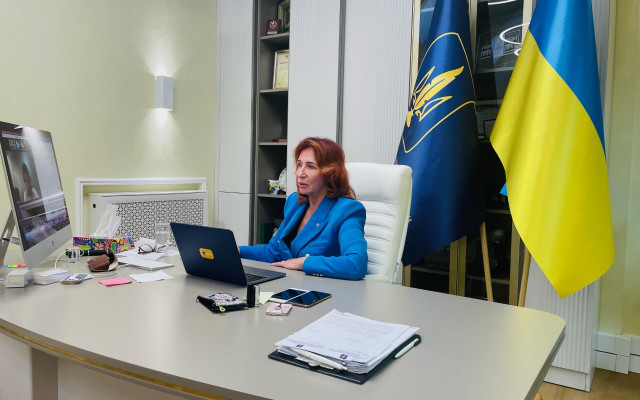
The establishment of UNBA embodied one of the conditions of the Association Agreement with the EU on the development of an independent professional self-governing organization of lawyers in Ukraine.
This was emphasized by UNBA, BCU President Lidiya Izovitova, opening the discussion panel of the conference "EU and Eastern Neighborhood", which took place in the Hague on November 23.
The event is organized by the LINKS Europe Foundation in cooperation with the Hague City Government and with the support of The Hague Humanity Hub. The event will be part of the "Conversations on the Future of Europe and the World" series and aims to be part of the discussion at the "Conference on the Future of Europe".
Lidiya Izovitova stressed that Ukraine is currently a party to the EU's Eastern Partnership foreign policy initiative, cooperating with the EU on the basis of the 2014 Association Agreement. This Agreement, in terms of its scope and thematic coverage, is the largest international legal document in the history of Ukraine and the largest international agreement with a third country ever concluded by the European Union. And its signing became possible thanks, including, and advocates.
"These are great milestones for our country's foreign policy, but their achievement took time and, most importantly, the persistent efforts of politicians, diplomats and advocates, including advocates, who paved the way for the independence of their professional community," Lidiya Izovitova said.
The President of UNBA, BCU reminded that the independent bar was built in the fight against the totalitarian regime, when Ukraine was still part of the USSR. The process of struggle began in the late 1980s, as a response to an attempt to break the oppression of the bar by the state.
Since 1991, the bar has gone through three conditional stages, and each new period is marked by changes in legislation and the Constitution. Fortunately, each new stage gave more independence to the legal profession, and brought us closer to European standards of the profession.
In 1992, the first post-Soviet law on the bar was passed, which shifted the bar from full state control to a period of quasi-self-government.
Only 20 years later, on July 5, 2012, the Parliament adopted the Law of Ukraine "On the Bar and Practice of Law", which for the first time created an independent professional organization of advocates – Ukrainian National Bar Association with a single membership and introduced a real self-governing model of Ukrainian advocacy.
"Ukraine's Bar is grateful to the PACE, which in its Resolution adopted in 1995 recommended that Ukraine establish an independent professional organization of lawyers, as one of the subsequent conditions for the future conclusion of the Association Agreement with the European Union. It took Ukraine 17 years to implement this PACE Resolution on the Bar, ”said Lidiya Izovitova.
The Law “On the Bar and Practice of Law” of 2012, implementing the recommendations of the PACE and the Venice Commission, took into account the best European practices of the organization of the bar, and European standards of self-government of the bar.
"This is a really great contribution to the development of Ukraine as a state governed by the rule of law. This is an important achievement, which turns the constitutional rights and freedoms of citizens into a real opportunity and provides a mechanism for their protection, first of all from the attack by the state, " emphasized UNBA, BCU President.
She noted that the adaptation of key European standards of legal independence and self-government to the national profile law opened the way for the Ukrainian legal profession to integrate into the European professional community.
Popular news
Guarantees of the practice of law
Guarantees for advocacy without protective measures: proposed changes to the codes
The current law sets forth the rights and guarantees of the legal profession, but lacks the tools to protect them. The future law on advocacy is intended to fill this gap through amendments to criminal, administrative and procedural legislation.
Legislation
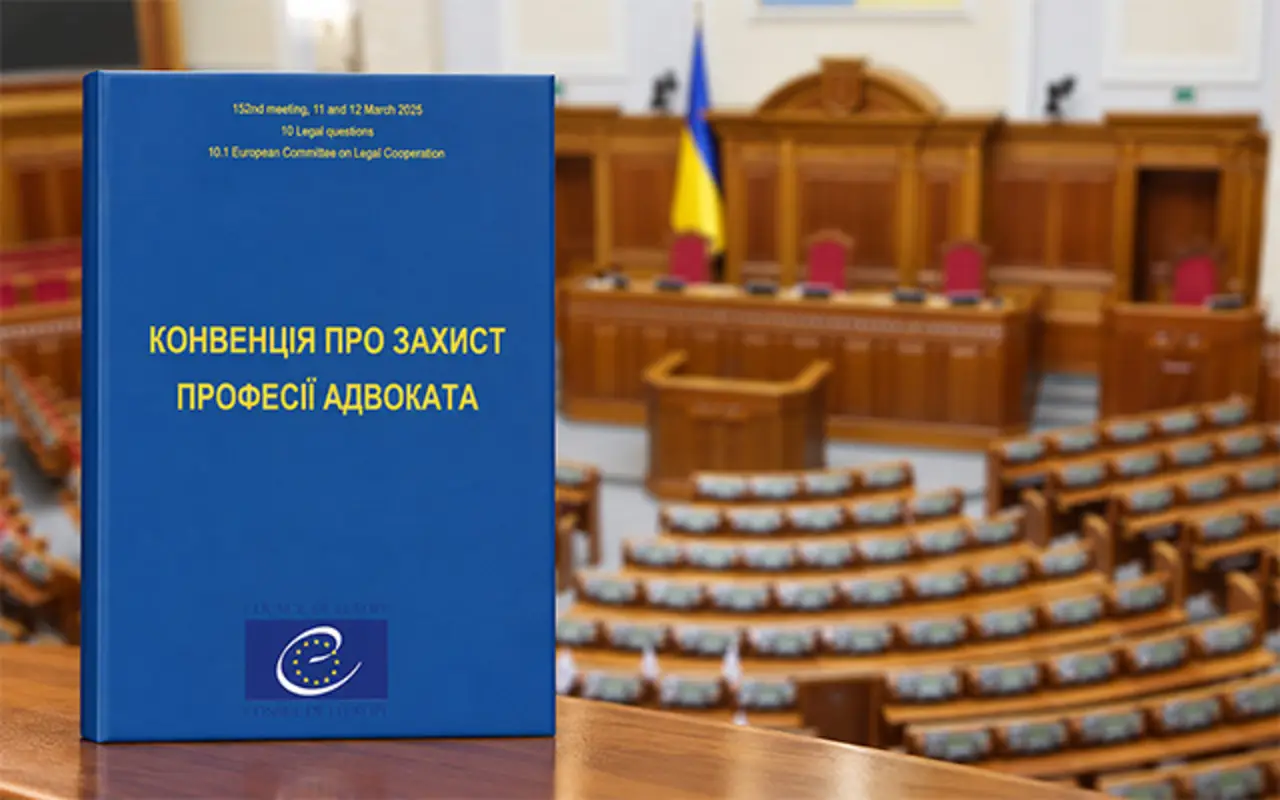
A bill implementing the Convention on the Protection of the Professions of Lawyer has been introduced
The constitutional guarantees of legal aid, defense, and the independence of advocacy cannot be realized without protecting advocates from unwarranted interference in their professional activities, including searches, the seizure of professional materials and the use of criminal procedural mechanisms to exert pressure.
Abroad
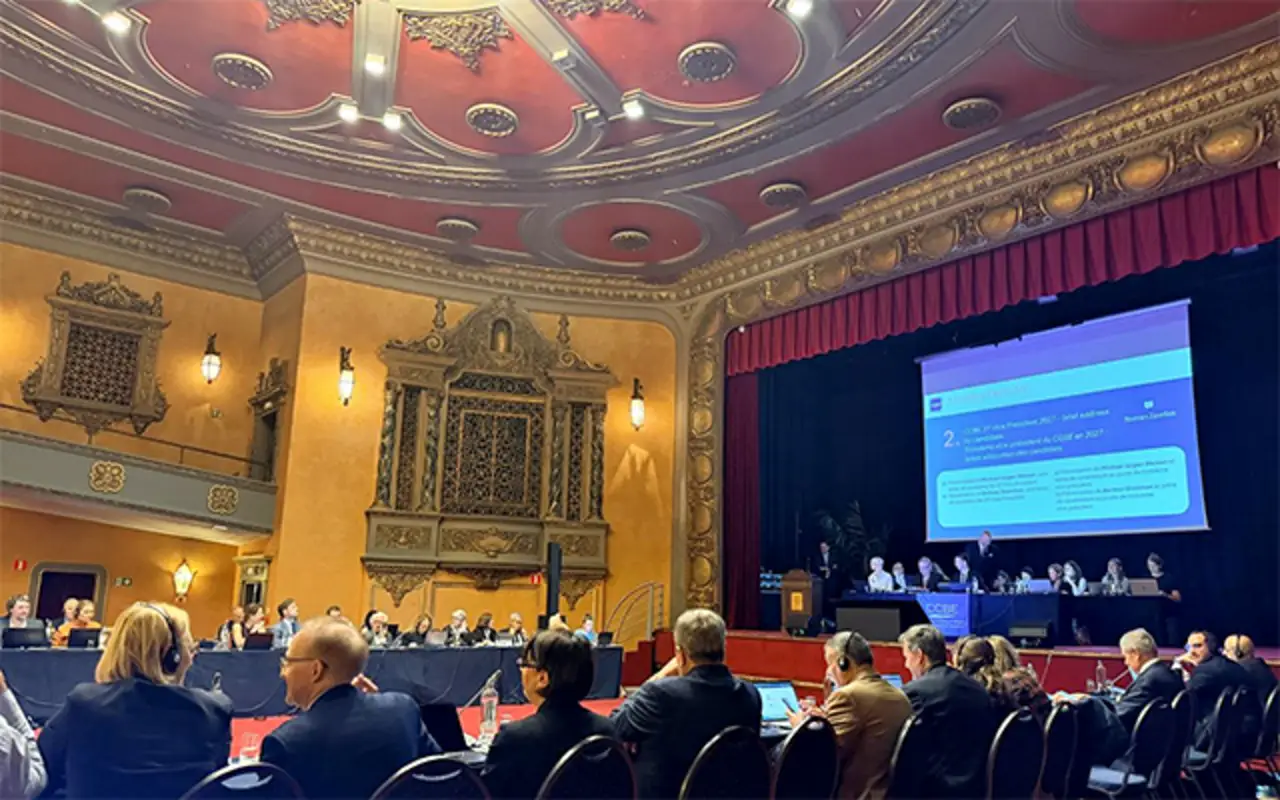
The CCBE is discussing European justice and issues related to the protection of advocates
Today, October 2, a meeting of the Standing Committee of the Council of Bars and Law Societies of Europe (CCBE) is taking place in Brussels. On the agenda are the protection of the advocate profession, the rule of law, attorney-client privilege, and changes in the European justice system.
Rule of Law Roadmap
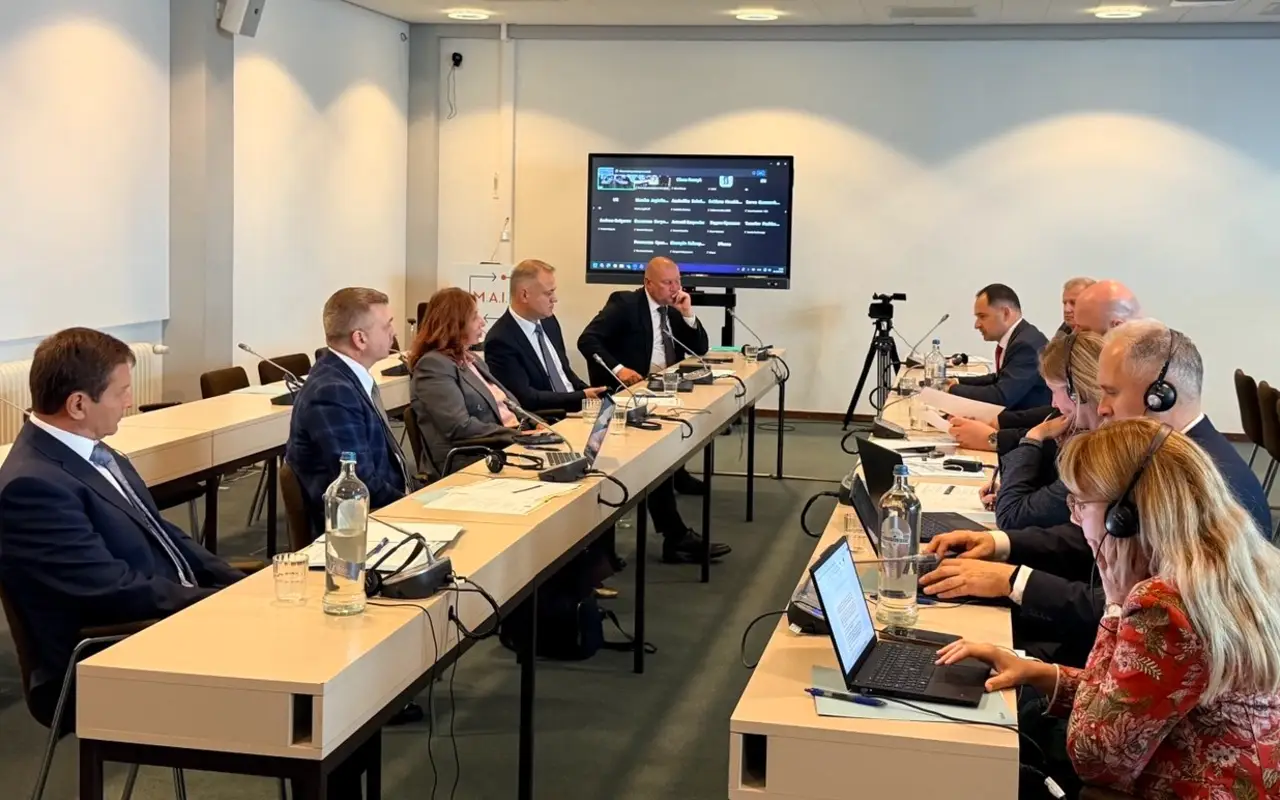
The UNBA presented the key provisions of the future law on advocacy in Brussels
The Ukrainian National Bar Association presented its proposals for the upcoming law on advocacy, aligned with the Rule of Law Roadmap. The presentation covered topics such as access to the profession, self-governance, disciplinary procedures, professional development and guarantees for the practice of advocacy.

Discussion
First the return of assets, then subsidiary liability — an opinion
In bankruptcy cases, the legal entity’s ability to preserve and restore the financial foundation of its operations requires legal protection. In this regard, the right to solvency in which the legal entity is the aggrieved party should be an independent object of legal protection.

Educational events
Advocates were taught to voice their complaints without making accusations
In a difficult conversation, it’s easy to confuse facts with opinions, feelings with accusations, and requests with demands. How can you express dissatisfaction, explain your own needs, and propose a specific solution while still allowing your conversation partner the opportunity to refuse or suggest an alternative?
Guarantees of the practice of law
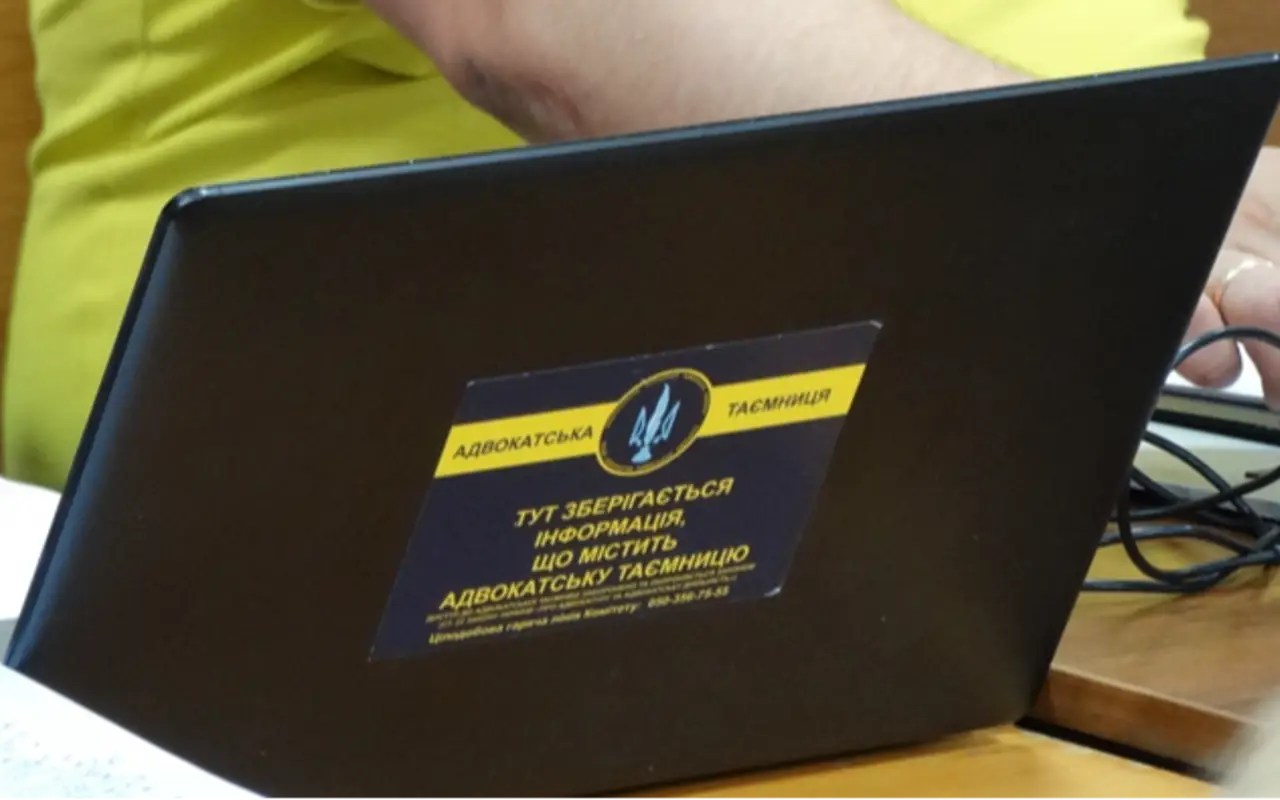
Search of an advocate's office after client's acquittal: criminal complaint filed
In Kyiv, law enforcement officers conducted a search of the home of an advocate who had defended a client acquitted by the court and seized materials from the advocate’s case file. The proceedings were initiated shortly after the acquittal, even though the document they were searching for was already included in the court case file.
Guarantees of the practice of law
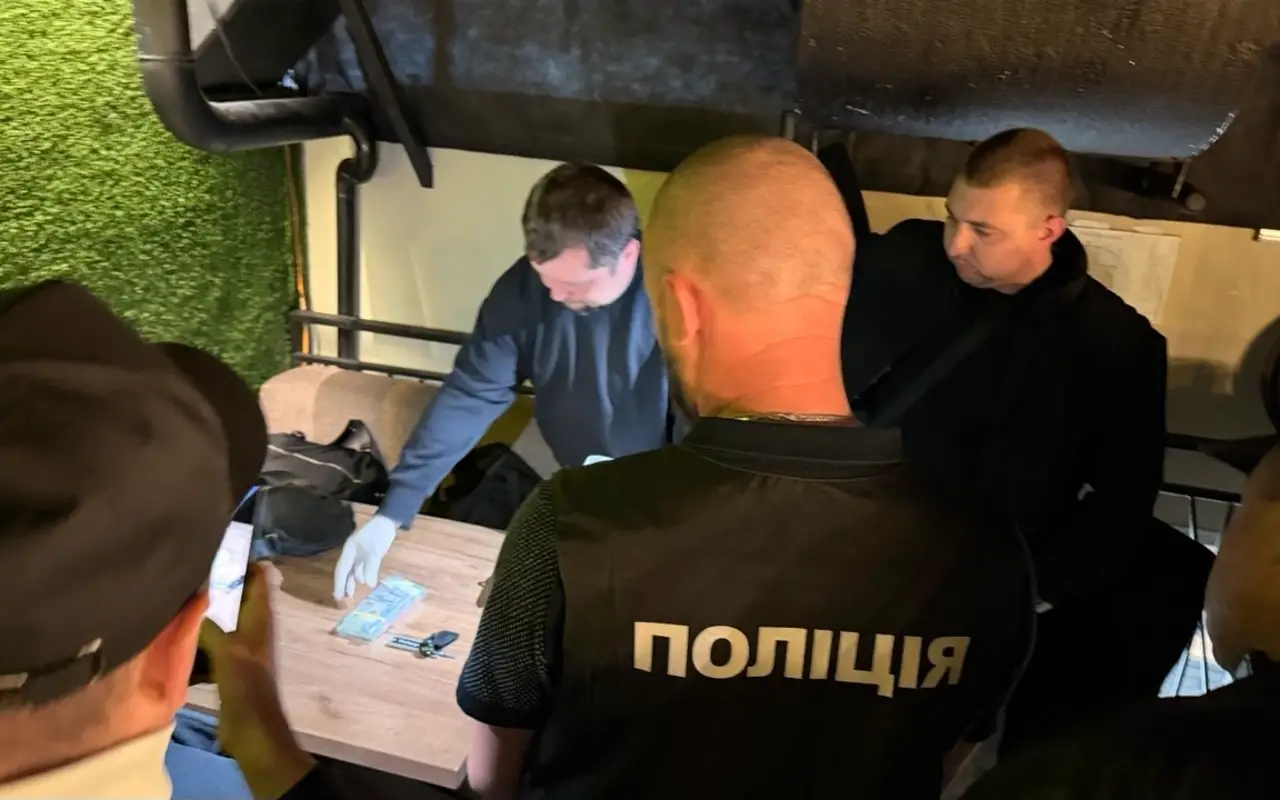
The paradoxes of urgency: is it possible to investigate a crime before it is committed?
On September 24 in Kyiv, National Police officers detained an advocate during an emergency search, having caught him in the act of committing a crime. At the time, the pretrial investigation in this case had already been ongoing for more than four months.
Publications

Vasyl Kolishnyi, «Law and Business» Supporting mental health should become part of the professional culture of the Bar, - H. Udovenko

Volodymyr Matsko Extradition during wartime: when the risks outweigh the request

Volodymyr Matsko Extradition as a systemic form of rights violations

Victoria Yakusha, Law and Business The anti-corruption vertical cannot «take care» of the Bar as an institution, - acting head of the HQDCB

Censor.net Protecting advocates – protecting justice: addressing concerns about the new law

Ihor Kolesnykov A BRIEF SUMMARY REGARDING THE APPLICATION OF THE ORDER ON EXTENDED CONFISCATION IN LATVIA REGARDING FINANCIAL ASSETS OF…

Valentyn Gvozdiy WORKING IN A WAR ZONE

Lydia Izovitova Formula of perfection