


Valentyn Gvozdiy took part in the conference of the European Criminal Bar Association.
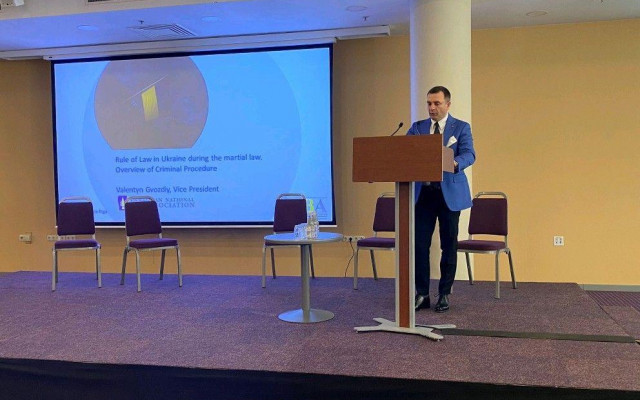
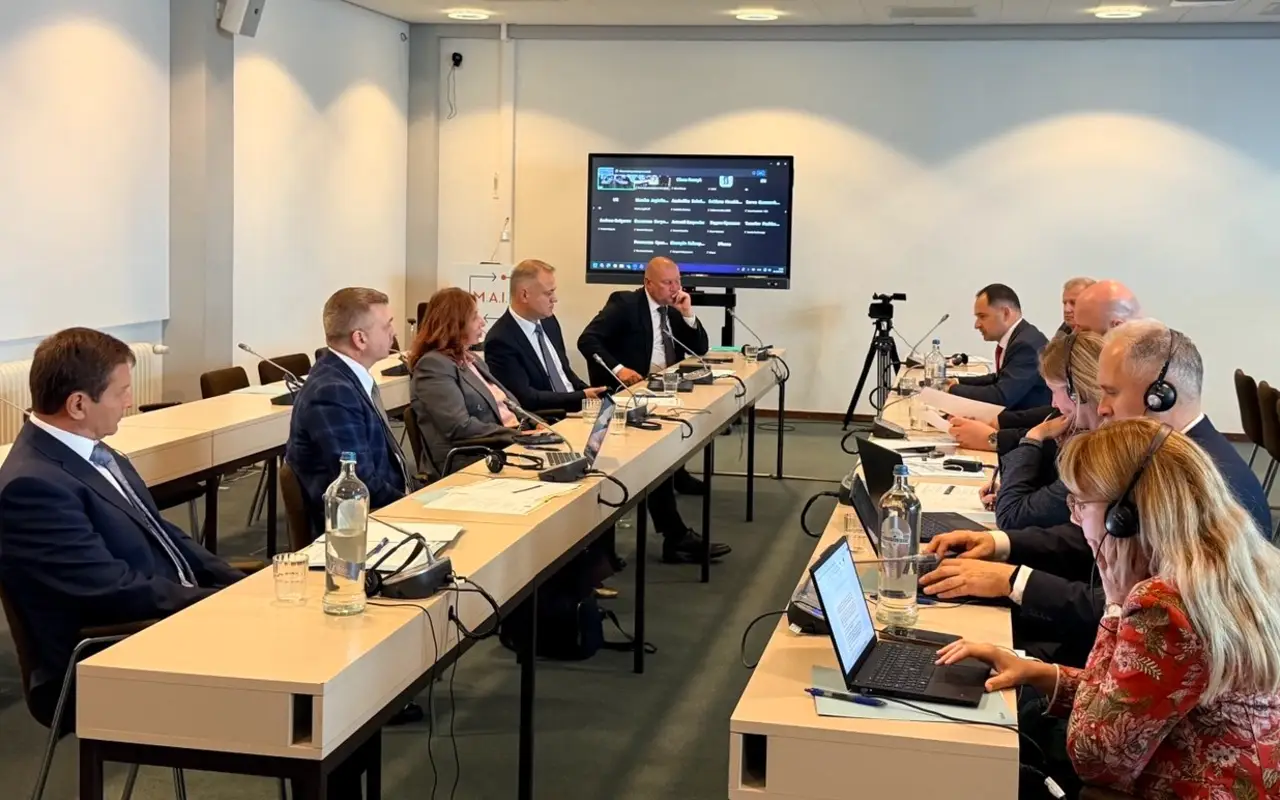
UNBA/BCU Vice-President Valentin Gvozdiy spoke at conference held in Riga, held by the European Criminal Bar Association with the support of the Latvian Council of Sworn Advocates.
The conference consisted of three panels on the confiscation and seizure of assets in criminal proceedings, activities of the European Public Prosecutor's Office and the advocate-client relationship. Keynote speakers included the President of the Supreme Court of Latvia Aigars Strupiss, the President of the Constitutional Court of Latvia Aldis Lavins, the Ombudsman of Latvia Juris Jansons, and the President of the Latvian Council of Sworn Advocates Janis Rosenbergs, James McGill, President of the Council of Bars and Law Societies of Europe (CCBE), opened a panel discussion on legal privilege.
The conference began with a presentation by Valentyn Gvozdiy on the rule of law in Ukraine during martial law and an overview of the criminal procedure novelties.
The UNBA/BCU Vice-President described the situation in the justice system in Ukraine and the amendments to the Criminal Procedure Code, adopted during martial law, and their influence on the state of advocate’s professional rights, citizens' rights to professional legal assistance.
"By making changes, the legislator tried to ensure a full and speedy pre-trial investigation under martial law. It is justified in the current situation. At the same time, it was important to respect the rights and interests of the participants in the proceedings. However, in our opinion, endowing the prosecution with the powers of investigating judge may lead to violation of the balance of interests. We hope that the prosecution will objectively and impartially perform its temporary duties under martial law. After all, these changes, according to the defense, are already narrowing the rights of clients, " Valentyn Gvozdiy warned.
Speaking about the role of the defense counsel in criminal proceedings under the new legislation, UNBA/BCU Vice-President noted that currently the investigator, investigating judge, prosecutor ensure the participation of defense counsel during separate procedural action, including in case of failure to appear - using technical means (video, audio communication) to ensure the remote participation of the defender.
"Ukrainian National Bar Association opposed such innovations, as it considers the remote participation of an advocate at the stage of pre-trial investigation to be ineffective for proper defense. Objections raised on our part, where we proposed to leave the issue of remote participation up for advocate’s discretion, and not to let the prosecution decide. Unfortunately, our objections were not taken into account, " Valentyn Gvozdiy stressed.
In addition, UNBA sent objections to the parliament regarding the procedural possibility of detaining a person during martial law without the permission of an investigating judge for a period of 260 hours. The legislator did not explain the criteria for calculating the need to detain a suspect for nine days and ignored the provisions of Art. 29 of the Constitution of Ukraine, which does not allow to detain a person without a court decision for a period exceeding 72 hours, as Valentyn Gvozdiy explained.
He detailed the new enhanced powers given to the prosecution and the simplification of criminal procedures, as well as new penalties for collaboration and war crimes.
"Under martial law, the legislator allowed the trial of criminal cases by video conference, if the accused is outside the courtroom. From now on, the issue of conducting a trial in this mode is accepted by the court without taking into account the opinion and wishes of the accused. It will be recalled that in peacetime, remote trial in criminal cases was impossible if the accused objected.
He noted that advocates perceived such innovations as extremely controversial. In our opinion, the introduced changes cannot fully ensure the observance of the accused's right to defense, as well as the forgo principles of adversarial proceedings, immediate examination of testimony, evidence and documents, freedom to present their evidence and argue their case before the court of law. It is an unjustified violation of the right of to a fair trial", Valentyn Gvozdiy added during the presentation.
He said that the administration of justice is currently complicated due to objective circumstances. According to the data published by the judiciary, in connection with active hostilities, courts cannot administer justice in 10 regions of Ukraine. In addition, 11 court premises were destroyed or damaged. In this regard, the legislator has given permission to change the territorial authority of cases in such courts. In particular, the Chair of the Supreme Court is now vested with the power to change the territorial jurisdiction of courts. To date, more than 130 courts in Ukraine have changed their territorial jurisdiction. Other courts continue to administer justice normally.
Popular news

Legislation
Proceedings against military personnel following AWOL require clear deadlines — UNBA
A soldier’s return to duty after AWOL does not necessarily mean the end of criminal proceedings. To ensure that the case does not remain at the pretrial investigation stage, a clear procedure for the investigator and prosecutor is required.
Guarantees of the practice of law
Guarantees for advocacy without protective measures: proposed changes to the codes
The current law sets forth the rights and guarantees of the legal profession, but lacks the tools to protect them. The future law on advocacy is intended to fill this gap through amendments to criminal, administrative and procedural legislation.
Legislation
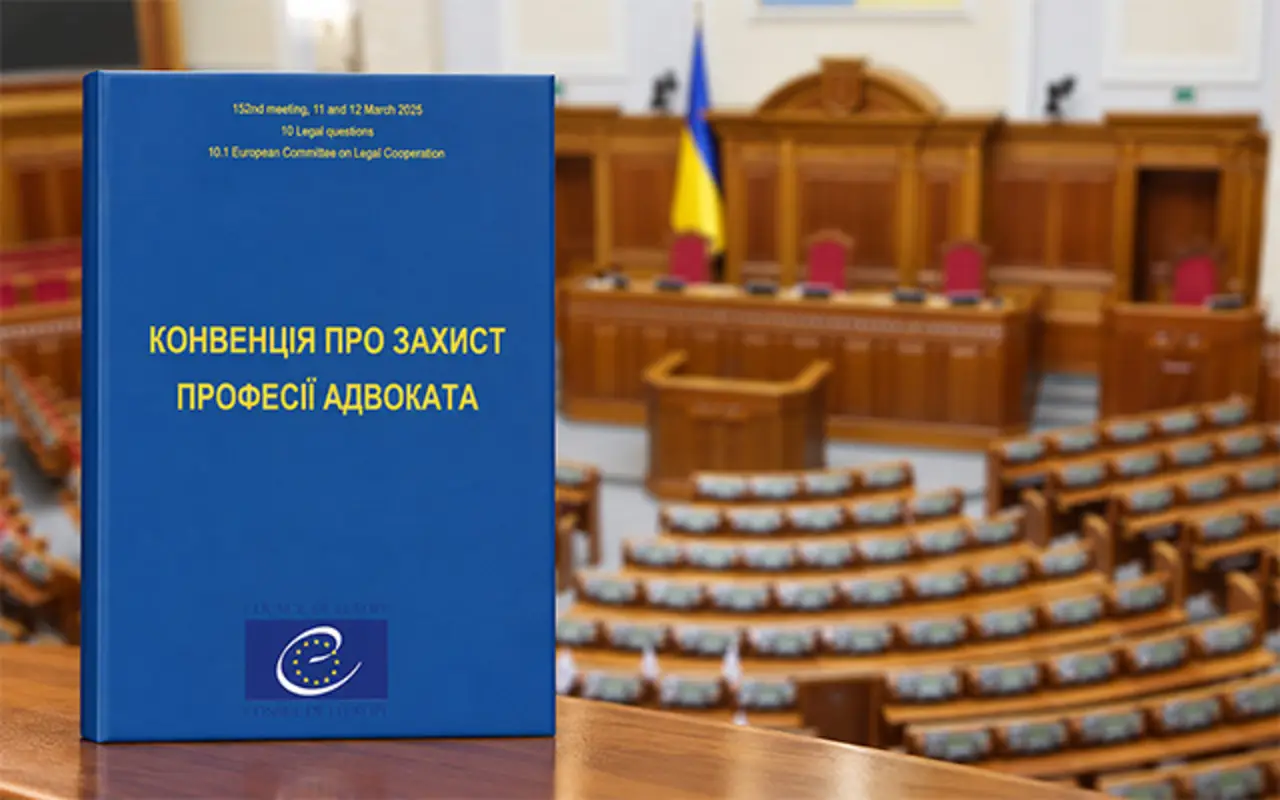
A bill implementing the Convention on the Protection of the Professions of Lawyer has been introduced
The constitutional guarantees of legal aid, defense, and the independence of advocacy cannot be realized without protecting advocates from unwarranted interference in their professional activities, including searches, the seizure of professional materials and the use of criminal procedural mechanisms to exert pressure.
Abroad
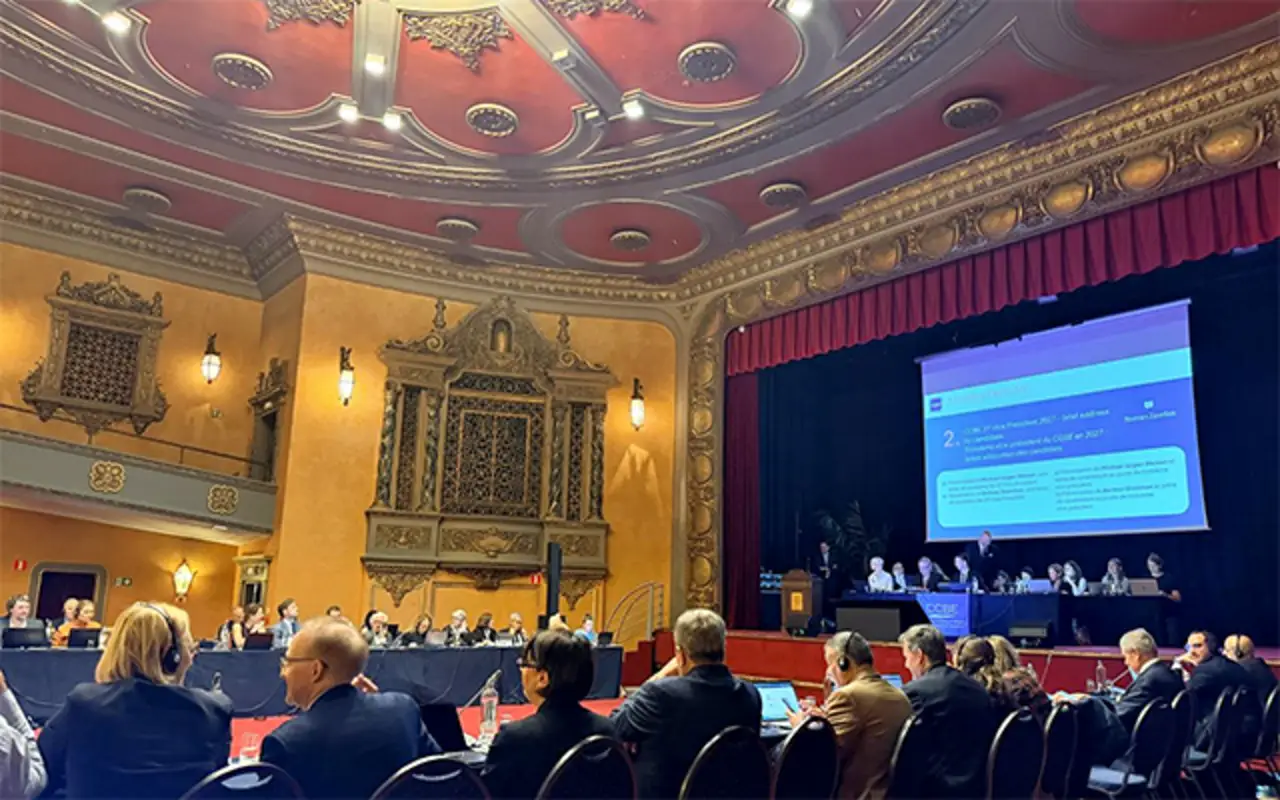
The CCBE is discussing European justice and issues related to the protection of advocates
Today, October 2, a meeting of the Standing Committee of the Council of Bars and Law Societies of Europe (CCBE) is taking place in Brussels. On the agenda are the protection of the advocate profession, the rule of law, attorney-client privilege, and changes in the European justice system.
Rule of Law Roadmap
The UNBA presented the key provisions of the future law on advocacy in Brussels
The Ukrainian National Bar Association presented its proposals for the upcoming law on advocacy, aligned with the Rule of Law Roadmap. The presentation covered topics such as access to the profession, self-governance, disciplinary procedures, professional development and guarantees for the practice of advocacy.

Discussion
First the return of assets, then subsidiary liability — an opinion
In bankruptcy cases, the legal entity’s ability to preserve and restore the financial foundation of its operations requires legal protection. In this regard, the right to solvency in which the legal entity is the aggrieved party should be an independent object of legal protection.

Educational events
Advocates were taught to voice their complaints without making accusations
In a difficult conversation, it’s easy to confuse facts with opinions, feelings with accusations, and requests with demands. How can you express dissatisfaction, explain your own needs, and propose a specific solution while still allowing your conversation partner the opportunity to refuse or suggest an alternative?
Guarantees of the practice of law
Search of an advocate's office after client's acquittal: criminal complaint filed
In Kyiv, law enforcement officers conducted a search of the home of an advocate who had defended a client acquitted by the court and seized materials from the advocate’s case file. The proceedings were initiated shortly after the acquittal, even though the document they were searching for was already included in the court case file.
Publications

Vasyl Kolishnyi, «Law and Business» Supporting mental health should become part of the professional culture of the Bar, - H. Udovenko

Volodymyr Matsko Extradition during wartime: when the risks outweigh the request

Volodymyr Matsko Extradition as a systemic form of rights violations

Victoria Yakusha, Law and Business The anti-corruption vertical cannot «take care» of the Bar as an institution, - acting head of the HQDCB

Censor.net Protecting advocates – protecting justice: addressing concerns about the new law

Ihor Kolesnykov A BRIEF SUMMARY REGARDING THE APPLICATION OF THE ORDER ON EXTENDED CONFISCATION IN LATVIA REGARDING FINANCIAL ASSETS OF…

Valentyn Gvozdiy WORKING IN A WAR ZONE

Lydia Izovitova Formula of perfection