


Ways to protect the violated right in defamation disputes were discussed by the expert
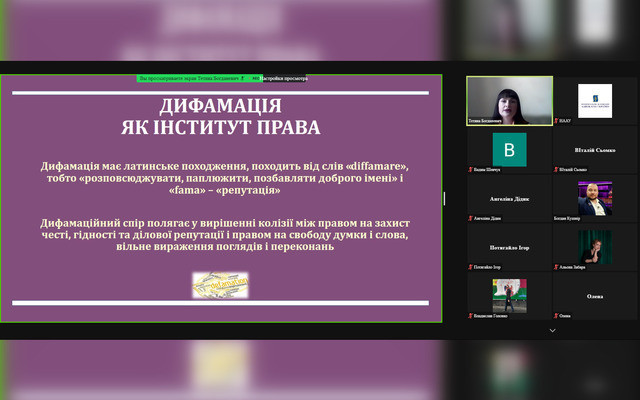
Today, everyone leaves their digital footprints in the online environment, exercising the right to freedom of thought and speech. However, when a person expresses his or her views and beliefs, it sometimes affects the honour, dignity and business reputation of others.
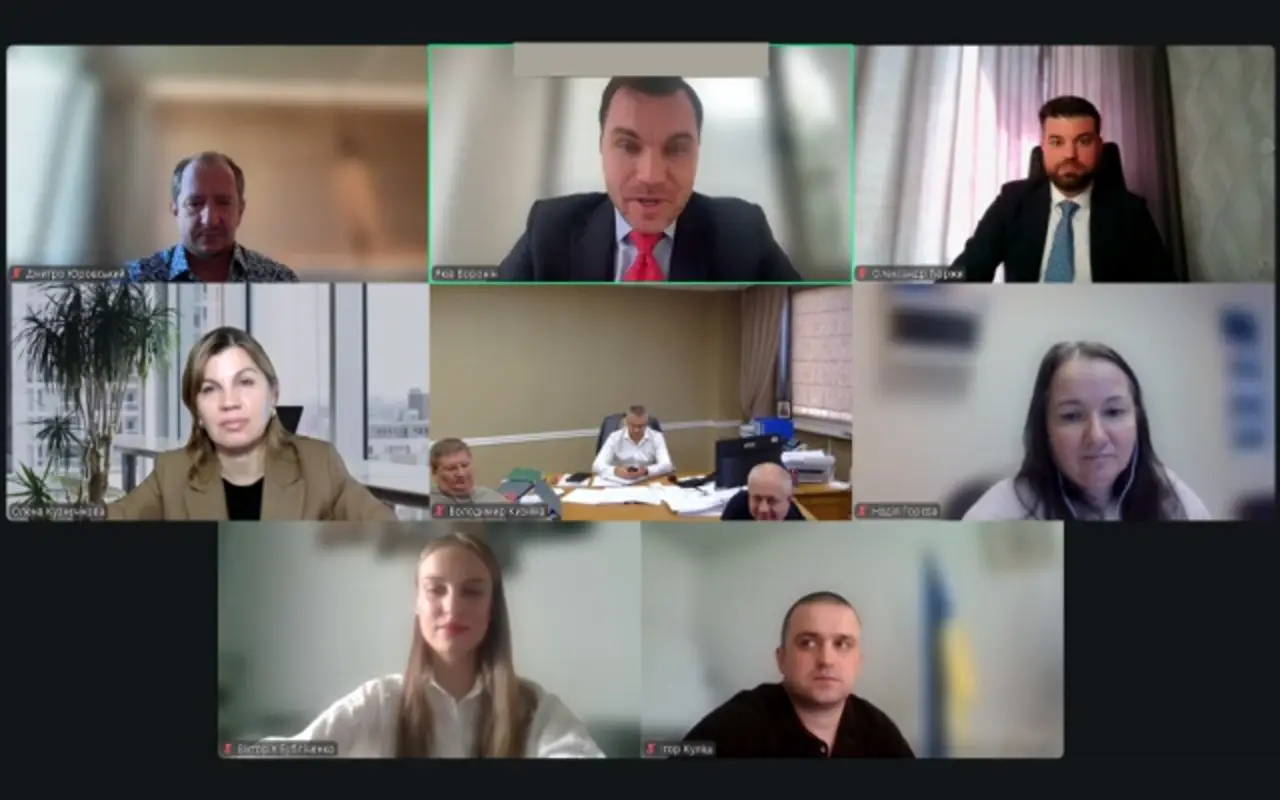
When can we talk about violation of personal non-property rights of a person, what are the main and special ways to protect them, - said the expert of the UNBA Committee on Legal Practice, Doctor of Philosophy in Law Tetiana Bogdanovych during the webinar «Defamation Disputes. Ways to protect the violated right».
She reminded that the general ways to protect non-property rights are:
- compensation for damages and other ways of compensation for property damage (clause 8, part 2, Article 16 of the Civil Code);
- compensation for non-pecuniary damage (Article 16(2)(9) of the Civil Code).
At the same time, monetary compensation for non-pecuniary damage caused by interference with non-property benefits is a key way to protect non-property rights (Article 280 of the Civil Code).
With regard to special methods, the following are distinguished: the right to reply, refutation of inaccurate information, establishment of the fact of inaccuracy of disseminated information and its refutation in a separate proceeding, prohibition of dissemination of information that violates personal non-property rights.
The speaker made a distinction between value judgements and statements of fact (factual data) in defamation disputes.
«Value judgements are the same as an opinion, a statement. It is a mental act that is evaluative in nature and expresses the attitude of the speaker to the content of the opinion expressed and is directly related to such psychological states as faith, confidence or doubt», the expert says. – «In turn, factual data is a logical construction and presentation of a certain fact or group of facts. A fact is a phenomenon of objective reality, specific life circumstances that occurred in a certain place and time under certain conditions. The fact itself is an objective category, independent of the opinions and views of outsiders, and its correspondence to reality can be verified and established by the court».
Thus, value judgements that do not contain factual data are not subject to refutation, the lecturer noted. This position is also reflected in the decision of the Supreme Court of 20.05.2019 in case No. 591/7099/16-ц.
The lecturer also cited other relevant court practice in cases of protection of honour, dignity, business reputation and decisions of the European Court of Human Rights in this category of cases.
Popular news
Legislation
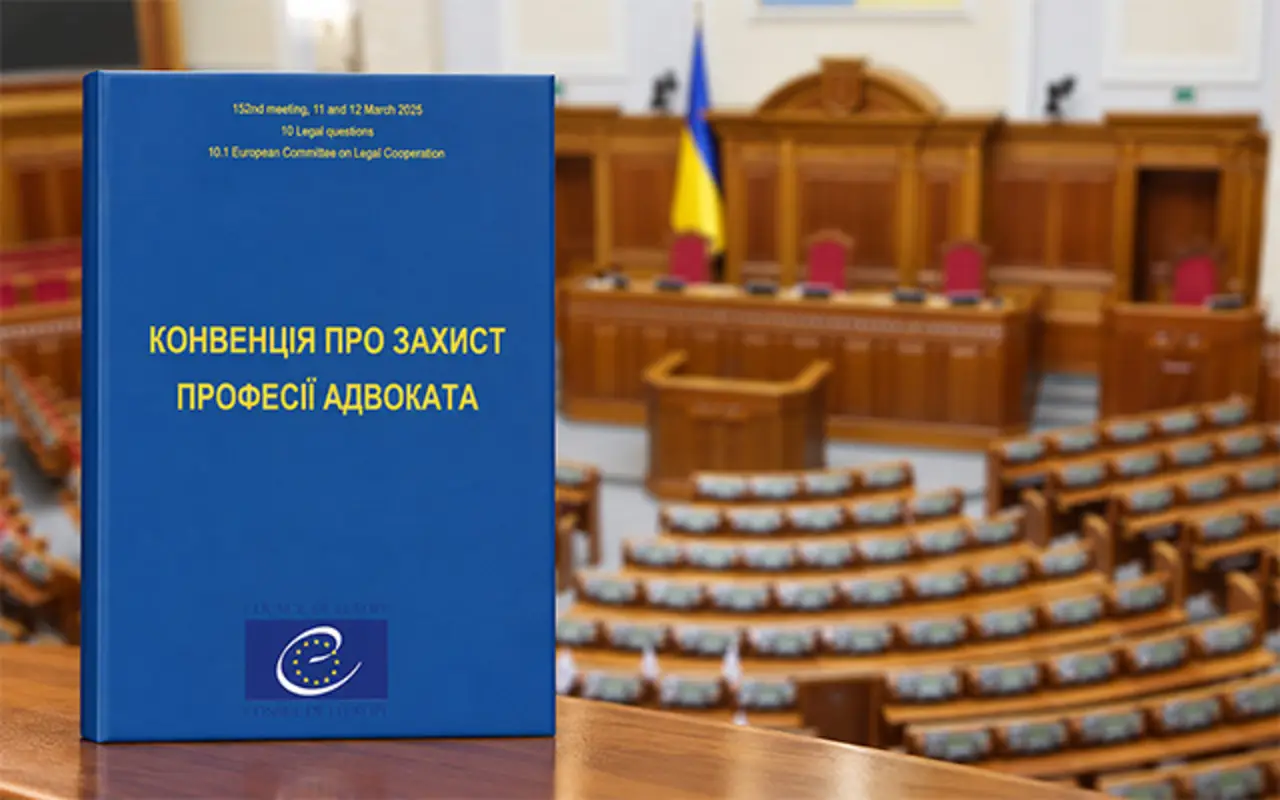
A bill implementing the Convention on the Protection of the Professions of Lawyer has been introduced
The constitutional guarantees of legal aid, defense, and the independence of advocacy cannot be realized without protecting advocates from unwarranted interference in their professional activities, including searches, the seizure of professional materials and the use of criminal procedural mechanisms to exert pressure.
Abroad
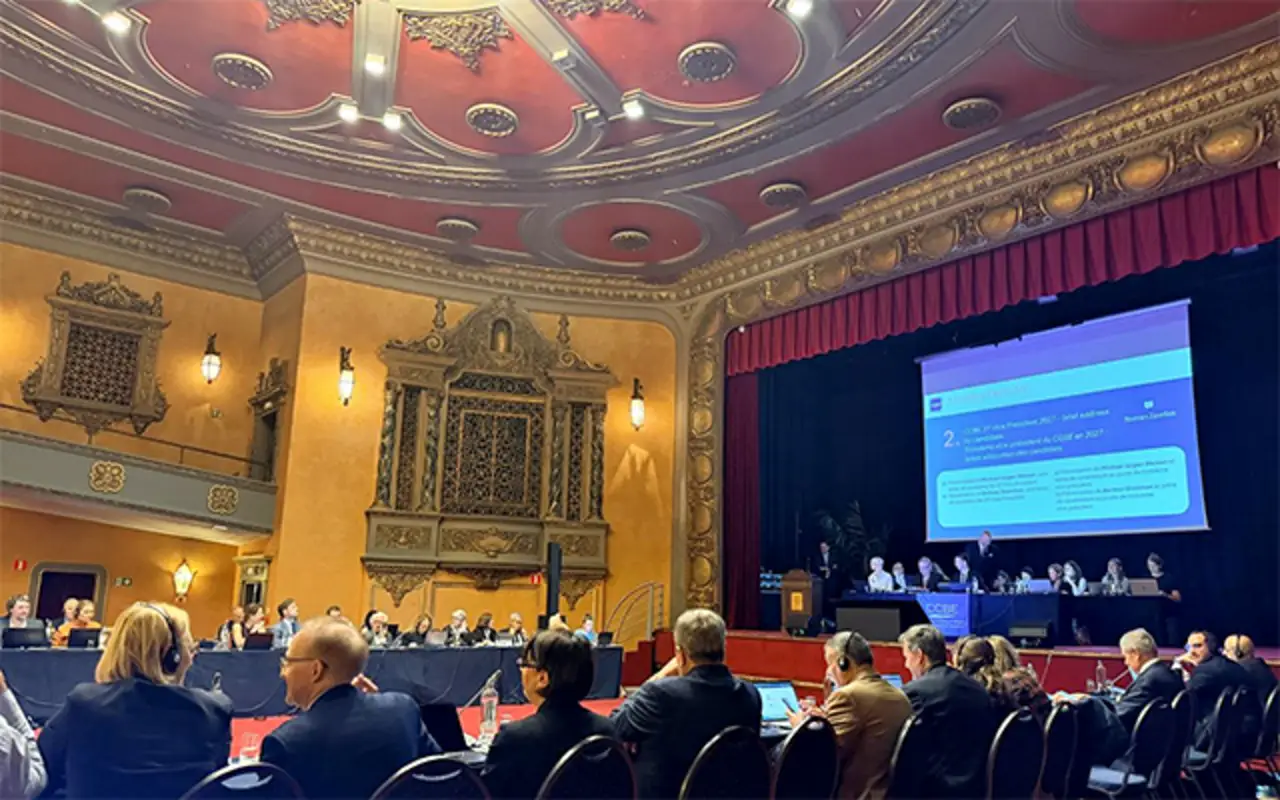
The CCBE is discussing European justice and issues related to the protection of advocates
Today, October 2, a meeting of the Standing Committee of the Council of Bars and Law Societies of Europe (CCBE) is taking place in Brussels. On the agenda are the protection of the advocate profession, the rule of law, attorney-client privilege, and changes in the European justice system.
Rule of Law Roadmap
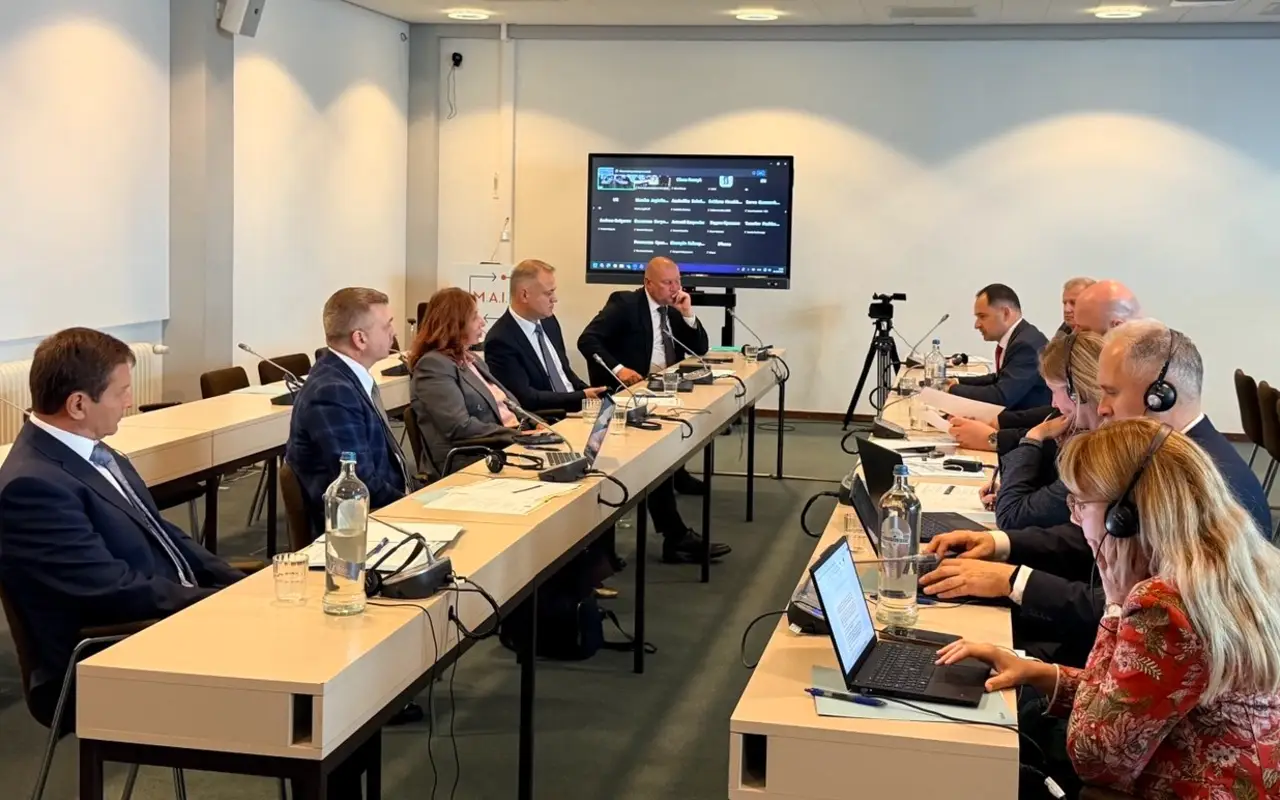
The UNBA presented the key provisions of the future law on advocacy in Brussels
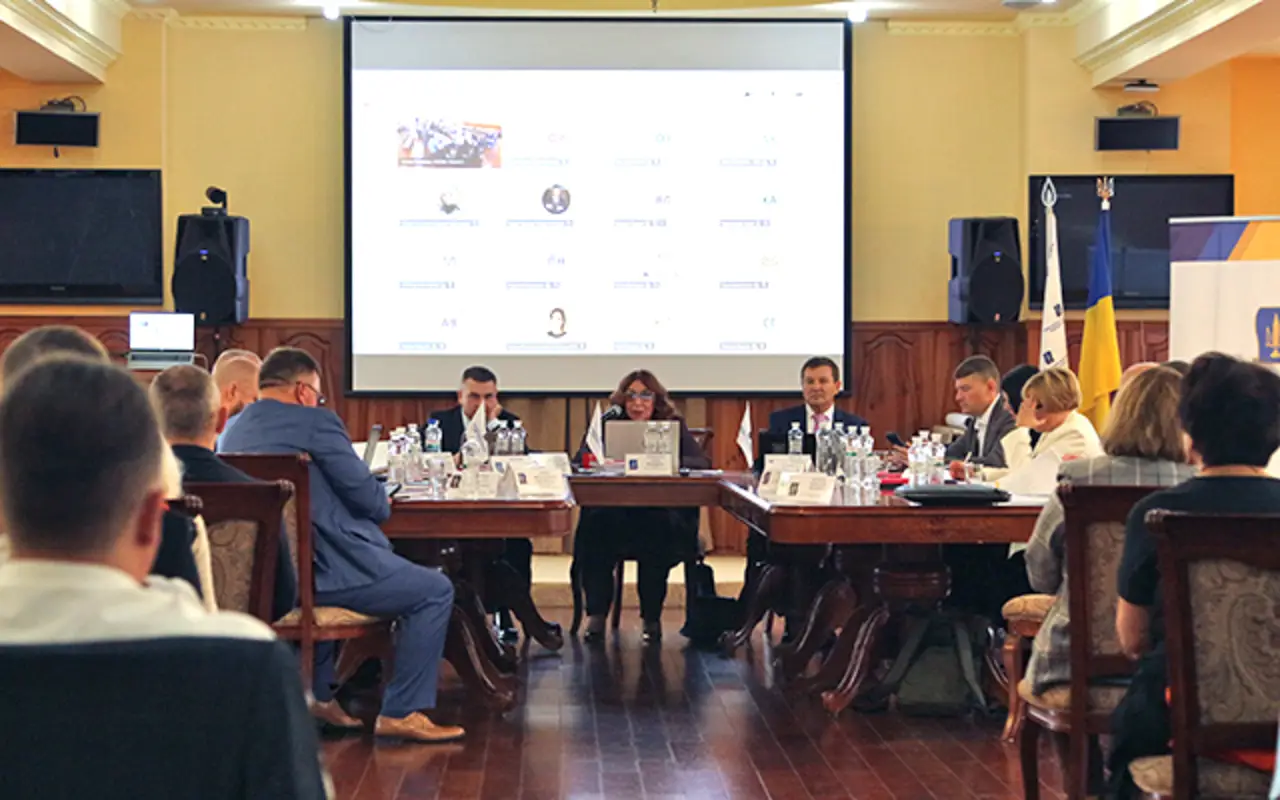
The Ukrainian National Bar Association presented its proposals for the upcoming law on advocacy, aligned with the Rule of Law Roadmap. The presentation covered topics such as access to the profession, self-governance, disciplinary procedures, professional development and guarantees for the practice of advocacy.
Guarantees of the practice of law
Independent oversight is necessary before using CISA materials against an advocate – Lidiya Izovitova
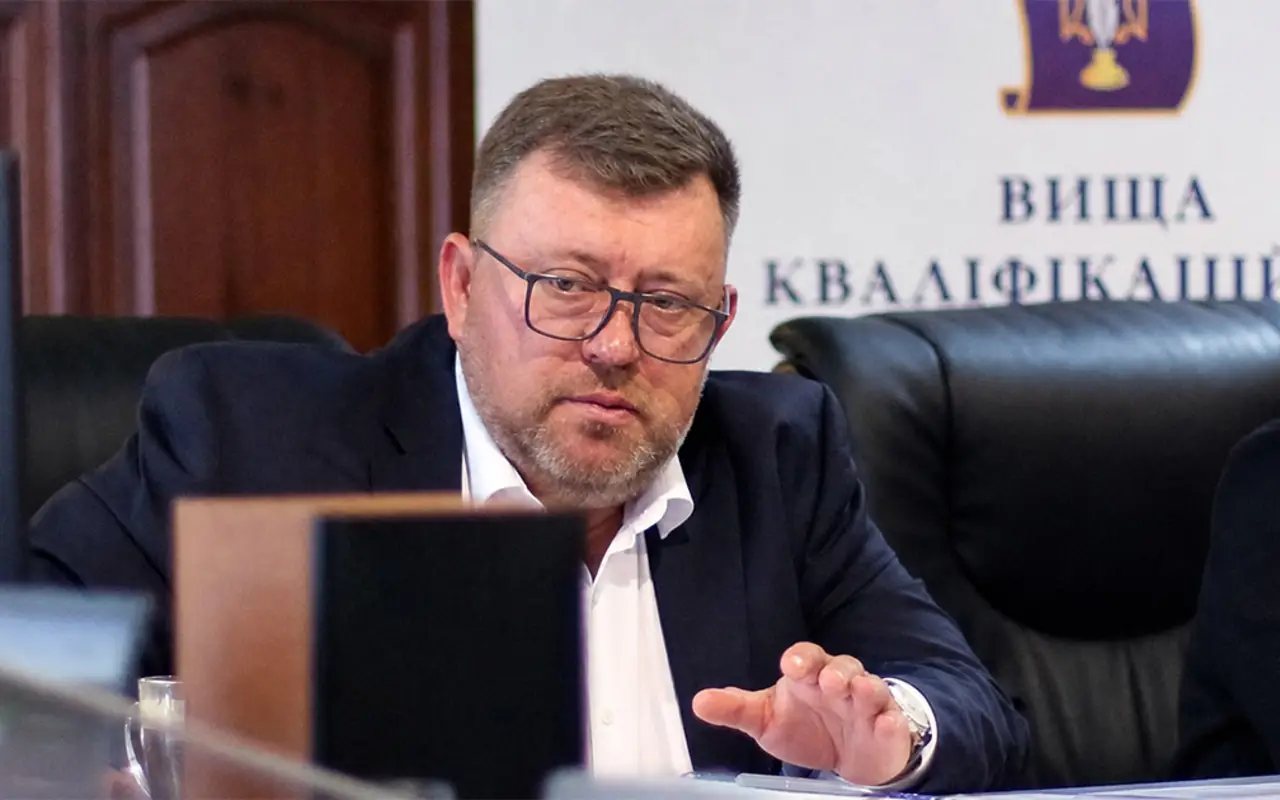
Before the prosecution uses information obtained during covert investigative actions and related to an advocate’s activities, independent procedural oversight must be conducted. It is necessary to determine whether such information is covered by attorney-client privilege and whether it may be disclosed.
Self-government
Efforts to develop advocacy must be brought to fruition — A. Misyats
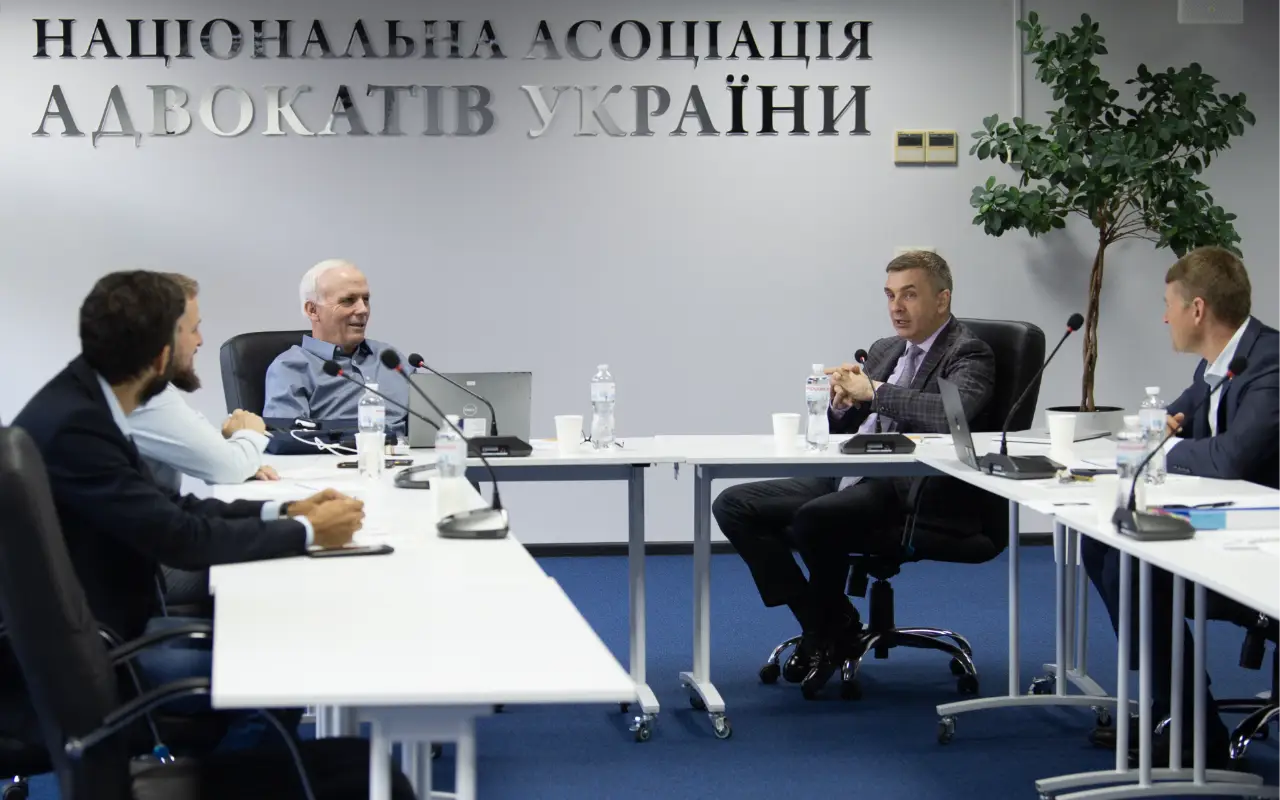
The Ukrainian advocacy profession is currently going through a critical phase. Amid the war, it must ensure the continuity of legal aid, defend the independence of the profession, and improve qualification and disciplinary procedures in accordance with European standards. The work that has been started must be brought to a practical conclusion.
Support
Protecting the legal profession, cybersecurity and support for advocates: common themes for the IBA and the UNBA
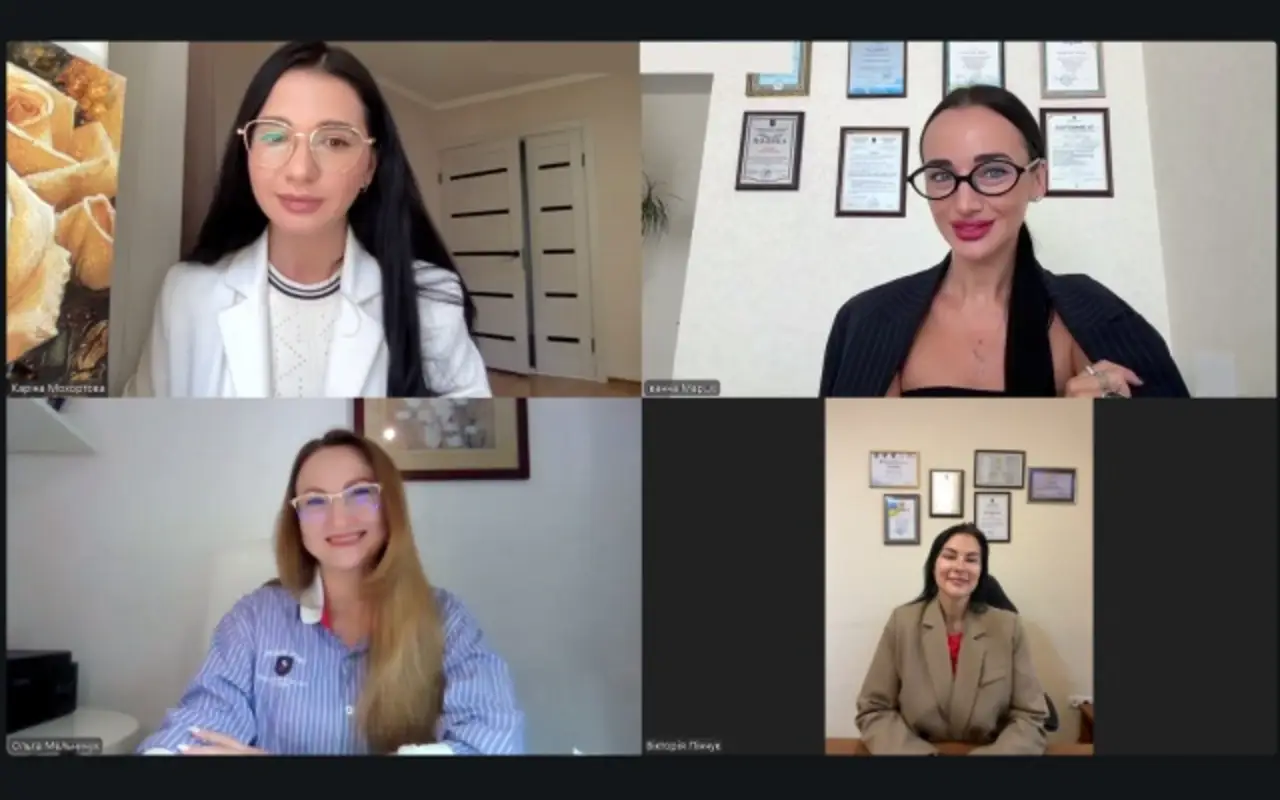
On September 18, a working meeting was held at the office of the Ukrainian National Bar Association with Executive Director of the International Bar Association (IBA) Mark Ellis. The parties discussed the Ukrainian advocacy profession’s participation in European legal processes, the protection of the UNBA’s digital infrastructure, psychological support for advocates and future areas of cooperation.
Educational events
Not every eloquent phrase is persuasive: how an advocate should choose a speaking style
Rhetorical techniques are effective when they are tailored to the audience, the situation, and the purpose of the speech. Therefore, before speaking, an advocate should determine what message the court, client, or audience needs to hear and remember, and then choose the appropriate structure, examples, quotes and tone.
Educational events
Tax residency of Ukrainians abroad: what matters
The determination of tax residency for Ukrainians who have been living abroad for an extended period depends on the combination of their personal and economic ties to each country. The established status determines the procedure for reporting income, paying taxes and fulfilling CFC reporting obligations.
Publications

Vasyl Kolishnyi, «Law and Business» Supporting mental health should become part of the professional culture of the Bar, - H. Udovenko

Volodymyr Matsko Extradition during wartime: when the risks outweigh the request

Volodymyr Matsko Extradition as a systemic form of rights violations

Victoria Yakusha, Law and Business The anti-corruption vertical cannot «take care» of the Bar as an institution, - acting head of the HQDCB

Censor.net Protecting advocates – protecting justice: addressing concerns about the new law

Ihor Kolesnykov A BRIEF SUMMARY REGARDING THE APPLICATION OF THE ORDER ON EXTENDED CONFISCATION IN LATVIA REGARDING FINANCIAL ASSETS OF…

Valentyn Gvozdiy WORKING IN A WAR ZONE

Lydia Izovitova Formula of perfection