


Substitution of disciplinary bodies of the bar by the court destroys human rights protection, - Lidiya Izovitova

An active lawyer is almost always an irritant to the court. And attempts to interpret human rights protection activities as an abuse of procedural rights (as some parliamentarians propose today) are the destruction of the idea of fair trial.
This opinion was expressed by Lidiya Izovitova, President of the UNBA, in her welcoming speech at the XIII International Scientific and Practical Conference «Advocacy: Past, Present and Future», which is taking place today, November 10, at the National University «Odesa Law Academy».
L. Izovitova cited certain provisions of draft law No. 5661 and some other legislative initiatives, which propose to bring lawyers to justice for the so-called abuse of procedural rights in order to speed up the consideration of cases by the courts. This means fining the advocates directly by the judges or stating the fact of abuse (instead of establishing the signs of misconduct) and passing the relevant decision to the disciplinary bodies of the bar for execution.
Such drafts actually give the courts additional powers to influence lawyers, which distorts the existing model of an independent bar, and disciplinary procedures against lawyers are replaced by direct judicial intervention, said President of the UNBA.
«So, at the legislative level, we are monitoring attempts to replace the independent disciplinary bodies of the Bar with the court. At the same time, in a position of interest to the court», - she noted. – «Lawyers are encouraged to remain silent and inactive in court. In fact, these are efforts to destroy the human rights function of the bar».
That is why the Ukrainian National Bar Association constantly monitors the existing problems of the legal profession, analyzes them and develops effective ways to overcome them. The President of Ukraine, the leadership of the Verkhovna Rada and its specialized committees, as well as the international community are informed about initiatives that threaten the principles of the practice of law. The reasoned position of the Bar is systematically communicated to the public through the legal media.
In those issues where broad support is needed, the bar community is involved. President of the UNBA said that a public discussion of the problem of efficiency and accessibility of justice had recently been initiated. «It really exists and requires an in-depth study», noted Ms. Izovitova. – «To find out its roots, the UNBA invited all practicing attorneys to tell about their own experience in courts».
During her speech, President of the UNBA also focused on other challenges faced by the institution of the bar during martial law. «Unfortunately, new times cannot be called favorable for lawyers and the Bar. Excessive radicalization of society caused by the troubles of war creates an increased demand among Ukrainians for punishment of enemies, war criminals and their accomplices. Therefore, the competitiveness of the parties in court and the provision of quality defense for suspects and accused are sometimes perceived (and this is used) as obstacles to justice and the restoration of the desired justice», explained Ms. Izovitova. She also criticized the attempts to criminalize the advocacy of defending Ukrainian citizens in the temporarily occupied territories.
These and other aspects of the legal profession are constantly discussed at every meeting of the Bar Council of Ukraine. Over the decades of its work, this bar self-government body has already developed effective mechanisms for solving current problems and is ready for new challenges, assured President of the UNBA.
She thanked the organizers of the conference for their loyalty to the established traditions, openness to all points of view and constructive approach to the consideration of complex theoretical and practical issues, wished the participants self-confidence and creative inspiration, and expressed hope that today will bring Ukraine the quality solutions necessary for its development as a state governed by the rule of law.
Popular news
Legislation
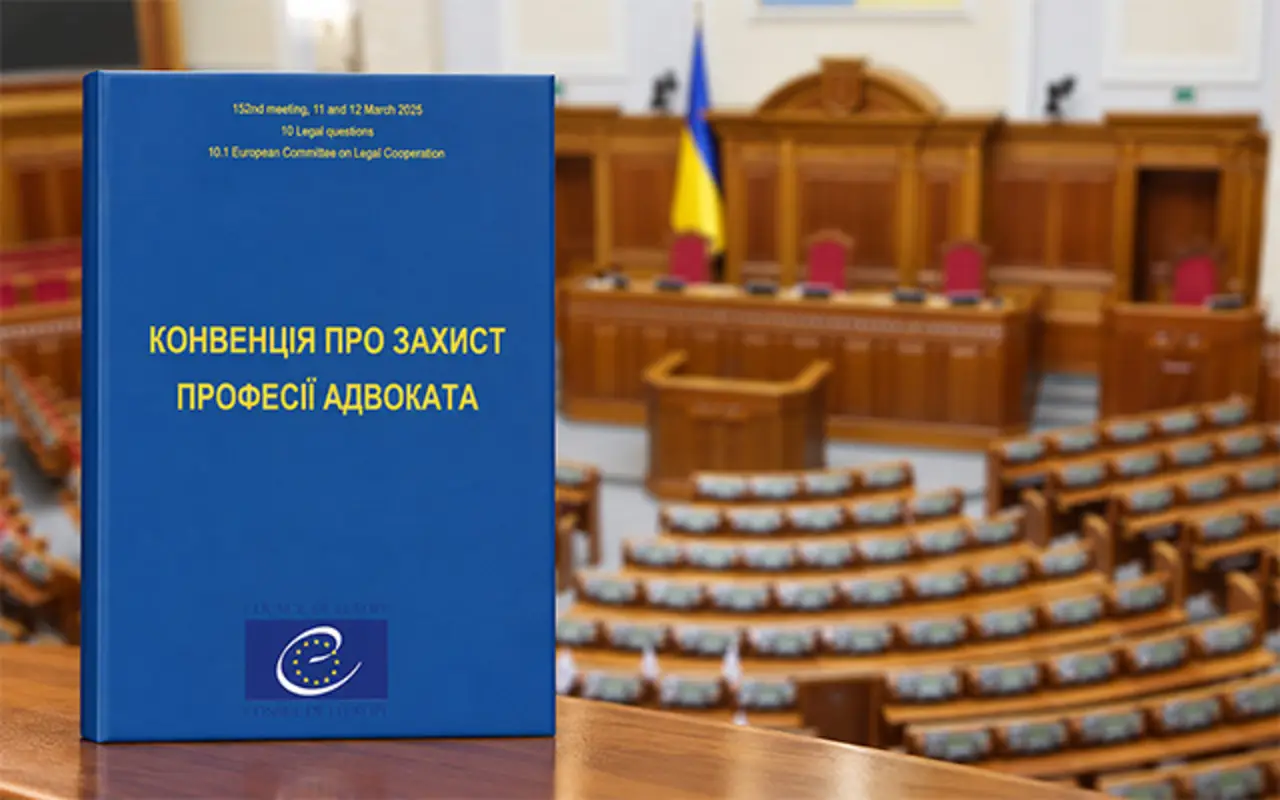
A bill implementing the Convention on the Protection of the Professions of Lawyer has been introduced
The constitutional guarantees of legal aid, defense, and the independence of advocacy cannot be realized without protecting advocates from unwarranted interference in their professional activities, including searches, the seizure of professional materials and the use of criminal procedural mechanisms to exert pressure.
Abroad
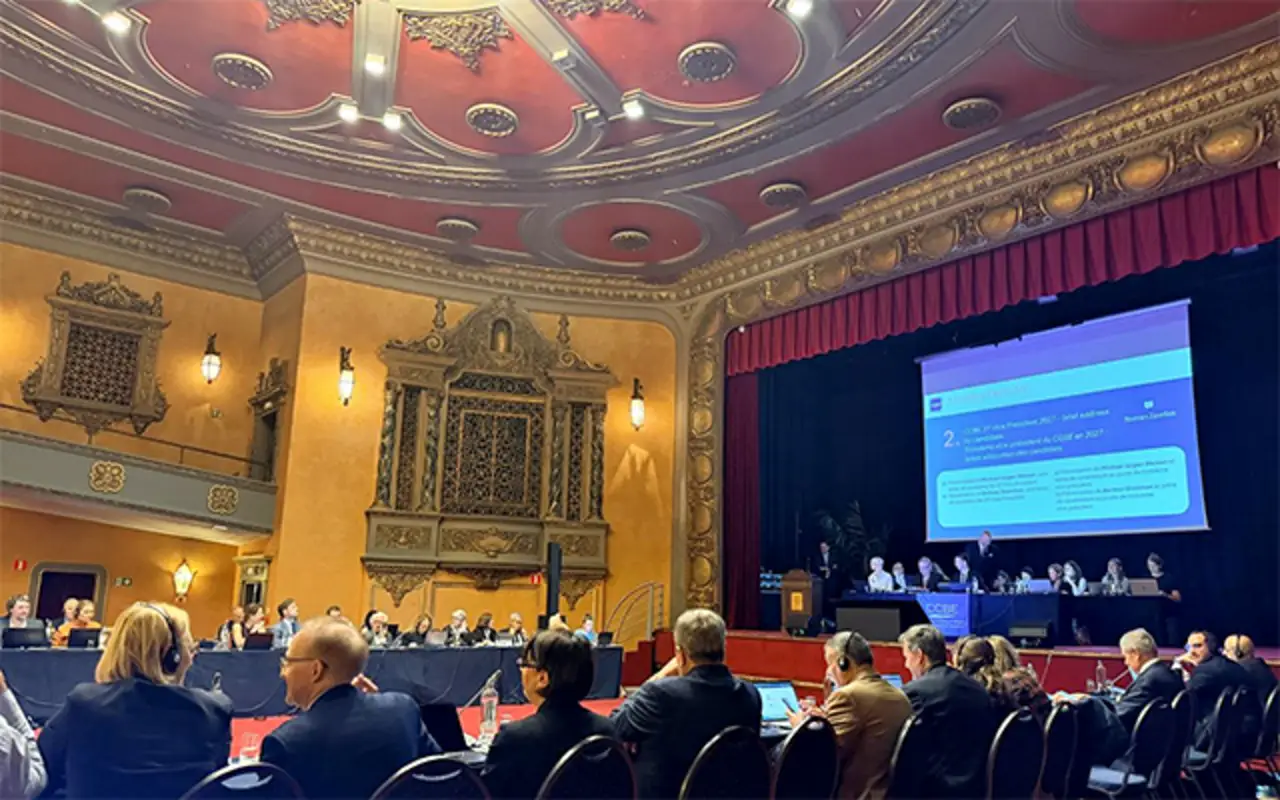
The CCBE is discussing European justice and issues related to the protection of advocates
Today, October 2, a meeting of the Standing Committee of the Council of Bars and Law Societies of Europe (CCBE) is taking place in Brussels. On the agenda are the protection of the advocate profession, the rule of law, attorney-client privilege, and changes in the European justice system.
Rule of Law Roadmap
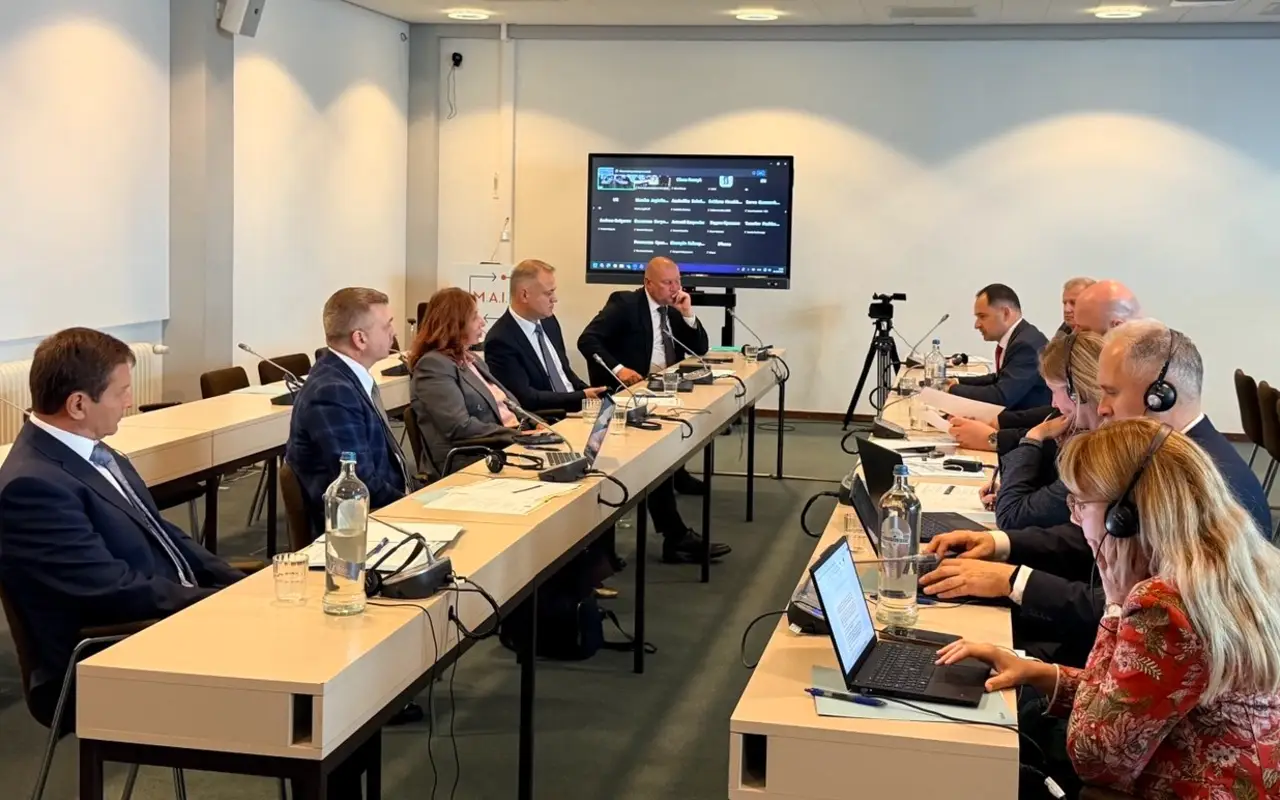
The UNBA presented the key provisions of the future law on advocacy in Brussels
The Ukrainian National Bar Association presented its proposals for the upcoming law on advocacy, aligned with the Rule of Law Roadmap. The presentation covered topics such as access to the profession, self-governance, disciplinary procedures, professional development and guarantees for the practice of advocacy.

Educational events
Advocates were taught to voice their complaints without making accusations
In a difficult conversation, it’s easy to confuse facts with opinions, feelings with accusations, and requests with demands. How can you express dissatisfaction, explain your own needs, and propose a specific solution while still allowing your conversation partner the opportunity to refuse or suggest an alternative?
Guarantees of the practice of law
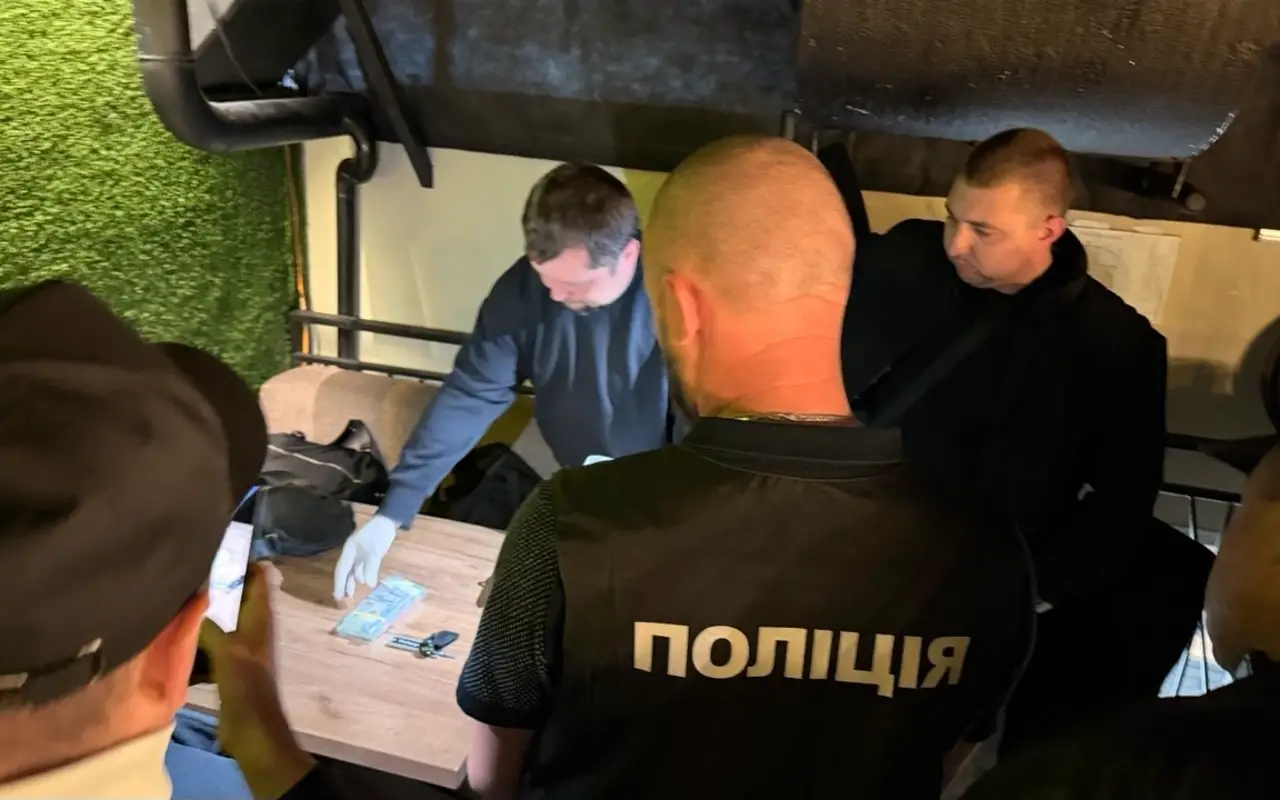
The paradoxes of urgency: is it possible to investigate a crime before it is committed?
On September 24 in Kyiv, National Police officers detained an advocate during an emergency search, having caught him in the act of committing a crime. At the time, the pretrial investigation in this case had already been ongoing for more than four months.

Guarantees of the practice of law
Unrestricted access to advocates' accounts poses a risk of client data disclosure — BCU
Information regarding transactions in the bank accounts of an advocate, a law firm, or a bar association from which clients can be identified, as well as the fact and subject matter of a request for legal assistance, the purpose of payments, and the amount of the fee constitutes attorney-client privilege. This rule applies regardless of whether the information also constitutes banking information and is in the possession of a bank.
Guarantees of the practice of law
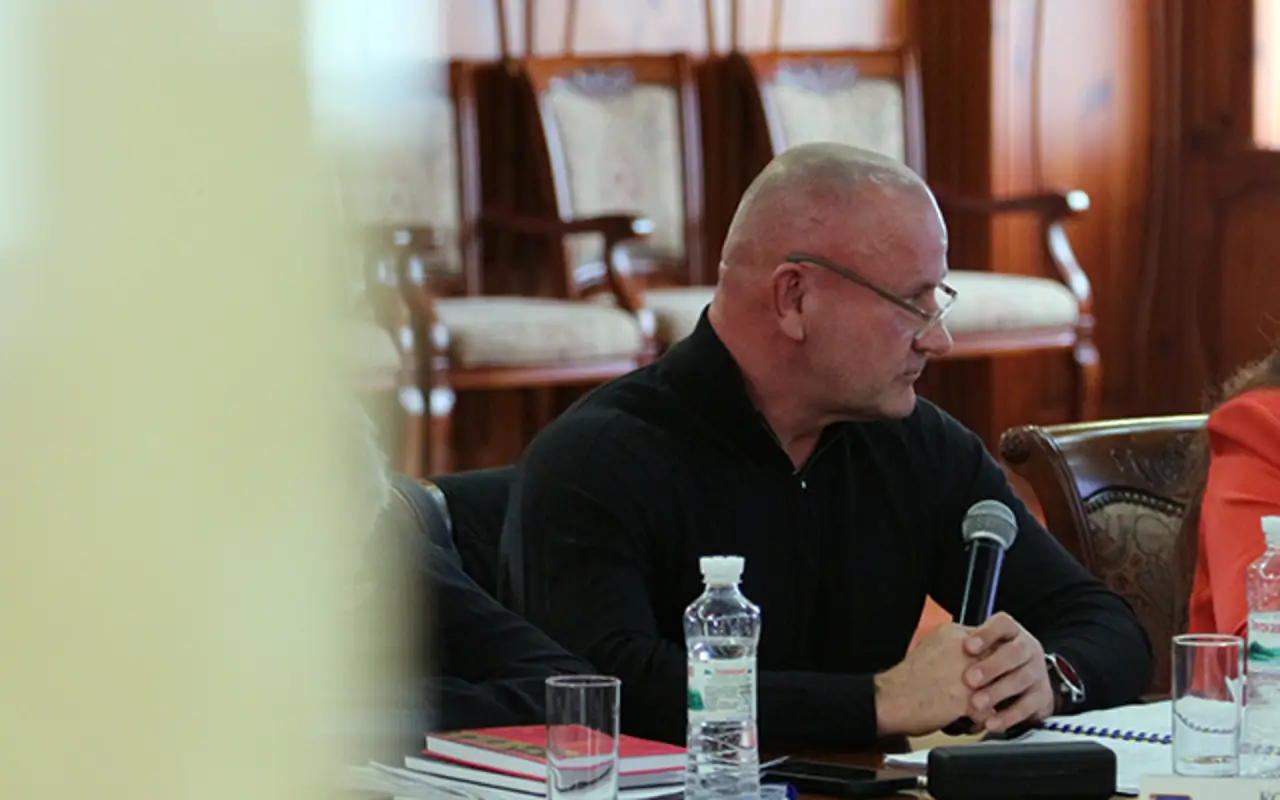
The contract provides for a video conference, but the court requires in-person appearance: how should an advocate proceed?
Many advocates today work remotely; therefore, their agreements with clients provide for the provision of legal assistance via videoconferencing. However, this form of work does not, in and of itself, create an unconditional obligation for the court to conduct every hearing via videoconference.
Edition
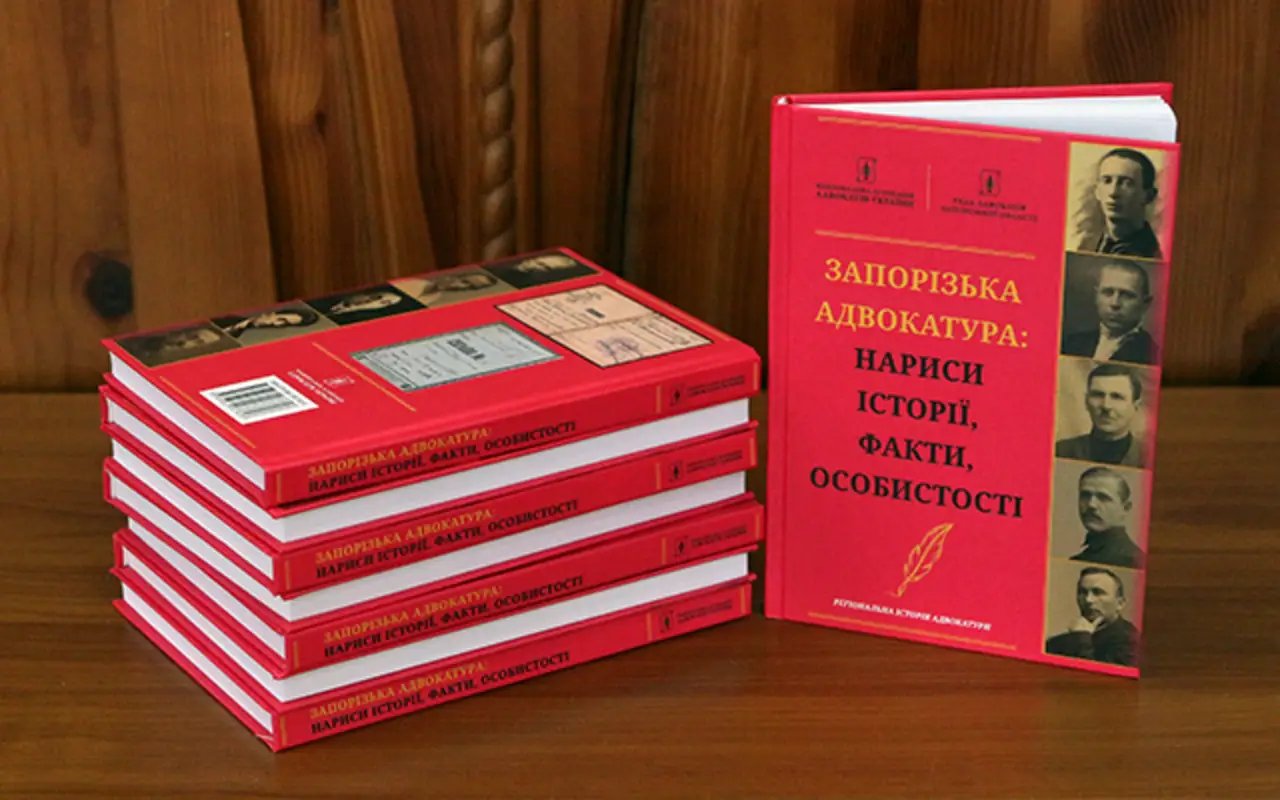
From Oleksandrivsk to the soviet repressions: a book on the history of the Zaporizhzhia advocacy is presented
The book «The Zaporizhzhia advocacy: historical essays, facts and figures» — the fourth volume in the series «Regional history of the advocacy» has been published. The authors trace the formation and development of the bar in the Zaporizhzhia region from the late 19th through the 20th centuries.
Publications

Vasyl Kolishnyi, «Law and Business» Supporting mental health should become part of the professional culture of the Bar, - H. Udovenko

Volodymyr Matsko Extradition during wartime: when the risks outweigh the request

Volodymyr Matsko Extradition as a systemic form of rights violations

Victoria Yakusha, Law and Business The anti-corruption vertical cannot «take care» of the Bar as an institution, - acting head of the HQDCB

Censor.net Protecting advocates – protecting justice: addressing concerns about the new law

Ihor Kolesnykov A BRIEF SUMMARY REGARDING THE APPLICATION OF THE ORDER ON EXTENDED CONFISCATION IN LATVIA REGARDING FINANCIAL ASSETS OF…

Valentyn Gvozdiy WORKING IN A WAR ZONE

Lydia Izovitova Formula of perfection