


Lidiya Izovitova outlined the key problems of the Bar in 2023
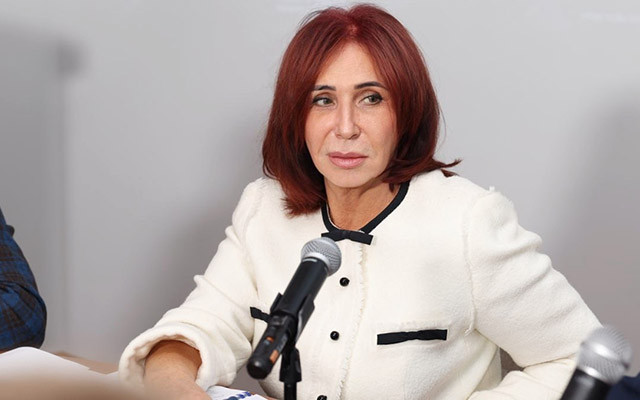
The current year is not exactly favorable to lawyers and the bar. And, unfortunately, there is no reason to hope for a quick end to the troubles that became particularly acute on February 24 last year.
This was emphasized by Lidiya Izovitova, the President of UNBA, BCU during a meeting of the Bar Council of Ukraine, which is taking place in Uzhhorod on December 15-16. On the eve of the next Bar Day, she recalled the key topics that formed the UNBA's agenda for 2023.
«The society, tired of the troubles of war, has long had a strong demand for justice and punishment of criminals. And this demand should be satisfied by law enforcement agencies, noted Ms. Izovitova. - Unfortunately, this is not happening. Out of tens of thousands of open proceedings, only a few go to court. How to explain this level of work? Of course, it is the obstacles in the legislation that prevent us from working effectively. And this is where the obvious procedural tilt towards empowering the prosecution comes from».
In particular, she recalled the recently canceled «Lozovyi amendments» to the CPC, which limited the investigation period from entering data into the URPTI to the moment of serving a person with a suspicion. «We have repeatedly assessed this idea and warned about the negative consequences», - L. Izovitova said.
In her opinion, this leads to another related problem: the length of the criminal process and the unreasonable timeframe for court hearings. «And we are to blame for this problem. Not the investigators and prosecutors who are unable or unwilling to properly collect evidence, formalize investigative actions and submit indictments to court in a timely manner, and not the judicial system, which is objectively overloaded with cases due to the catastrophic shortage of judges, said the President of UNBA, BCU. - And judges can do nothing about it. Hence, the idea of punishing lawyers for abusing their procedural rights has become more active. At the same time, they want to give judges the authority to establish the fact of violations. That is, judges themselves (and not the bar's disciplinary bodies) will determine the content of a lawyer's disciplinary offense».
According to L. Izovitova, another element of the attack on the bar is attempts to criminalize the activities of lawyers who remained in the temporarily occupied territories. The parliament wants to equate it with the crime of collaboration. «But let's think together in the following way: collaborationism is cooperation with the enemy government. And advocacy is a professional activity, independent of the state. It has nothing to do with politics, propaganda, or aggression», - she explained. - Moreover, according to the Constitution, it is the bar that is responsible for the realization of everyone's right to legal aid. So it turns out that citizens who stayed in the TOT (which is Ukraine) are being deprived of a constitutional guarantee. And the lawyers who dare to fulfill the Constitution are proposed to be punished as criminals».
The President of UNBA, BCU also noted that almost every day lawyers face violations of their rights and guarantees. The UNBA's specialized committee and the Bar Council respond to the most egregious cases.
She recalled the April searches of lawyers in Kyiv and Kyiv region who were defending in criminal proceedings. The Bar Council then called the searches illegal, assessed the actions of law enforcement officers as identifying lawyers with their clients and as pressure on the legal profession. Another egregious case also occurred in the spring, when six Security Service officers attacked lawyers during a search. In this way, they were «persuaded» to abandon their clients. The UNBA appealed to the Prosecutor General's Office, which resulted in the opening of criminal proceedings.
There were several cases of pressure from the military authorities. In one of them, a lawyer who came to the case was detained in the Chernihiv TCC and served with a summons. Criminal proceedings were opened over this fact. In another case, in Odesa, the lawyer was not allowed to visit a client who was in the TCC. Here, the military authorities promised to make amends and conducted explanatory work.
Another challenge to the independence of the bar, Ms. Izovitova said, is the constant attempts to involve lawyers as agents of law enforcement agencies. This is expressly prohibited by law, and the practice is to deprive such unofficial assistants of their lawyer's certificates. However, anti-corruption agencies are trying to stand up for their «assistants». She also mentioned the NAPC's attempts to equate members of disciplinary bodies with subjects of declaration in the context of ensuring independence.
During her speech, she also spoke about the activities of the UNBA committees, the main events of the association and social projects implemented in 2023.
Popular news
Guarantees of the practice of law
Guarantees for advocacy without protective measures: proposed changes to the codes
The current law sets forth the rights and guarantees of the legal profession, but lacks the tools to protect them. The future law on advocacy is intended to fill this gap through amendments to criminal, administrative and procedural legislation.
Legislation
A bill implementing the Convention on the Protection of the Professions of Lawyer has been introduced
The constitutional guarantees of legal aid, defense, and the independence of advocacy cannot be realized without protecting advocates from unwarranted interference in their professional activities, including searches, the seizure of professional materials and the use of criminal procedural mechanisms to exert pressure.
Abroad
The CCBE is discussing European justice and issues related to the protection of advocates
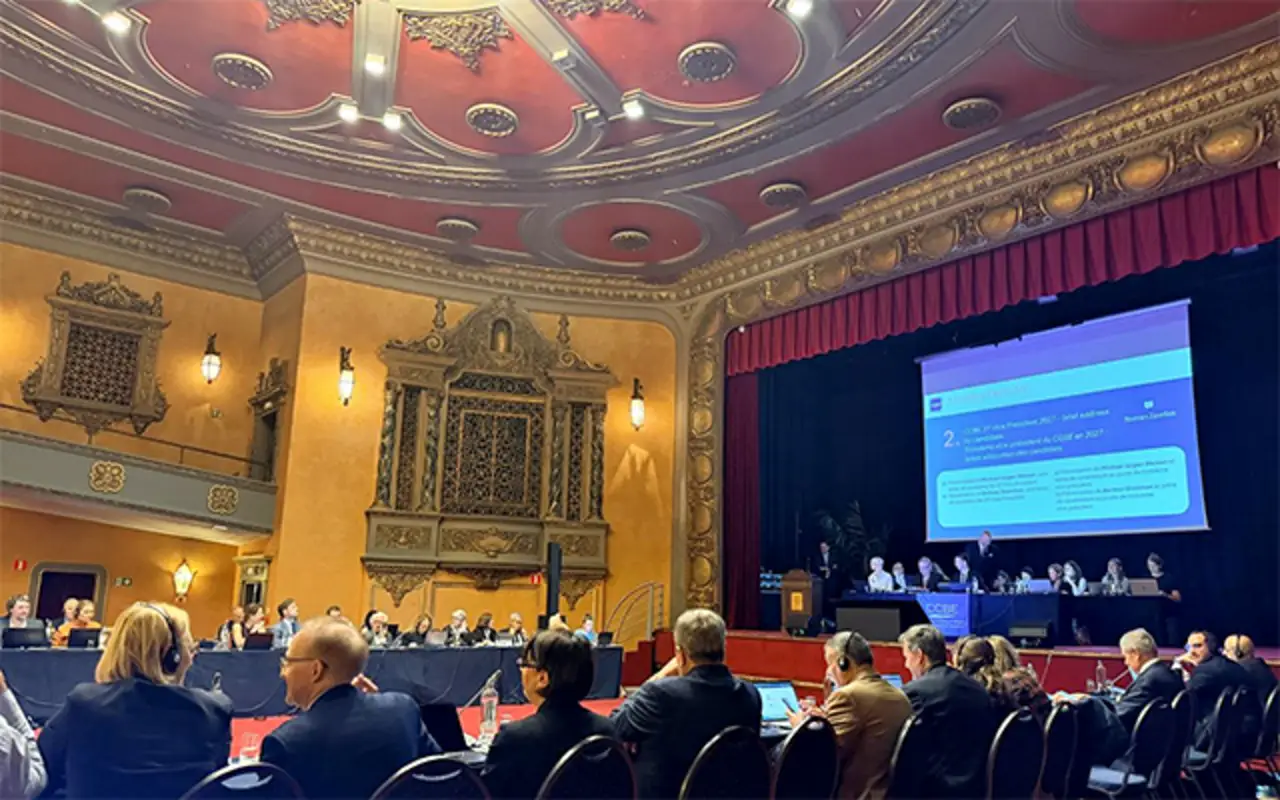
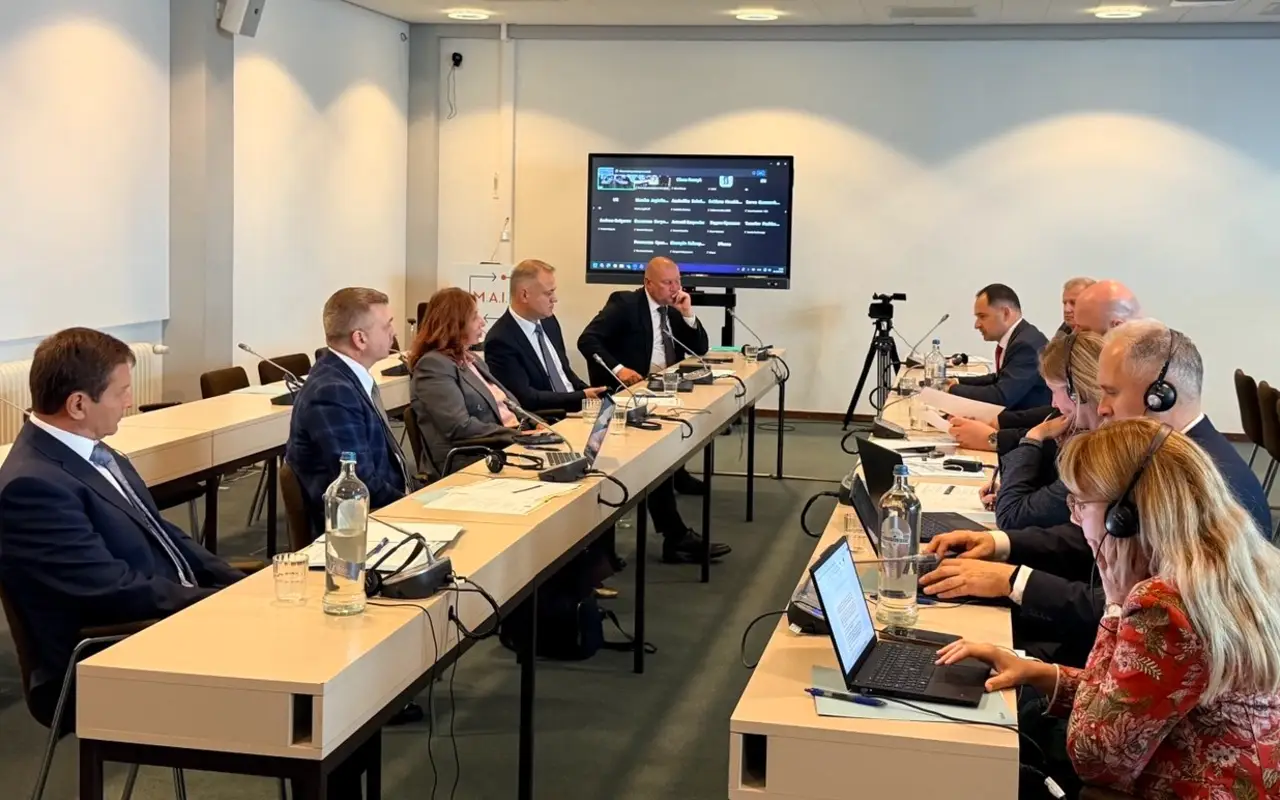
Today, October 2, a meeting of the Standing Committee of the Council of Bars and Law Societies of Europe (CCBE) is taking place in Brussels. On the agenda are the protection of the advocate profession, the rule of law, attorney-client privilege, and changes in the European justice system.
Rule of Law Roadmap
The UNBA presented the key provisions of the future law on advocacy in Brussels
The Ukrainian National Bar Association presented its proposals for the upcoming law on advocacy, aligned with the Rule of Law Roadmap. The presentation covered topics such as access to the profession, self-governance, disciplinary procedures, professional development and guarantees for the practice of advocacy.

Educational events
Advocates were taught to voice their complaints without making accusations
In a difficult conversation, it’s easy to confuse facts with opinions, feelings with accusations, and requests with demands. How can you express dissatisfaction, explain your own needs, and propose a specific solution while still allowing your conversation partner the opportunity to refuse or suggest an alternative?
Guarantees of the practice of law
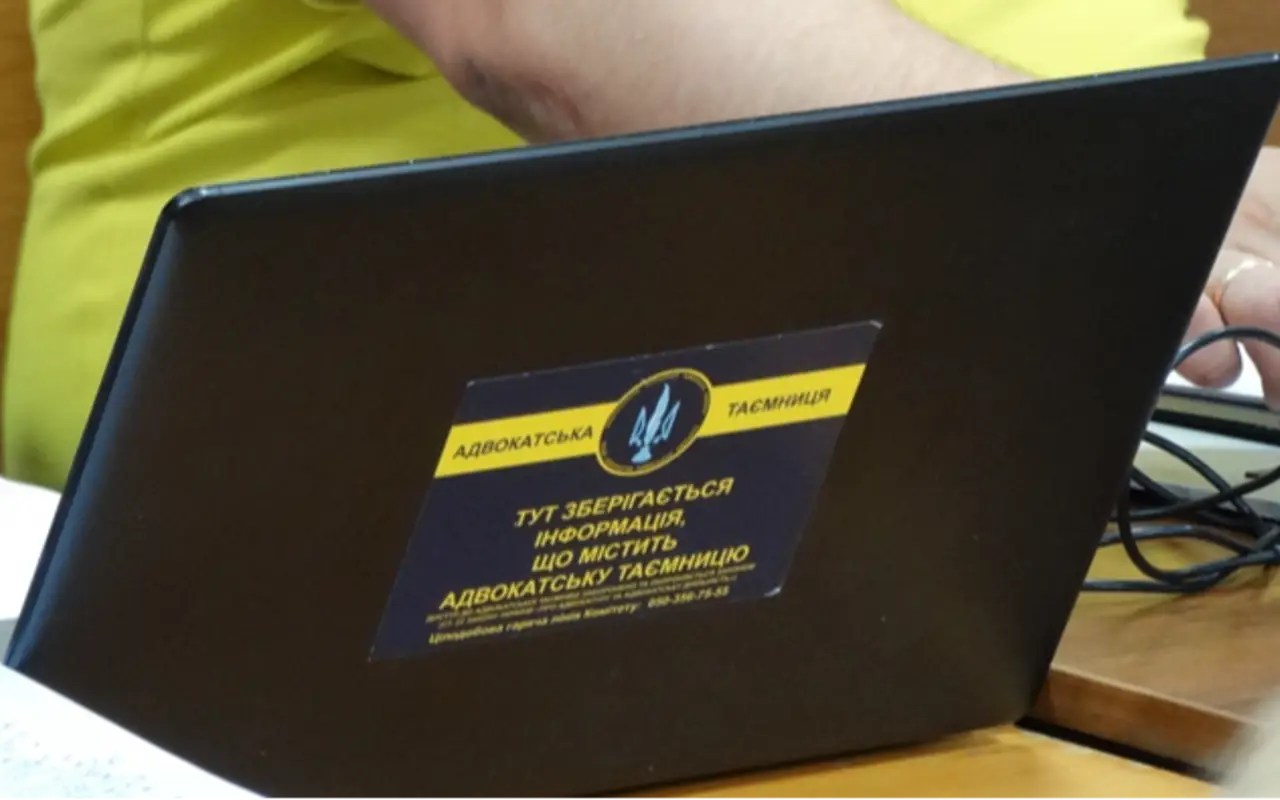
Search of an advocate's office after client's acquittal: criminal complaint filed
In Kyiv, law enforcement officers conducted a search of the home of an advocate who had defended a client acquitted by the court and seized materials from the advocate’s case file. The proceedings were initiated shortly after the acquittal, even though the document they were searching for was already included in the court case file.
Guarantees of the practice of law
The paradoxes of urgency: is it possible to investigate a crime before it is committed?
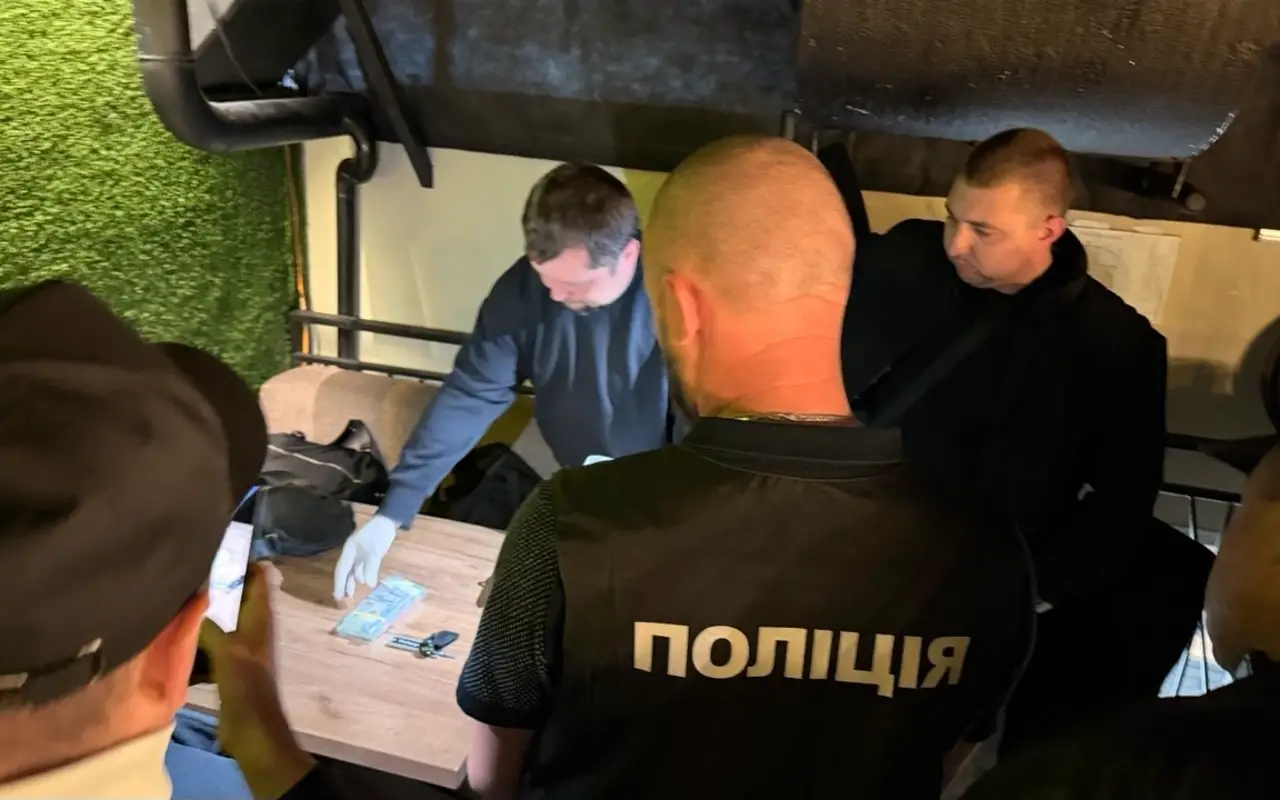
On September 24 in Kyiv, National Police officers detained an advocate during an emergency search, having caught him in the act of committing a crime. At the time, the pretrial investigation in this case had already been ongoing for more than four months.
Guarantees of the practice of law
A side effect of the video conference: the judge mistook the sound of a chair for the advocate's response
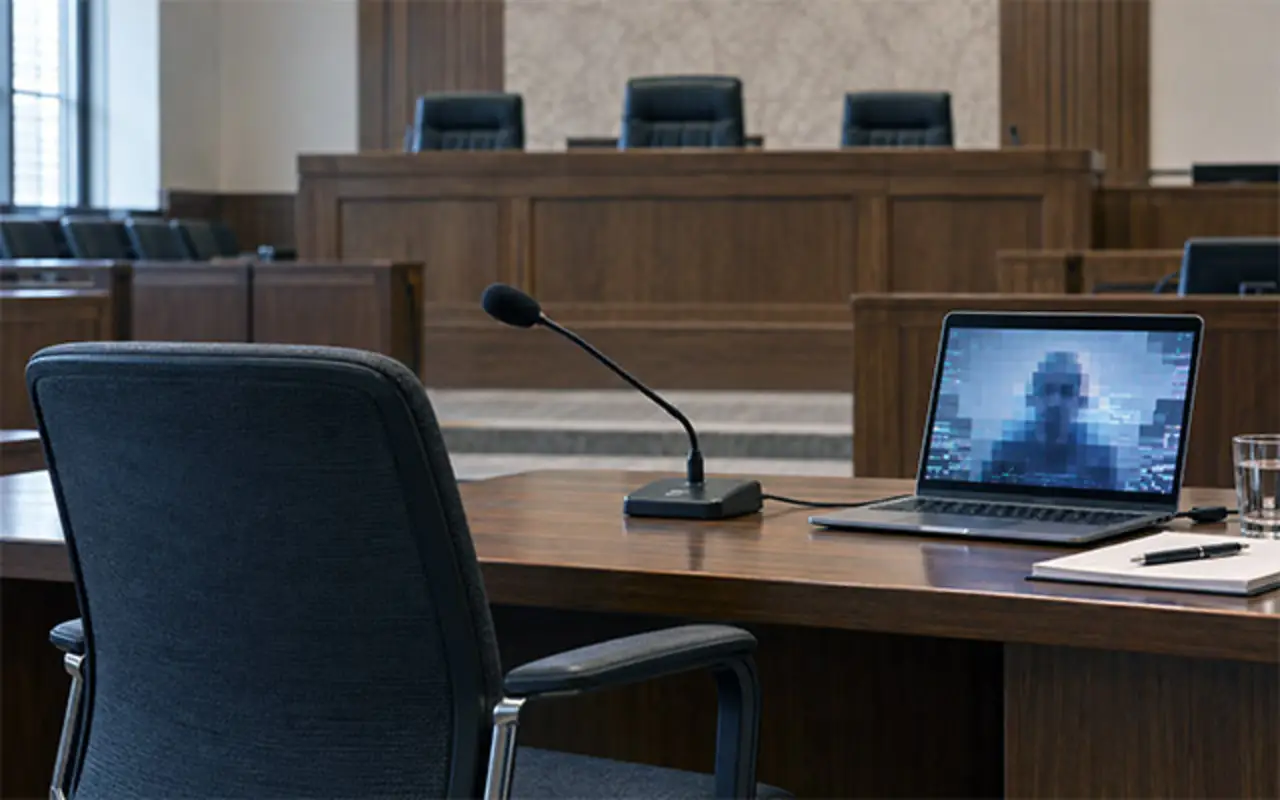
Technology also has its downsides. The High Council of Justice acquitted a judge who failed to hear the advocates during court proceedings in a civil case. One of the arguments presented to the disciplinary body was poor connectivity, the risks of which are borne by the participants.
Publications

Vasyl Kolishnyi, «Law and Business» Supporting mental health should become part of the professional culture of the Bar, - H. Udovenko

Volodymyr Matsko Extradition during wartime: when the risks outweigh the request

Volodymyr Matsko Extradition as a systemic form of rights violations

Victoria Yakusha, Law and Business The anti-corruption vertical cannot «take care» of the Bar as an institution, - acting head of the HQDCB

Censor.net Protecting advocates – protecting justice: addressing concerns about the new law

Ihor Kolesnykov A BRIEF SUMMARY REGARDING THE APPLICATION OF THE ORDER ON EXTENDED CONFISCATION IN LATVIA REGARDING FINANCIAL ASSETS OF…

Valentyn Gvozdiy WORKING IN A WAR ZONE

Lydia Izovitova Formula of perfection