






Problems of the FLA system were discussed by the Ombudsman


Due to the lack of control established by law, the quality of legal aid provision in the country is gradually declining. And experienced lawyers lose motivation to cooperate with the FLA system.
During the working meeting, the Ukrainian Parliament Commissioner for Human Rights Dmytro Lubinets and the Vice President of UNBA Valentyn Gvozdiy discussed the state of functioning of the free legal aid system.
The latter drew the Ombudsman's attention to the tendency of the state to remove the bar from participation in the functioning of the FLA system, as well as attempts to take over the functions that belong to the exclusive powers of the bar self-government bodies.
In particular, the work of the Supervisory Board of the Coordination Center for Legal Aid Provision, which is supposed to ensure the democratic development of the system and minimize corruption risks in it, is completely blocked (we recall that this body has not been functioning for almost two years). The bar has also been effectively excluded from the rule-making and organizational processes of ensuring the functioning of the FLA system, although the institution has a wide range of its own resources.
In addition, lawyers, as highly qualified specialists, are practically not involved in the provision of primary legal aid, which is currently provided incompletely and mostly at the expense of staff members of state authorities and local self-government bodies.
In his turn, D. Lubinets noted that in the course of processing citizens' appeals to him, the need for professional legal aid often arises, as the issue requires narrow-profile consultation in certain areas of law.
Among other problems, V. Gvozdiy mentioned the unjustified underfunding of the work of lawyers providing free secondary legal aid. «Regulatory, organizational and ideological obstacles are being artificially created to pay for the work already done», he explained.
Also, the Vice President of UNBA drew the Ombudsman's attention to the fact that the bodies (institutions) authorized by law to provide FLA perform uncharacteristic functions of assessing the quality of FLA. According to the Law «On the Bar and Practice of Law», this should be done by quality assessment commissions at the bar self-government bodies. «In fact, control over the quality of FLA is provided by entities that do not have qualifications and competencies. And this makes it impossible to ensure the proper quality of FLA», noted V. Gvozdiy.
That is why, in his opinion, the bar self-government bodies should strengthen their role in the administration of the FLA provision while maintaining the function of full financial control by the state.
Also during the meeting, the UNBA and the Ombudsman agreed to cooperate within the framework of the Child Advocate Center project and discussed the prospects for legal regulation of artificial intelligence in Ukraine. The Ombudsman expressed his belief that cooperation with the UNBA within the framework of the memorandum will be effective.
Popular news
Rule of Law Roadmap
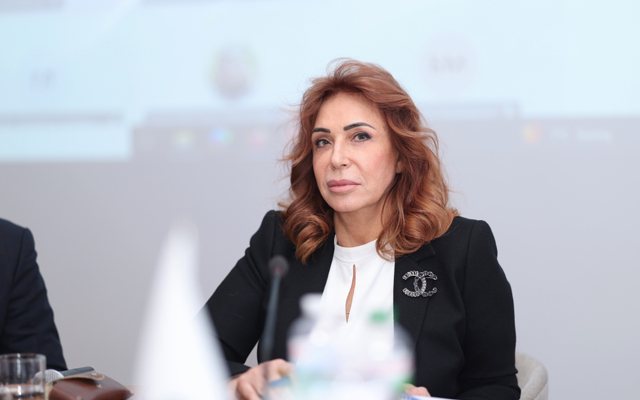
Lidiya Izovitova: reform of the advocacy profession should make the profession stronger and individuals better protected
The Ukrainian advocacy community is finalizing work on a new version of the relevant law. The roadmap on the rule of law has set the fourth quarter of 2026 as the deadline for achieving results in this area. The draft is intended to ensure safeguards for the practice of law through mechanisms of accountability for violations.
Abroad
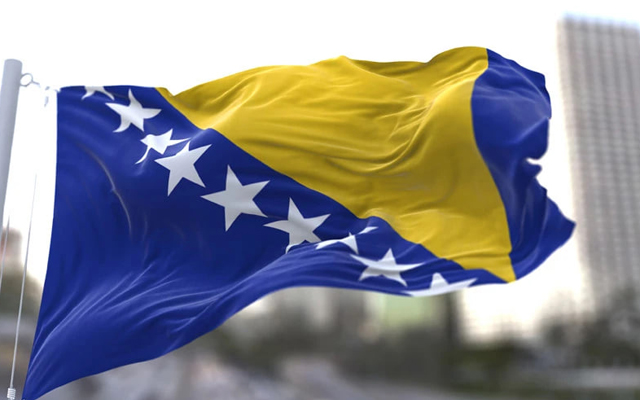
The first country to ratify the Convention on the Protection of the Professions of Lawyer
Bosnia and Herzegovina became the first country to ratify the Council of Europe Convention on the Protection of the Professions of Lawyer (CETS No. 226). The country signed the Convention on March 17, 2026, so it took just over seven months to ratify it.
Support
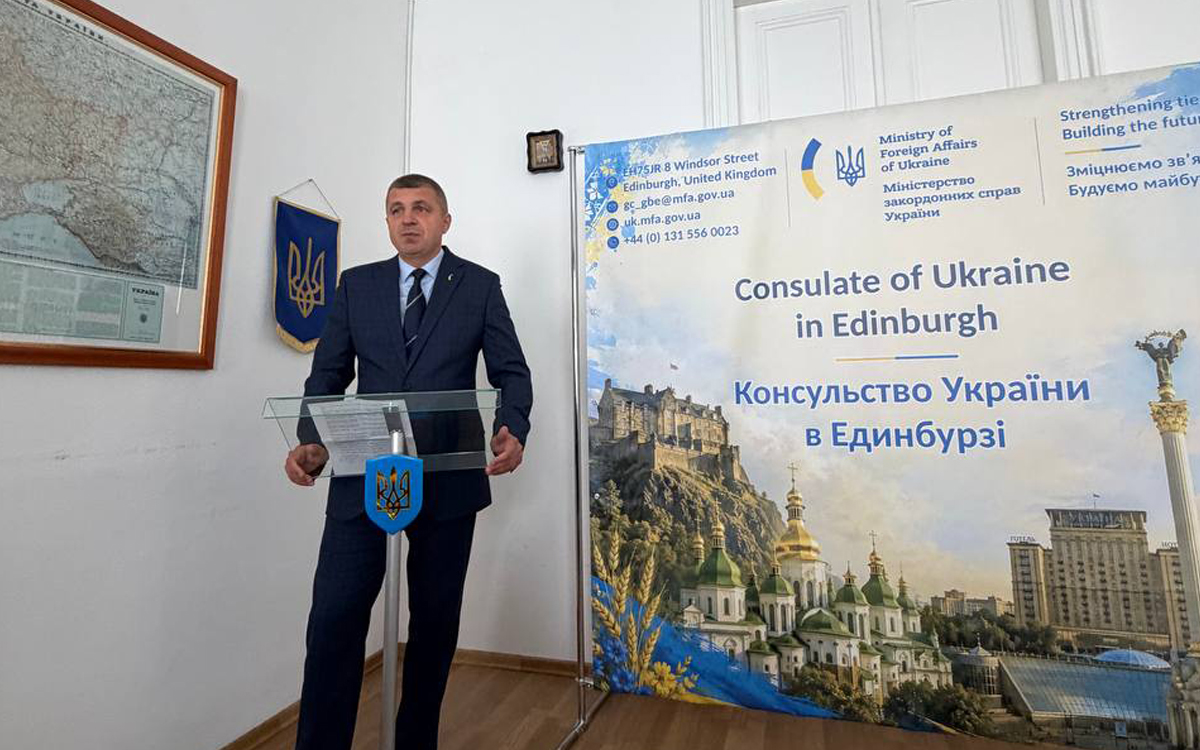
In Edinburgh expressed gratitude to those who are helping Ukrainian advocates and citizens
Since the start of the full-scale invasion, Scottish legal institutions and the Ukrainian community, with the participation of the UNBA, have been helping Ukrainian advocates obtain their qualifications and Ukrainians receive legal assistance. The parties are now planning joint professional and educational events.
Educational events
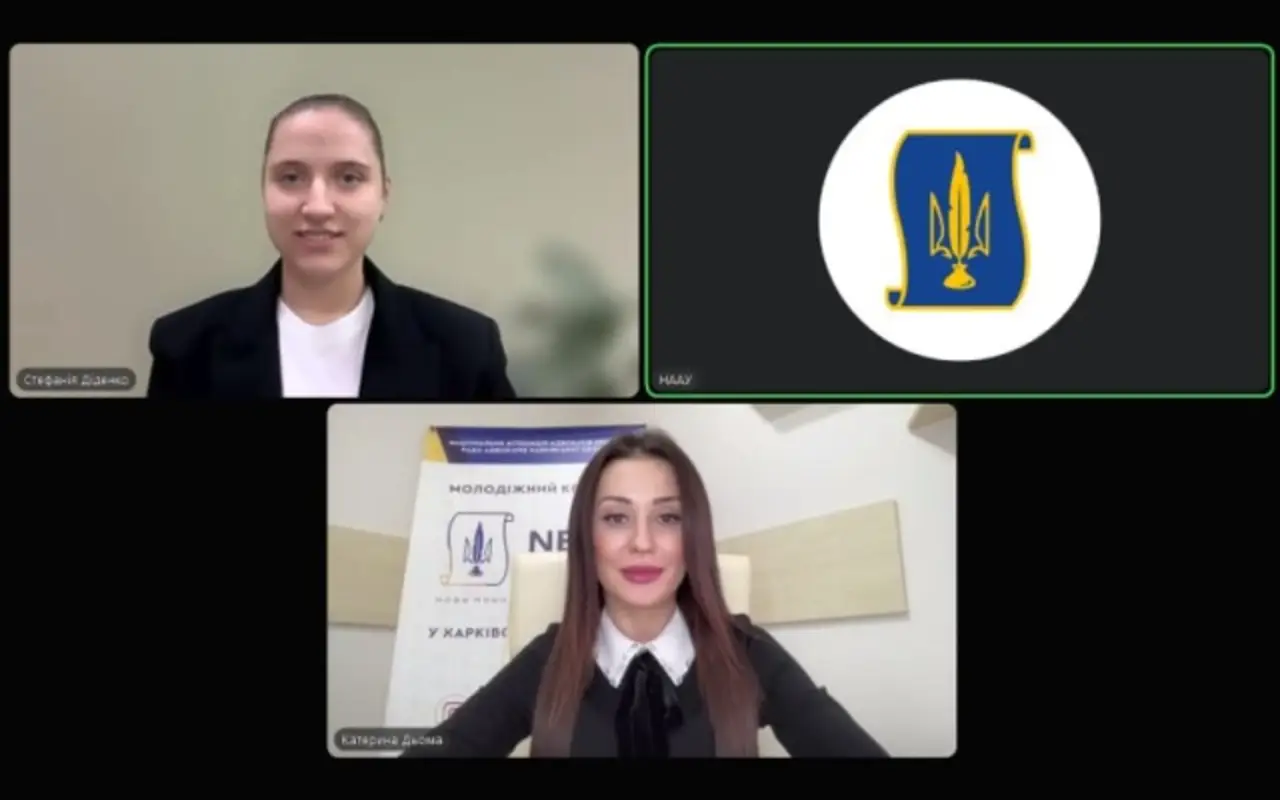
An advocate's meeting with a client outside the office: how to conduct it without giving away too much
If a client suggests meeting in a public place, keep in mind that any name or amount mentioned aloud could be overheard by bystanders. Therefore, it’s important to plan ahead regarding the table, seating arrangements, and the scope of the conversation.

Legislation
The UNBA explained what could undermine the plan to introduce plea agreements
Information regarding who pays whom, how much, and on what grounds under a plea agreement must be made public. However, as long as this information is classified as a state secret or personal data, the court will continue to be able to close proceedings and restrict access to judgments.
Interaction
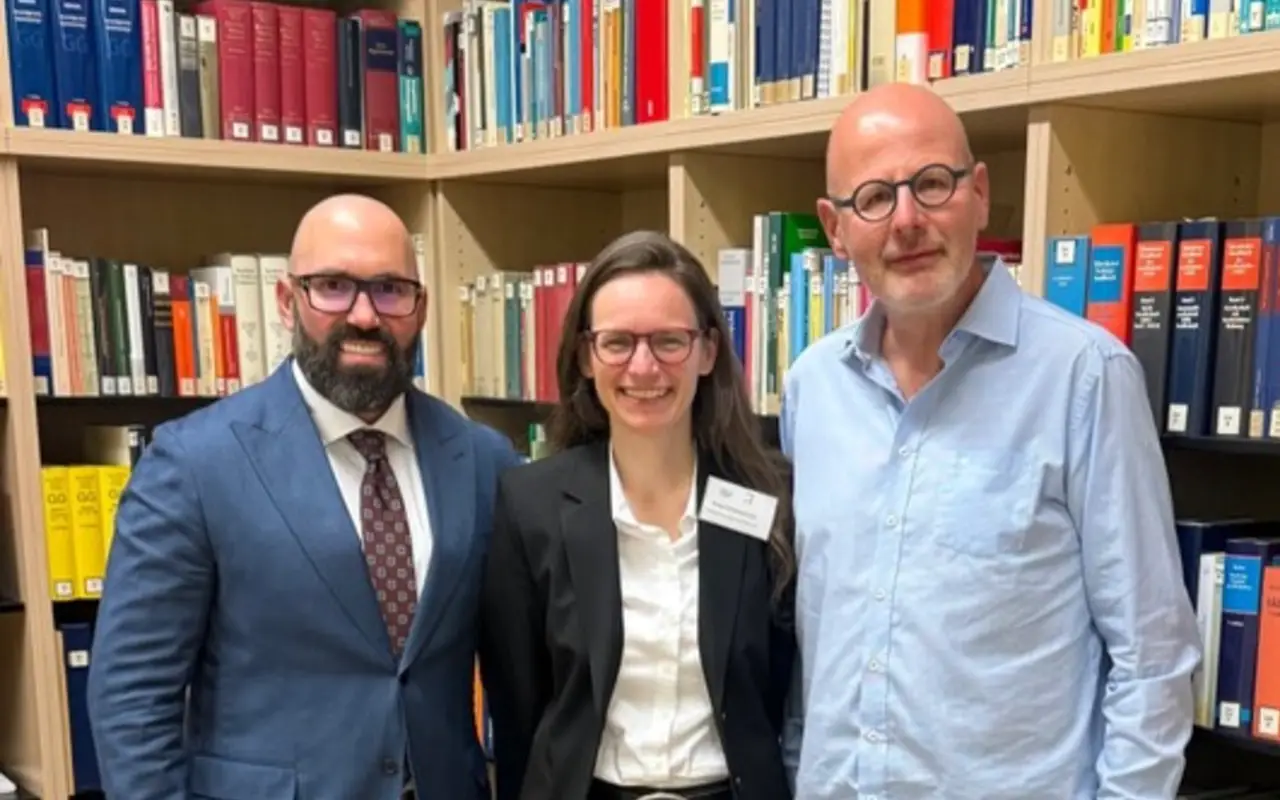
The UNBA and the German Institute for Eastern Law will prepare joint legal opinions
Ukrainian advocates and German legal scholars will jointly prepare comparative legal studies, expert opinions, and professional events. The UNBA reached this agreement with the Institute for Eastern European Law in Regensburg, which has been researching the laws of Central and Eastern European countries for nearly 70 years.

Legislation
Proceedings against military personnel following AWOL require clear deadlines — UNBA
A soldier’s return to duty after AWOL does not necessarily mean the end of criminal proceedings. To ensure that the case does not remain at the pretrial investigation stage, a clear procedure for the investigator and prosecutor is required.
Educational events
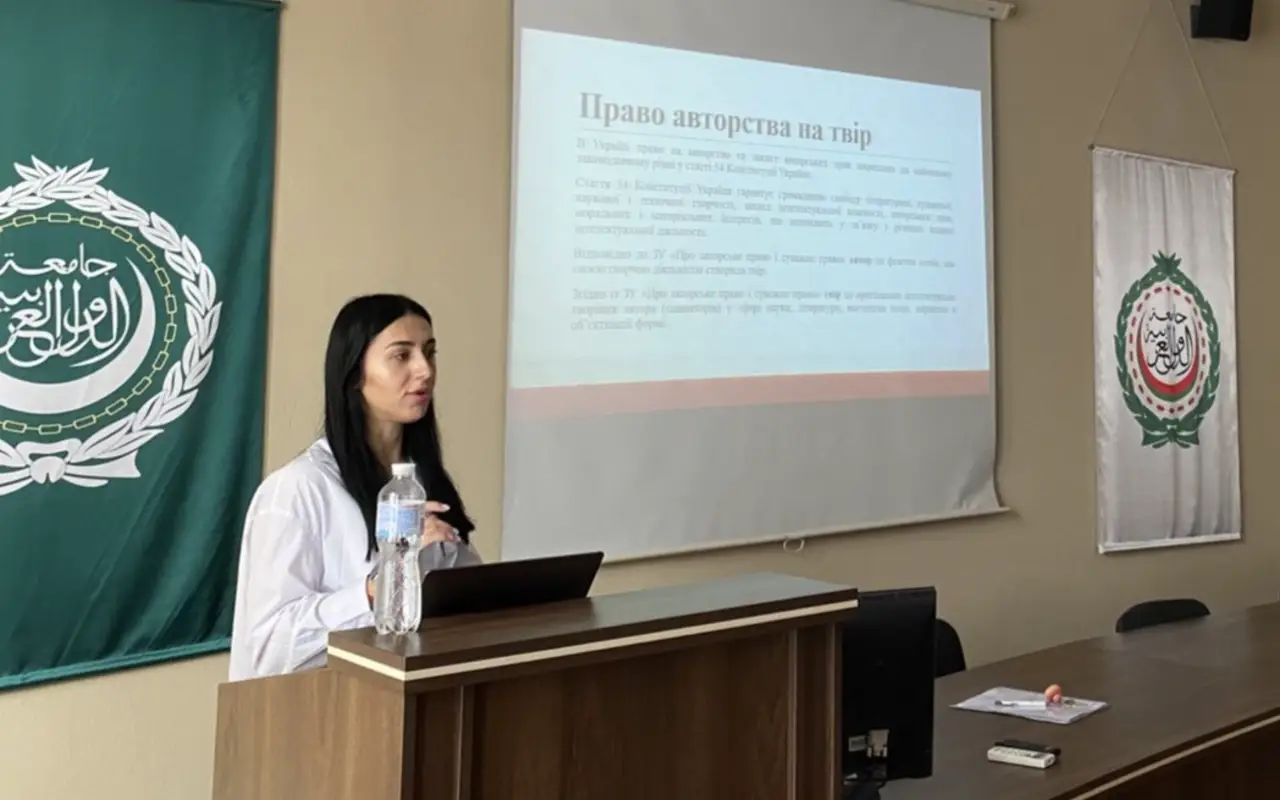
A one-time payment or royalties? Students were briefed on changes to copyright agreements
As a general rule, property rights to a work created by an employee are transferred to the employer, but the author retains the right to remuneration. European law requires that this remuneration be based on the actual income generated by the work, rather than being limited to a one-time payment.
Publications

Vasyl Kolishnyi, «Law and Business» Supporting mental health should become part of the professional culture of the Bar, - H. Udovenko

Volodymyr Matsko Extradition during wartime: when the risks outweigh the request

Volodymyr Matsko Extradition as a systemic form of rights violations

Victoria Yakusha, Law and Business The anti-corruption vertical cannot «take care» of the Bar as an institution, - acting head of the HQDCB

Censor.net Protecting advocates – protecting justice: addressing concerns about the new law

Ihor Kolesnykov A BRIEF SUMMARY REGARDING THE APPLICATION OF THE ORDER ON EXTENDED CONFISCATION IN LATVIA REGARDING FINANCIAL ASSETS OF…

Valentyn Gvozdiy WORKING IN A WAR ZONE

Lydia Izovitova Formula of perfection

