


The role of advocacy in crisis: lessons from the war: V. Gvozdiy speaks
No international standards, including those developed by the United Nations, contain any guidelines or recommendations for professional associations of lawyers in the event of war. Therefore, the role and responsibilities of the bar in those jurisdictions that are experiencing a crisis are difficult to define.
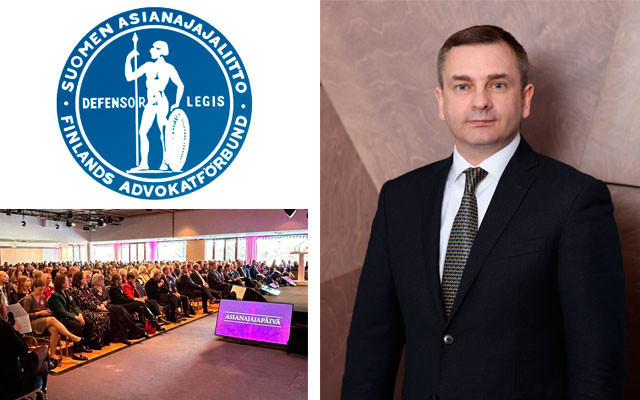
This was emphasized by Valentyn Gvozdiy, the Vice President of UNBA in his speech at the Conference on the Day of the Finnish Bar, which took place on January 26 in Helsinki. At the event, organized by the Finnish Bar Association, he was invited to make a presentation on the role of lawyers and associations in protecting the rule of law during the crisis.
In particular, V. Gvozdiy recalled the UN Basic Principles on the Role of Lawyers, adopted by the 8th UN Congress on the Prevention of Crime and the Treatment of Offenders in 1990. This document declares that professional associations of lawyers play a vital role in maintaining professional standards and ethics, protecting their members from harassment and undue restrictions and encroachments, providing legal services to all who need them, and cooperating with government and other institutions in achieving the ends of justice and protecting the public interest.
«But the general content of the document clearly indicates that no exceptions are made for associations, even in times of war. This means that the duties of the bar remain unchanged even in times of crisis», the Vice President of UNBA expressed his conviction. He also emphasized that currently there are no principles, guidelines or advice that would help professional associations to navigate their response to violence, politics, threats to life and massive human rights violations.
V. Gvozdiy shared with the participants of the international conference the lessons learned by the Ukrainian National Bar Association during the war. One of these lessons, in his opinion, is the need to uphold the rule of law, the content of which is devalued in crisis conditions by both individual state institutions and society.
Lawyers in Ukraine handle a variety of cases, many of which are war-related. It is always a challenge for a defense lawyer to be the first in a situation that no one has faced before. Many lawyers work on cases aimed at restoring justice for people who have been illegally detained and tortured. «We insist that the right to a fair trial should remain inviolable even under martial law», summarized », the Vice President of UNBA.
Another negative phenomenon that has been spreading over the past two years is the identification of lawyers with clients. Even representatives of law enforcement agencies allow themselves to treat defense counsel as an accomplice to the crime of which the client is accused. As a result, lawyers are even subjected to physical violence.
According to V. Gvozdiy, the reason for the aggravation of these problems during the war was, in particular, the radicalization of sentiments in society and the devaluation of legal standards in the minds of citizens. «Tens of thousands of human casualties among both military and civilians, destruction of infrastructure and residential buildings, economic losses and lower living standards, severance of social ties - against this background, the attitude of Ukrainians to war crimes and crimes against humanity committed by the aggressor country is unequivocal: the perpetrators must be punished at all costs, the lawyer explained. - Therefore, the defenders face at least misunderstanding in society, and in some cases – indignation».
«But the position of the Ukrainian National Bar Association, even under such circumstances, remains unwavering: the rule of law must be respected. The right to a fair trial must be ensured in Ukraine, no matter how heinous the crimes are. And against the backdrop of the aggressor's actions, this opinion is unpopular and difficult to understand», summarized V. Gvozdiy.
Earlier, the European Criminal Bar Association (ECBA) expressed its support for the UNBA in this position, recalling that the highest purpose of the bar is to ensure that all people, regardless of the severity of the charges against them, receive a fair trial, free from intimidation and bias. The ECBA also called on the Ukrainian authorities to ensure the protection of lawyers, and on the Prosecutor General's Office and law enforcement agencies to take measures to stop any acts of interference with the professional activities of lawyers, to condemn attempts to exert pressure, and to impartially and effectively investigate all attacks on lawyers.
Popular news
Guarantees of the practice of law
Guarantees for advocacy without protective measures: proposed changes to the codes
The current law sets forth the rights and guarantees of the legal profession, but lacks the tools to protect them. The future law on advocacy is intended to fill this gap through amendments to criminal, administrative and procedural legislation.
Legislation
A bill implementing the Convention on the Protection of the Professions of Lawyer has been introduced
The constitutional guarantees of legal aid, defense, and the independence of advocacy cannot be realized without protecting advocates from unwarranted interference in their professional activities, including searches, the seizure of professional materials and the use of criminal procedural mechanisms to exert pressure.
Abroad
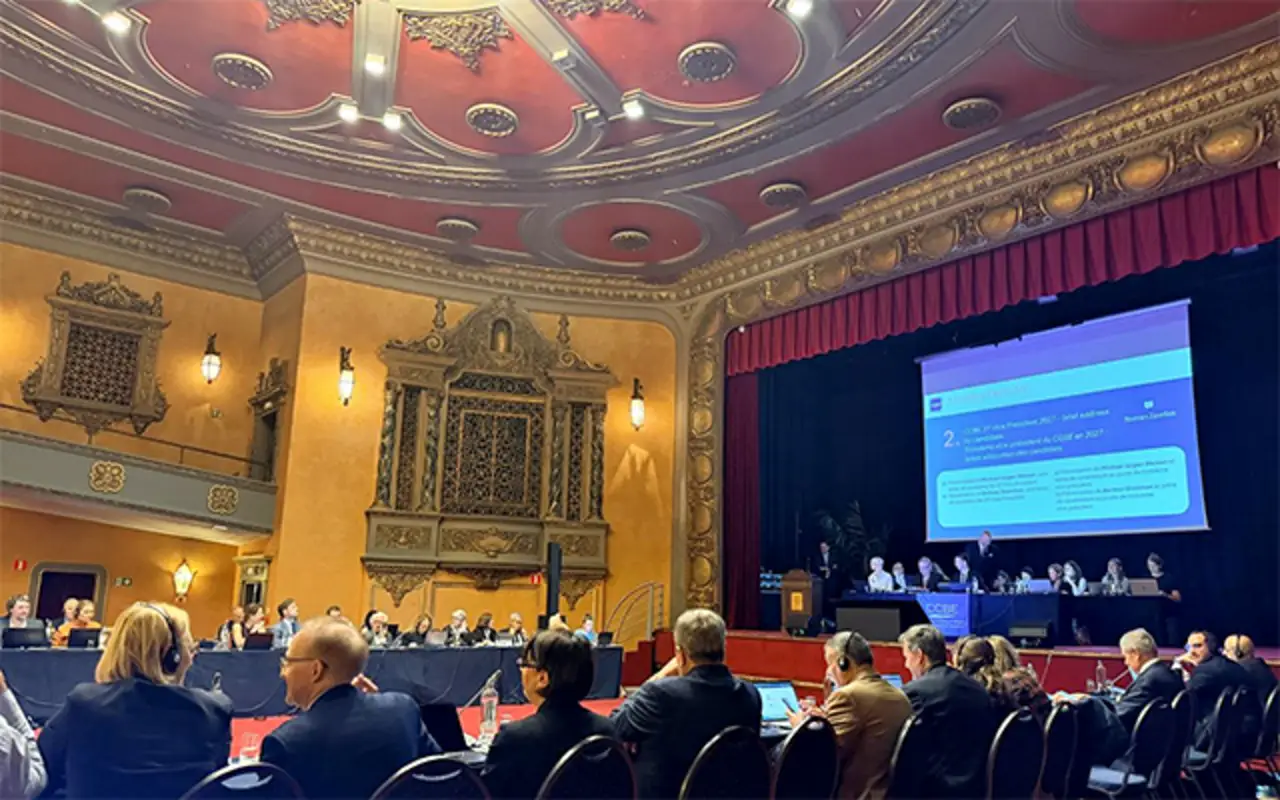
The CCBE is discussing European justice and issues related to the protection of advocates
Today, October 2, a meeting of the Standing Committee of the Council of Bars and Law Societies of Europe (CCBE) is taking place in Brussels. On the agenda are the protection of the advocate profession, the rule of law, attorney-client privilege, and changes in the European justice system.
Rule of Law Roadmap
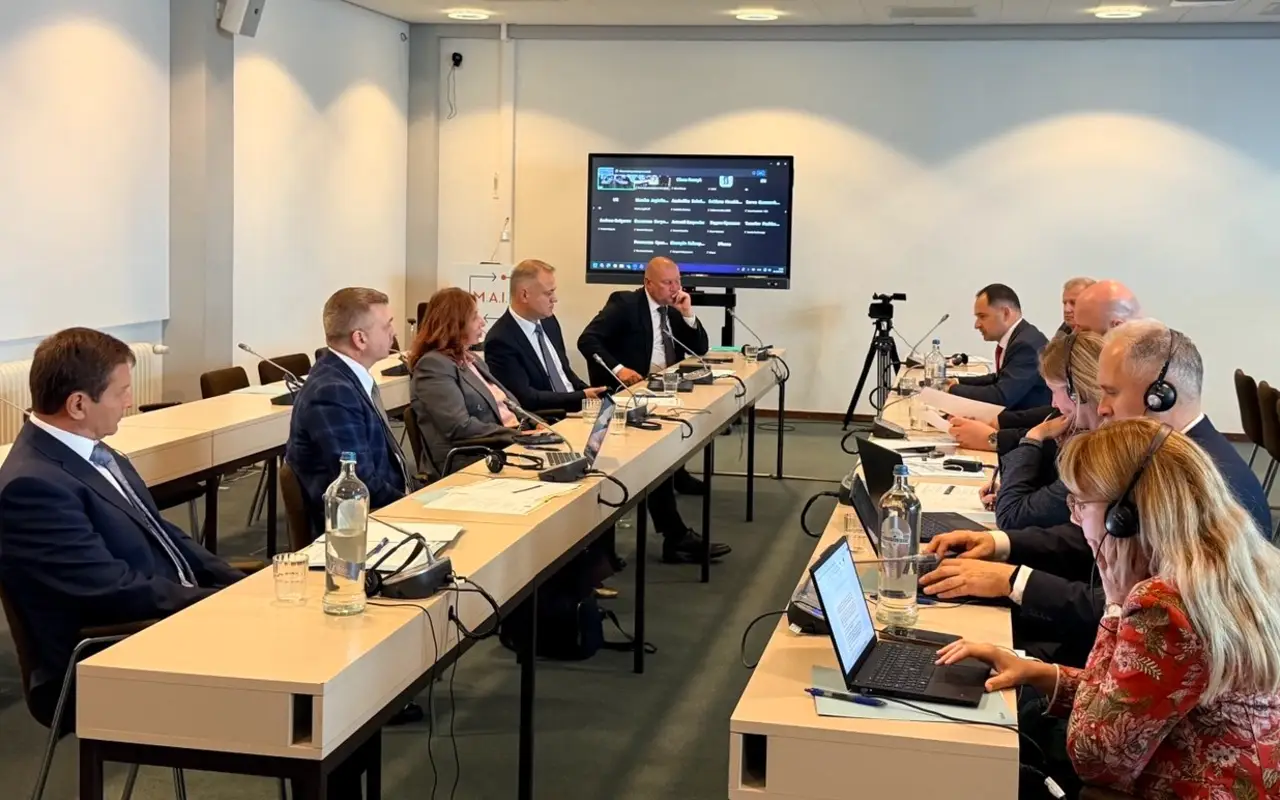
The UNBA presented the key provisions of the future law on advocacy in Brussels
The Ukrainian National Bar Association presented its proposals for the upcoming law on advocacy, aligned with the Rule of Law Roadmap. The presentation covered topics such as access to the profession, self-governance, disciplinary procedures, professional development and guarantees for the practice of advocacy.

Discussion
First the return of assets, then subsidiary liability — an opinion
In bankruptcy cases, the legal entity’s ability to preserve and restore the financial foundation of its operations requires legal protection. In this regard, the right to solvency in which the legal entity is the aggrieved party should be an independent object of legal protection.

Educational events
Advocates were taught to voice their complaints without making accusations
In a difficult conversation, it’s easy to confuse facts with opinions, feelings with accusations, and requests with demands. How can you express dissatisfaction, explain your own needs, and propose a specific solution while still allowing your conversation partner the opportunity to refuse or suggest an alternative?
Guarantees of the practice of law
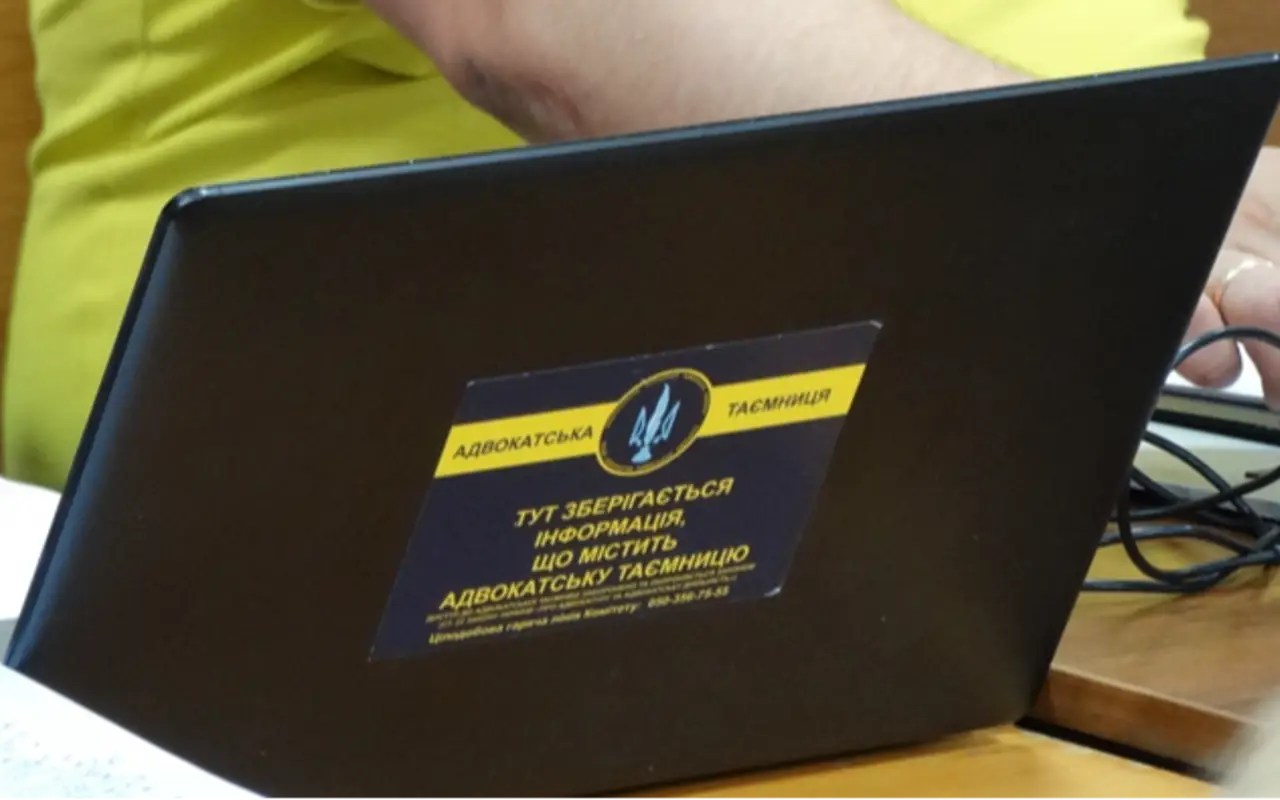
Search of an advocate's office after client's acquittal: criminal complaint filed
In Kyiv, law enforcement officers conducted a search of the home of an advocate who had defended a client acquitted by the court and seized materials from the advocate’s case file. The proceedings were initiated shortly after the acquittal, even though the document they were searching for was already included in the court case file.
Guarantees of the practice of law
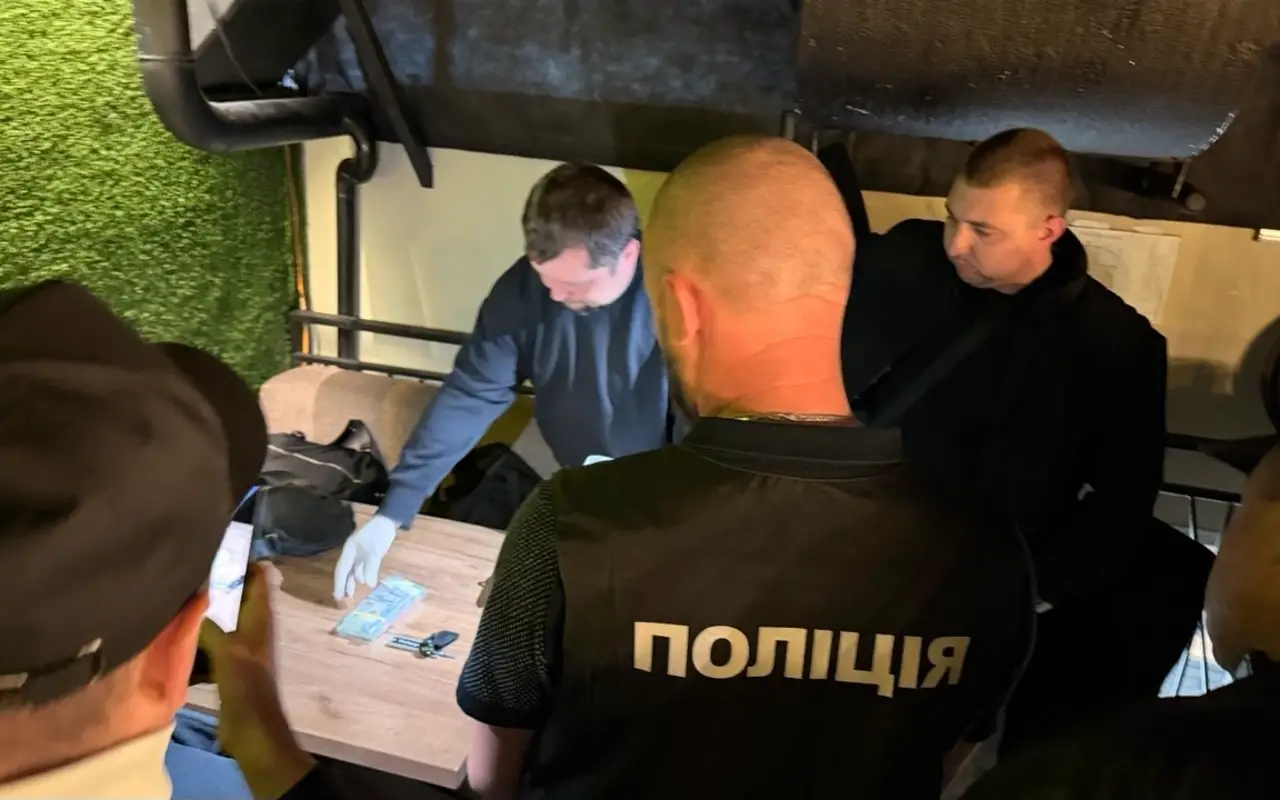
The paradoxes of urgency: is it possible to investigate a crime before it is committed?
On September 24 in Kyiv, National Police officers detained an advocate during an emergency search, having caught him in the act of committing a crime. At the time, the pretrial investigation in this case had already been ongoing for more than four months.
Publications

Vasyl Kolishnyi, «Law and Business» Supporting mental health should become part of the professional culture of the Bar, - H. Udovenko

Volodymyr Matsko Extradition during wartime: when the risks outweigh the request

Volodymyr Matsko Extradition as a systemic form of rights violations

Victoria Yakusha, Law and Business The anti-corruption vertical cannot «take care» of the Bar as an institution, - acting head of the HQDCB

Censor.net Protecting advocates – protecting justice: addressing concerns about the new law

Ihor Kolesnykov A BRIEF SUMMARY REGARDING THE APPLICATION OF THE ORDER ON EXTENDED CONFISCATION IN LATVIA REGARDING FINANCIAL ASSETS OF…

Valentyn Gvozdiy WORKING IN A WAR ZONE

Lydia Izovitova Formula of perfection