


Ukrainian authorities should provide defense guarantees for lawyers - ECBA
The prohibition of identification of an advocate with a client must be enforced under any circumstances, regardless of the category of cases. Ensuring this guarantee of the legal profession is a positive obligation of each state.
This is stated in the resolution adopted on May 6 by the European Criminal Bar Association (ECBA) following the discussion of the legal consequences of the war in Ukraine.
"Sharing the indignation of all conscious citizens at the facts of massive war crimes and crimes against humanity, we emphasize that even in such circumstances, the rule of law must be respected," the document says. - We congratulate our colleagues at the Ukrainian National Bar Association for their commitment to protecting the right to a fair trial, no matter how heinous the crimes charged against their clients. Such a position is courageous because, against the backdrop of the aggressor's actions, it is unpopular and often challenging to understand."
The European lawyers reminded me that the highest calling of the legal profession is to ensure that all people, regardless of the severity of the charges against them, receive a fair trial without intimidation or bias.
Instead, the ECBA noted, today's trials in Ukraine are accompanied by pressure on lawyers from society, politicians, and law enforcement agencies. This includes not only physical attacks or intimidation but also attempts to impede the provision of qualified defense, for example, by forcing the termination of contracts, particularly in the free legal aid system.
"We are witnessing numerous searches of Ukrainian lawyers, which have signs of persecution and harassment. This is a global problem that threatens the independence of the profession, which cannot be justified even under martial law," the resolution states.
According to paragraph 18 of the Basic Principles on the Role of Lawyers, adopted by the VIII United Nations Congress on the Prevention of Crime on August 1, 1990, lawyers should not be identified with clients and their cases concerning the performance of their professional duties.
The rule of prohibition of identification with a client, the document emphasizes, must be observed under any circumstances, regardless of the category of cases (traitors, prisoners of war, collaborators, etc.). At the same time, ensuring this guarantee of the legal profession is a positive obligation of each state.
Therefore, the ECBA called on the Ukrainian authorities to ensure the protection of lawyers and on the Prosecutor General's Office and law enforcement agencies to take measures to stop any acts of interference with their professional activities, condemn attempts to exert pressure, and impartially and effectively investigate all attacks on lawyers.
As a reminder, the systemic facts of obstruction of professional activity, violation of the rights and guarantees of the legal profession became the basis for convening an extraordinary meeting of the Bar Council of Ukraine on April 11. This issue was also discussed on April 27 during a roundtable organized by the Ukrainian National Bar Association.
For reference: The European Criminal Bar Association (ECBA) is an association whose members are independent lawyers from the member states of the European Union and the Council of Europe, as well as from other countries.
The Association was founded in 1992 and has since become the leading organization of lawyers in Europe. It brings together criminal defense lawyers and criminal law experts in Europe who defend the fundamental rights of persons under investigation, suspects, accused, and convicted persons.
Popular news
Legislation
A bill implementing the Convention on the Protection of the Professions of Lawyer has been introduced
The constitutional guarantees of legal aid, defense, and the independence of advocacy cannot be realized without protecting advocates from unwarranted interference in their professional activities, including searches, the seizure of professional materials and the use of criminal procedural mechanisms to exert pressure.
Abroad
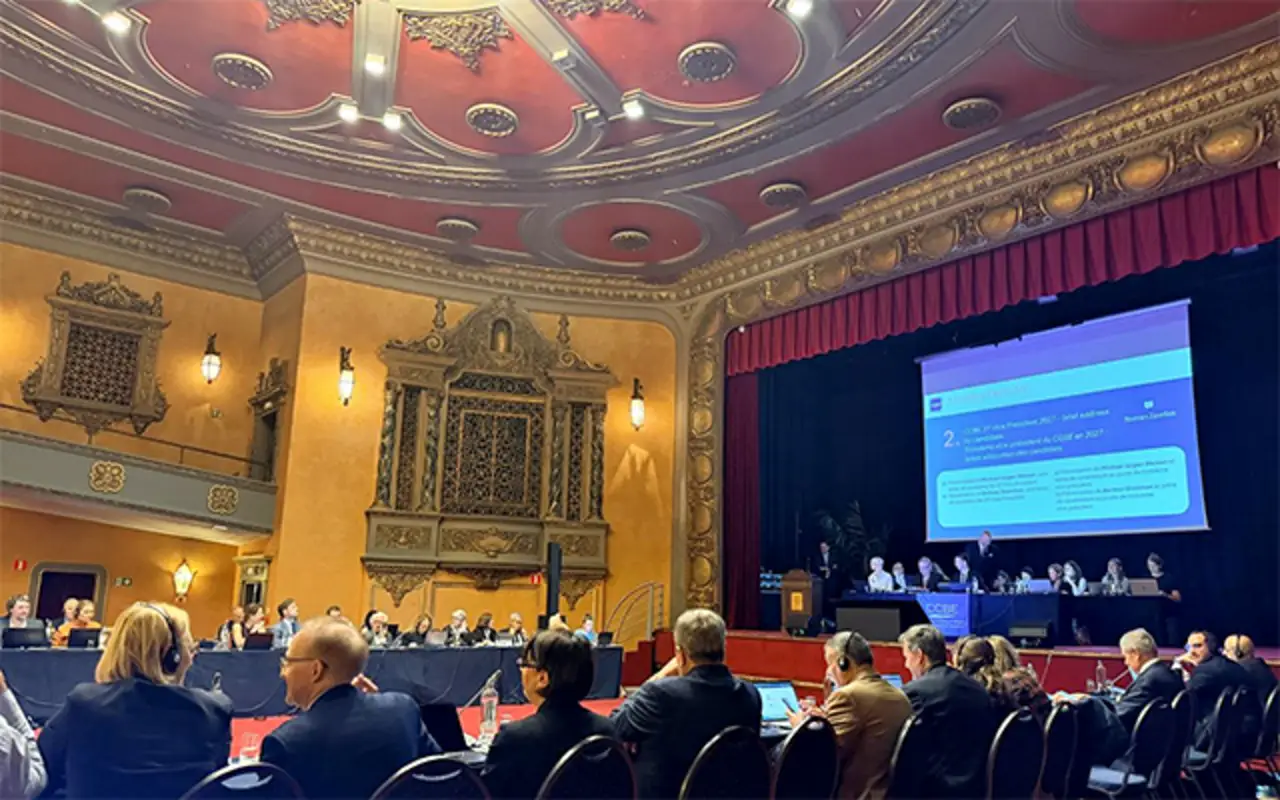
The CCBE is discussing European justice and issues related to the protection of advocates
Today, October 2, a meeting of the Standing Committee of the Council of Bars and Law Societies of Europe (CCBE) is taking place in Brussels. On the agenda are the protection of the advocate profession, the rule of law, attorney-client privilege, and changes in the European justice system.
Rule of Law Roadmap
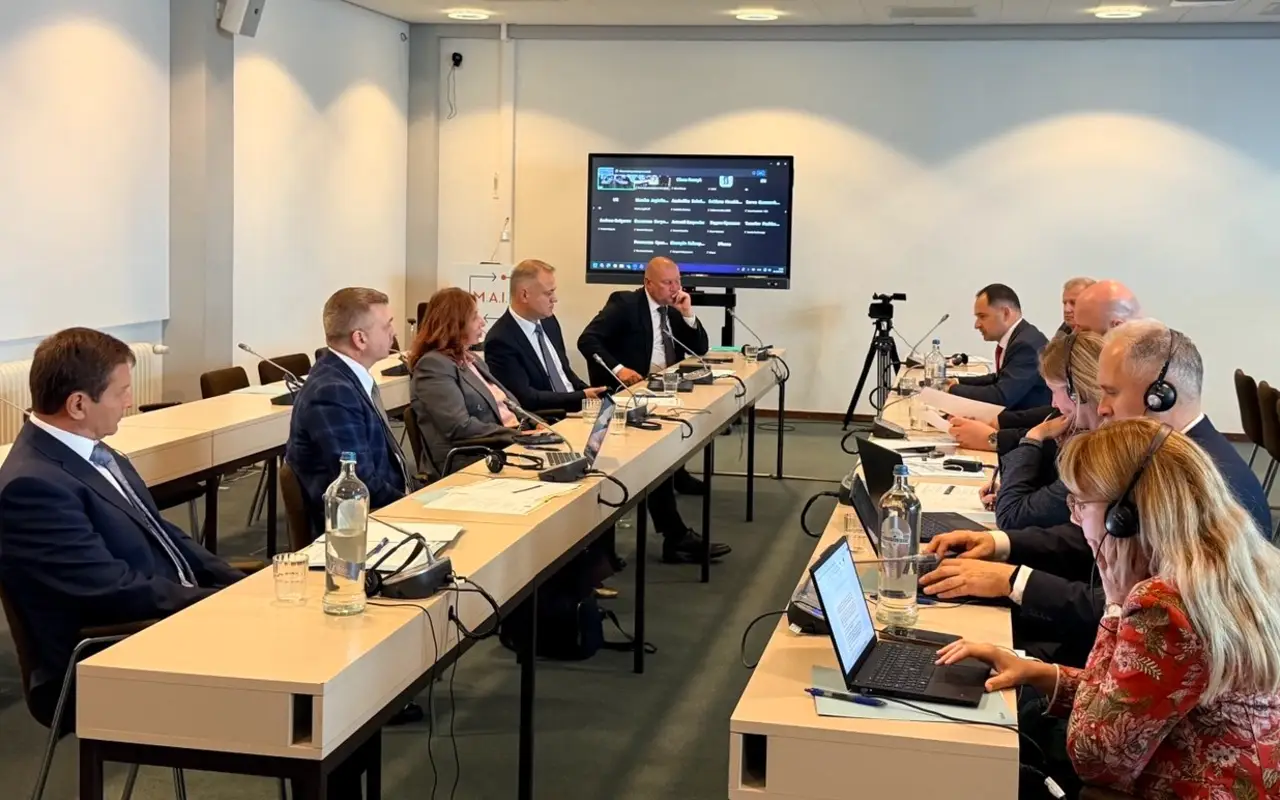
The UNBA presented the key provisions of the future law on advocacy in Brussels
The Ukrainian National Bar Association presented its proposals for the upcoming law on advocacy, aligned with the Rule of Law Roadmap. The presentation covered topics such as access to the profession, self-governance, disciplinary procedures, professional development and guarantees for the practice of advocacy.

Educational events
Advocates were taught to voice their complaints without making accusations
In a difficult conversation, it’s easy to confuse facts with opinions, feelings with accusations, and requests with demands. How can you express dissatisfaction, explain your own needs, and propose a specific solution while still allowing your conversation partner the opportunity to refuse or suggest an alternative?
Guarantees of the practice of law
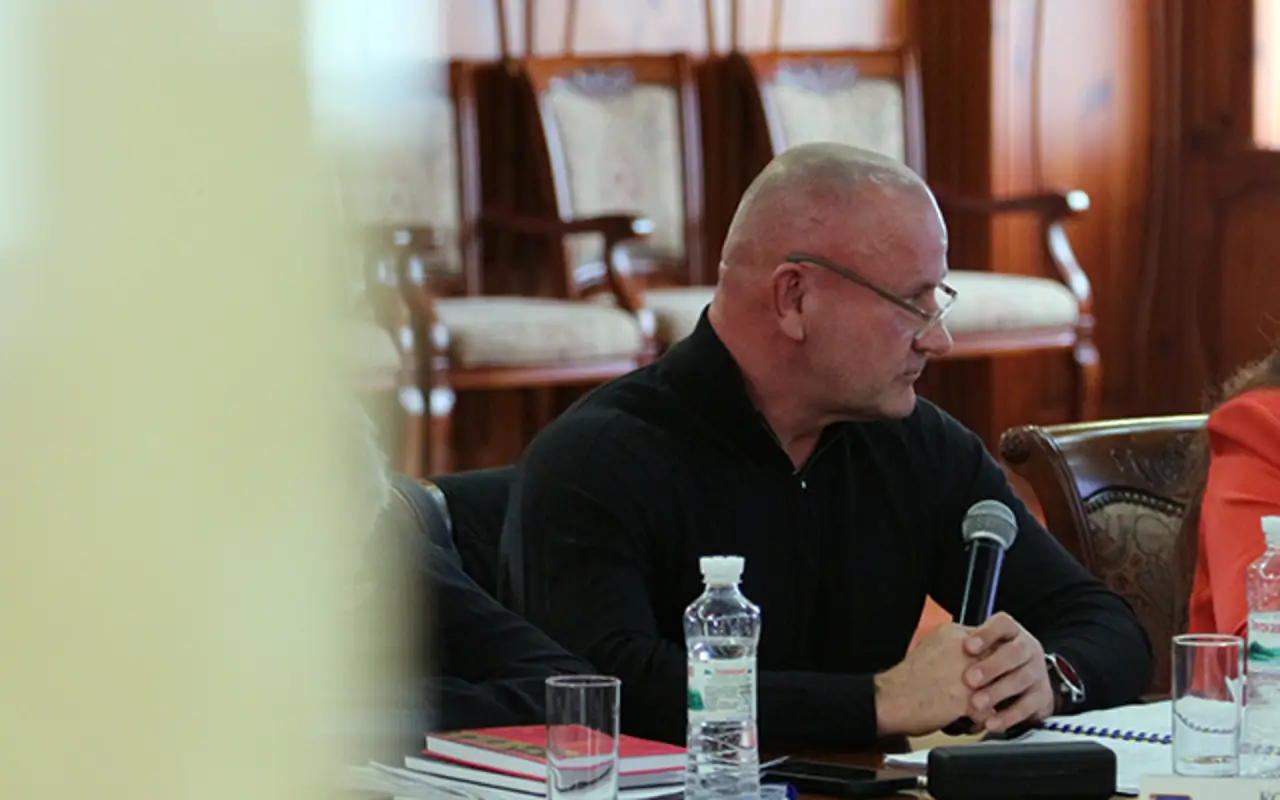
The contract provides for a video conference, but the court requires in-person appearance: how should an advocate proceed?
Many advocates today work remotely; therefore, their agreements with clients provide for the provision of legal assistance via videoconferencing. However, this form of work does not, in and of itself, create an unconditional obligation for the court to conduct every hearing via videoconference.
Guarantees of the practice of law
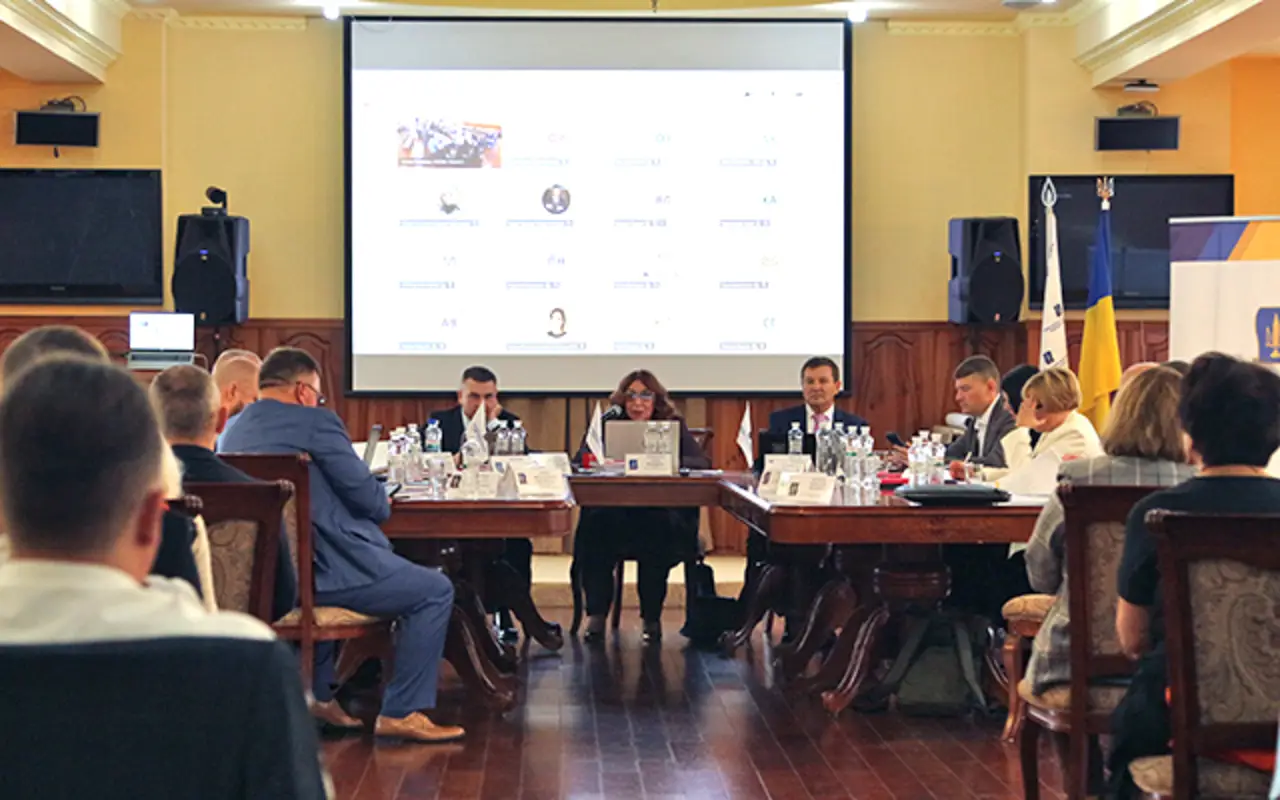
Independent oversight is necessary before using CISA materials against an advocate – Lidiya Izovitova
Before the prosecution uses information obtained during covert investigative actions and related to an advocate’s activities, independent procedural oversight must be conducted. It is necessary to determine whether such information is covered by attorney-client privilege and whether it may be disclosed.
Self-government
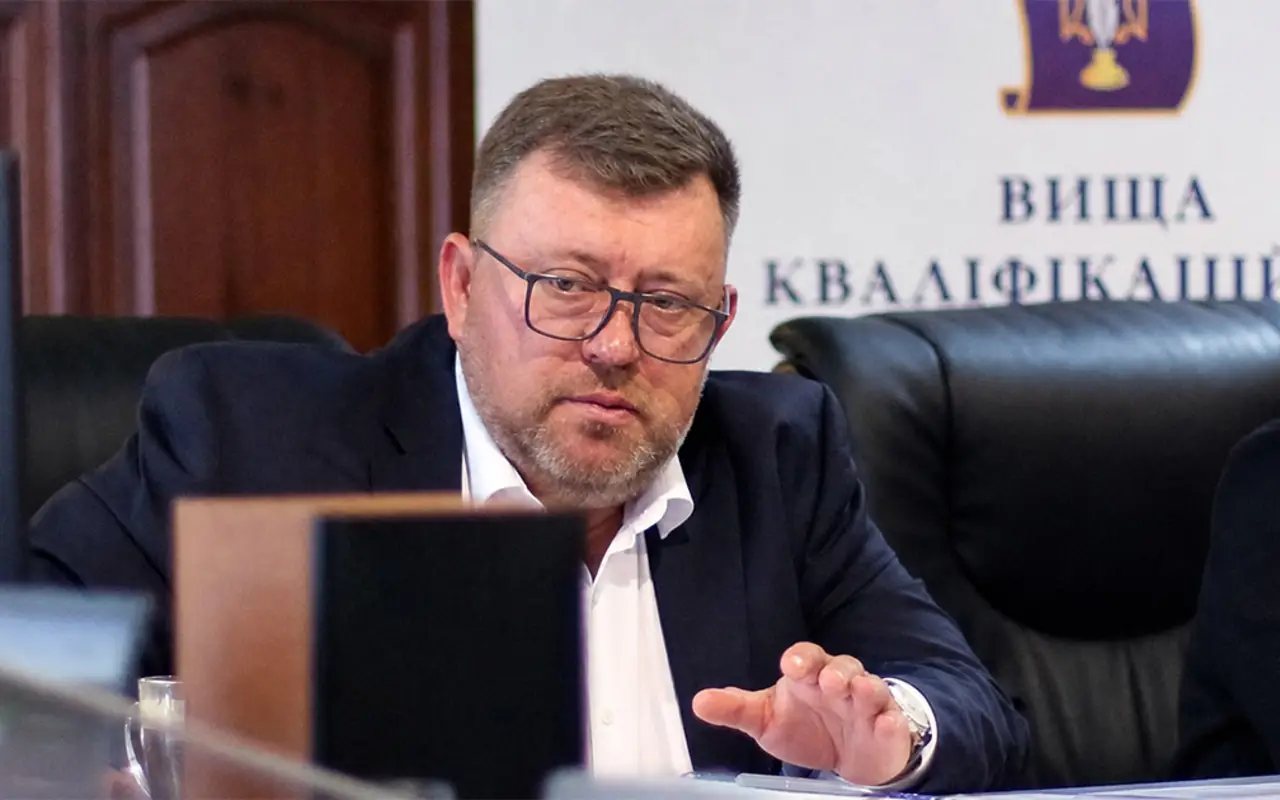
Efforts to develop advocacy must be brought to fruition — A. Misyats
The Ukrainian advocacy profession is currently going through a critical phase. Amid the war, it must ensure the continuity of legal aid, defend the independence of the profession, and improve qualification and disciplinary procedures in accordance with European standards. The work that has been started must be brought to a practical conclusion.
Support
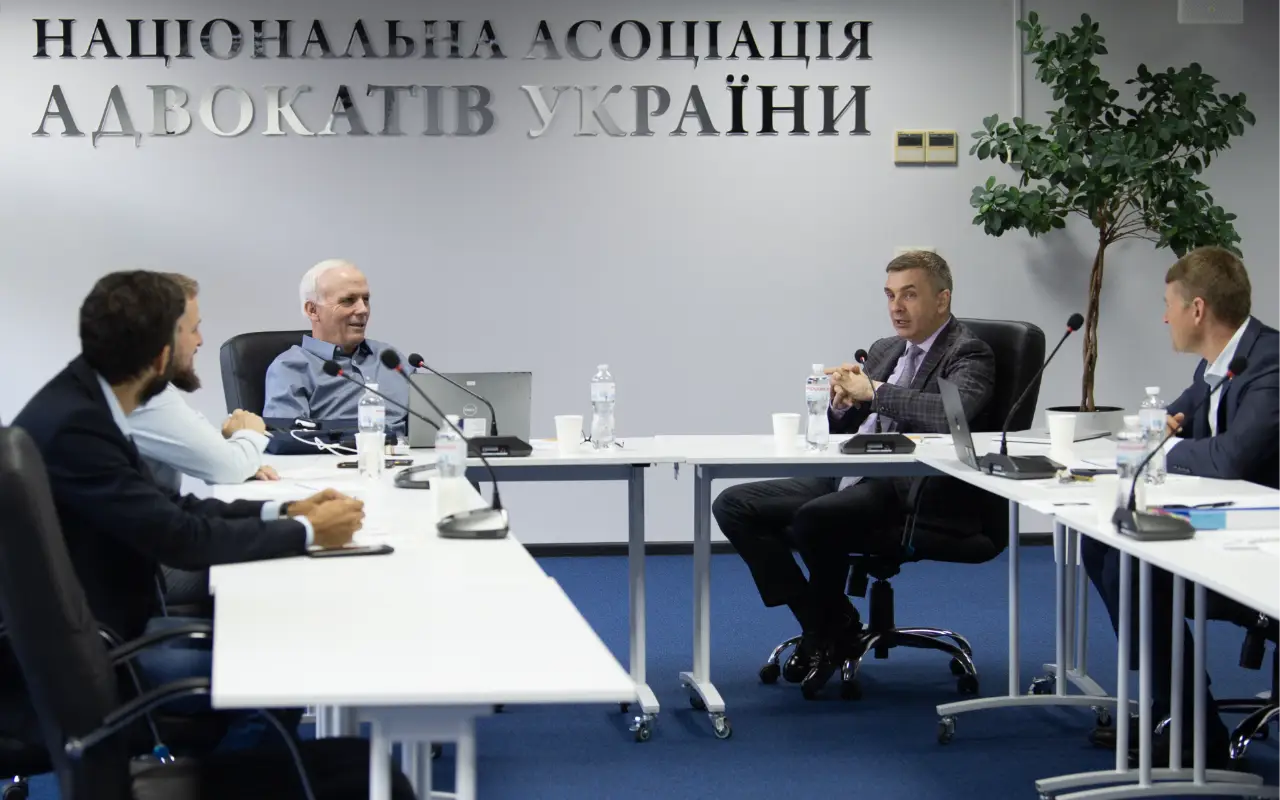
Protecting the legal profession, cybersecurity and support for advocates: common themes for the IBA and the UNBA
On September 18, a working meeting was held at the office of the Ukrainian National Bar Association with Executive Director of the International Bar Association (IBA) Mark Ellis. The parties discussed the Ukrainian advocacy profession’s participation in European legal processes, the protection of the UNBA’s digital infrastructure, psychological support for advocates and future areas of cooperation.
Publications

Vasyl Kolishnyi, «Law and Business» Supporting mental health should become part of the professional culture of the Bar, - H. Udovenko

Volodymyr Matsko Extradition during wartime: when the risks outweigh the request

Volodymyr Matsko Extradition as a systemic form of rights violations

Victoria Yakusha, Law and Business The anti-corruption vertical cannot «take care» of the Bar as an institution, - acting head of the HQDCB

Censor.net Protecting advocates – protecting justice: addressing concerns about the new law

Ihor Kolesnykov A BRIEF SUMMARY REGARDING THE APPLICATION OF THE ORDER ON EXTENDED CONFISCATION IN LATVIA REGARDING FINANCIAL ASSETS OF…

Valentyn Gvozdiy WORKING IN A WAR ZONE

Lydia Izovitova Formula of perfection