


Payment for the services of a lawyer should be made for each subject of the FLA
Numerous appeals of lawyers to the Ukrainian National Bar Association show that there is a problem of arbitrary interpretation of the rules on payment for services and reimbursement of lawyers' expenses by the centers for providing free secondary legal aid.
One of them was considered at the meeting of the Bar Council of Ukraine, which is taking place on June 7-8 in Zakarpattia.
A lawyer who received two instructions from the regional center of free legal aid to provide legal aid to two detainees and fulfilled them properly was paid only for the work on one of the instructions.
The officials motivated this decision by the fact that the assistance was provided in one place (a unit of the National Police) at one time, so payment for visits under the second assignment would be considered a double payment and misuse of budget funds.
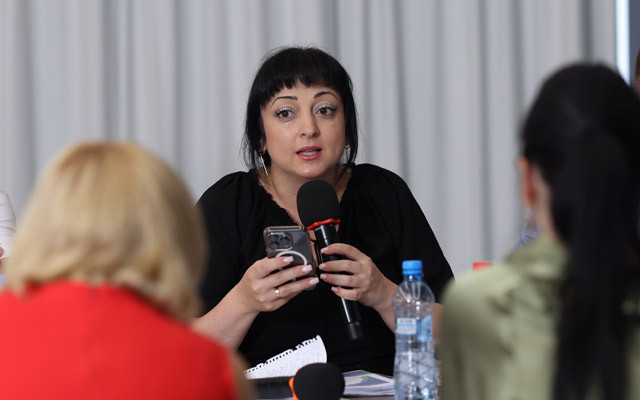
Oksana Kadenko, a member of the BCU from Khmelnytsky region, who spoke on this issue, pointed out that according to the agreement concluded between the lawyer and the regional center, the lawyer's services were to be paid for on the basis of contracts depending on the scope, time and place of service provision separately for each subject of the right to free secondary legal aid.
At the same time, neither the Procedure for Payment for Services and Reimbursement of Expenses of Attorneys Providing Free Secondary Legal Aid nor the Methodology for Calculating the Amount of Attorneys' Remuneration (approved by the Cabinet of Ministers of Ukraine on September 17, 2017, No. 465) prohibit paying for the services of an attorney in full for each individual assignment.
Therefore, the regional center not only violates its contractual obligations, but also devalues the work of a lawyer, allows fraud and arbitrariness in paying for his services, O. Kadenko is convinced.
To solve the problem, she proposed to initiate amendments to the Cabinet of Ministers' Resolution No. 465, enshrining the rule that the indicators for payment for services provided by a lawyer are determined separately for each assignment.
Each case of provision of legal aid shall be subject to independent payment in full, regardless of the fulfillment by the advocate of other assignments. If a lawyer provides legal aid to several detainees (suspects, accused, victims, witnesses) in one criminal proceeding, the lawyer's services for providing free secondary legal aid must be paid in full separately for each subject of the right to free legal aid.
Members of the Bar Council of Ukraine supported this initiative.
Popular news
Legislation
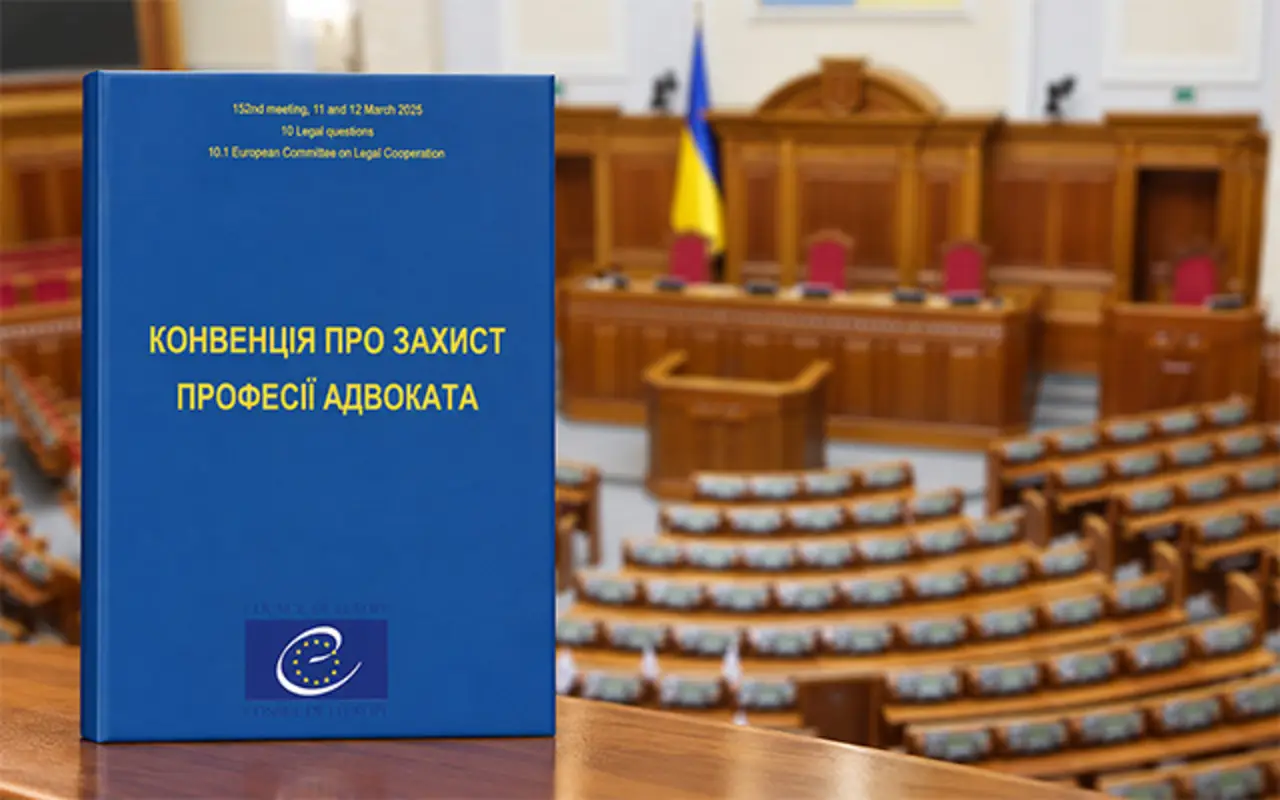
A bill implementing the Convention on the Protection of the Professions of Lawyer has been introduced
The constitutional guarantees of legal aid, defense, and the independence of advocacy cannot be realized without protecting advocates from unwarranted interference in their professional activities, including searches, the seizure of professional materials and the use of criminal procedural mechanisms to exert pressure.
Abroad
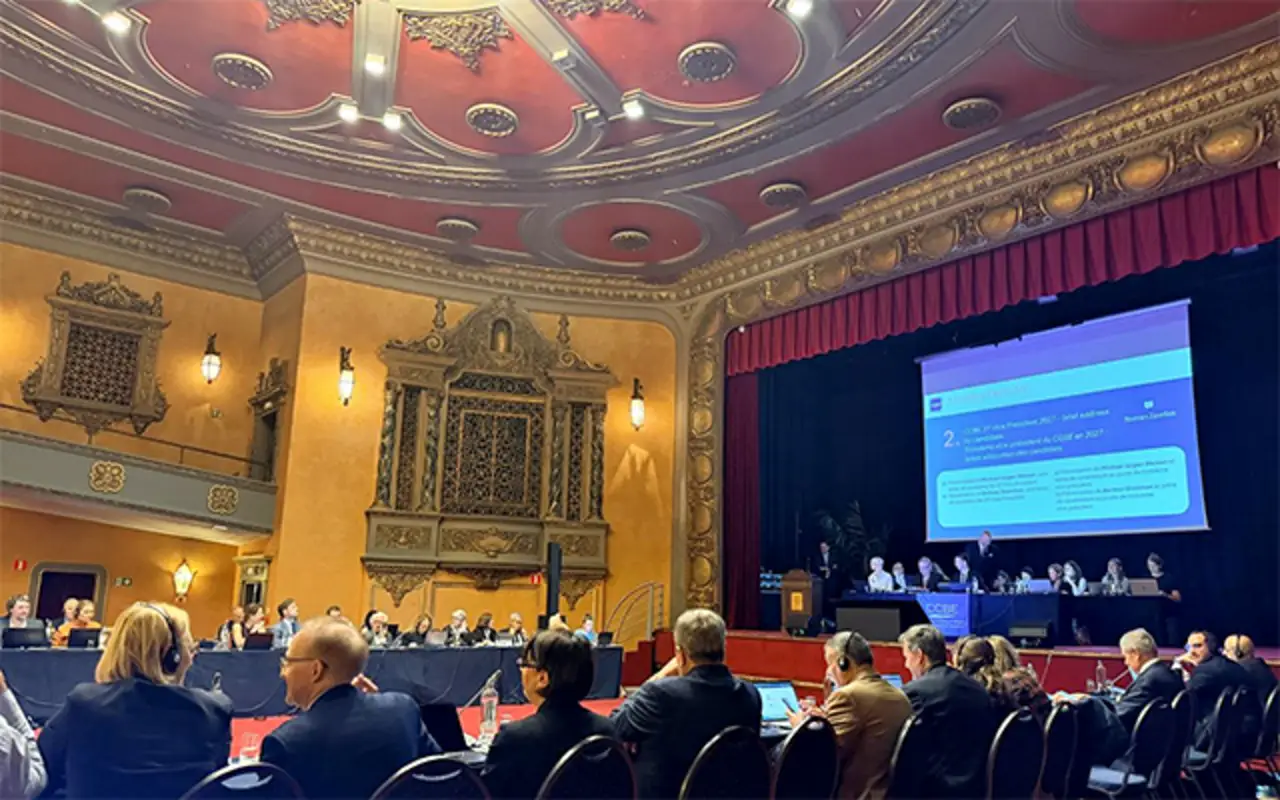
The CCBE is discussing European justice and issues related to the protection of advocates
Today, October 2, a meeting of the Standing Committee of the Council of Bars and Law Societies of Europe (CCBE) is taking place in Brussels. On the agenda are the protection of the advocate profession, the rule of law, attorney-client privilege, and changes in the European justice system.
Rule of Law Roadmap
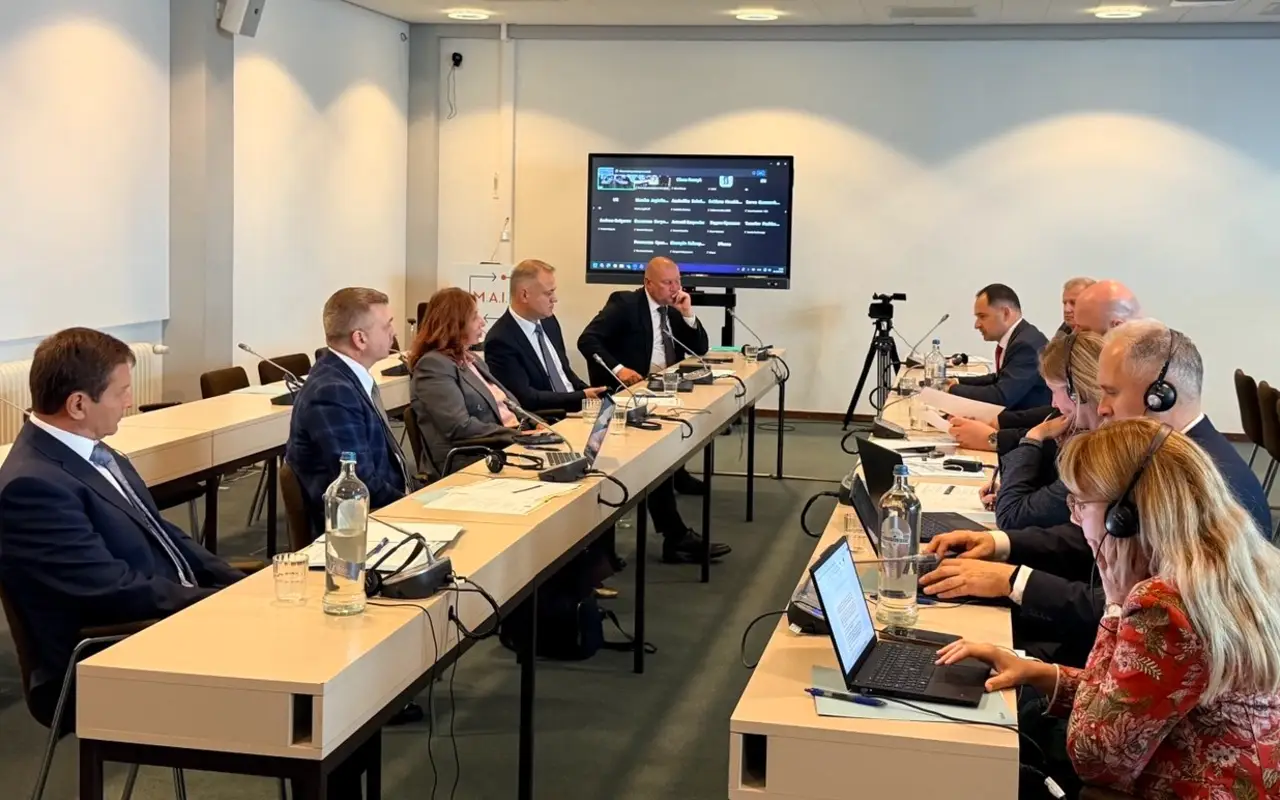
The UNBA presented the key provisions of the future law on advocacy in Brussels
The Ukrainian National Bar Association presented its proposals for the upcoming law on advocacy, aligned with the Rule of Law Roadmap. The presentation covered topics such as access to the profession, self-governance, disciplinary procedures, professional development and guarantees for the practice of advocacy.

Educational events
Advocates were taught to voice their complaints without making accusations
In a difficult conversation, it’s easy to confuse facts with opinions, feelings with accusations, and requests with demands. How can you express dissatisfaction, explain your own needs, and propose a specific solution while still allowing your conversation partner the opportunity to refuse or suggest an alternative?
Guarantees of the practice of law
The paradoxes of urgency: is it possible to investigate a crime before it is committed?
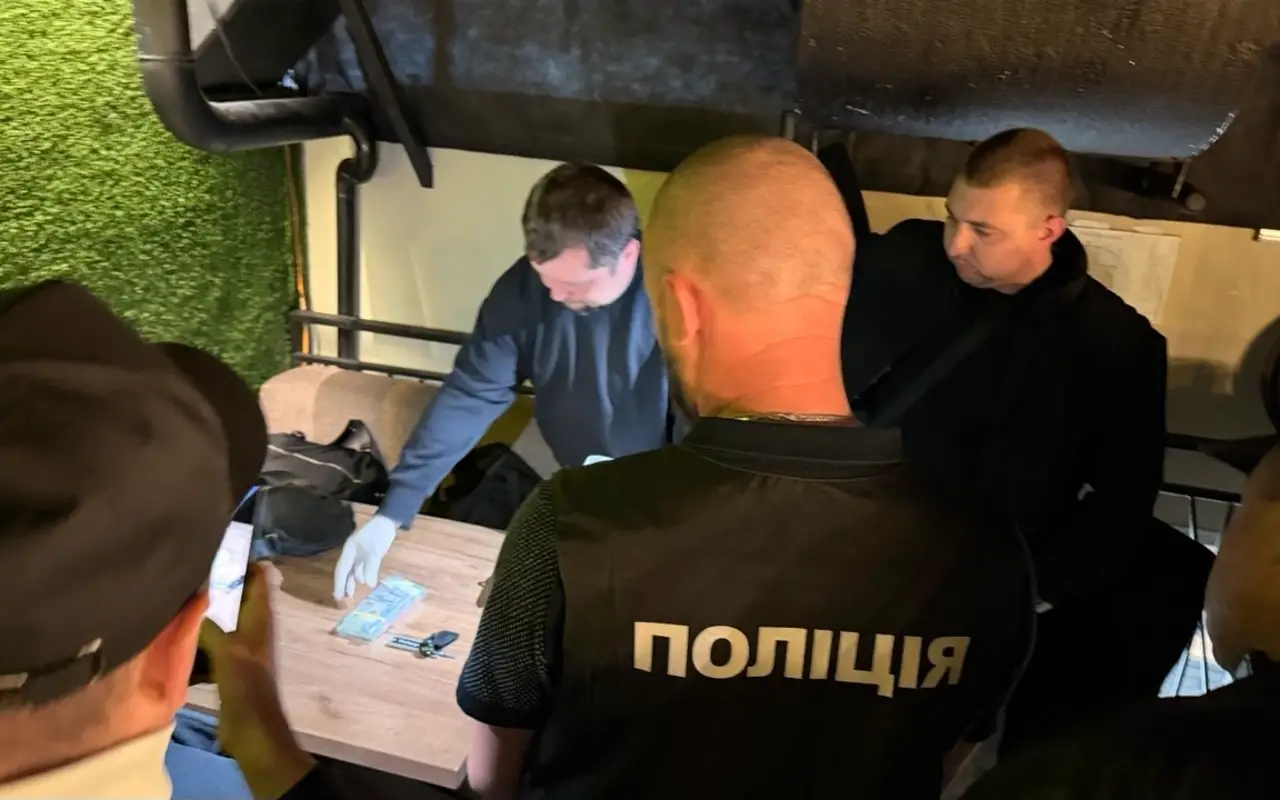
On September 24 in Kyiv, National Police officers detained an advocate during an emergency search, having caught him in the act of committing a crime. At the time, the pretrial investigation in this case had already been ongoing for more than four months.

Guarantees of the practice of law
Unrestricted access to advocates' accounts poses a risk of client data disclosure — BCU
Information regarding transactions in the bank accounts of an advocate, a law firm, or a bar association from which clients can be identified, as well as the fact and subject matter of a request for legal assistance, the purpose of payments, and the amount of the fee constitutes attorney-client privilege. This rule applies regardless of whether the information also constitutes banking information and is in the possession of a bank.
Guarantees of the practice of law
The contract provides for a video conference, but the court requires in-person appearance: how should an advocate proceed?
Many advocates today work remotely; therefore, their agreements with clients provide for the provision of legal assistance via videoconferencing. However, this form of work does not, in and of itself, create an unconditional obligation for the court to conduct every hearing via videoconference.
Guarantees of the practice of law
Independent oversight is necessary before using CISA materials against an advocate – Lidiya Izovitova
Before the prosecution uses information obtained during covert investigative actions and related to an advocate’s activities, independent procedural oversight must be conducted. It is necessary to determine whether such information is covered by attorney-client privilege and whether it may be disclosed.
Publications

Vasyl Kolishnyi, «Law and Business» Supporting mental health should become part of the professional culture of the Bar, - H. Udovenko

Volodymyr Matsko Extradition during wartime: when the risks outweigh the request

Volodymyr Matsko Extradition as a systemic form of rights violations

Victoria Yakusha, Law and Business The anti-corruption vertical cannot «take care» of the Bar as an institution, - acting head of the HQDCB

Censor.net Protecting advocates – protecting justice: addressing concerns about the new law

Ihor Kolesnykov A BRIEF SUMMARY REGARDING THE APPLICATION OF THE ORDER ON EXTENDED CONFISCATION IN LATVIA REGARDING FINANCIAL ASSETS OF…

Valentyn Gvozdiy WORKING IN A WAR ZONE

Lydia Izovitova Formula of perfection