


The shadow dissipates after a real study, - L. Izovitova on the «report» on the advocacy
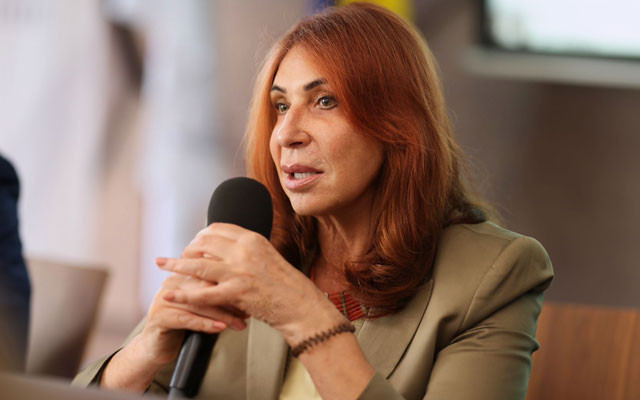
The shadow report of the coalition of NGOs on the state of affairs in Ukraine and the European Commission's report, which contain sections on the bar, were prepared without the participation of the UNBA, the only professional organization of lawyers in Ukraine. Therefore, there are doubts about the objectivity and reliability of the information provided.
This opinion was expressed by Lidiya Izovitova, the President of the UNBA, BCU, during the XIV International Scientific and Practical Conference «Advocacy: Past, Present and Future», which was recently held in Odesa.
She reminded that the European Commission has recently published annual reports on candidate countries. The document dedicated to Ukraine touched upon the institution of the bar, among other things. In particular, it states that the country has allegedly failed to reform the bar, and that legislation has not been brought in line with the Constitution, European standards, and best practices.
This position can be attributed to the fact that the day before, the so-called coalition of civil society organizations prepared a shadow report that was presented to the EU delegation to Ukraine and representatives of the European Commission.
And although the shadow report and, as a result, the European Commission's report include sections on the bar, they were prepared without the UNBA's participation. «In fact, such an important document of the European Commission is based on a report whose conclusions are separated from the source of the study. As we understand it, no one is responsible for the «shadow». It disappears in the light. In our case, the shadow of the report will dissipate if a real study is done, - said the President of the UNBA, BCU. - This document has already been criticized by the judiciary as containing biased and sometimes openly incompetent assessments and conclusions».
Earlier, the Bar Council of Ukraine made a detailed analysis of the shadow report and concluded that the very nature of the shadow report indicates that it was prepared for purposes contrary to the interests of the bar, as well as contrary to the interests of the state of Ukraine as a path to joining the European Union.
Regarding the issues that were the subject of the reports, L. Izovitova informed that on September 17-19 this year, the second bilateral meeting between Ukraine and the EU took place in Brussels as part of the review of the inconsistency of Ukrainian legislation with EU legislation. The agenda included reports in three blocks: judicial system, anti-corruption policy and fundamental rights. UNBA representatives also attended the EU accession negotiations as part of the Ukrainian delegation. And on the eve of this meeting, the UNBA submitted a detailed opinion on the compliance of Ukrainian legislation on the Bar with European standards, namely
- Directive 77/249/EEC of the Council of the European Economic Community of March 22, 1977 on the promotion of the effective exercise by lawyers of the freedom to provide services;
- Directive 98/5/EC of the European Parliament and of the Council of 16.02.98 on the promotion of the permanent exercise of the legal profession in a Member State other than the State of professional qualification;
- Recommendation No. R(2000)21 of the Committee of Ministers to Member States on the freedom of the exercise of the profession of lawyer, adopted by the Committee of Ministers of the Council of Europe at the 727th meeting of the Deputy Ministers on October 25, 2000.
Accession to the Organization for Economic Cooperation and Development is also a common challenge for all national institutions on which the European future of our country depends. UNBA also contributes to the implementation of the accession program. In August 2024, the UNBA held a joint meeting with representatives of the OECD, where the participants discussed the current state of the bar in Ukraine and the problems caused by martial law.
The Council of Europe is finalizing the European Convention on the Protection of the Legal Profession. This is the first document in the world's history that will establish the very standards (there are no unified standards to date) that are much talked about but still lacking at the international level. The text of the convention is ready and should be adopted early next year. It was developed by a Committee of Experts, whose vice president was Valentyn Gvozdiy, a representative of Ukraine and Vice president of the UNBA, BCU. This clearly shows that the Ukrainian bar, which has undergone significant changes after the 2012 reform and adapted European approaches, has already gained credibility and is now actively involved in shaping the standards of the profession at the European level. The experience of Ukraine and the achievements of our specialists are taken into account and used by institutions in the interests of lawyers throughout Europe.
Today, the Ukrainian Bar has a legally enshrined status of a self-governing institution, and the UNBA, as the only professional organization authorized to represent attorneys at the international and national levels, must be protected. Therefore, any reform of the Bar should be carried out with the participation of its representatives, - summarized the President of the UNBA, BCU.
Popular news
Guarantees of the practice of law
Guarantees for advocacy without protective measures: proposed changes to the codes
The current law sets forth the rights and guarantees of the legal profession, but lacks the tools to protect them. The future law on advocacy is intended to fill this gap through amendments to criminal, administrative and procedural legislation.
Legislation
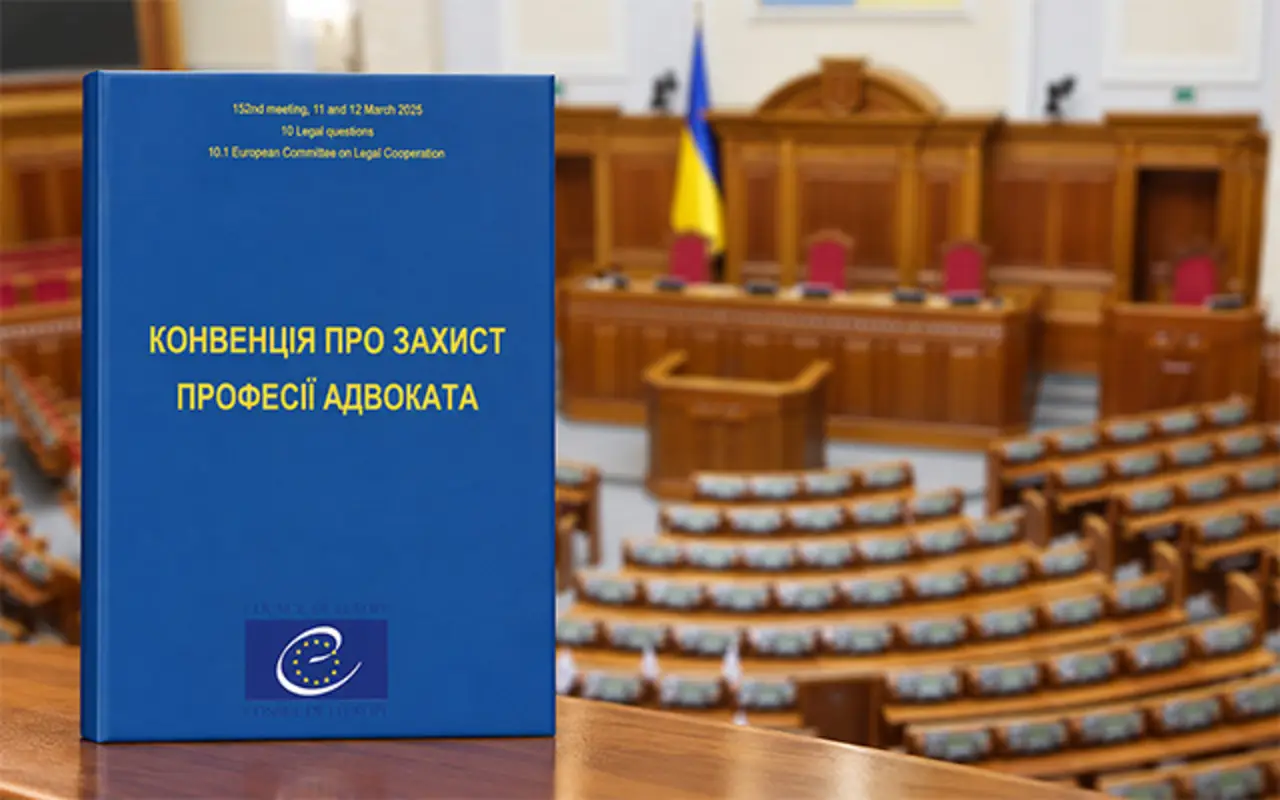
A bill implementing the Convention on the Protection of the Professions of Lawyer has been introduced
The constitutional guarantees of legal aid, defense, and the independence of advocacy cannot be realized without protecting advocates from unwarranted interference in their professional activities, including searches, the seizure of professional materials and the use of criminal procedural mechanisms to exert pressure.
Abroad
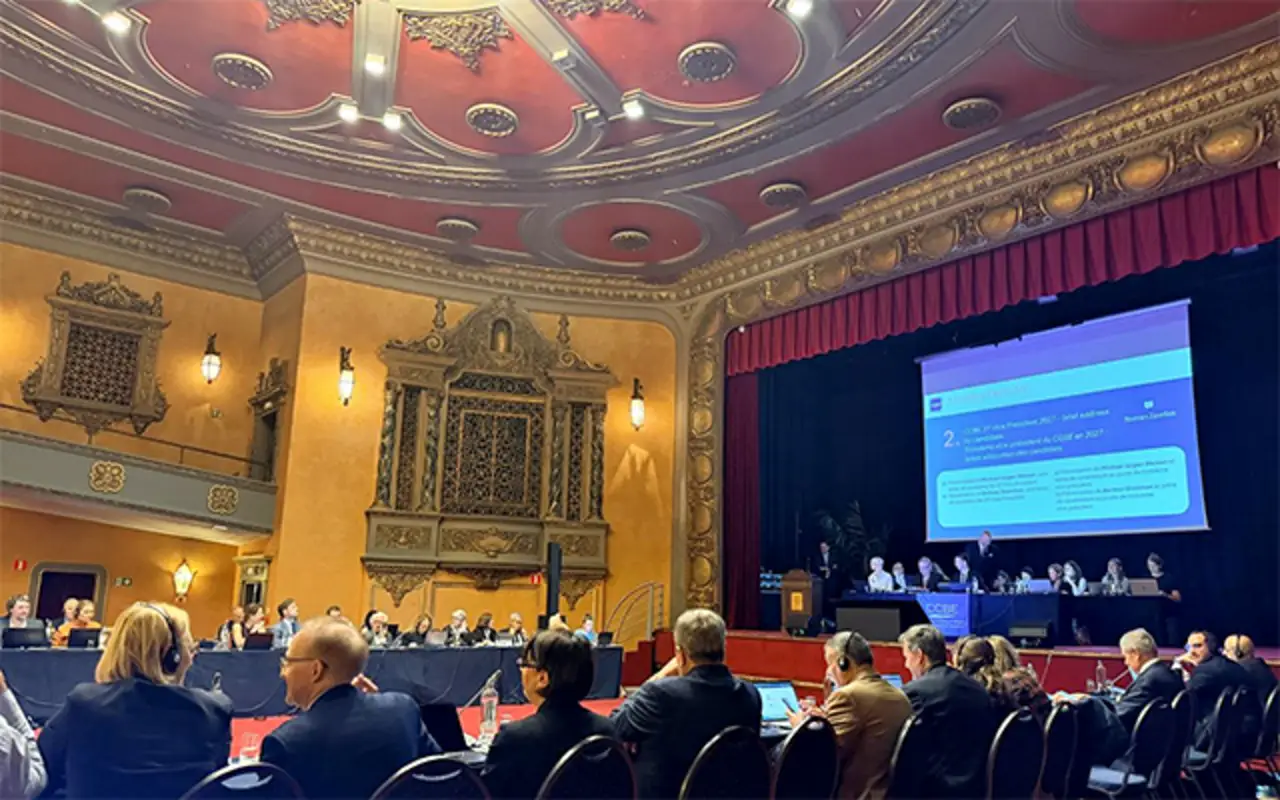
The CCBE is discussing European justice and issues related to the protection of advocates
Today, October 2, a meeting of the Standing Committee of the Council of Bars and Law Societies of Europe (CCBE) is taking place in Brussels. On the agenda are the protection of the advocate profession, the rule of law, attorney-client privilege, and changes in the European justice system.
Rule of Law Roadmap
The UNBA presented the key provisions of the future law on advocacy in Brussels
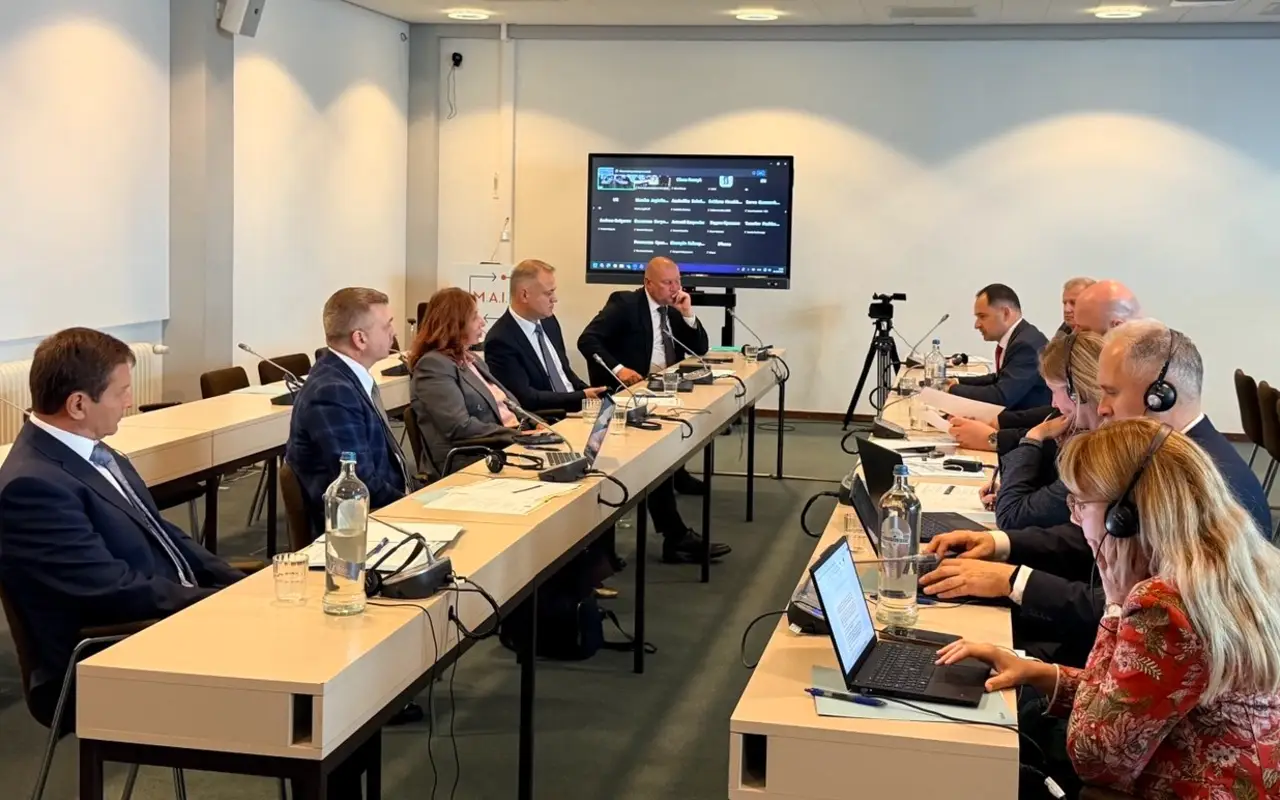
The Ukrainian National Bar Association presented its proposals for the upcoming law on advocacy, aligned with the Rule of Law Roadmap. The presentation covered topics such as access to the profession, self-governance, disciplinary procedures, professional development and guarantees for the practice of advocacy.

Discussion
First the return of assets, then subsidiary liability — an opinion
In bankruptcy cases, the legal entity’s ability to preserve and restore the financial foundation of its operations requires legal protection. In this regard, the right to solvency in which the legal entity is the aggrieved party should be an independent object of legal protection.

Educational events
Advocates were taught to voice their complaints without making accusations
In a difficult conversation, it’s easy to confuse facts with opinions, feelings with accusations, and requests with demands. How can you express dissatisfaction, explain your own needs, and propose a specific solution while still allowing your conversation partner the opportunity to refuse or suggest an alternative?
Guarantees of the practice of law
Search of an advocate's office after client's acquittal: criminal complaint filed
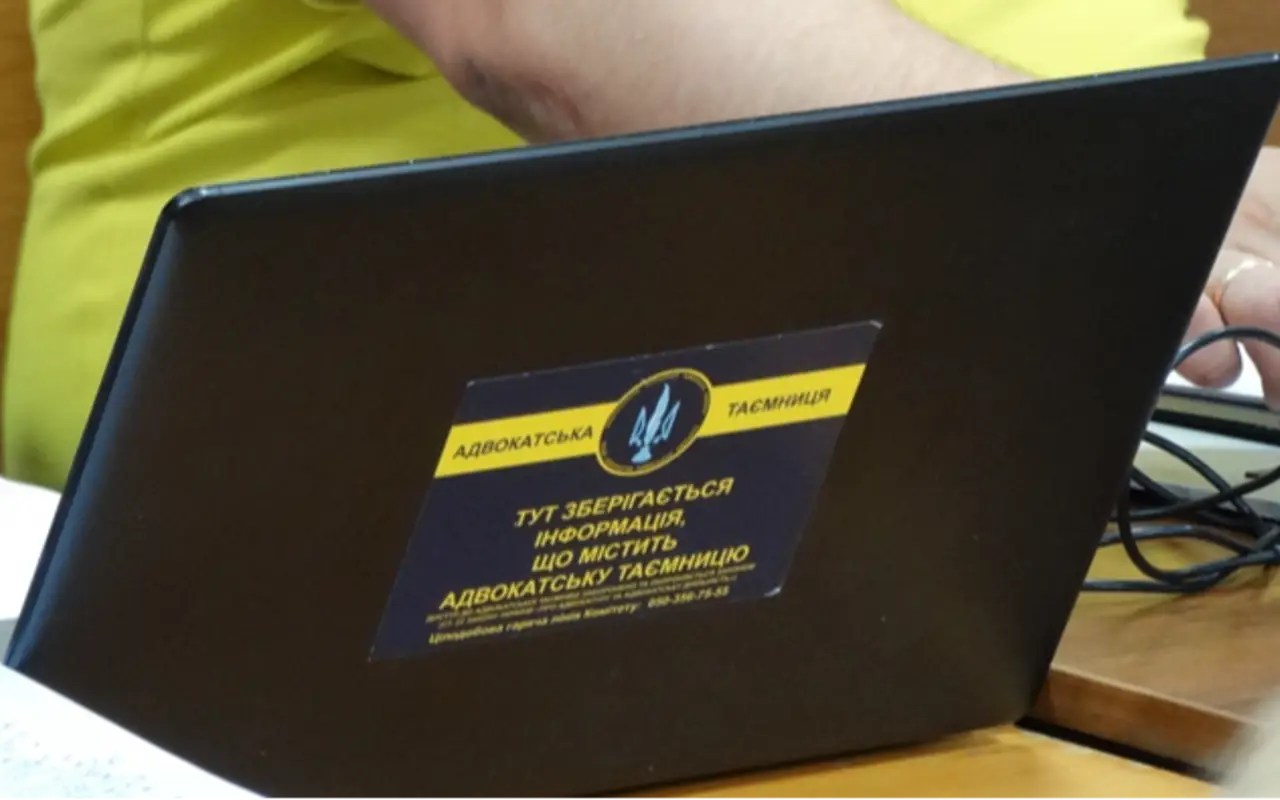
In Kyiv, law enforcement officers conducted a search of the home of an advocate who had defended a client acquitted by the court and seized materials from the advocate’s case file. The proceedings were initiated shortly after the acquittal, even though the document they were searching for was already included in the court case file.
Guarantees of the practice of law
The paradoxes of urgency: is it possible to investigate a crime before it is committed?
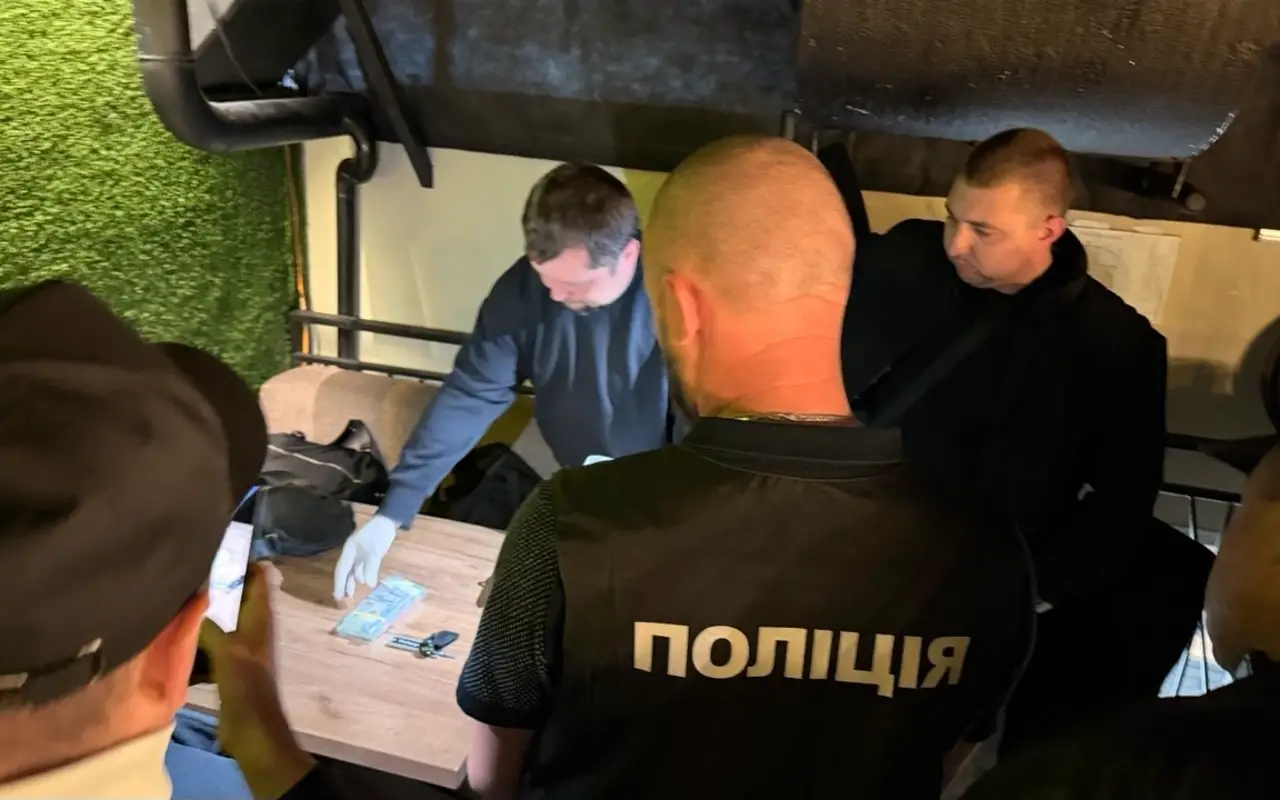
On September 24 in Kyiv, National Police officers detained an advocate during an emergency search, having caught him in the act of committing a crime. At the time, the pretrial investigation in this case had already been ongoing for more than four months.
Publications

Vasyl Kolishnyi, «Law and Business» Supporting mental health should become part of the professional culture of the Bar, - H. Udovenko

Volodymyr Matsko Extradition during wartime: when the risks outweigh the request

Volodymyr Matsko Extradition as a systemic form of rights violations

Victoria Yakusha, Law and Business The anti-corruption vertical cannot «take care» of the Bar as an institution, - acting head of the HQDCB

Censor.net Protecting advocates – protecting justice: addressing concerns about the new law

Ihor Kolesnykov A BRIEF SUMMARY REGARDING THE APPLICATION OF THE ORDER ON EXTENDED CONFISCATION IN LATVIA REGARDING FINANCIAL ASSETS OF…

Valentyn Gvozdiy WORKING IN A WAR ZONE

Lydia Izovitova Formula of perfection