


The Constitution is the same in TCCs and outside them, - the Secretary of the BCU on the rules for lawyers
The Land Forces of the Armed Forces of Ukraine are working to eliminate shortcomings in the work of territorial recruitment and social support centers. In particular, they want to create rules for lawyers who defend people liable for military service.
Vitaliy Sarantsev, a spokesman for the Land Forces Command of the Armed Forces of Ukraine, shared these plans in an interview with Hromadske.
«For example, we are now initiating (and we have already had the first meeting with the Ukrainian Bar Association) the development of clear rules for lawyers and military personnel of the military commissariat», - he said, speaking about establishing a dialogue between the military and society.
«It should be noted that there are both certain abuses by lawyers and a certain misunderstanding of their work by the representatives of the TCC, - explained V. Sarantsev. – «That is why we are now developing such common rules that are understandable to all. But it is important to emphasize that these rules must be followed by both parties».
The military official also repeated this thesis on Radio Liberty: «We also want to prescribe rules for this category that protect the rights of persons liable for military service on certain issues. We also need to put things in order, to prescribe a certain set of rules. And these rules, of course, should be binding on both sides. Because there are certain unacceptable situations that, unfortunately, lead to conflicts. We have already had preliminary meetings with representatives of the National Bar Association. There we expressed our desire to take these steps, we received support from them, and now we are jointly developing these rules that will allow us to streamline this process», - he said.
However, the National Bar Association of Ukraine, which by law represents the Ukrainian bar in relations with the state authorities, has not heard of such an initiative. No meetings on this issue have been held either.
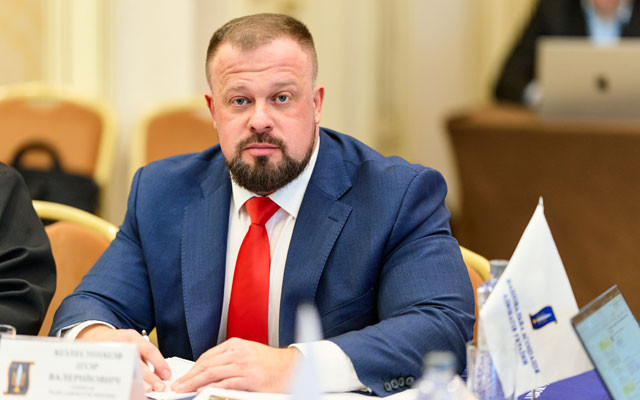
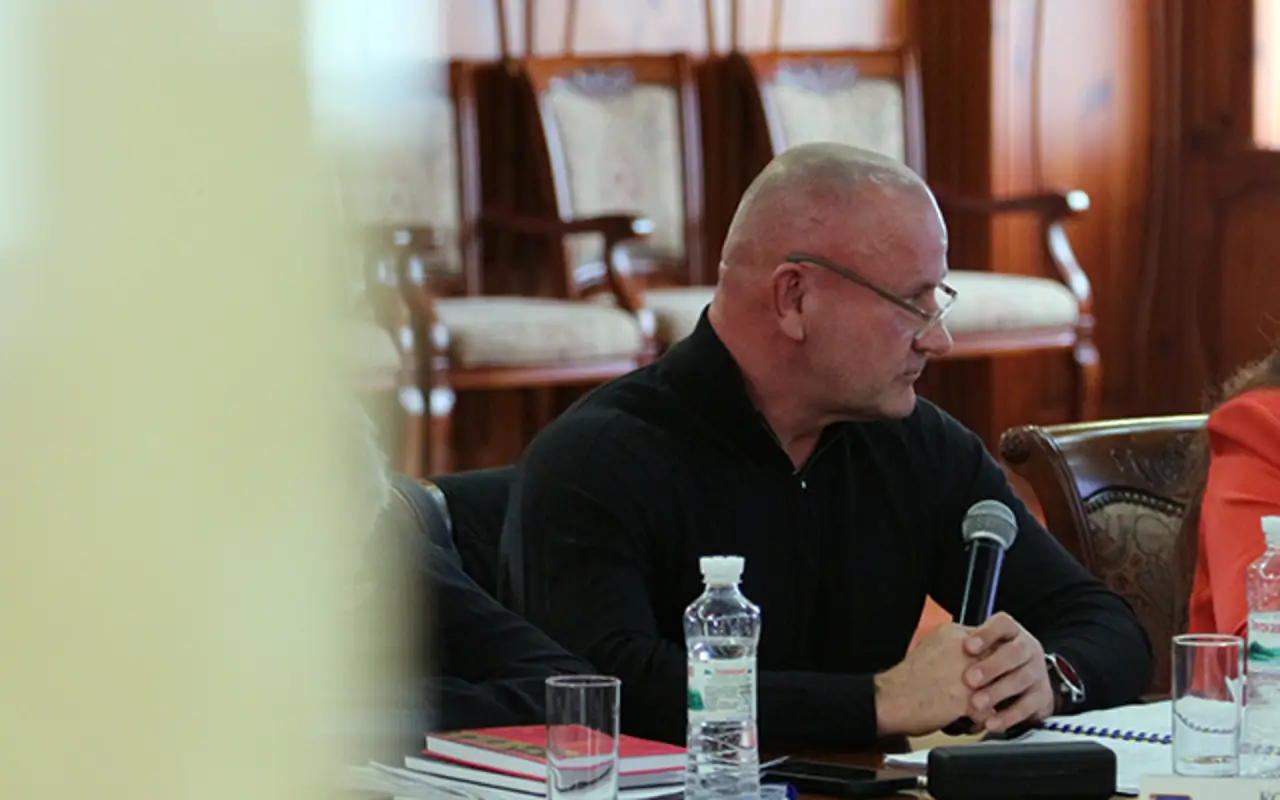
«According to the Constitution, everyone has the right to professional legal assistance. And the bar operates to provide it. This constitutional human right has not been restricted and is fully effective even during martial law, - said Ihor Kolesnikov, Secretary of the Bar Council of Ukraine. - And, as far as I know, the Constitution of Ukraine, as well as the rights guaranteed by it, are the same in the premises of any TCC and outside it».
The UNBA representative does not see the need to develop any additional rules of conduct for attorneys. After all, everything is sufficiently regulated by the law, which must simply be followed.
«The work of a lawyer, his or her rights and obligations are fully regulated by the Law «On the Bar and Practice of Law». It also clearly defines the disciplinary procedure in case a lawyer violates the law or the Rules of Professional Conduct, - said I. Kolesnikov. - Today, qualification and disciplinary commissions of the Bar monitor compliance with the rules common to all lawyers. And they can be contacted by anyone who knows the facts of unethical behavior of our colleagues».
«So let's just comply with the current rules and respect the rights and legitimate interests of persons liable for military service», - summarized the Secretary of the BCU.
The relevant letter of clarification on these issues was also sent to the Land Forces Command.
As a reminder, Lidiya Izovitova, the President of the UNBA, BCU spoke about the problems of lawyers' activities under martial law during her speech at the International Human Rights Conference «Decade 2014-2024. Winning back human rights. Preserving Democracy». She spoke about the existing practice of preventing lawyers from seeing citizens in TCCs or blocking their work, detaining lawyers, serving summonses while performing their professional duties, and intimidation. At the same time, some TCCs consider themselves «territories without the bar» because police and investigative teams do not even visit them.
However, the TCCs themselves refuse to acknowledge any problems with the provision of legal aid by lawyers during mobilization.
Popular news
Legislation
A bill implementing the Convention on the Protection of the Professions of Lawyer has been introduced
The constitutional guarantees of legal aid, defense, and the independence of advocacy cannot be realized without protecting advocates from unwarranted interference in their professional activities, including searches, the seizure of professional materials and the use of criminal procedural mechanisms to exert pressure.
Abroad
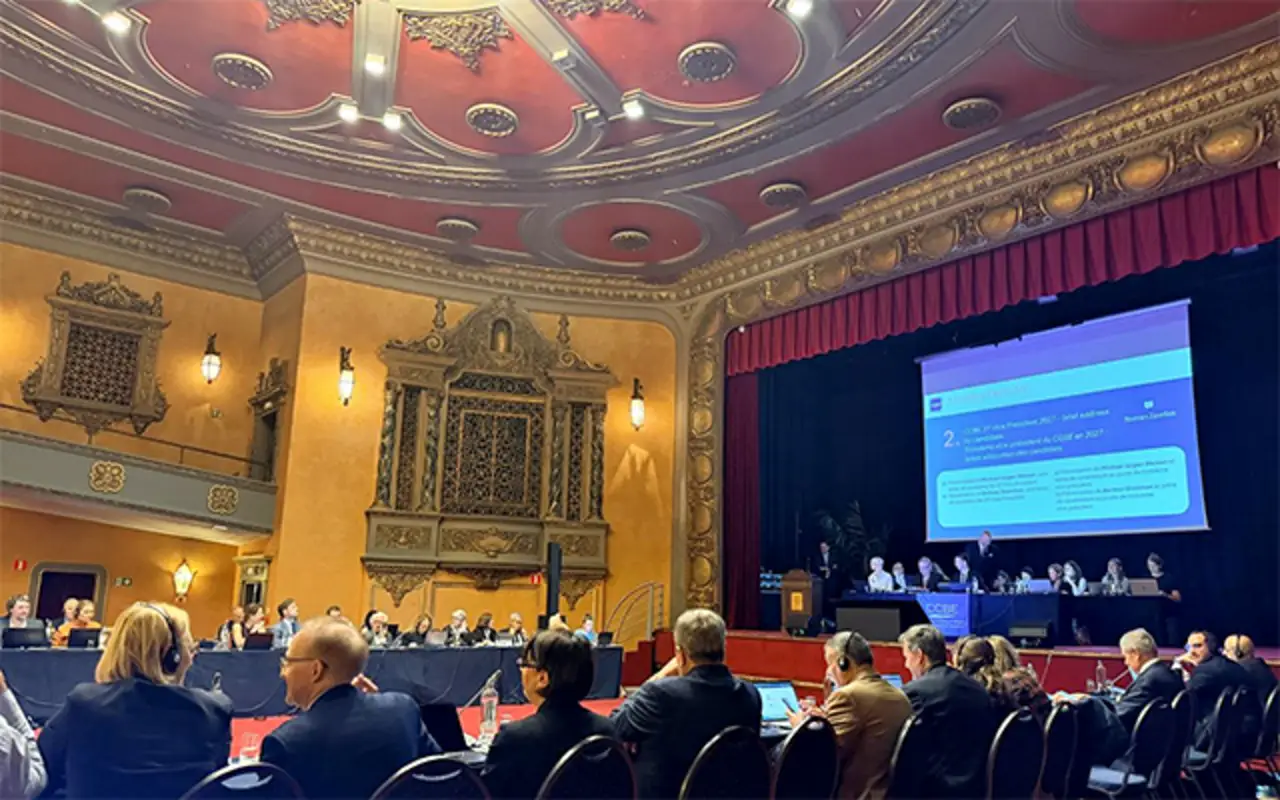
The CCBE is discussing European justice and issues related to the protection of advocates
Today, October 2, a meeting of the Standing Committee of the Council of Bars and Law Societies of Europe (CCBE) is taking place in Brussels. On the agenda are the protection of the advocate profession, the rule of law, attorney-client privilege, and changes in the European justice system.
Rule of Law Roadmap
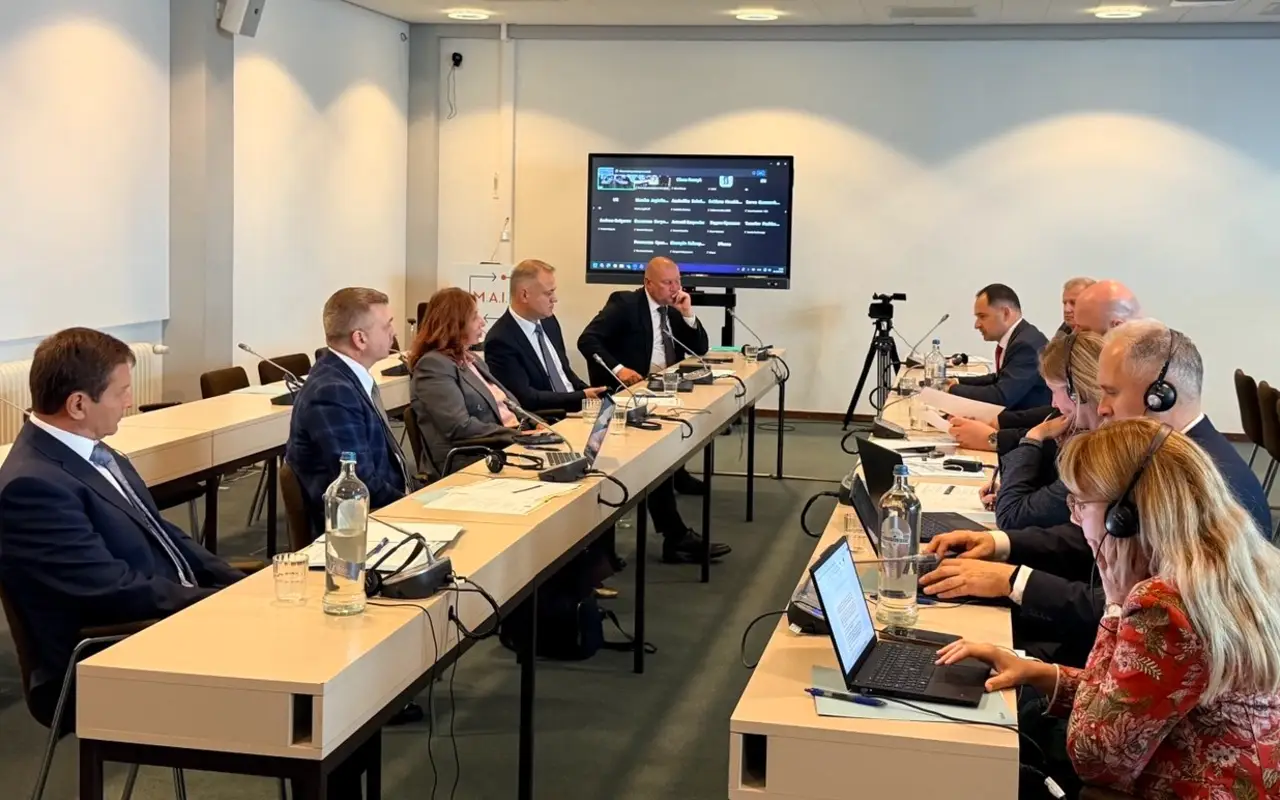
The UNBA presented the key provisions of the future law on advocacy in Brussels
The Ukrainian National Bar Association presented its proposals for the upcoming law on advocacy, aligned with the Rule of Law Roadmap. The presentation covered topics such as access to the profession, self-governance, disciplinary procedures, professional development and guarantees for the practice of advocacy.

Educational events
Advocates were taught to voice their complaints without making accusations
In a difficult conversation, it’s easy to confuse facts with opinions, feelings with accusations, and requests with demands. How can you express dissatisfaction, explain your own needs, and propose a specific solution while still allowing your conversation partner the opportunity to refuse or suggest an alternative?

Guarantees of the practice of law
Unrestricted access to advocates' accounts poses a risk of client data disclosure — BCU
Information regarding transactions in the bank accounts of an advocate, a law firm, or a bar association from which clients can be identified, as well as the fact and subject matter of a request for legal assistance, the purpose of payments, and the amount of the fee constitutes attorney-client privilege. This rule applies regardless of whether the information also constitutes banking information and is in the possession of a bank.
Guarantees of the practice of law
The contract provides for a video conference, but the court requires in-person appearance: how should an advocate proceed?
Many advocates today work remotely; therefore, their agreements with clients provide for the provision of legal assistance via videoconferencing. However, this form of work does not, in and of itself, create an unconditional obligation for the court to conduct every hearing via videoconference.
Guarantees of the practice of law
Independent oversight is necessary before using CISA materials against an advocate – Lidiya Izovitova
Before the prosecution uses information obtained during covert investigative actions and related to an advocate’s activities, independent procedural oversight must be conducted. It is necessary to determine whether such information is covered by attorney-client privilege and whether it may be disclosed.
Legal Aid
Entering into contracts with advocates in the FLA system: new terms and obligations
The Cabinet of Ministers of Ukraine has updated the Procedure and Conditions for Entering into Contracts with Advocates Who Provide Free Secondary Legal Aid, approved by Resolution No. 8 dated January 11, 2012.
Publications

Vasyl Kolishnyi, «Law and Business» Supporting mental health should become part of the professional culture of the Bar, - H. Udovenko

Volodymyr Matsko Extradition during wartime: when the risks outweigh the request

Volodymyr Matsko Extradition as a systemic form of rights violations

Victoria Yakusha, Law and Business The anti-corruption vertical cannot «take care» of the Bar as an institution, - acting head of the HQDCB

Censor.net Protecting advocates – protecting justice: addressing concerns about the new law

Ihor Kolesnykov A BRIEF SUMMARY REGARDING THE APPLICATION OF THE ORDER ON EXTENDED CONFISCATION IN LATVIA REGARDING FINANCIAL ASSETS OF…

Valentyn Gvozdiy WORKING IN A WAR ZONE

Lydia Izovitova Formula of perfection