






In 2020 violations of the rights of attorneys by judges of the High Anti-Corruption Court of Ukraine were recorded in 40 appeals of the UNBA to the authorities and international institutions

For almost 2 years of the existence of the High Anti-Corruption Court of Ukraine (hereinafter – HACC), Bar Council of Ukraine has addressed more than 40 appeals to the authorities and international legal institutions on the activities of the judges of this court.
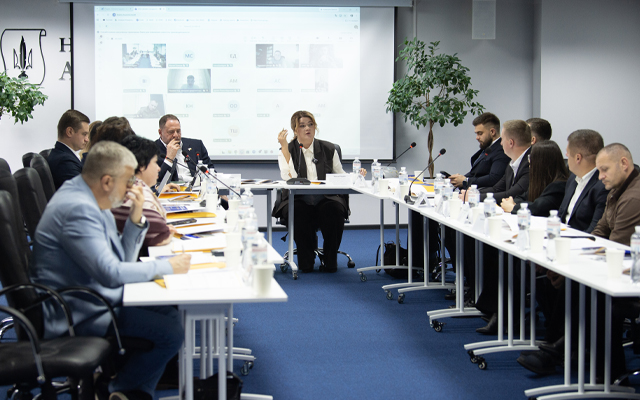
It was emphasized by UNBA\BCU President Lydia Izovitova, on the International scientific-practical conference "Anti-corruption bodies: problems of formation, development, and interaction", which took place on April 9, 2021, at the National University "Odesa Law Academy".
"During 2020, the BCU has repeatedly considered attorneys` complaints about violations of their rights and guarantees of advocacy by judges of the HACC. Based on these complaints, the BCU has made 6 decisions, which have pointed to the inadmissibility of such violations. Also, the detailed legal substantiation of each case of such violations and recommendations for their immediate elimination is provided in the decisions. Some decisions were made based on appeals from 11 attorneys, some in response to violations of the rights of one attorney. More than 40 official appeals of BCU to state authorities and international professional institutions have drawn attention to this problem", - said UNBA President.
Lydia Izovitova focused on some far from legal, sometimes arbitrary, actions of judges of this court, which reflect the implementation of "a certain harmful policy in the judiciary: already pronounced, widespread and, unfortunately, perceived by some judges HACC. UNBA President has provided specific examples on this matter.
On the opinion of Lydia Izovitova, the first wake-up call is the publication on the official website of the HACC of the article of the HACC judge Viktor Maslov - "On measures to combat procedural abuse in criminal proceedings", which stated that the court itself may recognize as abusive any actions that have the appropriate direction and prevent a fast, full and impartial trial. Assessing this message, BCU stated that the author of the publication creates a basis for the criminalization of tools and tactics of protection, violating the constitutionally guaranteed right to protection. As a result, BCU accepted the appeal to the High Council of Justice, the Council of Judges of Ukraine, and the HACC.
"We see now that the court itself, as a sign of orientation, recognizes as abusive any lawful actions that prevent, in their opinion, a fast, complete, and impartial trial, and such a policy has already reached a fairly high degree of arbitrariness. In particular, the provisions of Articles 59, 63, and 64 of the Constitution of Ukraine on the right of a person to protection and professional legal assistance, which cannot be limited, became an obstacle to fast, full and impartial court proceedings for some HACC judges”, - Lidia Izovitova said.
UNBA is also concerned about the gross disregard of procedural law by HACC judges, in particular, the unfounded refusal to grant defense counsel's requests for a reasonable time to review the case file. For example, attorney Avdeenko V.A. addressed the UNBA with such a statement. Since he was given only 24 hours to read the audio and video recordings on 9 discs, he was forced to resign as a defense attorney with the consent of the client. However, the panel of judges of the HACC obliged the attorney to continue to participate in the proceedings, arguing that the defense counsel did not cite any of the circumstances provided for in Article 78 of the Criminal Procedural Code of Ukraine.
"Restrictions imposed by the panel of judges of the Supreme Anti-Corruption Court on reasonable deadlines for reviewing case materials, pressure from judges on an attorney for his mandatory but formal participation in the process, deprivation of the right to use procedural tools guaranteed to an attorney - made it impossible for attorney Avdeenko V.A. in adversarial proceedings, which is a violation of the basic principles of criminal proceedings and the actual deprivation of the accused of proper defense and free choice of attorney, contrary to the Constitution of Ukraine, the relevant law, the Criminal Procedural Code of Ukraine", - said Lydia Izovitova.
UNBA considers the statement of the HACC panel of judges in one criminal case, in which it was reported about the possibility of changing the measure of restraint for the accused due to the position of defense attorneys in the case, which, in the opinion of the panel, "prevents" the court from considering criminal proceedings. With such a threat from HACC judges, attorneys were effectively deprived of the opportunity to defend themselves professionally, the defendants were forced to renounce their defense counsel. Instead, the court forcibly, despite the objections of the accused, appointed a defense counsel following the Law of Ukraine “On Free Legal Aid”.
"Ignoring all the guarantees and principles of advocacy in Ukraine provided by national and international law, HACC judges, to speed up the trial, have put pressure on attorneys, replaced attorneys chosen by the client with attorneys from the free legal aid system, which, of course, contradicts the general principles of criminal procedure law and is incompatible with the state-guaranteed guarantees of independence and impartiality of judges", - said the Head of the UNBA.
Lydia Izovitova believes that there is a great danger in such manifestations, which is to limit the possibility of exercising the constitutional human right to protection, and defenders - to perform their professional duties. "There are problems, and they are not legislative. These are problems of legal consciousness of judges, and it is necessary to work with it every day ", - Lydia Izovitova emphasized.
Popular news
Legal defence of military personnel
Guarantees in the event of detention and procedures for military personnel: recommendations from the UNBA Committee
Most often, military personnel turn to advocates regarding frozen bank accounts and delays in discharge. Step-by-step procedures have been prepared for such situations. A guide on one-time financial assistance has been provided for the families of those killed in action. And the new regulations governing the stay of mobilized individuals at TCCs require changes regarding guarantees of communication with an advocate.
Rule of Law Roadmap
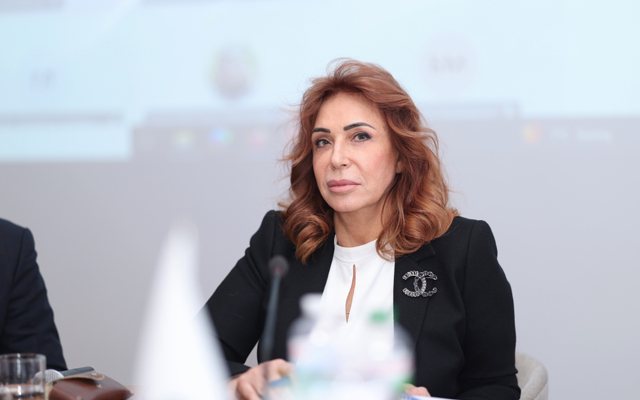
Lidiya Izovitova: reform of the advocacy profession should make the profession stronger and individuals better protected
The Ukrainian advocacy community is finalizing work on a new version of the relevant law. The roadmap on the rule of law has set the fourth quarter of 2026 as the deadline for achieving results in this area. The draft is intended to ensure safeguards for the practice of law through mechanisms of accountability for violations.
Abroad
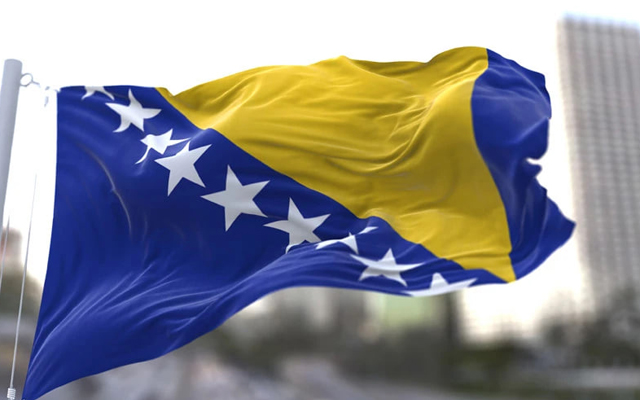
The first country to ratify the Convention on the Protection of the Professions of Lawyer
Bosnia and Herzegovina became the first country to ratify the Council of Europe Convention on the Protection of the Professions of Lawyer (CETS No. 226). The country signed the Convention on March 17, 2026, so it took just over seven months to ratify it.
Discussion
Seizure does not mean return: how to get an exchange to return stolen crypto assets
In cases involving cryptocurrency theft, the assets move faster than the criminal proceedings, so it is best to first freeze and seize them, and only then identify the perpetrator. However, even a seizure will not recover the funds unless the court order specifies exactly what the exchange or issuer must do.
Support
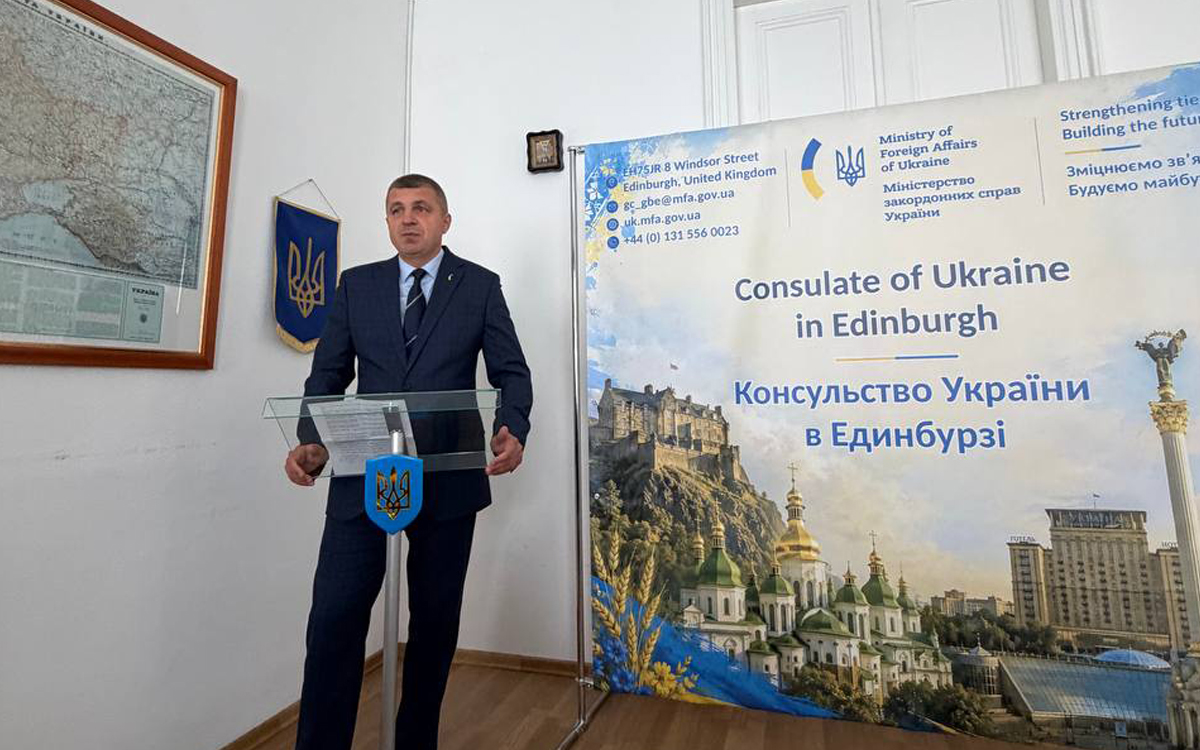
In Edinburgh expressed gratitude to those who are helping Ukrainian advocates and citizens
Since the start of the full-scale invasion, Scottish legal institutions and the Ukrainian community, with the participation of the UNBA, have been helping Ukrainian advocates obtain their qualifications and Ukrainians receive legal assistance. The parties are now planning joint professional and educational events.
Educational events
What to do when you need immediate protection in the LCIA
A dispute with a counterparty has been referred to the London Court of International Arbitration (LCIA), but it will take several weeks to appoint the arbitrators, and the client needs legal representation immediately? This can be achieved through an emergency arbitrator or expedited tribunal formation.
Educational events
An advocate's meeting with a client outside the office: how to conduct it without giving away too much
If a client suggests meeting in a public place, keep in mind that any name or amount mentioned aloud could be overheard by bystanders. Therefore, it’s important to plan ahead regarding the table, seating arrangements, and the scope of the conversation.

Legislation
The UNBA explained what could undermine the plan to introduce plea agreements
Information regarding who pays whom, how much, and on what grounds under a plea agreement must be made public. However, as long as this information is classified as a state secret or personal data, the court will continue to be able to close proceedings and restrict access to judgments.
Publications

Vasyl Kolishnyi, «Law and Business» Supporting mental health should become part of the professional culture of the Bar, - H. Udovenko

Volodymyr Matsko Extradition during wartime: when the risks outweigh the request

Volodymyr Matsko Extradition as a systemic form of rights violations

Victoria Yakusha, Law and Business The anti-corruption vertical cannot «take care» of the Bar as an institution, - acting head of the HQDCB

Censor.net Protecting advocates – protecting justice: addressing concerns about the new law

Ihor Kolesnykov A BRIEF SUMMARY REGARDING THE APPLICATION OF THE ORDER ON EXTENDED CONFISCATION IN LATVIA REGARDING FINANCIAL ASSETS OF…

Valentyn Gvozdiy WORKING IN A WAR ZONE

Lydia Izovitova Formula of perfection

