


UNBA Heads of Committees Discussed Risks of Public Calls for Impossibility of Reversal of High Anti-Corruption Court of Ukraine Decisions by the Supreme Court
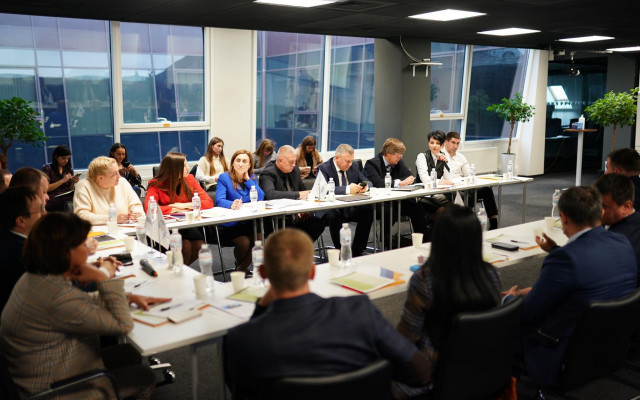
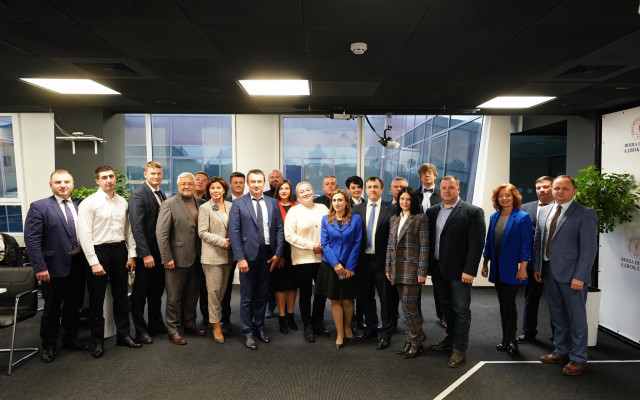
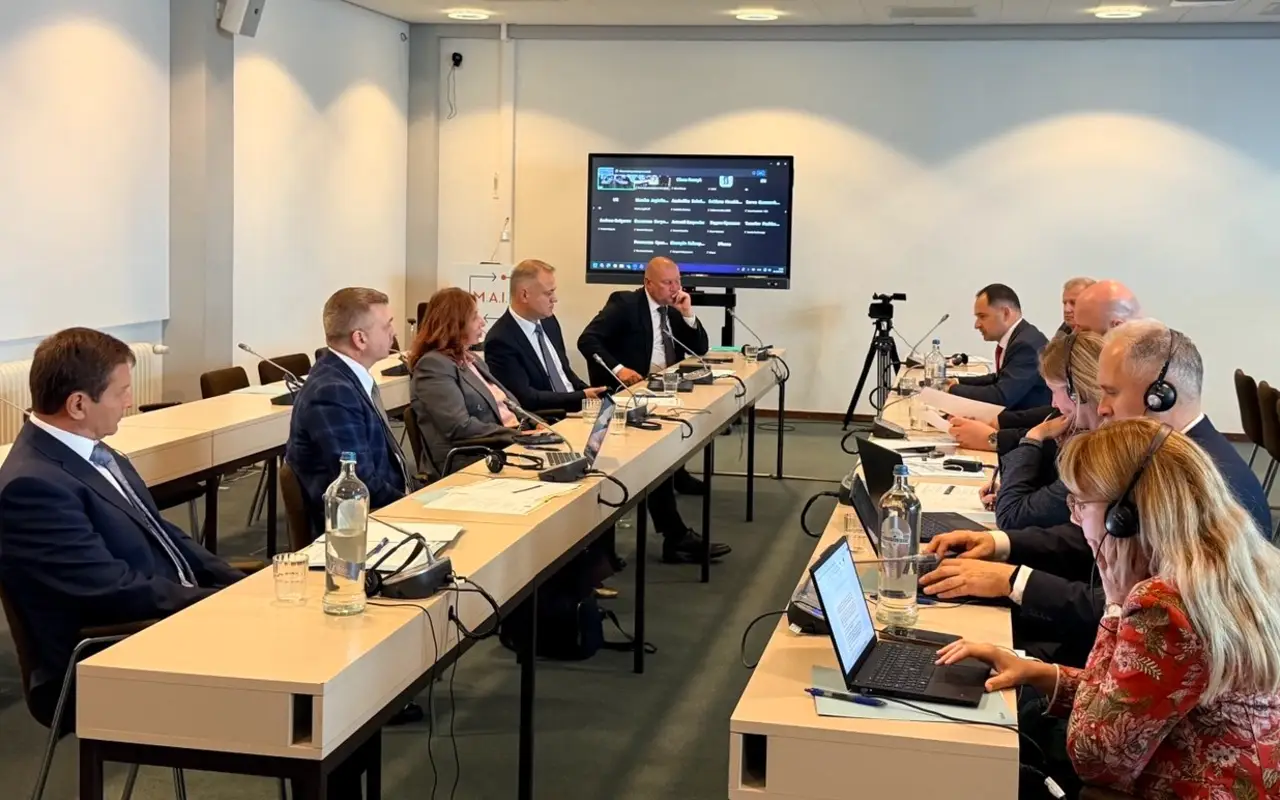
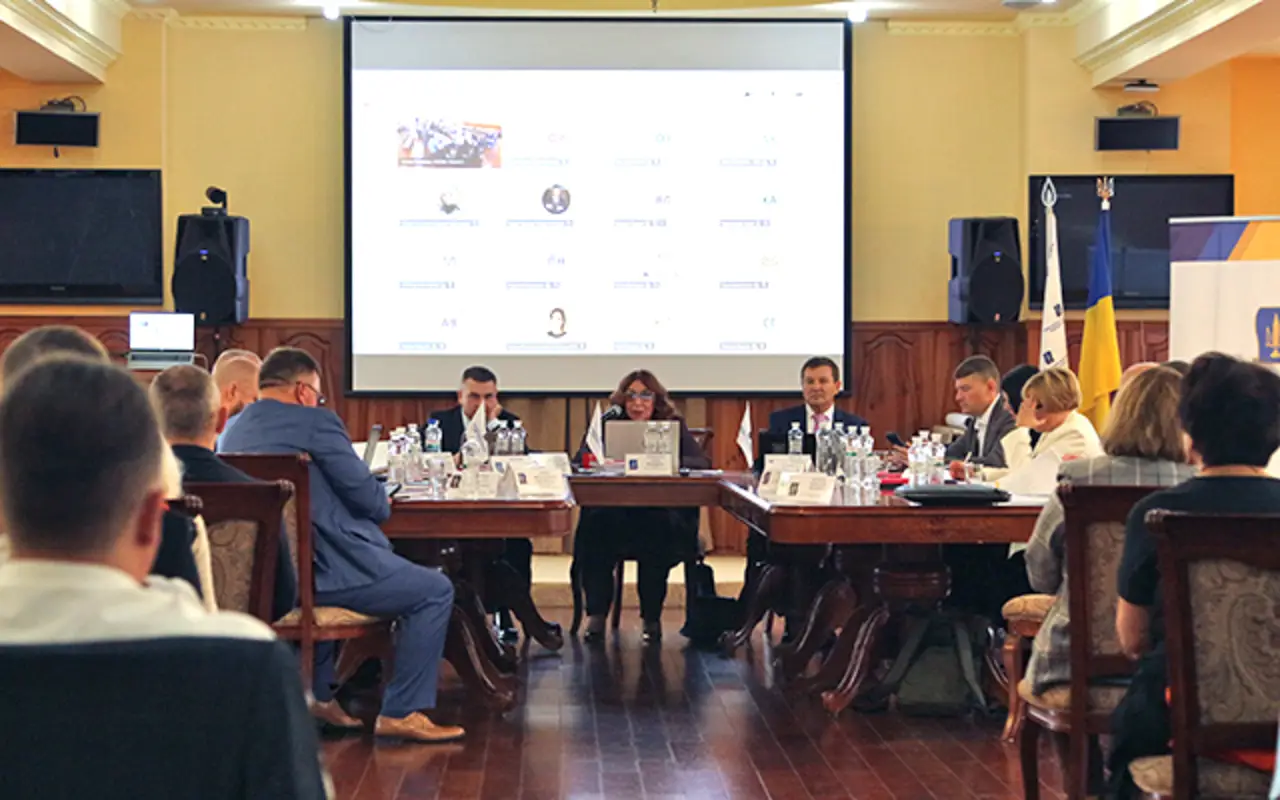
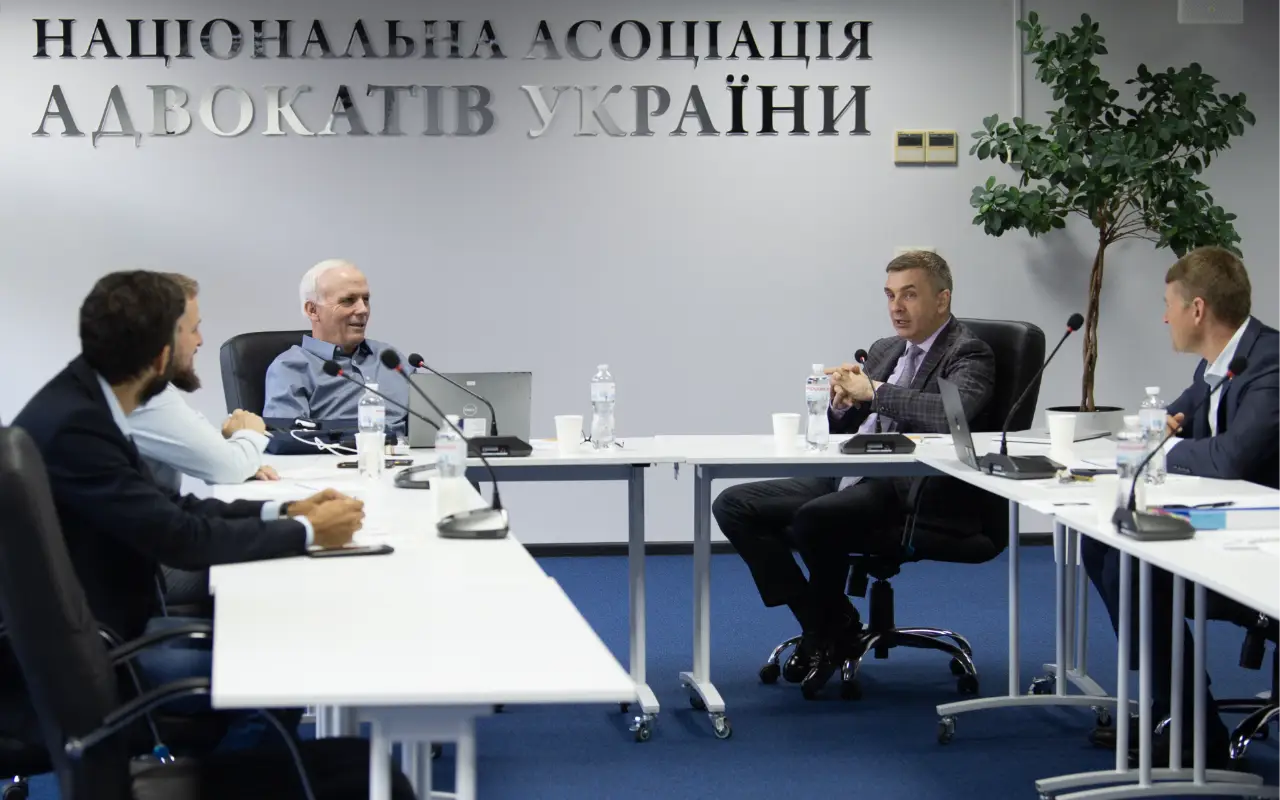
UNBA Heads of Committees, heads of higher bodies of bar self-government discussed the risks of public assessments of the illegality of reversing the decisions of the High Anti-Corruption Court of Ukraine in the cassation instance.
The reason for the discussion was the resonant case of cancellation by the Criminal Court of Cassation the decision of the Appellate Chamber of the High Anti-Corruption Court of Ukraine on the verdict of the High Anti-Corruption Court of Ukraine dated 19.02.2021 in case Nо. 711/3111/19, by which a person was sentenced to two years of imprisonment for committing a crime, prescribed in the part 2 of Art. 369-2 of the Criminal Code of Ukraine.
Unexpectedly, this legal position of the court of cassation, which is fully consistent with the practice of the Supreme Court in such cases, provoked an aggressive public attack by so-called activists and grant organizations with the aim to discredit Supreme Court judges and undermine the principles of independent and impartial justice. At the same time, critics propose to introduce a safeguard against the Supreme Court's reversal of the High Anti-Corruption Court of Ukraine decisions at the legislative level.
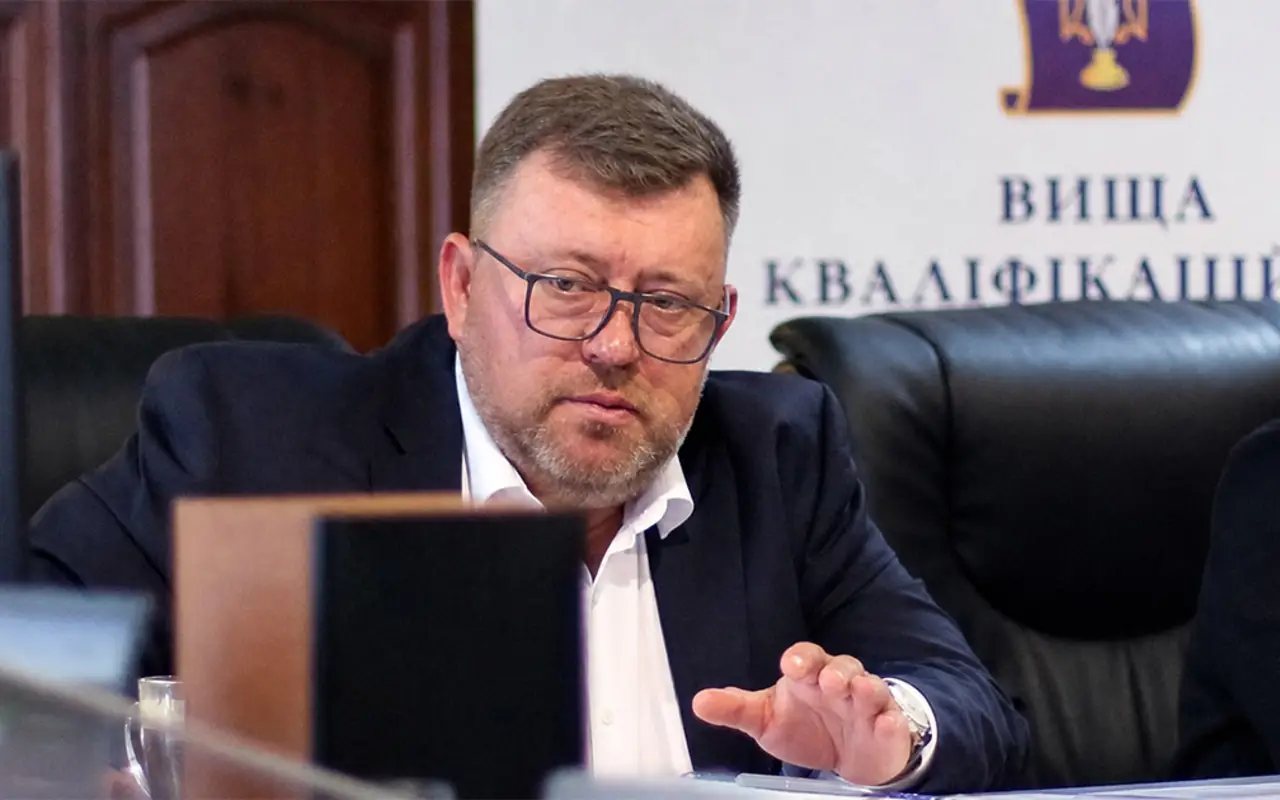
“This roundtable is needed so that everyone can express their position, how we should react to it and what to do so that the Supreme Court is the outpost cutting off illegal decisions and illegal practices created by the High Anti-Corruption Court of Ukraine. This trend is there, and it is very dangerous,“ - Oleksandr Gotin, the Head of the UNBA Committee on Anti-Corruption Policy and Compliance, said.
The Head of the Higher Qualification and Disciplinary Commission of the Bar of Ukraine Sergiy Vylkov pointed out that in this situation the threat of strengthening of dictation of the street at decision-making by judges of higher instances grows.
“We have a reform of the judiciary nowadays. This is the High Qualification Commission of Judges of Ukraine, the High Council of Justice and we hear that today there is a vision that the Supreme Court should be restarted again – such vision is expressed on the street. As an attorney, as a citizen of Ukraine, I see this as a huge danger for the whole country. Therefore, we, as specialists in the field of law, must call for abstaining from such the violation of the law that exists today,” he said.
Maryna Stavniychuk, the Head of the UNBA Committee on the Rule of Law, believes that it is precisely because of the socio-political atmosphere in the country that such court decision arise, which is an extremely dangerous phenomenon today.
"Endless reform of the judiciary, preferences for one judiciary and humiliation for others; violation of international participation procedures, etc. have led to the fact that today we do not have the rule of law, we do not have the appropriate level of legal culture in court proceedings, as well as in relations within the judiciary, in relations of the judiciary with the bar. And we should not keep silent about it," Maryna Stavniychuk stressed.
Oleksandr Drozdov, a member of the Scientific Advisory Councils of the Constitutional Court of Ukraine and of the Supreme Court, stressed that such a situation worsens the issue of ensuring the unity of judicial practice at the level of appellate courts in accordance with the conclusions of the Advisory Council of European Judges.
"If we now have a dissonant position of the Appellate Chamber, or the Court of Appeal of the relevant region with the position of the Criminal Court of Cassation, finally, it will not only violate the rights of our clients, but also it will evidence the violation of the rule of law from the legal certainty criterion prospect. And from a practical point of view, the decision of the European Court of Human Rights against Ukraine on compliance with the requirements of Article 6 of the Convention will "arrive". This has already happened when it came to the diametrically opposite practice of the Supreme Court at the level of different chambers," he said.
Summing up all the opinions of the roundtable participants, the BCU Secretary Ihor Kolesnikov suggested that UNBA appeals to the President of Ukraine and the Office of the General Prosecutor to prevent such actions by activists and some international organizations.
"These are humiliating attacks on the Supreme Court, on the entire judicial system of Ukraine, when a negative opinion, negative image is formed, the judicial system of Ukraine is humiliated, all judges are accused without exception and without proof. And we understand that. For some reason, international organizations allow themselves to accuse anyone who wants to. Therefore, it is necessary to act quickly and appeal to the Guarantor of the Constitution regarding the prevention of such actions of international organizations, constituting interference in the judicial system of Ukraine, including the bar, and to the General Prosecutor to assess the activities of these international organizations through the prism of requirements of the Criminal Code of Ukraine, because there is indeed interference in the judicial system of Ukraine in order to support certain decisions, considered "correct" by such completely exterior persons, - Igor Kolesnikov said.
Alexander Gotin told more details about the revoked decision of the Appeals Chamber of the High Anti-Corruption Court of Ukraine in the interview with “Law and Business”.
Popular news
Legislation
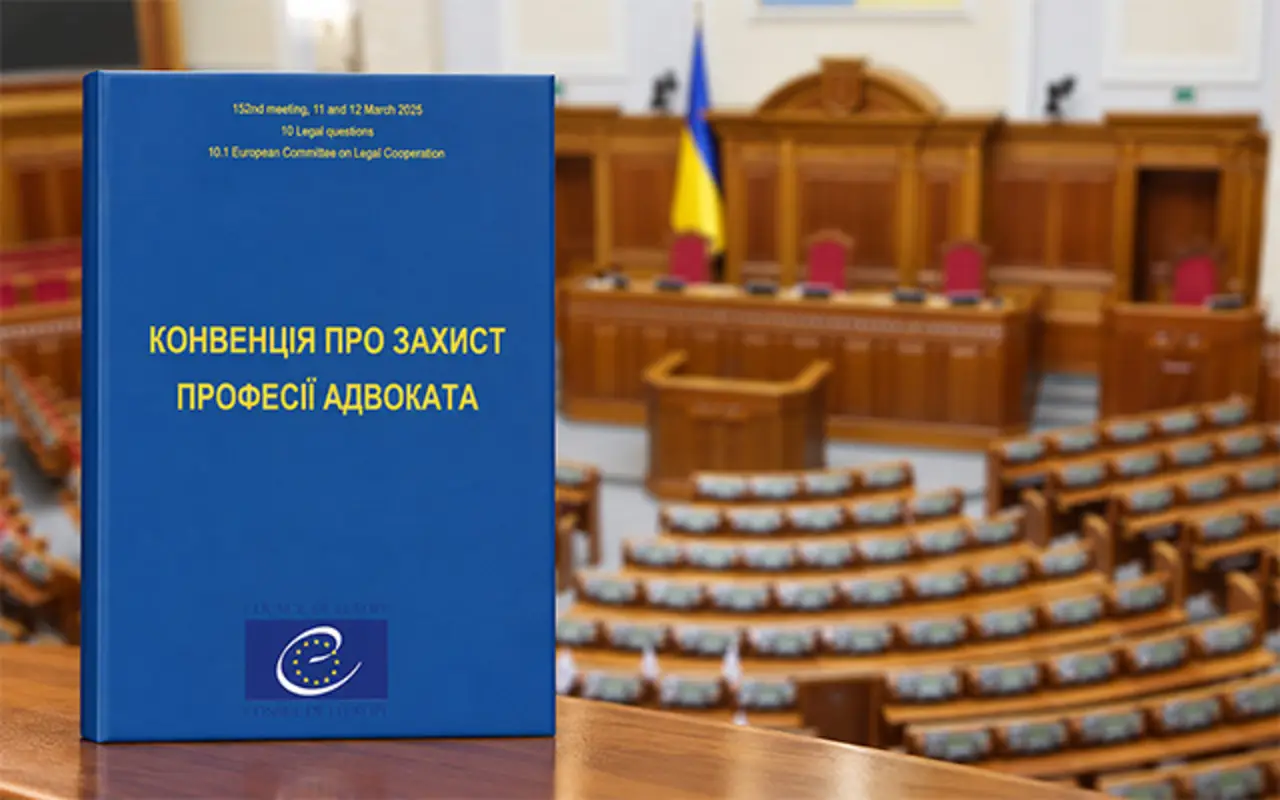
A bill implementing the Convention on the Protection of the Professions of Lawyer has been introduced
The constitutional guarantees of legal aid, defense, and the independence of advocacy cannot be realized without protecting advocates from unwarranted interference in their professional activities, including searches, the seizure of professional materials and the use of criminal procedural mechanisms to exert pressure.
Abroad
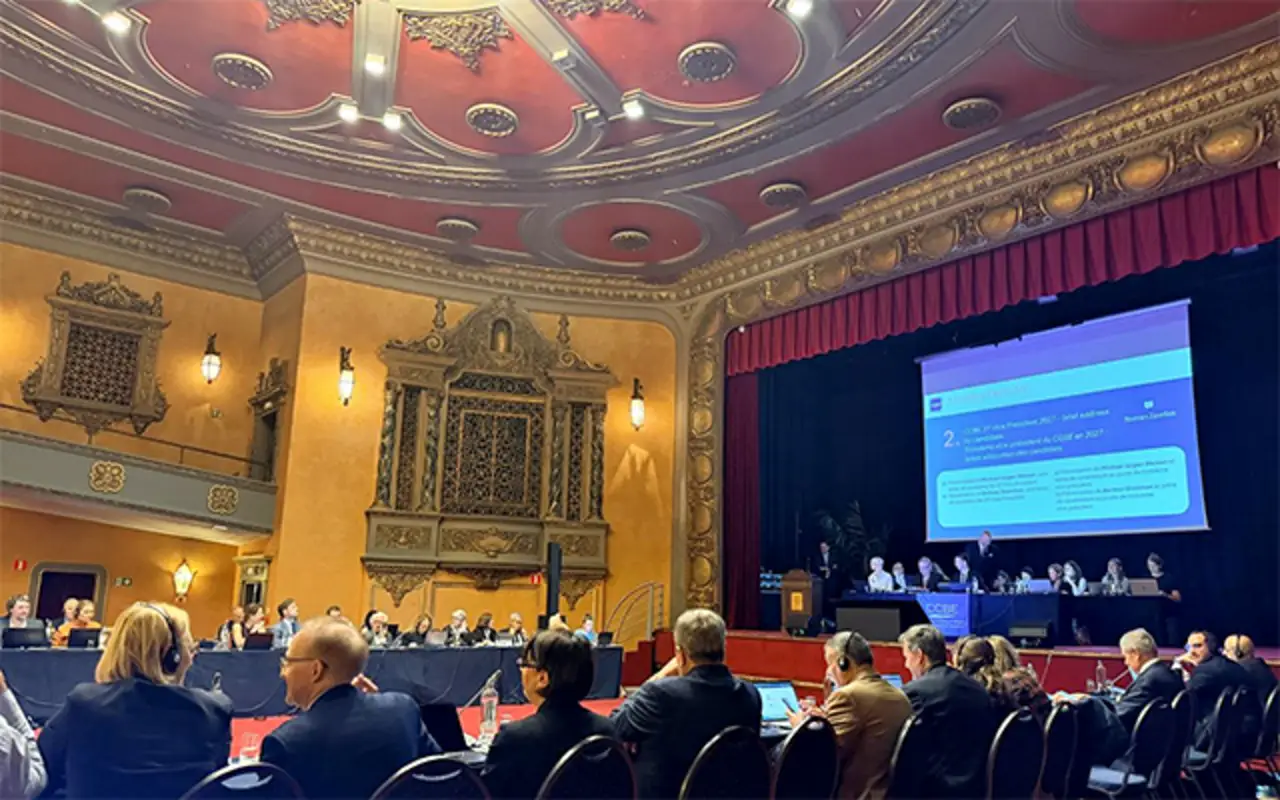
The CCBE is discussing European justice and issues related to the protection of advocates
Today, October 2, a meeting of the Standing Committee of the Council of Bars and Law Societies of Europe (CCBE) is taking place in Brussels. On the agenda are the protection of the advocate profession, the rule of law, attorney-client privilege, and changes in the European justice system.
Rule of Law Roadmap
The UNBA presented the key provisions of the future law on advocacy in Brussels
The Ukrainian National Bar Association presented its proposals for the upcoming law on advocacy, aligned with the Rule of Law Roadmap. The presentation covered topics such as access to the profession, self-governance, disciplinary procedures, professional development and guarantees for the practice of advocacy.
Guarantees of the practice of law
Independent oversight is necessary before using CISA materials against an advocate – Lidiya Izovitova
Before the prosecution uses information obtained during covert investigative actions and related to an advocate’s activities, independent procedural oversight must be conducted. It is necessary to determine whether such information is covered by attorney-client privilege and whether it may be disclosed.
Self-government
Efforts to develop advocacy must be brought to fruition — A. Misyats
The Ukrainian advocacy profession is currently going through a critical phase. Amid the war, it must ensure the continuity of legal aid, defend the independence of the profession, and improve qualification and disciplinary procedures in accordance with European standards. The work that has been started must be brought to a practical conclusion.
Support
Protecting the legal profession, cybersecurity and support for advocates: common themes for the IBA and the UNBA
On September 18, a working meeting was held at the office of the Ukrainian National Bar Association with Executive Director of the International Bar Association (IBA) Mark Ellis. The parties discussed the Ukrainian advocacy profession’s participation in European legal processes, the protection of the UNBA’s digital infrastructure, psychological support for advocates and future areas of cooperation.
Educational events
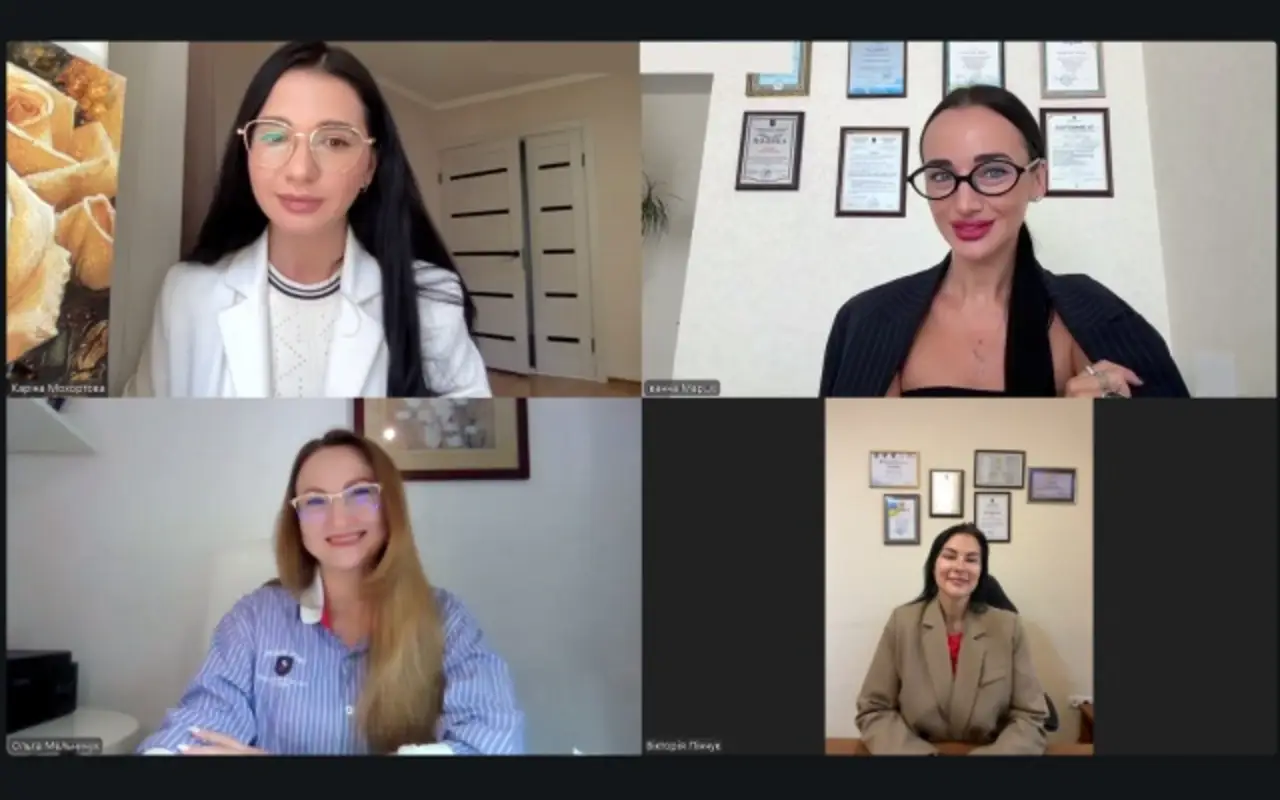
Not every eloquent phrase is persuasive: how an advocate should choose a speaking style
Rhetorical techniques are effective when they are tailored to the audience, the situation, and the purpose of the speech. Therefore, before speaking, an advocate should determine what message the court, client, or audience needs to hear and remember, and then choose the appropriate structure, examples, quotes and tone.
Educational events
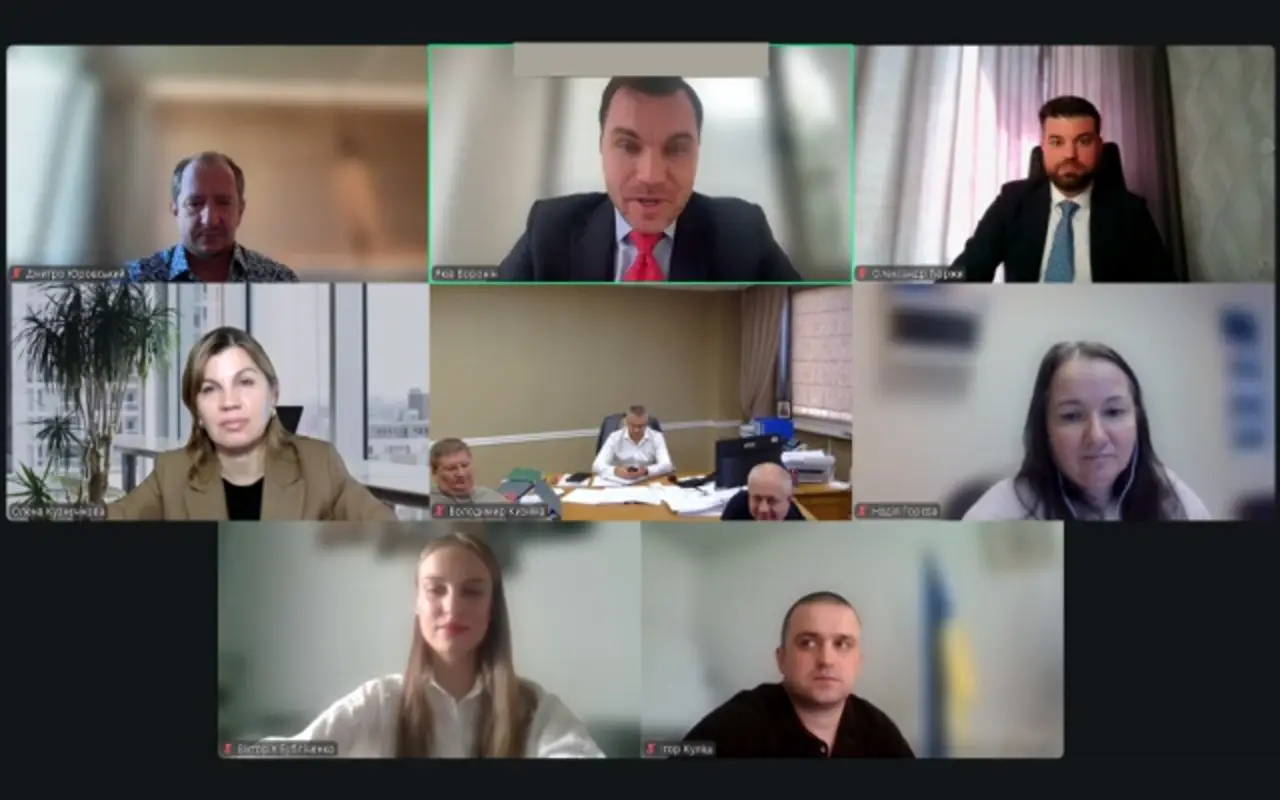
Tax residency of Ukrainians abroad: what matters
The determination of tax residency for Ukrainians who have been living abroad for an extended period depends on the combination of their personal and economic ties to each country. The established status determines the procedure for reporting income, paying taxes and fulfilling CFC reporting obligations.
Publications

Vasyl Kolishnyi, «Law and Business» Supporting mental health should become part of the professional culture of the Bar, - H. Udovenko

Volodymyr Matsko Extradition during wartime: when the risks outweigh the request

Volodymyr Matsko Extradition as a systemic form of rights violations

Victoria Yakusha, Law and Business The anti-corruption vertical cannot «take care» of the Bar as an institution, - acting head of the HQDCB

Censor.net Protecting advocates – protecting justice: addressing concerns about the new law

Ihor Kolesnykov A BRIEF SUMMARY REGARDING THE APPLICATION OF THE ORDER ON EXTENDED CONFISCATION IN LATVIA REGARDING FINANCIAL ASSETS OF…

Valentyn Gvozdiy WORKING IN A WAR ZONE

Lydia Izovitova Formula of perfection