






BCU will address the President concerning the danger of calls for human rights restrictions in the Criminal Procedure Code

The Bar Council of Ukraine will address the President of Ukraine concerning calls for restrictions of human rights in the Criminal Procedure Code, which are openly expressed by the President's representative in the Constitutional Court of Ukraine.
During the opening of the BCU meeting on September 10, the Head of UNBA, BCU Lydia Izovitova drew attention to the speeches of Fedor Venislavsky in the media, where he pointed out the need to change the Criminal Procedure Code because of too broad rights of attorneys.
"Such statements are made in conditions when the rights of attorneys are constantly violated by law enforcement agencies. We know this for sure from the statistics kept by the regional bar councils and the Committee for the Protection of Attorneys' Rights, UNBA Secretariat. We have a stable situation when our metropolitan region, Kyiv and Kyiv region, hold the lead in conducting searches of attorneys, including without notifying Bar Council of the region,” Lydia Izovitova said.
She reminded that only in April-June 2021 the regional bar councils received 110 notifications about searches and detentions of attorneys. Another 52 cases of detentions and searches took place without BC of the regions` notification, 46 of them were in Kyiv region. According to statistics, during this period, representatives of the BC of the regions 156 times made visits to the relevant procedural actions of colleagues.
Lydia Izovitova described such statements of the official as “calls for the return of authoritarian justice when there are no acquittals; attorneys perform the formal role of those present in the trial, and the court is governed by the prosecution."
The Head of UNBA, BCU referred to the decision of BCU №119 "On public discussion of compliance with the principle of equality of participants in court proceedings, presumption of innocence, as well as adversarial process, unimpeded exercise of rights and guarantees of advocacy", adopted in 2020.
"It is unfortunate that these principles once again are subject to unhealthy speculation, on which we must provide a legal position and once again initiate a public professional discussion on the need to adhere to standards of human rights, independence of the bar and adversarial justice. These are fundamental things for the bar, which have already been implemented in Ukrainian legislation, in the course of difficult discussions, numerous efforts of parliamentarians and attorneys. Therefore, calls to abandon these standards are in fact a proposal to abandon those European integration principles enshrined in the Constitution," the Head of UNBA, BCU said.
On September 11, during a BCU meeting, Lydia Izovitova recalled the history of the adoption of the current Criminal Procedure Code, which was a compromise on the rights of attorneys. However, it is currently proposed to further restrict the rights of defenders.
"Today, even this Criminal Procedure Code seems so democratic to some that it is proposed to cut it once again," the Head of UNBA, BCU said.
She clarified that this is an intention to reduce the guarantees of citizens, and this is done on behalf of a person who "was authorized to represent the guarantor of our rights in the Constitutional Court, and it is very dangerous, so we cannot react."
Lydia Izovitova also reminded that working groups within the Legal Reform Commission are working on amendments to the Criminal Procedure Code, and some of these changes propose to revive the 1960 Criminal Procedure Code. UNBA, through its representatives in these working groups, proved the danger of such ideas and their consequences. At present, such a position needs to be communicated to parliamentarians, who can amend the Criminal Procedure Code by a simple majority.
"It is necessary that deputies know the consequences for all citizens and for the people's deputies themselves. They need to know where laws, that restrict rights, can lead to,” the Head of UNBA, BCU urged.
It will be recalled that the President’s representative in the Constitutional Court, Fedir Venislavsky, said in an interview with the parliamentary TV channel Rada that “The current Criminal Procedure Code has a lot of opportunities for abuse and prolongation of the process. We see this in the example of many high-profile cases. The defense can delay the case for years ... The Criminal Procedure Code needs to be improved. Almost everyone is talking about it."
A similar statement was made in an interview with TV Channel 24 on September 3, 2021: "Just a few days ago, I said on one of the TV channels that, in my opinion, the Criminal Procedure Code should be changed as part of judicial reform. The legal community immediately took up arms against me. They said that Venislavsky told that the Criminal Procedure Code, recognized by the Venice Commission as the best, needed to be changed. In fact, this Criminal Procedure Code provides very significant opportunities for the defense to make such a significant delay. In particular, in the High Anti-Corruption Court of Ukraine. Unfortunately, we have many examples of attorneys abusing their procedural rights to prolong the case."
Popular news
Rule of Law Roadmap
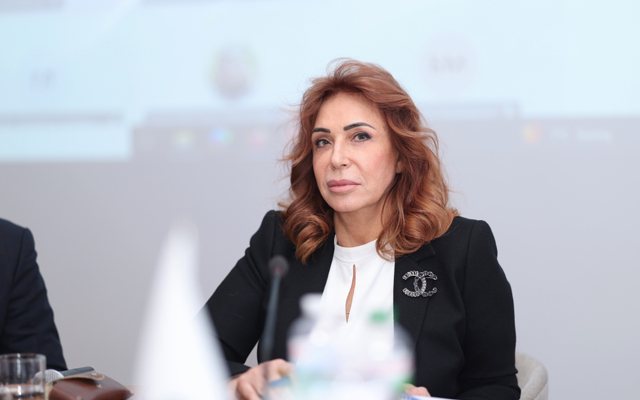
Lidiya Izovitova: reform of the advocacy profession should make the profession stronger and individuals better protected
The Ukrainian advocacy community is finalizing work on a new version of the relevant law. The roadmap on the rule of law has set the fourth quarter of 2026 as the deadline for achieving results in this area. The draft is intended to ensure safeguards for the practice of law through mechanisms of accountability for violations.

Abroad
The first country to ratify the Convention on the Protection of the Professions of Lawyer
Bosnia and Herzegovina became the first country to ratify the Council of Europe Convention on the Protection of the Professions of Lawyer (CETS No. 226). The country signed the Convention on March 17, 2026, so it took just over seven months to ratify it.
Support
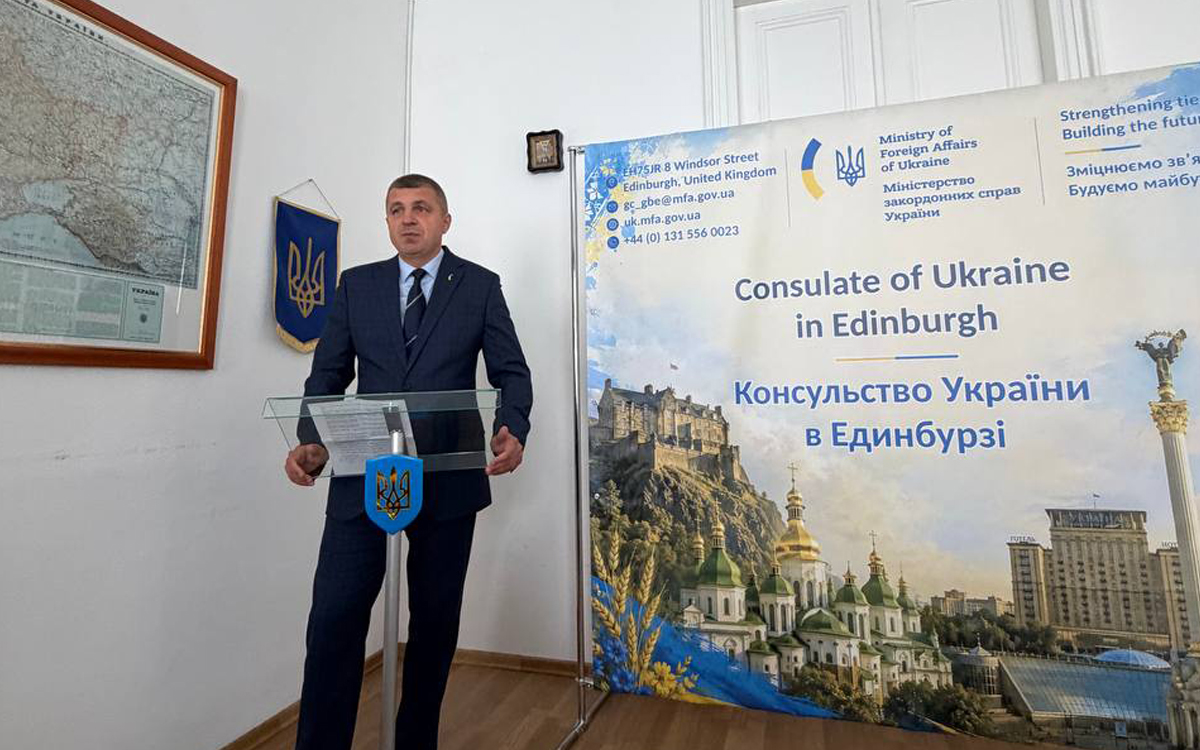
In Edinburgh expressed gratitude to those who are helping Ukrainian advocates and citizens
Since the start of the full-scale invasion, Scottish legal institutions and the Ukrainian community, with the participation of the UNBA, have been helping Ukrainian advocates obtain their qualifications and Ukrainians receive legal assistance. The parties are now planning joint professional and educational events.
Educational events
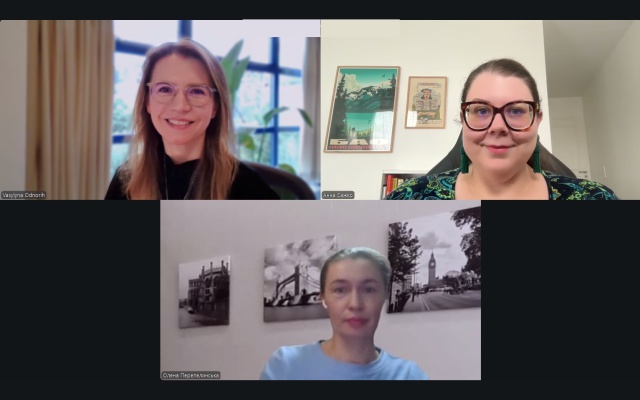
What to do when you need immediate protection in the LCIA
A dispute with a counterparty has been referred to the London Court of International Arbitration (LCIA), but it will take several weeks to appoint the arbitrators, and the client needs legal representation immediately? This can be achieved through an emergency arbitrator or expedited tribunal formation.
Educational events
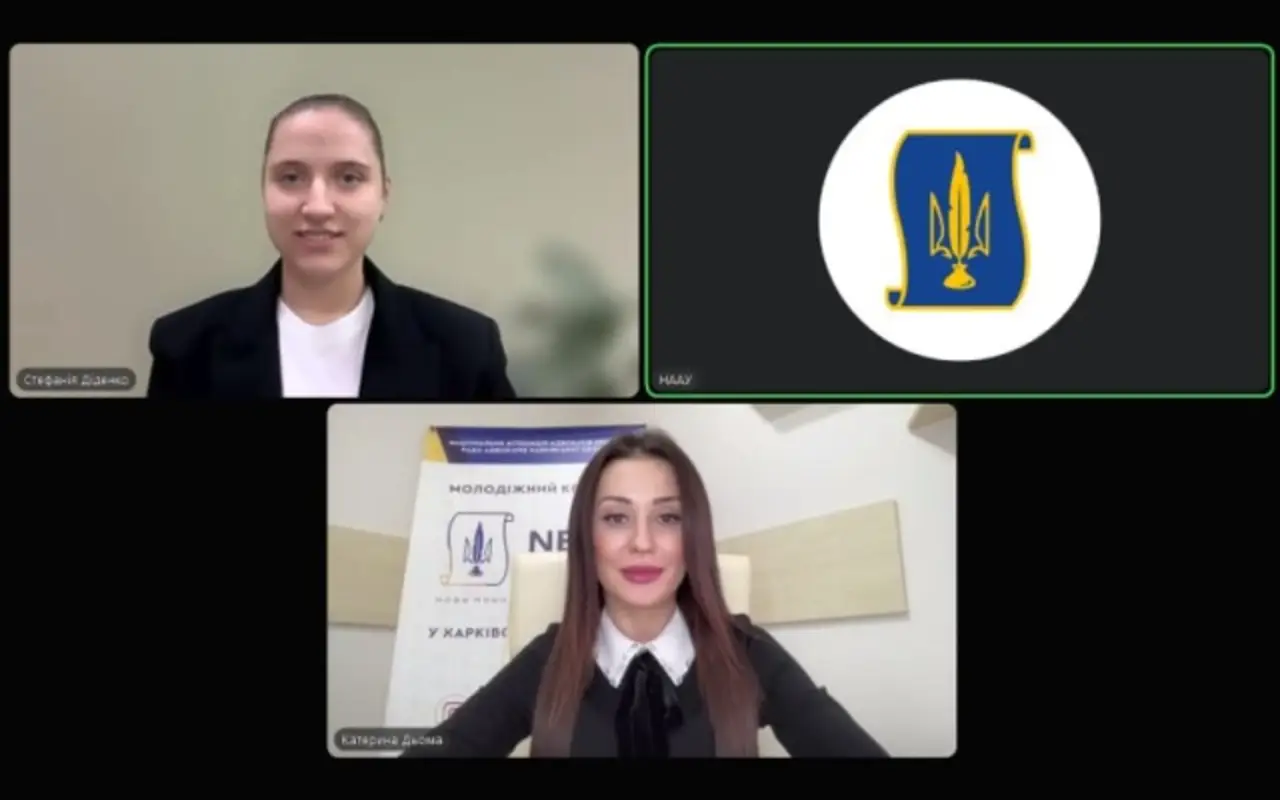
An advocate's meeting with a client outside the office: how to conduct it without giving away too much
If a client suggests meeting in a public place, keep in mind that any name or amount mentioned aloud could be overheard by bystanders. Therefore, it’s important to plan ahead regarding the table, seating arrangements, and the scope of the conversation.

Legislation
The UNBA explained what could undermine the plan to introduce plea agreements
Information regarding who pays whom, how much, and on what grounds under a plea agreement must be made public. However, as long as this information is classified as a state secret or personal data, the court will continue to be able to close proceedings and restrict access to judgments.
Interaction
The UNBA and the German Institute for Eastern Law will prepare joint legal opinions
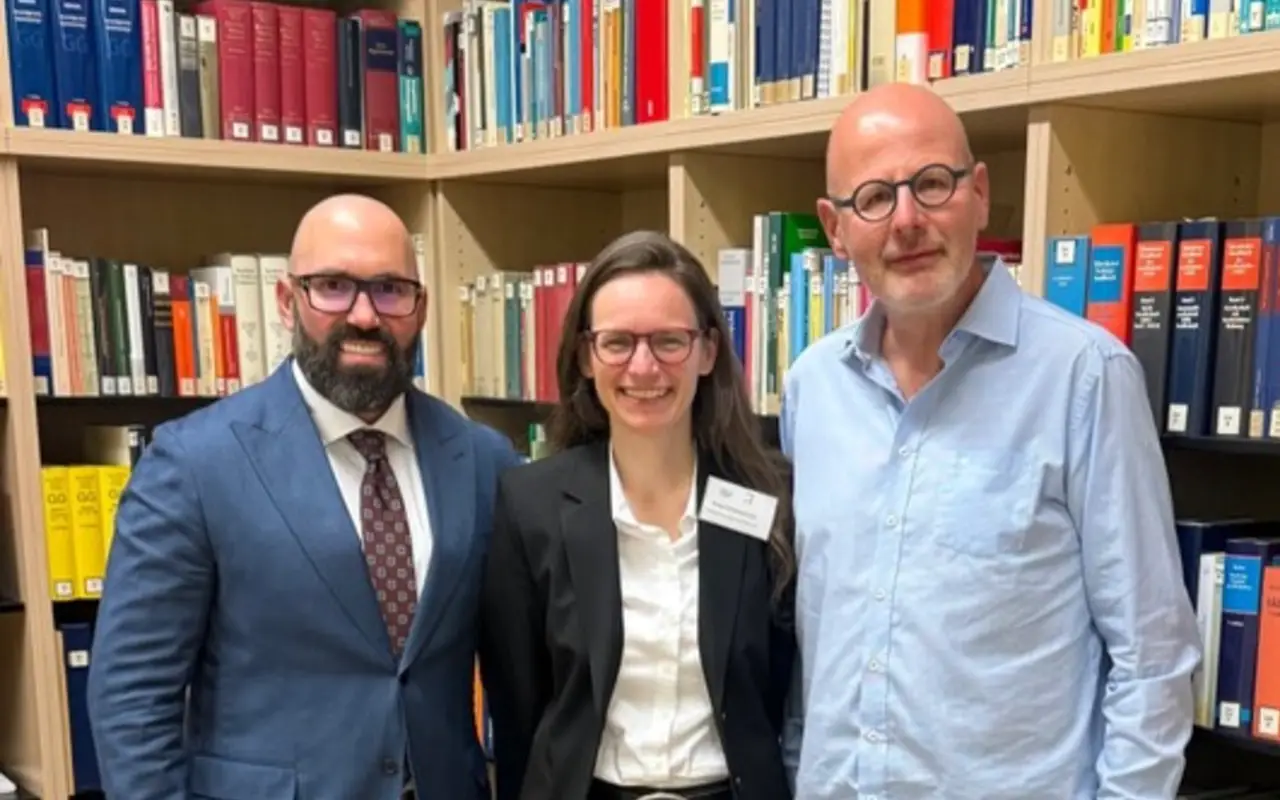
Ukrainian advocates and German legal scholars will jointly prepare comparative legal studies, expert opinions, and professional events. The UNBA reached this agreement with the Institute for Eastern European Law in Regensburg, which has been researching the laws of Central and Eastern European countries for nearly 70 years.
Educational events
What an advocate can delegate to an assistant, colleagues and AI — and what they cannot
An advocate can delegate even a complex lawsuit to an assistant, consult with colleagues daily, and ask artificial intelligence to find relevant case law. However, it is up to the advocate to proofread the document, verify every reference, and decide what to disclose about the client’s case.
Publications

Vasyl Kolishnyi, «Law and Business» Supporting mental health should become part of the professional culture of the Bar, - H. Udovenko

Volodymyr Matsko Extradition during wartime: when the risks outweigh the request

Volodymyr Matsko Extradition as a systemic form of rights violations

Victoria Yakusha, Law and Business The anti-corruption vertical cannot «take care» of the Bar as an institution, - acting head of the HQDCB

Censor.net Protecting advocates – protecting justice: addressing concerns about the new law

Ihor Kolesnykov A BRIEF SUMMARY REGARDING THE APPLICATION OF THE ORDER ON EXTENDED CONFISCATION IN LATVIA REGARDING FINANCIAL ASSETS OF…

Valentyn Gvozdiy WORKING IN A WAR ZONE

Lydia Izovitova Formula of perfection

