


UNBA proposes legal reform commission to strengthen guarantees of legal practice

President of UNBA, BCU Lidiya Izovitova sent to the Chair of the Commission on Legal Reform under the President of Ukraine Serhiy Ionushas draft proposals for amendments to the law "On the Bar and Practice of Law".
The document was prepared by UNBA with the aim of practical implementation of the goals of the Strategy for the Development of the Justice System and Constitutional Justice for 2021-2023.
The proposals relate to the relevant law in terms of strengthening professional rights and guarantees of legal practice, as well as strengthening the status of bar self-government.
In particular, it is proposed to give advocates the right of unhindered access to the premises of state authorities and local self-government, courts, prosecutor's offices, law enforcement agencies, penitentiary institutions, and other office premises in connection with his legal practice on the basis of an advocate's ID, except in cases provided for by law.
UNBA proposes in the law to provide advocates with identified access to state registers, including the Unified Register of Pre-Trial Investigations, the Unified State Register of Enforcement Proceedings, to the Unified Judicial Information and Telecommunication System in the manner described by the relevant holder of the register or automated system in agreement with the Bar Council of Ukraine, except for registers containing information that is a state secret in the absence of appropriate access to state secrets; unhindered access to the court premises during working hours and during the court hearing in the case in which the client of the advocate participates, as well as to the premises of the courts, prosecutor's offices, police, the Ministry of Internal Affairs, other law enforcement agencies, institutions for pre-trial detention and execution of punishments, public authorities at any time, if in these there is a client on these premises.
Article 20 of the relevant law proposes to add that an advocate without special permission may privately (in conditions that ensure confidentiality) meet with his client, including in case of his detention, arrest and detention and serving a sentence in the form of imprisonment, without limitation in the number of visits and the duration of each of them, regardless of client's location.
Article 23 proposes to clarify the current prohibition norm, setting it out as following: "it is forbidden to interrogate, demand or request from an advocate, his assistant, trainee, a person who is in labor relations with an advocate, law office, bar association, as well as from a person against whom the right to practice law has been terminated or suspended, or to try to another way to obtain without the consent of the advocate and/or his client privileged information, data, statements, documents, materials, including those obtained by an advocate in connection with or used for legal practice."
In the same article it is proposed to clarify and amend the current paragraph that any measures to ensure criminal proceedings, operative-search and investigative (search) actions, including covert, against an advocate, application of restraining measure, detention or any restriction of the freedom of movement of an advocate can be carried out only on the basis of the decision of the investigating judge of the court of appeal upon request of the Prosecutor General, his Deputy, the Prosecutor of the Autonomous Republic of Crimea, the region, the City of Kyiv and the City of Sevastopol and exclusively in connection with suspicion of advocate in commission of criminal offenses.
It is proposed to clarify the prohibition of entering the dwelling or other premises owned by advocate, the premises in which the advocate's workplace is located, conducting an inspection, search or other investigative actions therein, as well as conducting a personal search of an advocate, reviewing, retrieving or seizing items and documents of an advocate, "except when such actions are carried out within the framework of criminal proceedings in which the advocate is suspected of committing a crime."
The relevant law is proposed to be supplemented with a ban on the collection of information in any form and in any way regarding communication, correspondence, other communications (including using means of communication) of an advocate, assistant advocate with a client, an advocate with an assistant, a trainee, as well as ban interference with such communications; records of such communication should be immediately destroyed, and any make use thereof illegal.
The current guarantees of legal practice are also proposed to be supplemented with the wording "Evidence obtained during a search or inspection of housing, other possession of an advocate, premises where he carries out legal practice, as well as evidence obtained by way of temporary access to the advocate's belongings and documents, in the absence of a representative of the regional Bar Council, are inadmissible."
It should be noted that during 2021, the UNBA systematically interacted with the Commission on Legal Reform, in particular, sent to the Commission an Action Plan for Institutional Improvement of the Bar, which elaborates on the President’s Strategy.
Photos from the UNBA archive
Popular news

Guarantees of the practice of law
Guarantees for advocacy without protective measures: proposed changes to the codes
The current law sets forth the rights and guarantees of the legal profession, but lacks the tools to protect them. The future law on advocacy is intended to fill this gap through amendments to criminal, administrative and procedural legislation.
Legislation
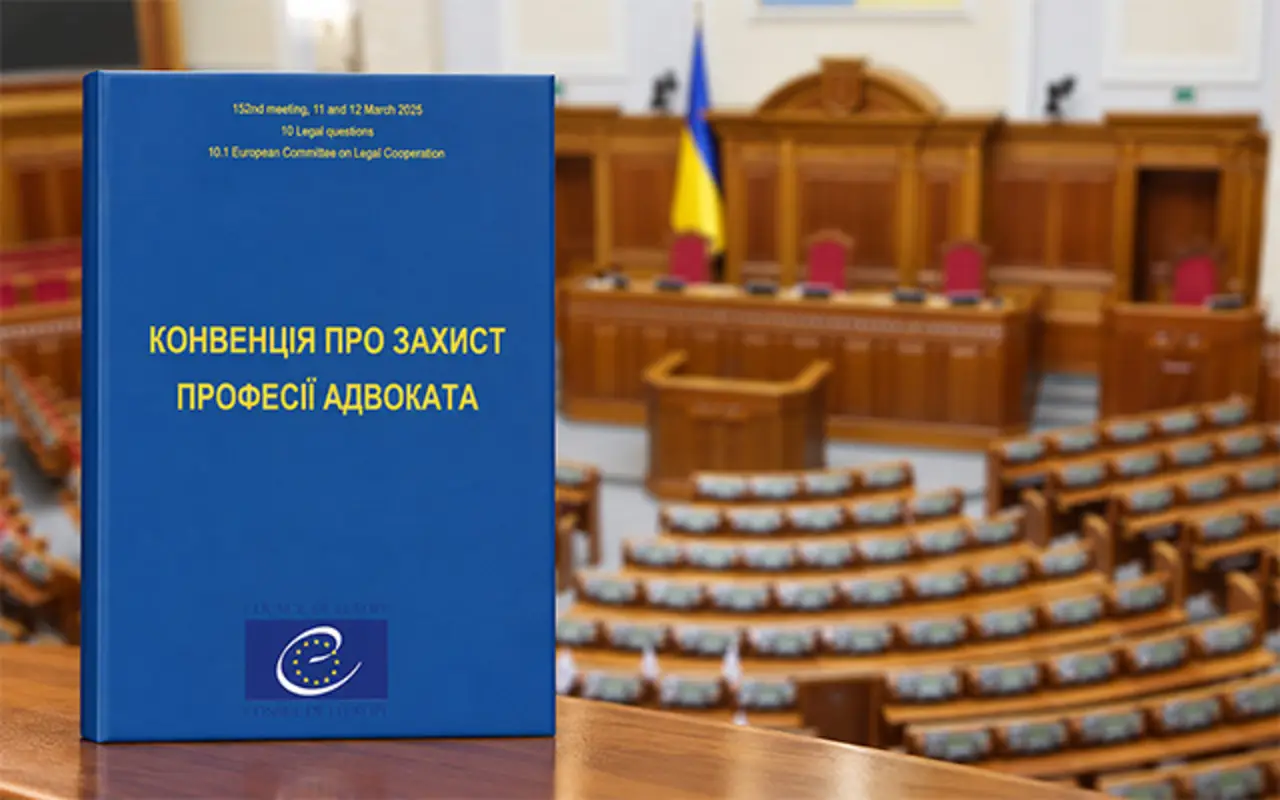
A bill implementing the Convention on the Protection of the Professions of Lawyer has been introduced
The constitutional guarantees of legal aid, defense, and the independence of advocacy cannot be realized without protecting advocates from unwarranted interference in their professional activities, including searches, the seizure of professional materials and the use of criminal procedural mechanisms to exert pressure.
Abroad
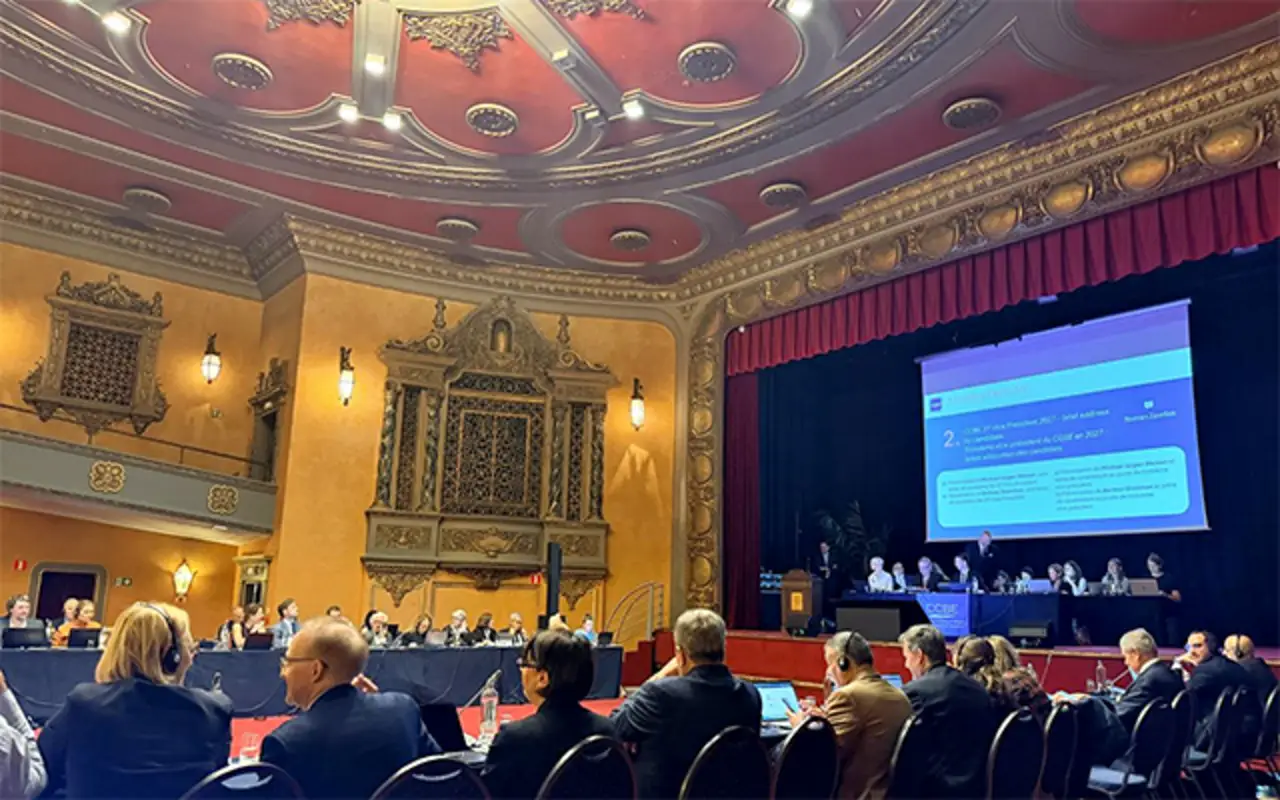
The CCBE is discussing European justice and issues related to the protection of advocates
Today, October 2, a meeting of the Standing Committee of the Council of Bars and Law Societies of Europe (CCBE) is taking place in Brussels. On the agenda are the protection of the advocate profession, the rule of law, attorney-client privilege, and changes in the European justice system.
Rule of Law Roadmap
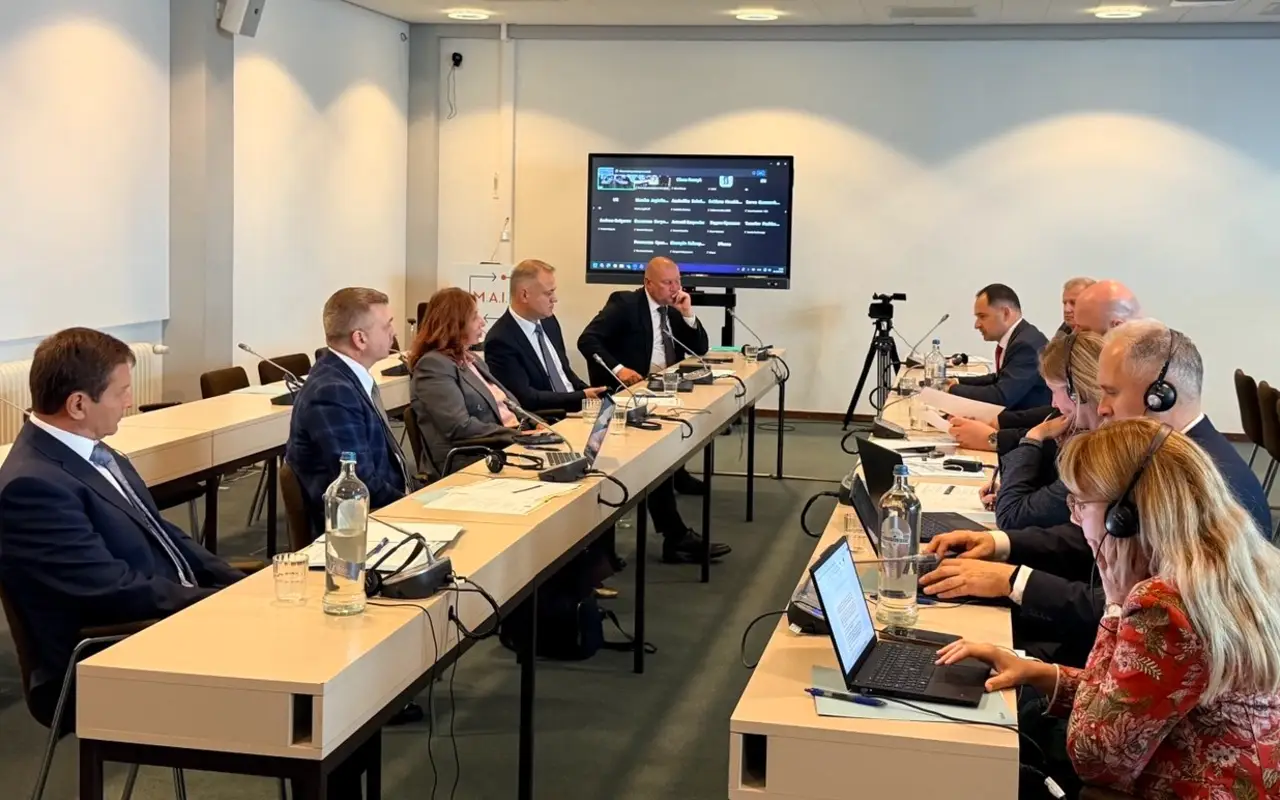
The UNBA presented the key provisions of the future law on advocacy in Brussels
The Ukrainian National Bar Association presented its proposals for the upcoming law on advocacy, aligned with the Rule of Law Roadmap. The presentation covered topics such as access to the profession, self-governance, disciplinary procedures, professional development and guarantees for the practice of advocacy.

Discussion
First the return of assets, then subsidiary liability — an opinion
In bankruptcy cases, the legal entity’s ability to preserve and restore the financial foundation of its operations requires legal protection. In this regard, the right to solvency in which the legal entity is the aggrieved party should be an independent object of legal protection.

Educational events
Advocates were taught to voice their complaints without making accusations
In a difficult conversation, it’s easy to confuse facts with opinions, feelings with accusations, and requests with demands. How can you express dissatisfaction, explain your own needs, and propose a specific solution while still allowing your conversation partner the opportunity to refuse or suggest an alternative?
Guarantees of the practice of law
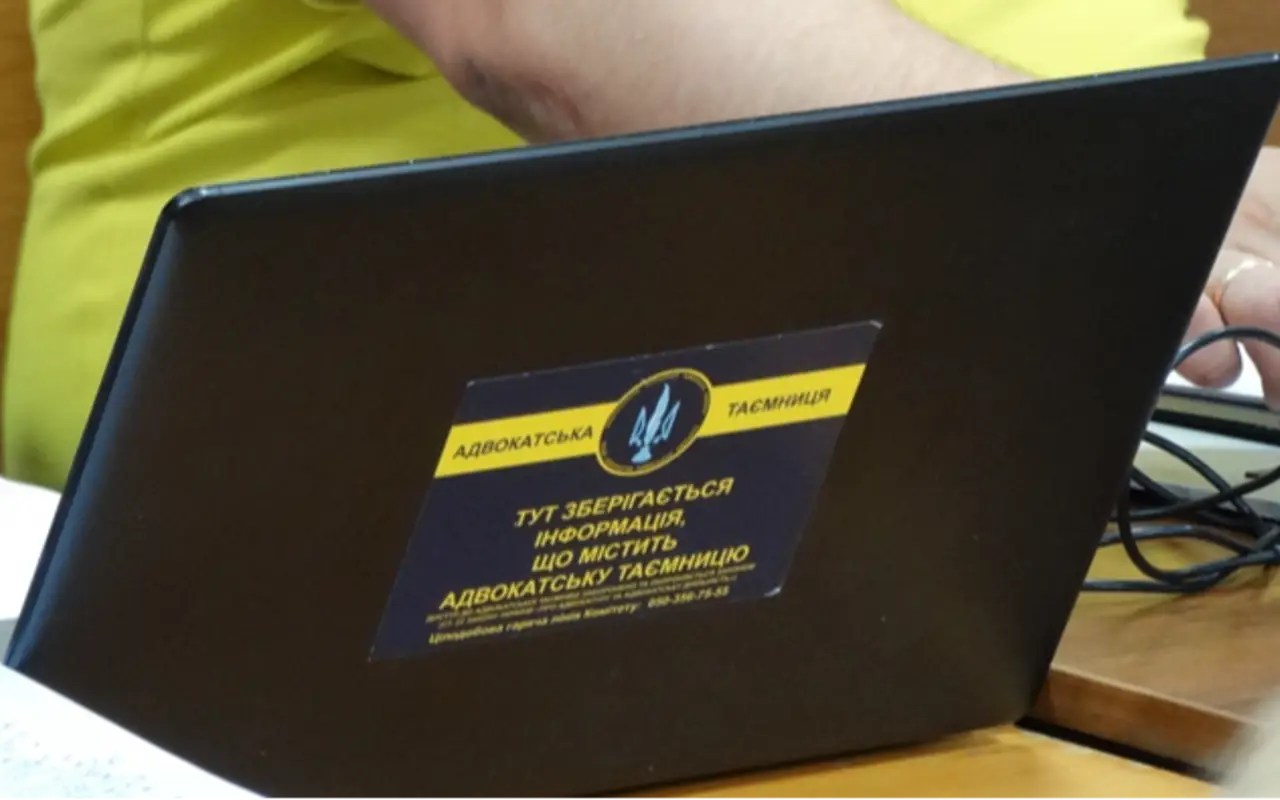
Search of an advocate's office after client's acquittal: criminal complaint filed
In Kyiv, law enforcement officers conducted a search of the home of an advocate who had defended a client acquitted by the court and seized materials from the advocate’s case file. The proceedings were initiated shortly after the acquittal, even though the document they were searching for was already included in the court case file.
Guarantees of the practice of law
The paradoxes of urgency: is it possible to investigate a crime before it is committed?
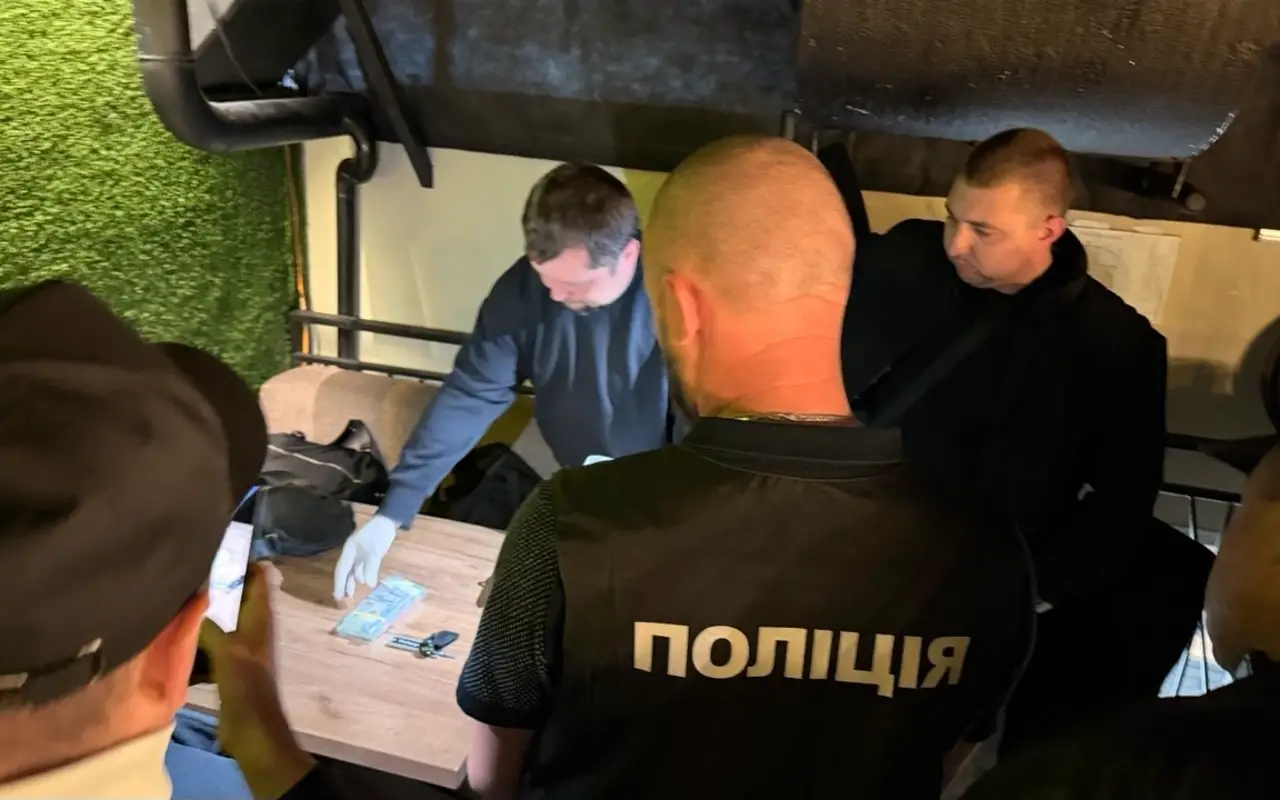
On September 24 in Kyiv, National Police officers detained an advocate during an emergency search, having caught him in the act of committing a crime. At the time, the pretrial investigation in this case had already been ongoing for more than four months.
Publications

Vasyl Kolishnyi, «Law and Business» Supporting mental health should become part of the professional culture of the Bar, - H. Udovenko

Volodymyr Matsko Extradition during wartime: when the risks outweigh the request

Volodymyr Matsko Extradition as a systemic form of rights violations

Victoria Yakusha, Law and Business The anti-corruption vertical cannot «take care» of the Bar as an institution, - acting head of the HQDCB

Censor.net Protecting advocates – protecting justice: addressing concerns about the new law

Ihor Kolesnykov A BRIEF SUMMARY REGARDING THE APPLICATION OF THE ORDER ON EXTENDED CONFISCATION IN LATVIA REGARDING FINANCIAL ASSETS OF…

Valentyn Gvozdiy WORKING IN A WAR ZONE

Lydia Izovitova Formula of perfection