


Lawyers loyal to the state earn more – report

The manual distribution of assignments between lawyers in secondary legal aid centers creates corruption risks and violates the principle of independence of the practice of law.
The UNBA Legal Aid Committee drew attention to this problem in its Report on topical issues of the functioning of the legal aid system in Ukraine, which was presented to the public on March 19.
The amount of remuneration of attorneys providing secondary legal aid is determined in accordance with the Methodology for its calculation, approved by the Cabinet of Ministers of Ukraine dated September 17, 2014, No. 495. The calculation takes into account, among other things, the gravity of the crime of which the person is suspected, the number of accomplices and episodes according to the case file, and other indicators.
The Report notes that, depending on these indicators, the amount of payment for legal aid varies significantly. For example, the scope of work of a defense counsel in the investigation of cases under Part 3 of Article 187 (robbery with breaking and entering) of the Criminal Code and Part 1 of Article 185 (theft) of the Criminal Code may be identical. However, in the first case, according to the Methodology, the payment will be much higher, so these cases are more interesting for lawyers.
And it seems that this is actively used by the FLA system. There are numerous complaints from lawyers that some are assigned to cases of minor crimes only, while others are assigned to cases of serious and especially serious crimes. Because the question of which lawyer will receive an assignment in a particular case is decided by the staff of regional centers for free secondary legal aid, sometimes at the direction of the management. And the loyalty of the lawyer to the officials directly affects the content of the assignments.
 «The fact that the distribution of assignments between lawyers has been carried out manually since the beginning of the FLA system creates direct corruption risks. After all, defense attorneys are constantly dependent on the staff of the centers, - explains Oksana Kadenko, Chairman of the UNBA Committee on Legal Aid. - In addition, giving preference to loyal lawyers in this way creates ample opportunities for interference with the legal position of the defense attorney in the case. And this completely eliminates the independence of a lawyer».
With the introduction of the centralized issuance of powers of attorney in 2022, the situation has improved somewhat. However, this has raised the problem of feedback, which is often impossible to obtain, especially after hours.
Therefore, the bar has consistently insisted on the need to introduce automated distribution of powers of attorney and establish liability for unauthorized interference with the auto-distribution system.
 «It is clear that the current corruption risks in the distribution of assignments should be eliminated, - said Valentyn Gvozdiy, the Vice President of UNBA, BCU. - To do this, we believe it is necessary to develop and approve the Coordination Center's Anti-Corruption Program together with the Bar Council, introduce a mechanism for the Bar to control the functioning of the FLA system at both national and regional levels, and form at least half of the Supervisory Board of the Coordination Center from among lawyers».
Popular news

Guarantees of the practice of law
Guarantees for advocacy without protective measures: proposed changes to the codes
The current law sets forth the rights and guarantees of the legal profession, but lacks the tools to protect them. The future law on advocacy is intended to fill this gap through amendments to criminal, administrative and procedural legislation.
Legislation
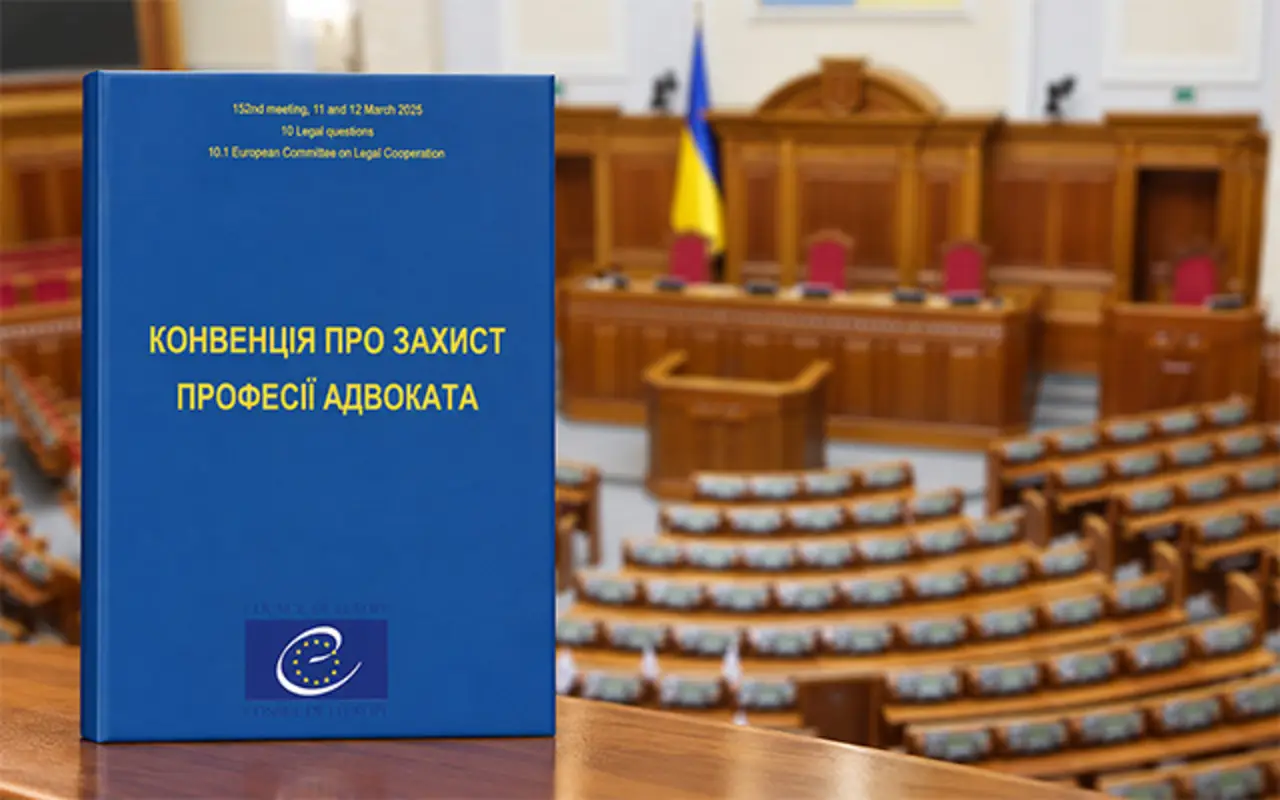
A bill implementing the Convention on the Protection of the Professions of Lawyer has been introduced
The constitutional guarantees of legal aid, defense, and the independence of advocacy cannot be realized without protecting advocates from unwarranted interference in their professional activities, including searches, the seizure of professional materials and the use of criminal procedural mechanisms to exert pressure.
Abroad
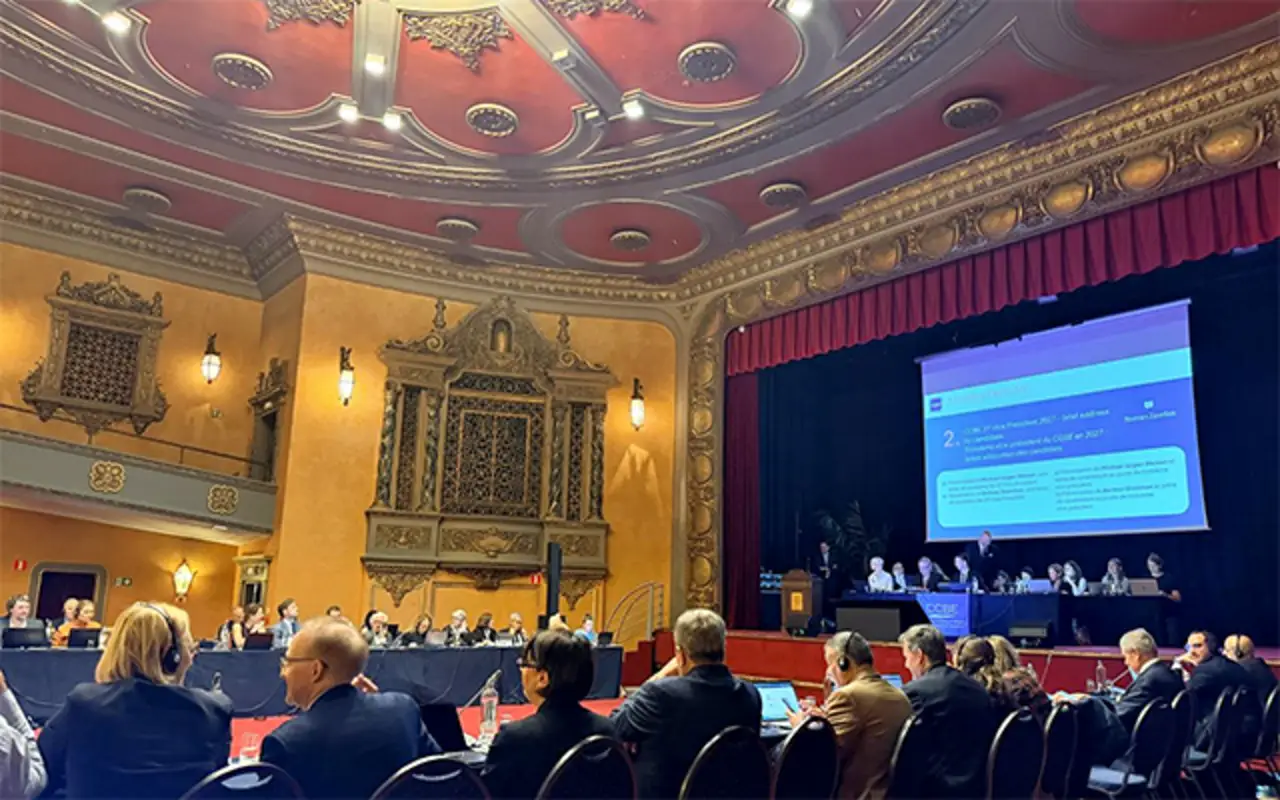
The CCBE is discussing European justice and issues related to the protection of advocates
Today, October 2, a meeting of the Standing Committee of the Council of Bars and Law Societies of Europe (CCBE) is taking place in Brussels. On the agenda are the protection of the advocate profession, the rule of law, attorney-client privilege, and changes in the European justice system.
Rule of Law Roadmap
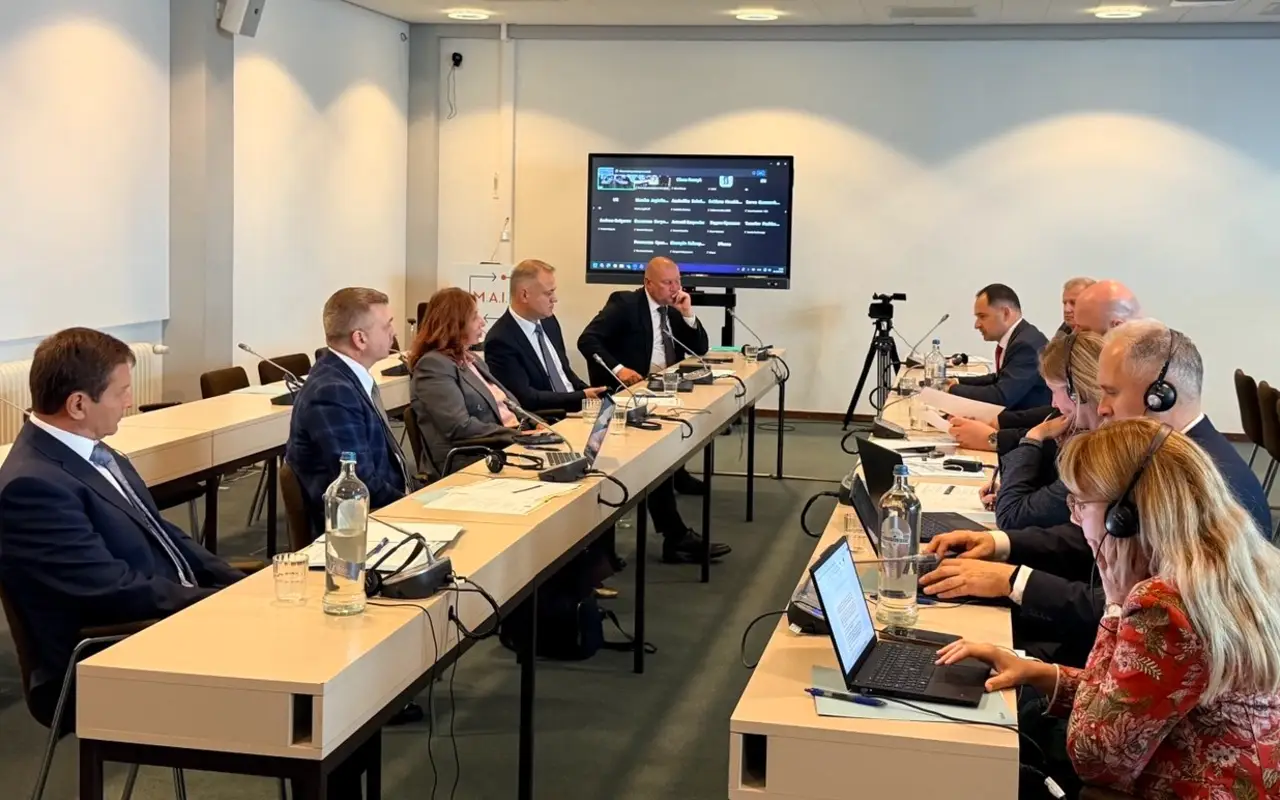
The UNBA presented the key provisions of the future law on advocacy in Brussels
The Ukrainian National Bar Association presented its proposals for the upcoming law on advocacy, aligned with the Rule of Law Roadmap. The presentation covered topics such as access to the profession, self-governance, disciplinary procedures, professional development and guarantees for the practice of advocacy.

Discussion
First the return of assets, then subsidiary liability — an opinion
In bankruptcy cases, the legal entity’s ability to preserve and restore the financial foundation of its operations requires legal protection. In this regard, the right to solvency in which the legal entity is the aggrieved party should be an independent object of legal protection.

Educational events
Advocates were taught to voice their complaints without making accusations
In a difficult conversation, it’s easy to confuse facts with opinions, feelings with accusations, and requests with demands. How can you express dissatisfaction, explain your own needs, and propose a specific solution while still allowing your conversation partner the opportunity to refuse or suggest an alternative?
Guarantees of the practice of law
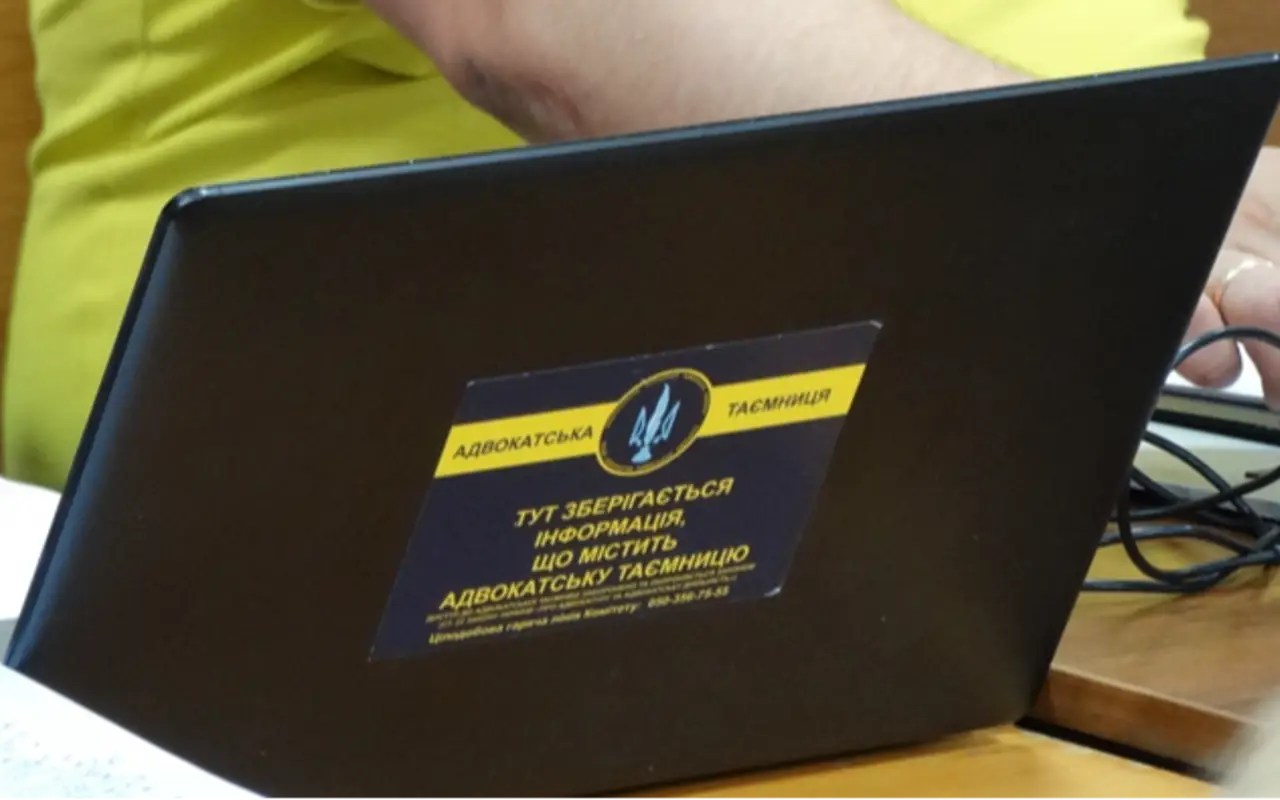
Search of an advocate's office after client's acquittal: criminal complaint filed
In Kyiv, law enforcement officers conducted a search of the home of an advocate who had defended a client acquitted by the court and seized materials from the advocate’s case file. The proceedings were initiated shortly after the acquittal, even though the document they were searching for was already included in the court case file.
Guarantees of the practice of law
The paradoxes of urgency: is it possible to investigate a crime before it is committed?
On September 24 in Kyiv, National Police officers detained an advocate during an emergency search, having caught him in the act of committing a crime. At the time, the pretrial investigation in this case had already been ongoing for more than four months.
Publications

Vasyl Kolishnyi, «Law and Business» Supporting mental health should become part of the professional culture of the Bar, - H. Udovenko

Volodymyr Matsko Extradition during wartime: when the risks outweigh the request

Volodymyr Matsko Extradition as a systemic form of rights violations

Victoria Yakusha, Law and Business The anti-corruption vertical cannot «take care» of the Bar as an institution, - acting head of the HQDCB

Censor.net Protecting advocates – protecting justice: addressing concerns about the new law

Ihor Kolesnykov A BRIEF SUMMARY REGARDING THE APPLICATION OF THE ORDER ON EXTENDED CONFISCATION IN LATVIA REGARDING FINANCIAL ASSETS OF…

Valentyn Gvozdiy WORKING IN A WAR ZONE

Lydia Izovitova Formula of perfection