






The Danish Refugee Council will engage the UNBA to provide legal aid - a memorandum was signed


Within the framework of its own projects to assist refugees and internally displaced persons, the Danish Refugee Council (DRC) will engage the specialists of the Ukrainian National Bar Association to provide legal aid to Ukrainian citizens.
The relevant memorandum of understanding was signed today, April 24, by Alix Françoise Marie Journou, the Representative of the Danish Refugee Council in Ukraine, and Lidiya Izovitova, the President of the UNBA, BCU.
According to the document, the cooperation will be carried out through the involvement of specialists, including UNBA representatives abroad, on the digital legal aid platform PravoVsim, to provide free legal aid to Ukrainian citizens who were forced to temporarily move as a result of armed aggression, became refugees or persons under special protection, and therefore need qualified legal assistance.
DRC is committed to the welfare and protection of the recipients of assistance. After all, the mandate of the international organization obliges it to provide assistance to the affected population. UNBA, in turn, undertakes to accept and share the humanitarian policy of the DRC.
The contact person for coordination of joint activities on the Ukrainian side is Oleksandr Chernykh, the UNBA representative in the United Kingdom of Great Britain and Northern Ireland.
The Danish Refugee Council was founded in 1956. It assists refugees and internally displaced persons around the world by providing emergency assistance, defending their rights and expanding their prospects for a better future.
The activities of the DRC are based on the principles of humanity, respect, independence, neutrality, involvement, as well as honesty and transparency.
The organization has been working in Ukraine since 1998. From 2007 to 2013, DRC implemented a national program to protect the rights of IDPs and build the capacity of civil society and state authorities responsible for providing asylum. In 2014, the Board resumed its activities to support the humanitarian response in eastern Ukraine through emergency response and durable solutions aimed at protecting and empowering internally displaced persons and host communities, humanitarian demining and capacity development of state authorities.
Since February 2022, DRC has been contributing to the overall emergency response in Ukraine, developing and implementing strategies to respond to needs across Ukraine in the longer term, working in sectors such as social and legal protection, economic recovery, humanitarian disarmament and peacebuilding, capacity development and shelter.
Popular news
Rule of Law Roadmap
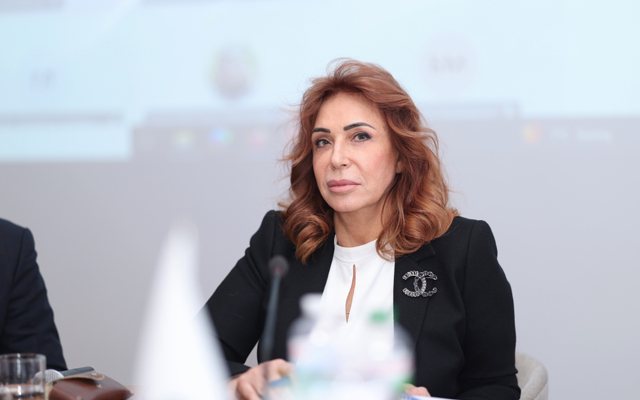
Lidiya Izovitova: reform of the advocacy profession should make the profession stronger and individuals better protected
The Ukrainian advocacy community is finalizing work on a new version of the relevant law. The roadmap on the rule of law has set the fourth quarter of 2026 as the deadline for achieving results in this area. The draft is intended to ensure safeguards for the practice of law through mechanisms of accountability for violations.
Abroad
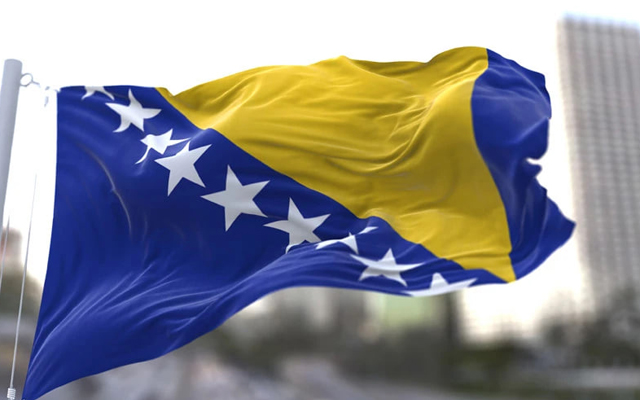
The first country to ratify the Convention on the Protection of the Professions of Lawyer
Bosnia and Herzegovina became the first country to ratify the Council of Europe Convention on the Protection of the Professions of Lawyer (CETS No. 226). The country signed the Convention on March 17, 2026, so it took just over seven months to ratify it.
Support
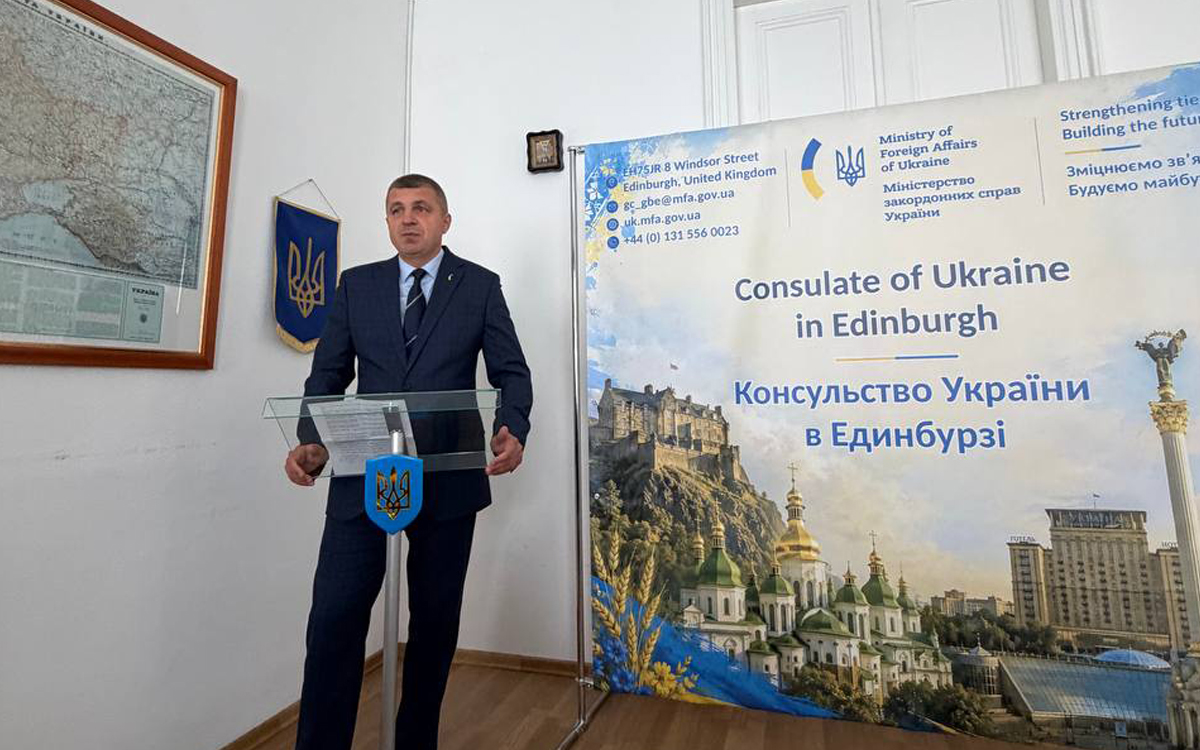
In Edinburgh expressed gratitude to those who are helping Ukrainian advocates and citizens
Since the start of the full-scale invasion, Scottish legal institutions and the Ukrainian community, with the participation of the UNBA, have been helping Ukrainian advocates obtain their qualifications and Ukrainians receive legal assistance. The parties are now planning joint professional and educational events.
Educational events
What to do when you need immediate protection in the LCIA
A dispute with a counterparty has been referred to the London Court of International Arbitration (LCIA), but it will take several weeks to appoint the arbitrators, and the client needs legal representation immediately? This can be achieved through an emergency arbitrator or expedited tribunal formation.
Educational events
An advocate's meeting with a client outside the office: how to conduct it without giving away too much
If a client suggests meeting in a public place, keep in mind that any name or amount mentioned aloud could be overheard by bystanders. Therefore, it’s important to plan ahead regarding the table, seating arrangements, and the scope of the conversation.

Legislation
The UNBA explained what could undermine the plan to introduce plea agreements
Information regarding who pays whom, how much, and on what grounds under a plea agreement must be made public. However, as long as this information is classified as a state secret or personal data, the court will continue to be able to close proceedings and restrict access to judgments.
Interaction
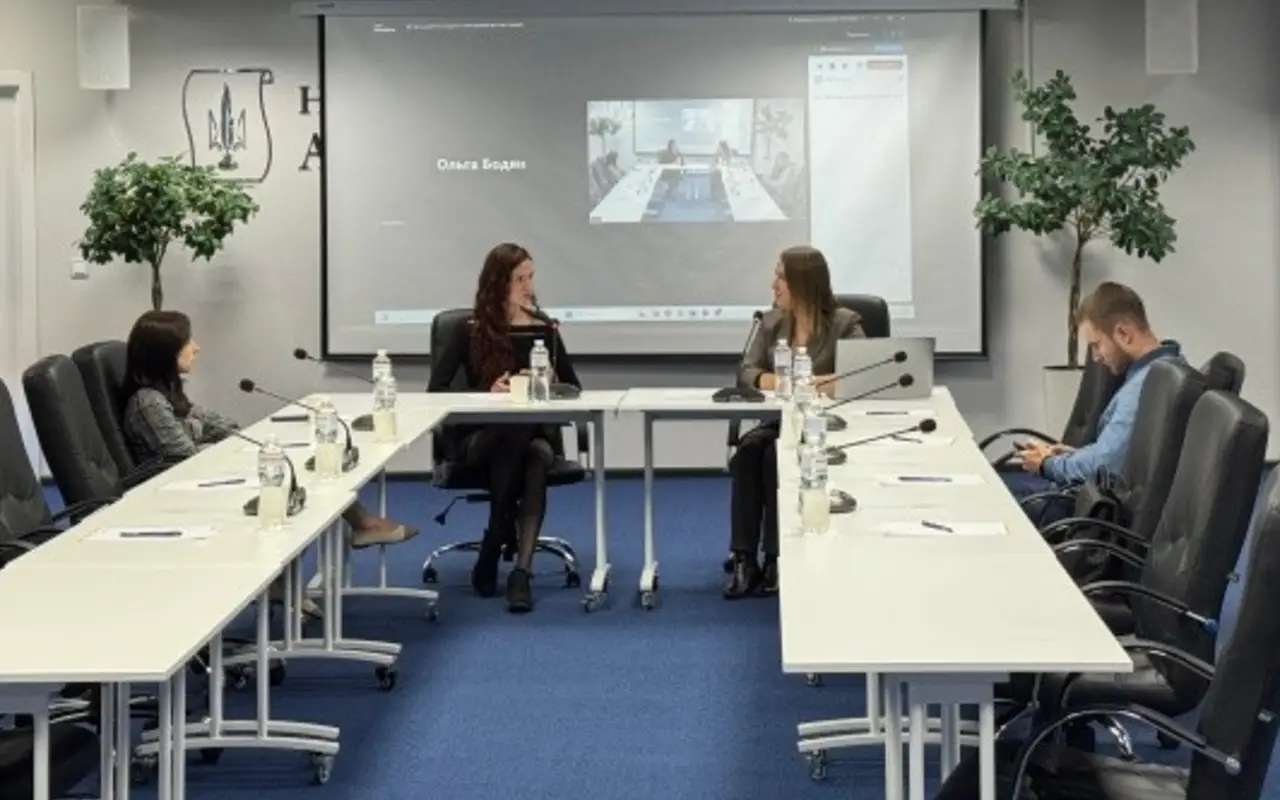
The UNBA and the German Institute for Eastern Law will prepare joint legal opinions
Ukrainian advocates and German legal scholars will jointly prepare comparative legal studies, expert opinions, and professional events. The UNBA reached this agreement with the Institute for Eastern European Law in Regensburg, which has been researching the laws of Central and Eastern European countries for nearly 70 years.
Educational events
What an advocate can delegate to an assistant, colleagues and AI — and what they cannot
An advocate can delegate even a complex lawsuit to an assistant, consult with colleagues daily, and ask artificial intelligence to find relevant case law. However, it is up to the advocate to proofread the document, verify every reference, and decide what to disclose about the client’s case.
Publications

Vasyl Kolishnyi, «Law and Business» Supporting mental health should become part of the professional culture of the Bar, - H. Udovenko

Volodymyr Matsko Extradition during wartime: when the risks outweigh the request

Volodymyr Matsko Extradition as a systemic form of rights violations

Victoria Yakusha, Law and Business The anti-corruption vertical cannot «take care» of the Bar as an institution, - acting head of the HQDCB

Censor.net Protecting advocates – protecting justice: addressing concerns about the new law

Ihor Kolesnykov A BRIEF SUMMARY REGARDING THE APPLICATION OF THE ORDER ON EXTENDED CONFISCATION IN LATVIA REGARDING FINANCIAL ASSETS OF…

Valentyn Gvozdiy WORKING IN A WAR ZONE

Lydia Izovitova Formula of perfection

