


The Chairman of the UNBA Committee explained how to compensate for the shortage of personnel in the construction industry
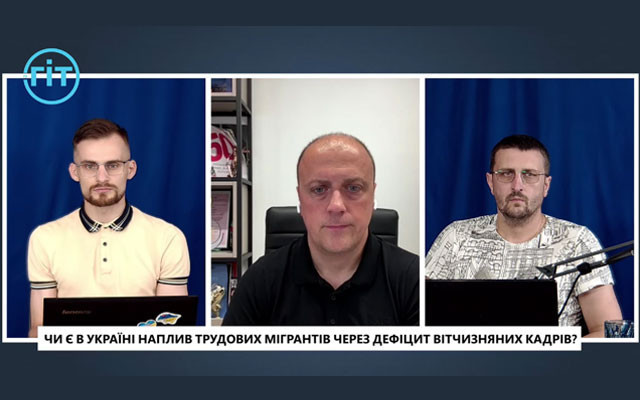
Ukraine is experiencing a shortage of personnel in the construction sector, which currently stands at around 40%. According to the Confederation of Employers of Ukraine, the number of officially registered workers in the construction sector has decreased by 25.4% over the past two years, to almost 300,000 people. Construction companies are forced to hire foreign workers.
Andriy Shabelnikov, Chairman of the UNBA Committee on Investment and Privatization, spoke about the problems in the construction sector on Hromadske Interactive Television.
The lawyer explained that the shortage of professionals in the construction industry did not appear today. Back in the early 2000s, a shortage of personnel became noticeable. The full-scale invasion increased the shortage of workers even more. Therefore, attracting foreigners to work on Ukrainian construction sites is an urgent need. However, there are many problems that the legislator has not solved for the proper adaptation of foreigners in Ukraine.
«First of all, we understand that construction workers come from Africa, Asia, etc. That is, those regions with which Ukraine does not have simplified visa control. Thus, a foreign citizen must obtain a visa for legal stay in Ukraine, and the employer must obtain a permit from the employment center. The permit is valid for 6 months to 3 years. After the permit expires, it can be extended an unlimited number of times. At the same time, foreigners permanently residing in Ukraine and other foreigners do not need a work permit in cases stipulated by the laws and international treaties of Ukraine», - said the Chairman of the UNBA Committee.
This is a rather complicated procedure that both employers and employees often want to avoid, the lawyer added. Therefore, there is often a problem with «gray» hiring of foreigners, which, on the one hand, does not allow to assess the real picture of the foreign labor market, and on the other hand, makes it almost impossible to protect the rights of foreign citizens who do not have official status in Ukraine.
In addition, there are no state programs for the adaptation of foreign nationals in Ukraine.
«Here we should pay attention to the existing practice of Germany or Sweden: compulsory language courses, social and economic support during the first two years of stay in the country. It is clear that an employee who has come to Ukraine «for a better life» will not spend money on paid courses of the Ukrainian language and history, but will remain in a vacuum regarding life in a new country», - the lawyer believes.
According to A. Shabelnikov, support and adaptation of foreigners can positively affect the image of Ukraine in the international arena.
«Therefore, the legislator has a lot to work on, as the shortage of personnel is felt only in the construction sector, given that more than 6.5 million Ukrainians left Ukraine with the start of Russia's full-scale invasion», - the lawyer concluded.
Popular news

Guarantees of the practice of law
Guarantees for advocacy without protective measures: proposed changes to the codes
The current law sets forth the rights and guarantees of the legal profession, but lacks the tools to protect them. The future law on advocacy is intended to fill this gap through amendments to criminal, administrative and procedural legislation.
Legislation
A bill implementing the Convention on the Protection of the Professions of Lawyer has been introduced
The constitutional guarantees of legal aid, defense, and the independence of advocacy cannot be realized without protecting advocates from unwarranted interference in their professional activities, including searches, the seizure of professional materials and the use of criminal procedural mechanisms to exert pressure.
Abroad
The CCBE is discussing European justice and issues related to the protection of advocates
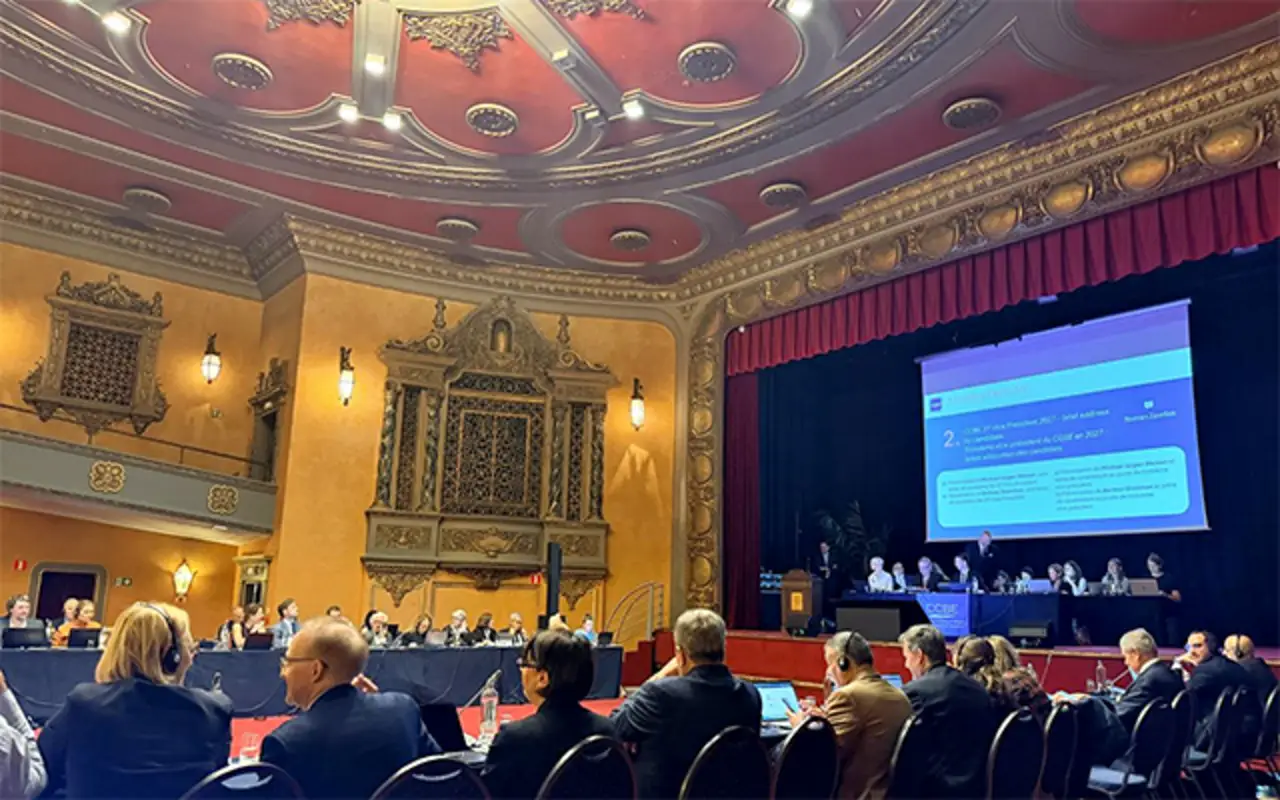
Today, October 2, a meeting of the Standing Committee of the Council of Bars and Law Societies of Europe (CCBE) is taking place in Brussels. On the agenda are the protection of the advocate profession, the rule of law, attorney-client privilege, and changes in the European justice system.
Rule of Law Roadmap
The UNBA presented the key provisions of the future law on advocacy in Brussels
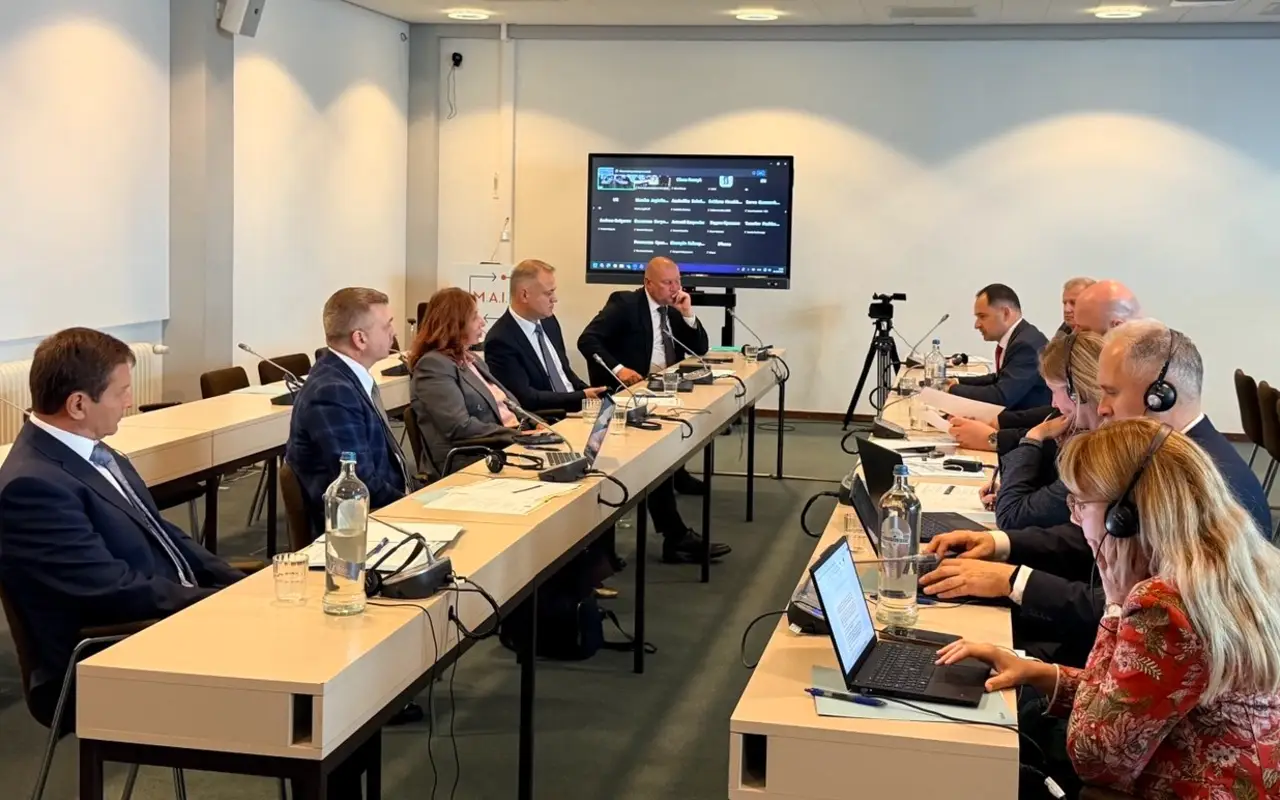
The Ukrainian National Bar Association presented its proposals for the upcoming law on advocacy, aligned with the Rule of Law Roadmap. The presentation covered topics such as access to the profession, self-governance, disciplinary procedures, professional development and guarantees for the practice of advocacy.

Discussion
First the return of assets, then subsidiary liability — an opinion
In bankruptcy cases, the legal entity’s ability to preserve and restore the financial foundation of its operations requires legal protection. In this regard, the right to solvency in which the legal entity is the aggrieved party should be an independent object of legal protection.

Educational events
Advocates were taught to voice their complaints without making accusations
In a difficult conversation, it’s easy to confuse facts with opinions, feelings with accusations, and requests with demands. How can you express dissatisfaction, explain your own needs, and propose a specific solution while still allowing your conversation partner the opportunity to refuse or suggest an alternative?
Guarantees of the practice of law
Search of an advocate's office after client's acquittal: criminal complaint filed
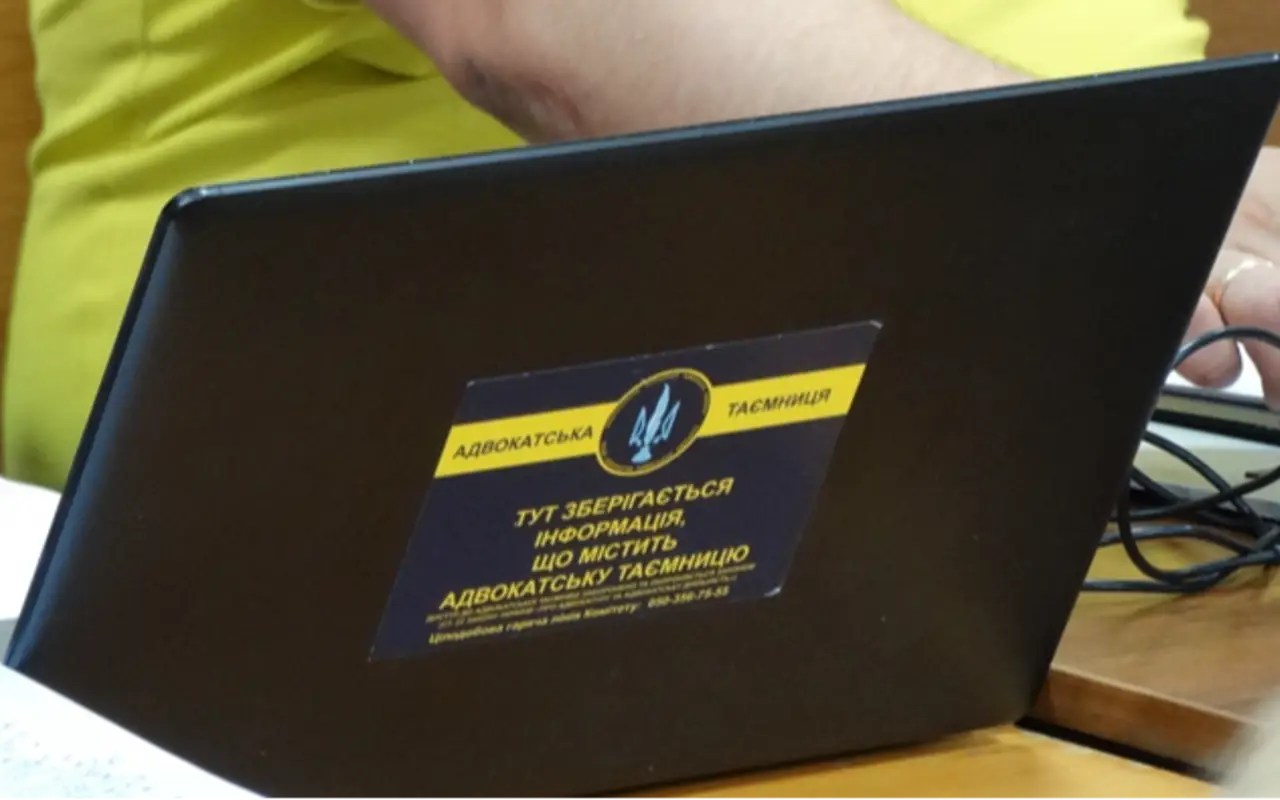
In Kyiv, law enforcement officers conducted a search of the home of an advocate who had defended a client acquitted by the court and seized materials from the advocate’s case file. The proceedings were initiated shortly after the acquittal, even though the document they were searching for was already included in the court case file.
Guarantees of the practice of law
The paradoxes of urgency: is it possible to investigate a crime before it is committed?
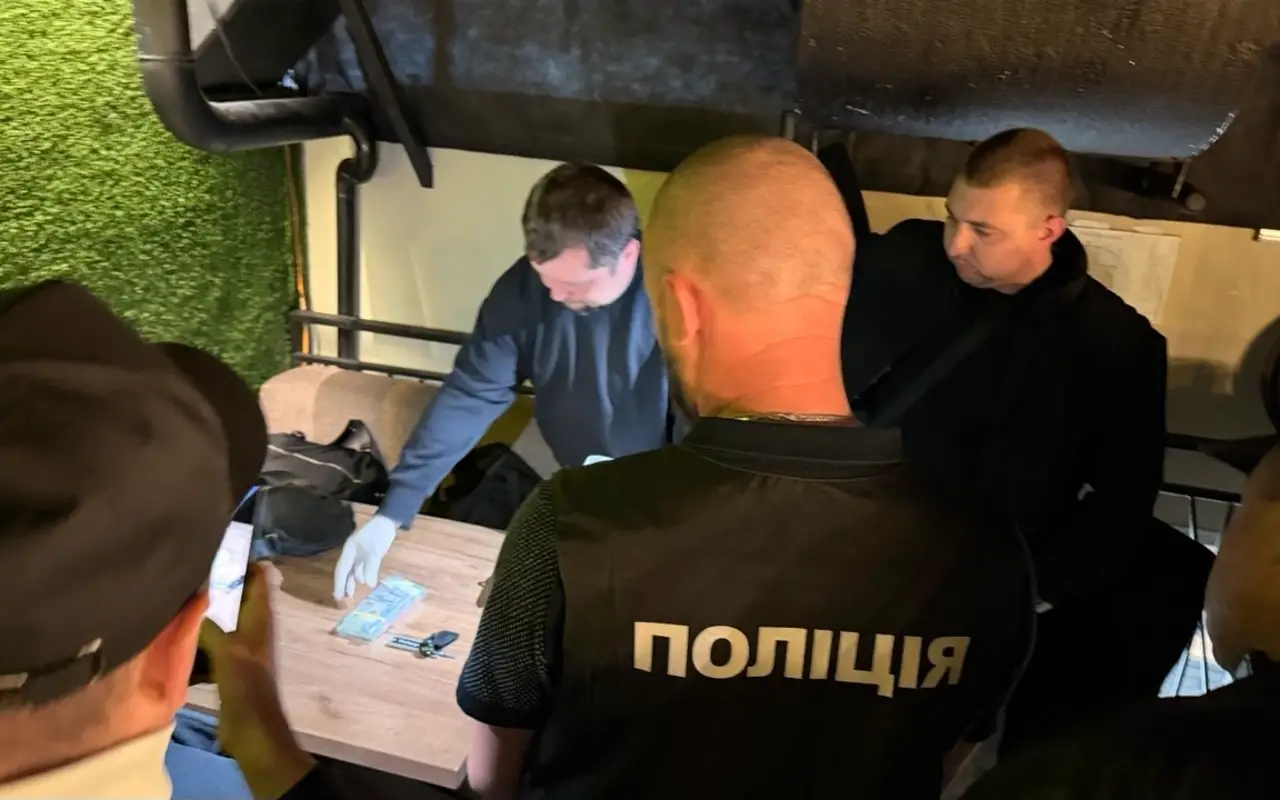
On September 24 in Kyiv, National Police officers detained an advocate during an emergency search, having caught him in the act of committing a crime. At the time, the pretrial investigation in this case had already been ongoing for more than four months.
Publications

Vasyl Kolishnyi, «Law and Business» Supporting mental health should become part of the professional culture of the Bar, - H. Udovenko

Volodymyr Matsko Extradition during wartime: when the risks outweigh the request

Volodymyr Matsko Extradition as a systemic form of rights violations

Victoria Yakusha, Law and Business The anti-corruption vertical cannot «take care» of the Bar as an institution, - acting head of the HQDCB

Censor.net Protecting advocates – protecting justice: addressing concerns about the new law

Ihor Kolesnykov A BRIEF SUMMARY REGARDING THE APPLICATION OF THE ORDER ON EXTENDED CONFISCATION IN LATVIA REGARDING FINANCIAL ASSETS OF…

Valentyn Gvozdiy WORKING IN A WAR ZONE

Lydia Izovitova Formula of perfection