


In-house or external: what should a young lawyer know?
Where should a young lawyer go to work: a law firm or an enterprise? How to set priorities, realistically assess your capabilities and maximize the use of your knowledge?
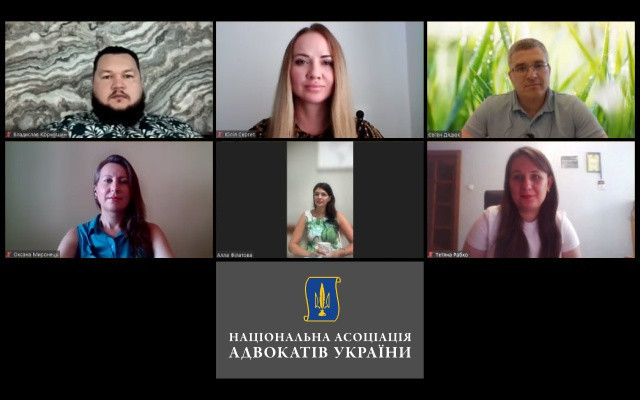
These and other issues were discussed during a panel discussion for students entitled «In-house vs. External: where to go as a lawyer? Advantages and disadvantages». The event was initiated by the UNBA NextGen.
An in-house lawyer is essentially a lawyer who works directly for a business, which is his or her main (often the only) client. Therefore, he should have a good understanding of all business processes. And, working in close proximity to the business, he or she must prevent negative consequences for the company at their initial stage. This was stated by Yevgeniy Dyadyuk, Head of Litigation and Regulatory Affairs at Metinvest Holding. His legal team in Ukraine includes more than a hundred specialists.
The lawyer drew attention to the myth that an in-house company supposedly solves absolutely all business issues. And, unlike an external consultant, it has no specialization. At the beginning of a career, especially in small businesses, a lawyer does have to advise on all issues. However, specialization is still present. Because there are always certain areas of law that you have to advise on most often. Modern realities have already made their own adjustments, and it is increasingly common to find companies where a lawyer has a specific specialization. At the same time, if necessary, they are involved in cross-functional projects.
Oksana Myronets, Associate professor of the Law Faculty of the National Aviation University, spoke about the intricacies of scientific and teaching prospects for future lawyers. She emphasized the importance of developing both information literacy and foreign language competence. The scientist presented to future lawyers and substantiated the position of the need for interest in building oneself as a professional. This is an integral element of legal work.
Alla Filatova, a representative of UNBA NextGen in Rivne Oblast, is convinced that one should not be afraid to express oneself. She emphasized the benefits of student membership in legal NGOs, as well as the importance of participating in legal events. After all, communication has always been a necessary component of a lawyer's work. Also, in the era of telecommunication superpowers, one must be able to express oneself, send resumes to law firms that may be potential employers, and try to get an internship (work experience) in government agencies to have an idea of how the system works from the inside.
It is important not only what you can bring to the legal market, but also how you enter the legal market. That's why Vladyslav Kormushyn, a representative of UNBA NextGen in Poltava region, advises developing your own brand in any case. In a highly competitive environment, it becomes a necessity, an important condition for the demand for lawyers and attorneys. A personal brand helps lawyers to increase the number of new clients, demonstrate their achievements, convey useful information, build trust and even increase the cost of services. And the necessary elements of a brand are always competence, integrity and empathy.
«The event was great: interesting topics, great speakers who were happy to share their experience. So every student got something useful for themselves», - summarized Yulia Serget, Deputy chairman of UNBA NextGen.
Popular news
Legislation
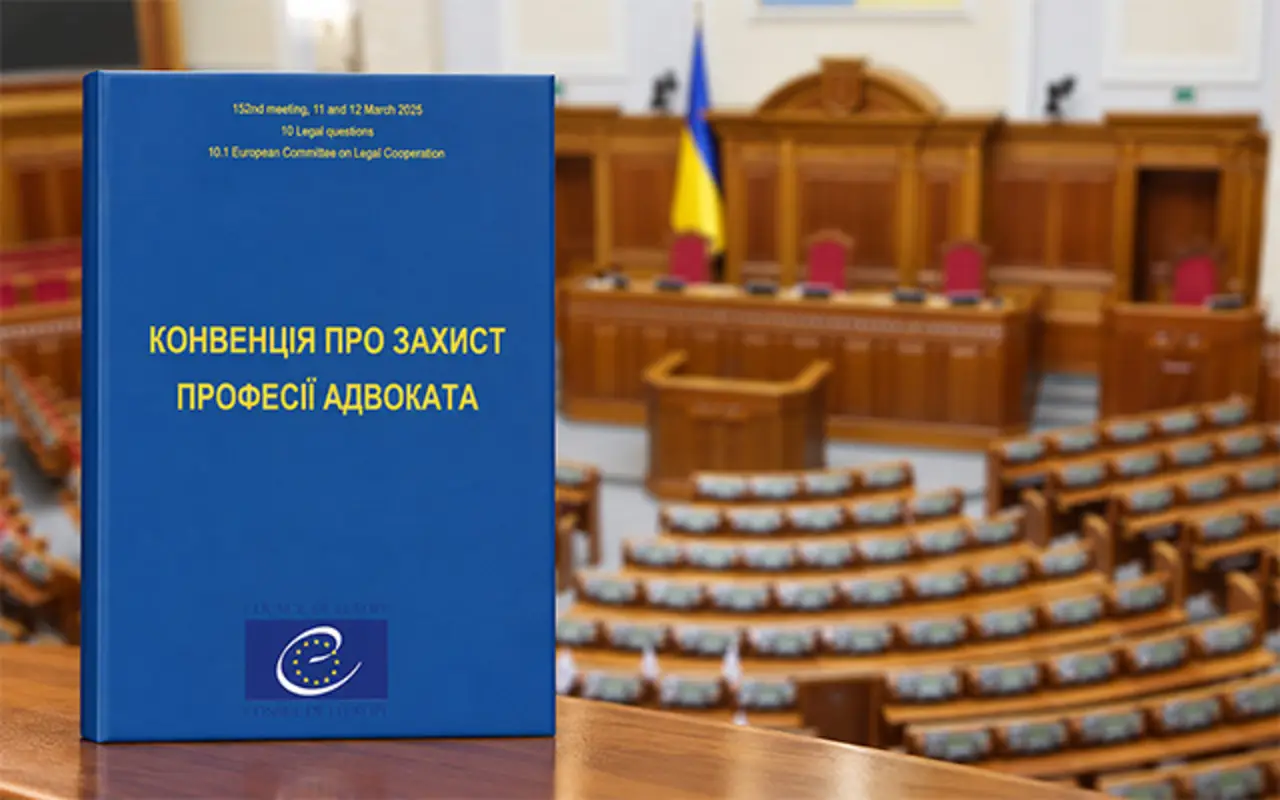
A bill implementing the Convention on the Protection of the Professions of Lawyer has been introduced
The constitutional guarantees of legal aid, defense, and the independence of advocacy cannot be realized without protecting advocates from unwarranted interference in their professional activities, including searches, the seizure of professional materials and the use of criminal procedural mechanisms to exert pressure.
Rule of Law Roadmap
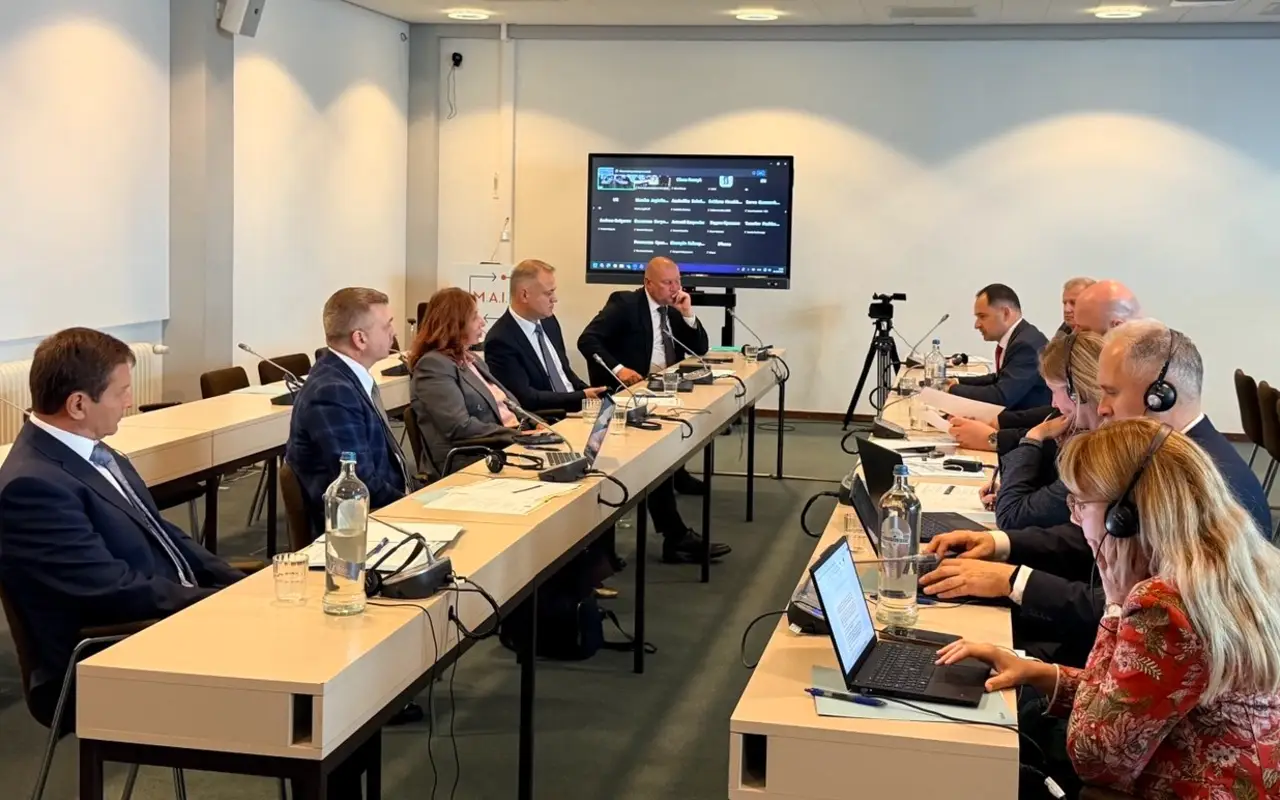
The UNBA presented the key provisions of the future law on advocacy in Brussels
The Ukrainian National Bar Association presented its proposals for the upcoming law on advocacy, aligned with the Rule of Law Roadmap. The presentation covered topics such as access to the profession, self-governance, disciplinary procedures, professional development and guarantees for the practice of advocacy.
Guarantees of the practice of law
Independent oversight is necessary before using CISA materials against an advocate – Lidiya Izovitova
Before the prosecution uses information obtained during covert investigative actions and related to an advocate’s activities, independent procedural oversight must be conducted. It is necessary to determine whether such information is covered by attorney-client privilege and whether it may be disclosed.
Self-government
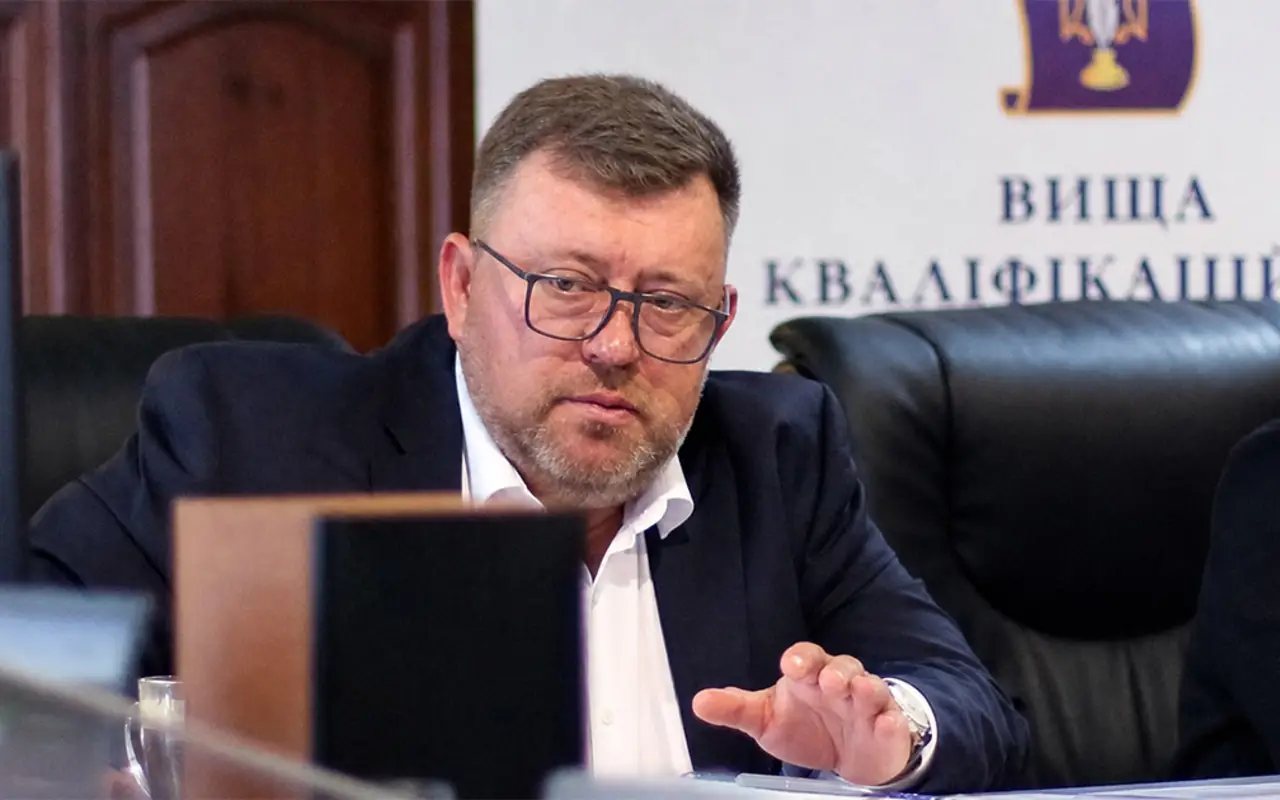
Efforts to develop advocacy must be brought to fruition — A. Misyats
The Ukrainian advocacy profession is currently going through a critical phase. Amid the war, it must ensure the continuity of legal aid, defend the independence of the profession, and improve qualification and disciplinary procedures in accordance with European standards. The work that has been started must be brought to a practical conclusion.

Support
Protecting the legal profession, cybersecurity and support for advocates: common themes for the IBA and the UNBA
On September 18, a working meeting was held at the office of the Ukrainian National Bar Association with Executive Director of the International Bar Association (IBA) Mark Ellis. The parties discussed the Ukrainian advocacy profession’s participation in European legal processes, the protection of the UNBA’s digital infrastructure, psychological support for advocates and future areas of cooperation.
Educational events
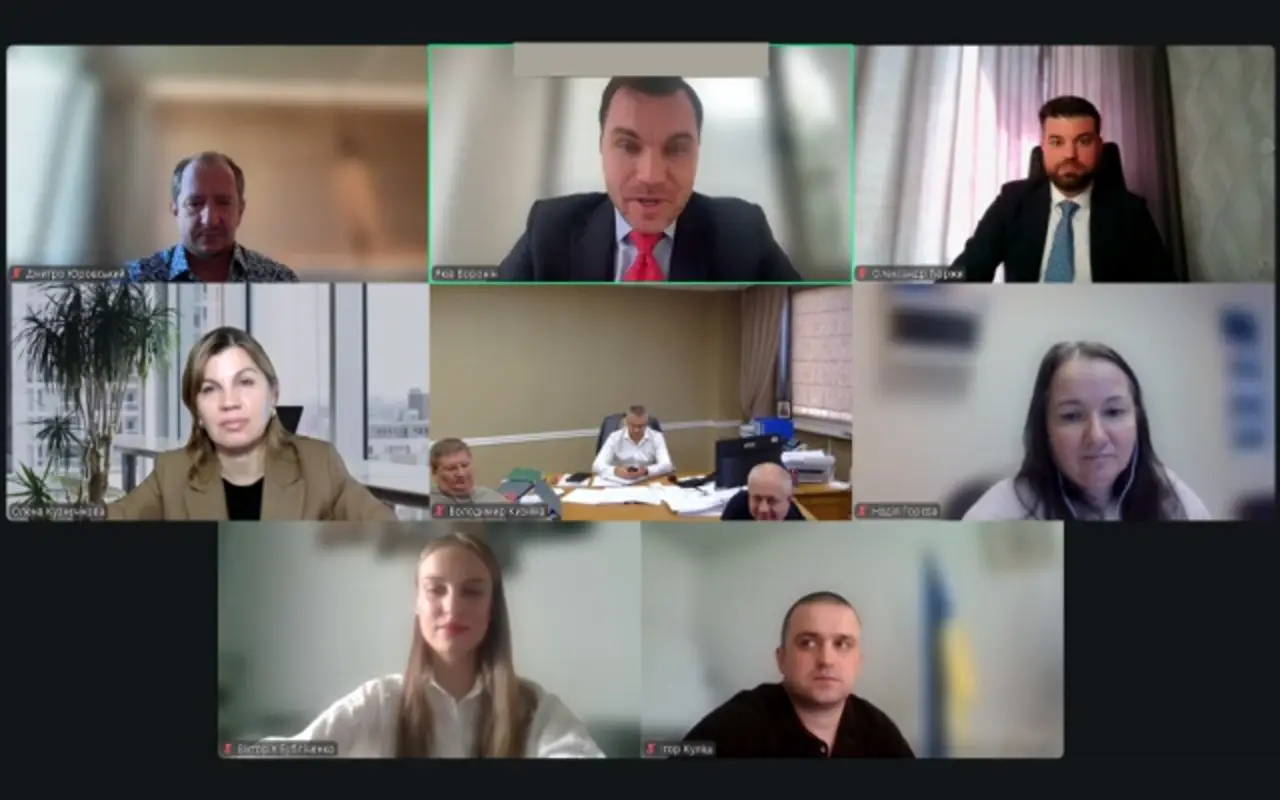
Tax residency of Ukrainians abroad: what matters
The determination of tax residency for Ukrainians who have been living abroad for an extended period depends on the combination of their personal and economic ties to each country. The established status determines the procedure for reporting income, paying taxes and fulfilling CFC reporting obligations.
War
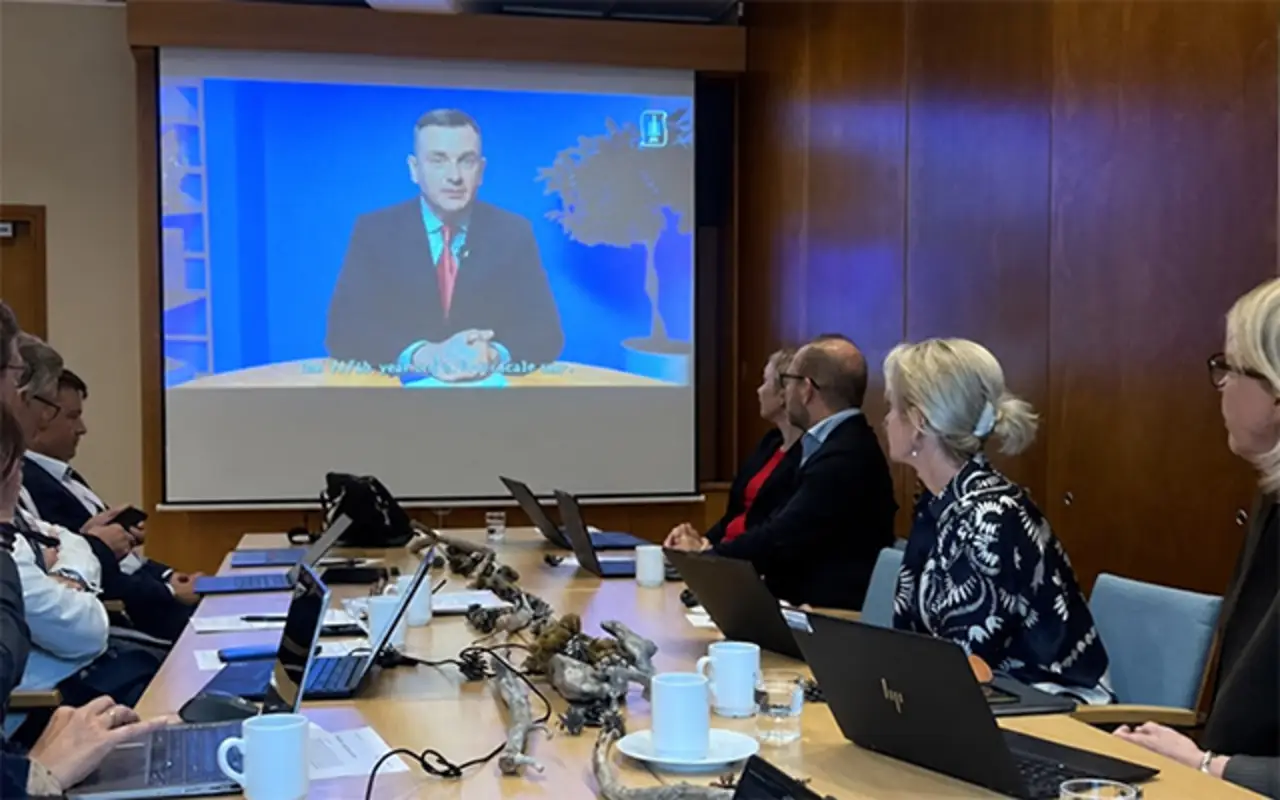
Are Europe's advocacy associations prepared for a potential war? V. Gvozdiy shared lessons from the Ukrainian experience
The continuity of the bar’s self-governance, the protection of professional registries and archives, as well as equal guarantees of employment for advocates, judges, and prosecutors must be enshrined in advance in legislation in the event of war or another emergency.
Discussion
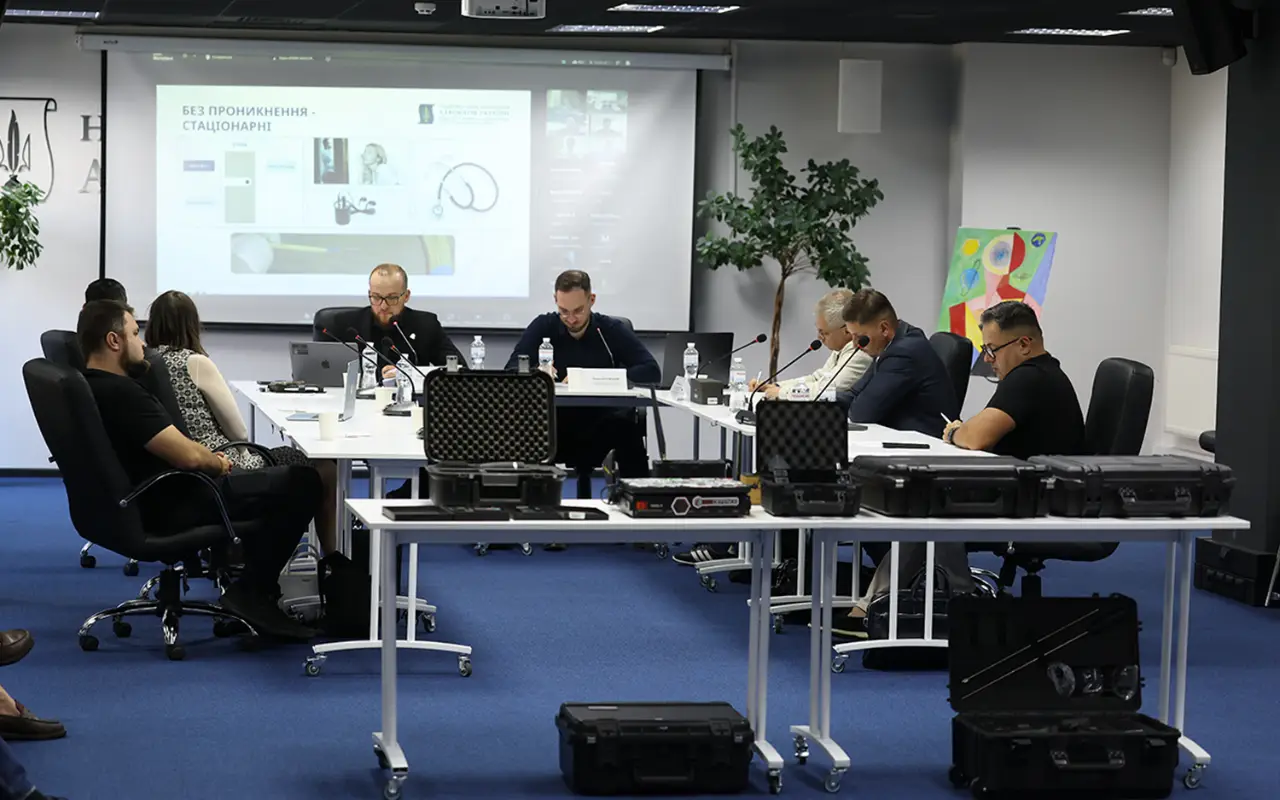
What should an advocate do after discovering a «bugging device»?
From a professional standpoint, the discovery of a device that may be covertly collecting information raises a number of practical questions: how to document the find, whom to notify of the incident and how to prevent further disclosure of attorney-client privilege.
Publications

Vasyl Kolishnyi, «Law and Business» Supporting mental health should become part of the professional culture of the Bar, - H. Udovenko

Volodymyr Matsko Extradition during wartime: when the risks outweigh the request

Volodymyr Matsko Extradition as a systemic form of rights violations

Victoria Yakusha, Law and Business The anti-corruption vertical cannot «take care» of the Bar as an institution, - acting head of the HQDCB

Censor.net Protecting advocates – protecting justice: addressing concerns about the new law

Ihor Kolesnykov A BRIEF SUMMARY REGARDING THE APPLICATION OF THE ORDER ON EXTENDED CONFISCATION IN LATVIA REGARDING FINANCIAL ASSETS OF…

Valentyn Gvozdiy WORKING IN A WAR ZONE

Lydia Izovitova Formula of perfection