


Compensation for destroyed real estate: the procedure for resuming consideration of applications will be clarified
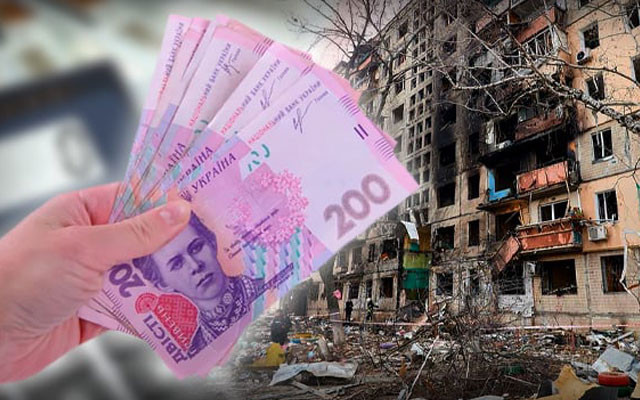
If your apartment or house has been destroyed due to hostilities, terrorist acts or sabotage caused by the armed aggression of the Russian Federation, you can expect compensation. A special commission under the local authorities considers the relevant issues. In some cases, the application may be suspended.
To improve the issue of resuming consideration of applications for compensation for destroyed real estate, the Verkhovna Rada registered a draft law dated 25.09. 2024 No. 12071 «On Amendments to Article 7 of the Law of Ukraine ‘On Compensation for Damage and Destruction of Certain Categories of Real Estate Objects as a Result of Hostilities, Terrorist Acts, Sabotage Caused by the Armed Aggression of the Russian Federation against Ukraine, and the State Register of Property Damaged and Destroyed as a Result of Hostilities, Terrorist Acts, Sabotage Caused by the Armed Aggression of the Russian Federation against Ukraine’ regarding certain issues of resumption of consideration of applications for compensation for destroyed real estate».
The document proposes to supplement the law with provisions to prevent repeated suspension of consideration of such applications. It is also intended to simplify the procedure for familiarizing victims with the decisions of the compensation commissions. Thus, if today the commission notifies its decision «in the manner in which the application was submitted», the draft law changes this to «in the manner specified by the applicant in the application and sends a copy of the decision to the applicant».
This legislative initiative was examined by the Ukrainian National Bar Association's Human Rights Committee. The lawyers noted that the current Law on Compensation contains crucial provisions that guarantee the protection and defense of human rights. Therefore, any changes under no circumstances can worsen the situation of individuals, complicate the procedure for applying the rules or create problems with the interpretation of such rules.
Article 7 of the Law, which is proposed to be amended, generally regulates the suspension and resumption of consideration of applications for compensation for destroyed real estate. In particular, it establishes the following grounds for suspension of consideration of an application by the commission:
1) failure to submit or incomplete submission of documents (information);
2) the Commission has documented information that the recipient of compensation or his/her heir has been served with a suspicion of committing a criminal offense under Section I «Crimes against the foundations of national security of Ukraine» of the Special Part of the Criminal Code.
The main idea is that in order to facilitate the restoration of violated human rights, the Commission does not refuse to consider the relevant application if there are grounds, but only suspends its consideration so that the relevant grounds can be eliminated.
Given that these grounds may in some cases be eliminated by the applicant himself, it is crucial that such an applicant is duly informed of the decision and its content, including the reasons that prompted the Commission to suspend consideration.
Therefore, in this case, the problem of legislative regulation is the method of informing the applicant about the suspension of consideration of his application and sending him a copy of the decision.
The methods of submitting an application are established by part 2 of Article 4 of the Law - an application for compensation for the destroyed real estate may be submitted to the Commission:
1) in electronic form - by means of the Unified State Web Portal of Electronic Services;
2) in paper form - through an administrative service center, social protection authority or notary.
At the same time, as the authors of the draft law correctly noted, the provision on notifying the applicant in the manner in which the application was submitted does not take into account possible changes in the applicant's circumstances, which may complicate the receipt of the notification.
At the same time, the applicant's receipt of a copy of the decision is a fundamentally important step, given that the person should be able to find out the grounds for the decision and the opportunity to quickly remedy the situation and, if possible, exclude the existence of the relevant circumstances.
Therefore, the change in the form of notification of the decision made by the Commission is justified and will contribute to the protection of human rights, the UNBA Committee is convinced.
As for the suspension of the application, all the circumstances that may lead to such a decision are immediately known. However, when these circumstances completely disappear, the procedure is resumed, which generally excludes the possibility of the same grounds reappearing. Therefore, the proposal to introduce a ban on repeated suspension is also appropriate, as it will facilitate the speedy restoration of violated human rights.
Popular news
Legislation
A bill implementing the Convention on the Protection of the Professions of Lawyer has been introduced
The constitutional guarantees of legal aid, defense, and the independence of advocacy cannot be realized without protecting advocates from unwarranted interference in their professional activities, including searches, the seizure of professional materials and the use of criminal procedural mechanisms to exert pressure.
Abroad
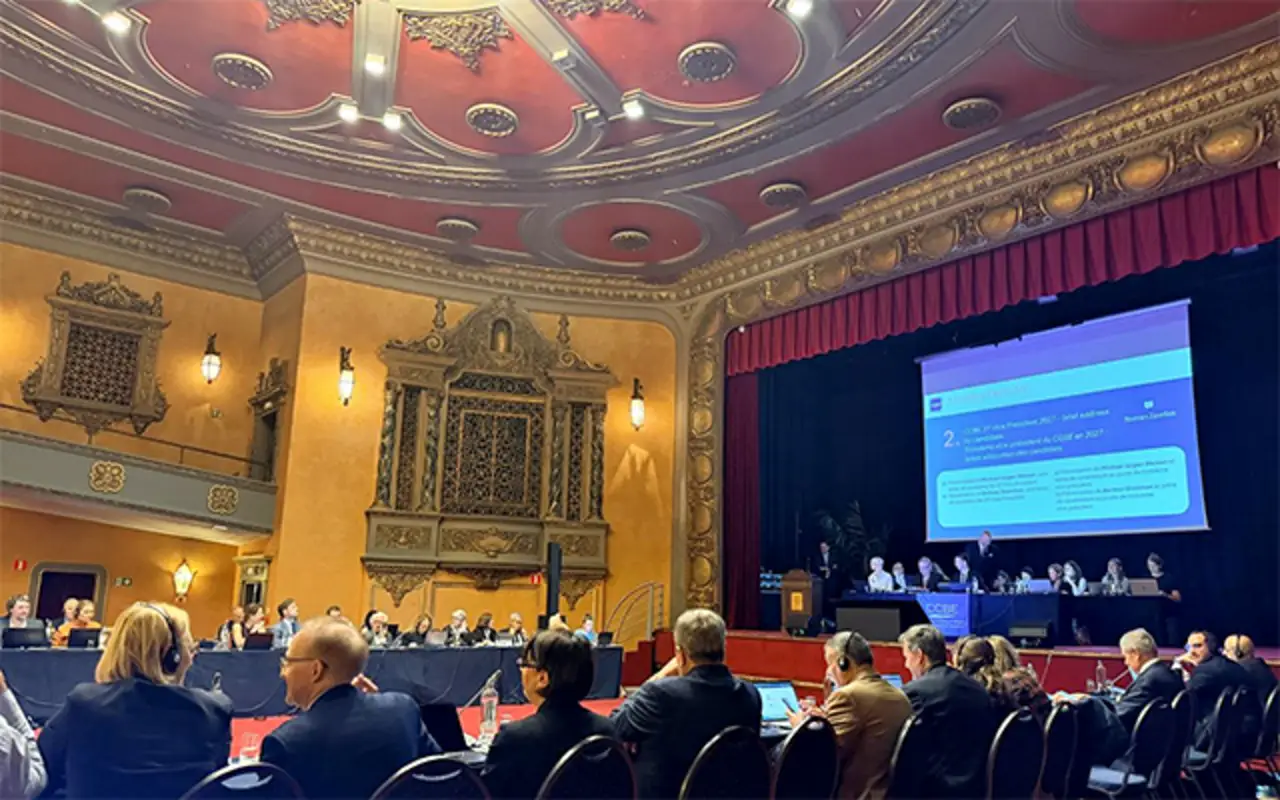
The CCBE is discussing European justice and issues related to the protection of advocates
Today, October 2, a meeting of the Standing Committee of the Council of Bars and Law Societies of Europe (CCBE) is taking place in Brussels. On the agenda are the protection of the advocate profession, the rule of law, attorney-client privilege, and changes in the European justice system.
Rule of Law Roadmap
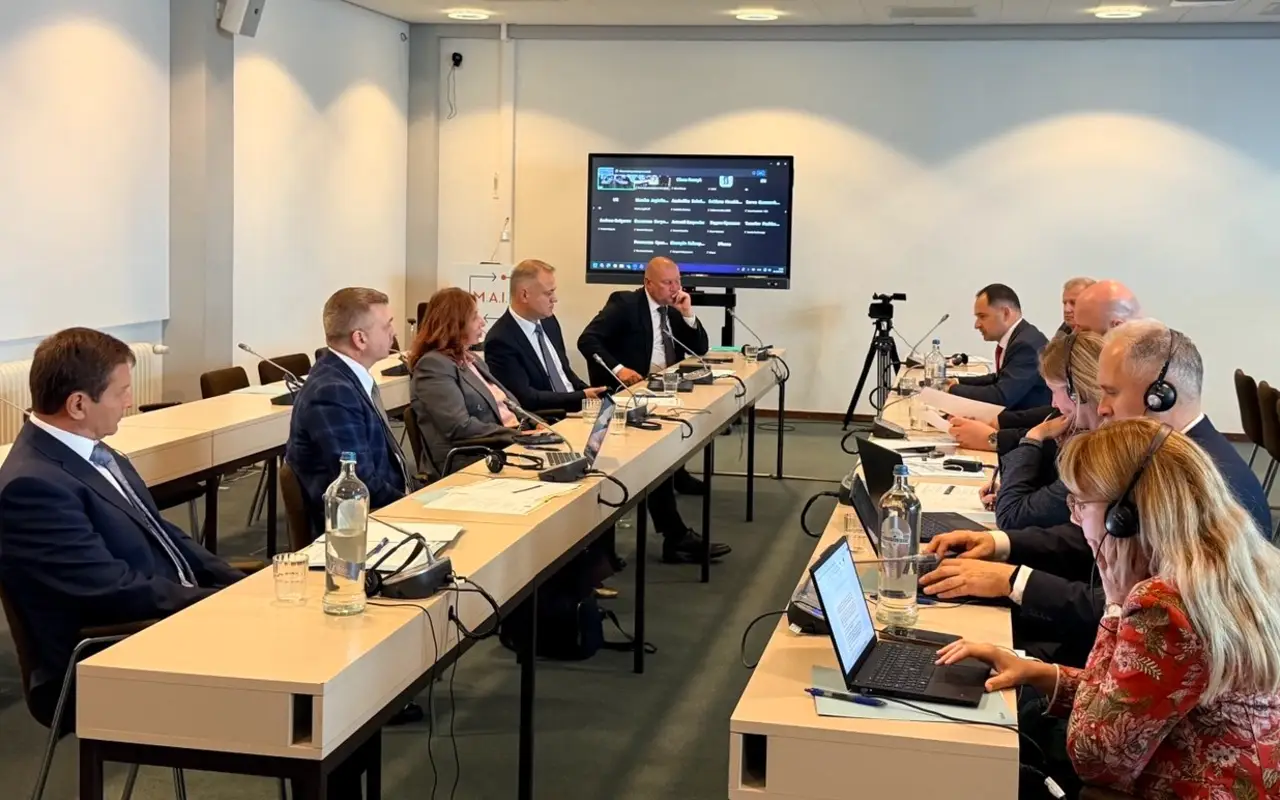
The UNBA presented the key provisions of the future law on advocacy in Brussels
The Ukrainian National Bar Association presented its proposals for the upcoming law on advocacy, aligned with the Rule of Law Roadmap. The presentation covered topics such as access to the profession, self-governance, disciplinary procedures, professional development and guarantees for the practice of advocacy.
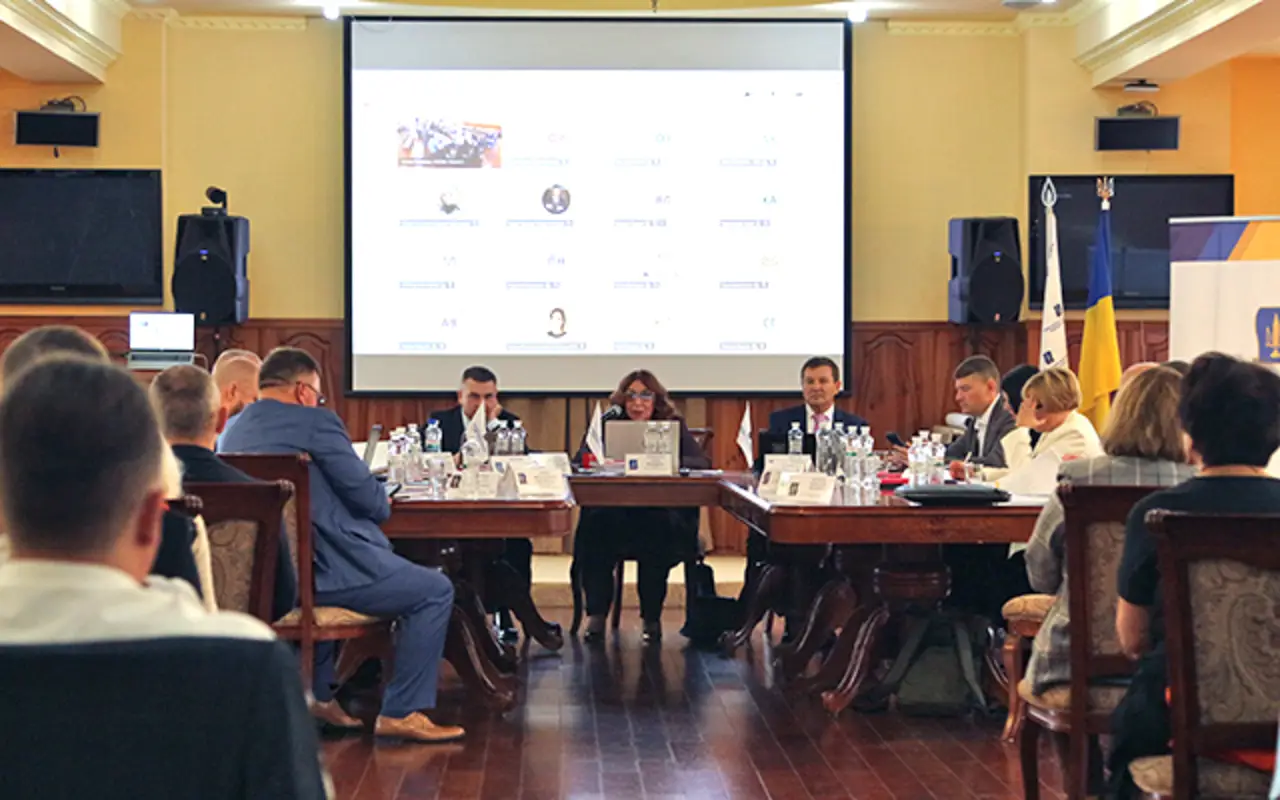
Guarantees of the practice of law
Independent oversight is necessary before using CISA materials against an advocate – Lidiya Izovitova
Before the prosecution uses information obtained during covert investigative actions and related to an advocate’s activities, independent procedural oversight must be conducted. It is necessary to determine whether such information is covered by attorney-client privilege and whether it may be disclosed.
Self-government
Efforts to develop advocacy must be brought to fruition — A. Misyats
The Ukrainian advocacy profession is currently going through a critical phase. Amid the war, it must ensure the continuity of legal aid, defend the independence of the profession, and improve qualification and disciplinary procedures in accordance with European standards. The work that has been started must be brought to a practical conclusion.
Support
Protecting the legal profession, cybersecurity and support for advocates: common themes for the IBA and the UNBA
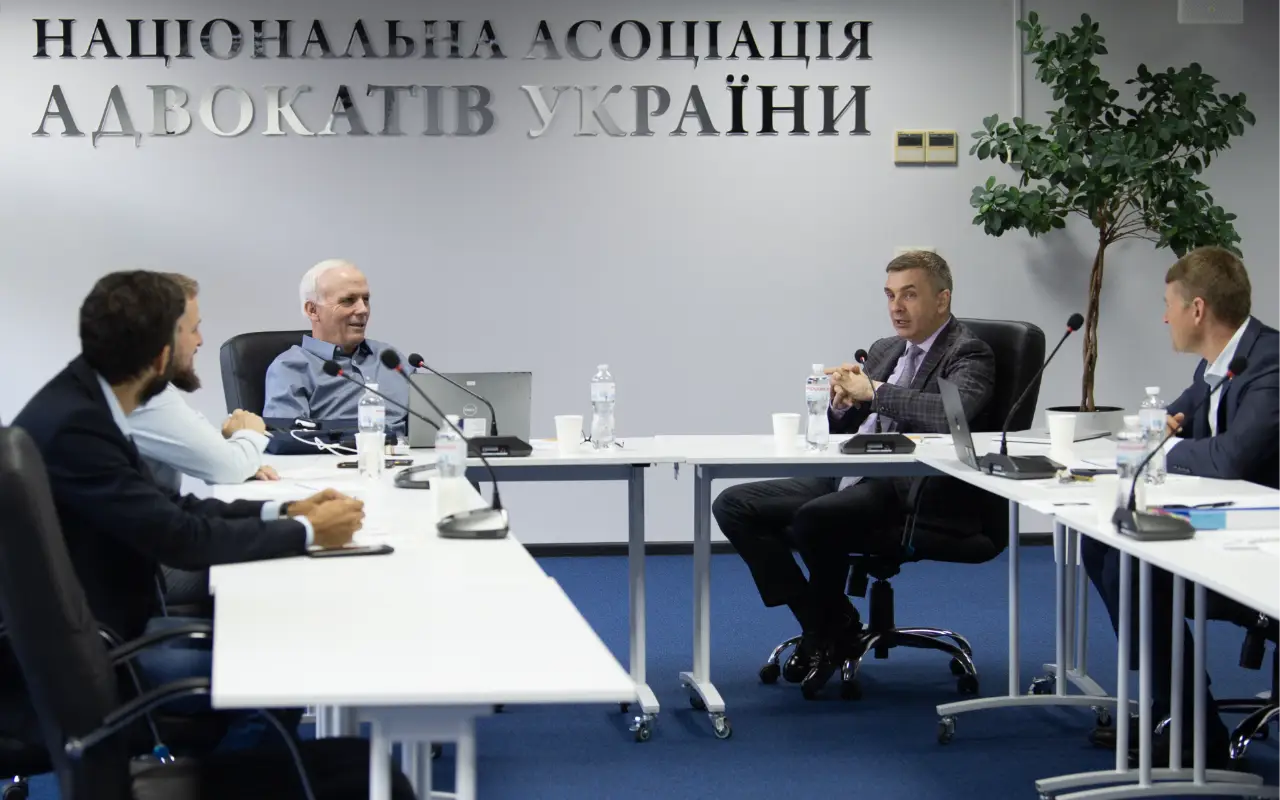
On September 18, a working meeting was held at the office of the Ukrainian National Bar Association with Executive Director of the International Bar Association (IBA) Mark Ellis. The parties discussed the Ukrainian advocacy profession’s participation in European legal processes, the protection of the UNBA’s digital infrastructure, psychological support for advocates and future areas of cooperation.
Educational events
Not every eloquent phrase is persuasive: how an advocate should choose a speaking style
Rhetorical techniques are effective when they are tailored to the audience, the situation, and the purpose of the speech. Therefore, before speaking, an advocate should determine what message the court, client, or audience needs to hear and remember, and then choose the appropriate structure, examples, quotes and tone.
Educational events
Tax residency of Ukrainians abroad: what matters
The determination of tax residency for Ukrainians who have been living abroad for an extended period depends on the combination of their personal and economic ties to each country. The established status determines the procedure for reporting income, paying taxes and fulfilling CFC reporting obligations.
Publications

Vasyl Kolishnyi, «Law and Business» Supporting mental health should become part of the professional culture of the Bar, - H. Udovenko

Volodymyr Matsko Extradition during wartime: when the risks outweigh the request

Volodymyr Matsko Extradition as a systemic form of rights violations

Victoria Yakusha, Law and Business The anti-corruption vertical cannot «take care» of the Bar as an institution, - acting head of the HQDCB

Censor.net Protecting advocates – protecting justice: addressing concerns about the new law

Ihor Kolesnykov A BRIEF SUMMARY REGARDING THE APPLICATION OF THE ORDER ON EXTENDED CONFISCATION IN LATVIA REGARDING FINANCIAL ASSETS OF…

Valentyn Gvozdiy WORKING IN A WAR ZONE

Lydia Izovitova Formula of perfection