


Updating the jury trial model: pro or con?
The new model of jury trial, which was recently approved as a basis by the Verkhovna Rada of Ukraine, is causing a lot of controversy in the professional community. After all, there are reasonable doubts about its compliance with Ukrainian realities.
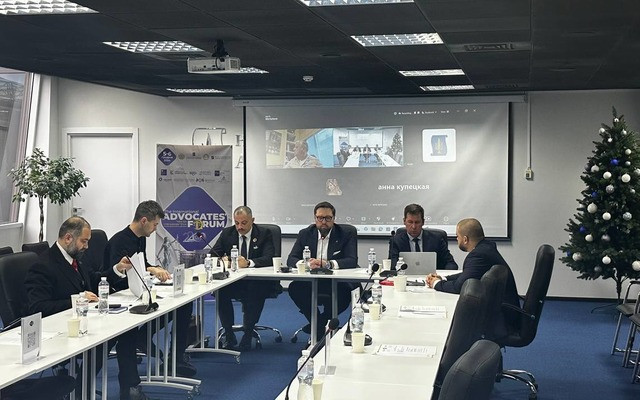
Draft Law No. 3843 of 14.07.2020 «On Trial by Jury» was the subject of discussion at a roundtable organized and held by the Ukrainian National Bar Association Committee on Information Policy and Media Relations.
The draft law defines the jurisdiction, composition of the jury, regulates the procedure for forming the jury and requirements for a juror, establishes his or her rights and obligations, the grounds and procedure for discharging a juror from his or her duties, the mechanism for removing a juror and replacing the dismissed juror with a substitute. It also outlines the main issues to be resolved by the jury, the procedure for deliberation and voting when reaching a verdict, defines the types of decisions of the presiding judge in the jury, the grounds for appealing the jury verdict, guarantees of rights and material and financial support, etc.
According to the chosen model, the jury will consist of one professional judge and a jury of eight people. The jurors will be selected by random automated selection from among the citizens of Ukraine who permanently reside in the respective judicial district and meet the established requirements.
The professional judge will act as a procedural presiding officer in the court session, but will not participate in the decision of the jury on the merits of the charges. A guilty verdict will be reached if at least seven out of eight jurors vote in favor of it. This verdict is final, and the judge has no right to change it. An acquittal may be appealed only if the jury selection procedure is violated.
Jury trials in Ukraine will be used in criminal proceedings for the most serious crimes punishable by life imprisonment.
The jury will have the right to decide solely on the guilt or innocence of the accused. A guilty verdict requires at least seven out of eight jurors to vote in favor. Acquittals may be appealed only if the jury selection procedure was violated.
Jurors will be provided with guarantees of immunity similar to those of judges for the duration of their duties in court, including protection from pressure or harassment. They will receive remuneration at the level of the salary of a local court judge, as well as reimbursement of travel, housing and per diem expenses.
Hryhoriy Mamka, Deputy Chairman of the Verkhovna Rada Committee on Law Enforcement, assured that parliamentarians are ready to finalize the draft and make amendments to it from lawyers. The MP also noted that this draft should be considered in conjunction with another draft No. 3845 of 14.07.2020 «On Amendments to Certain Legislative Acts of Ukraine in connection with the adoption of the Law of Ukraine «On Trial by Jury», and promised to support the bar so that its opinion could be heard by lawmakers.
Ilya Novikov, a lawyer at the International Criminal Court and an expert on the organization of jury trials, said that jury trials are his passion and he has over 20 years of experience working with them as a lawyer. But, in his opinion, the concept of the draft law is stillborn. The model of a full-fledged jury would be more effective, i.e. a panel of five citizens without professional ties to the judicial system, who consider a criminal case separately from judges and without their presence in the deliberation room. The expert warned that such a model would increase the number of acquittals and may cause public outrage, but it is the most objective and independent.
Attorney Oleksandr Tananakin partially supported his colleague's position. He believes that the current version of the draft law will not be adopted, as it contains many discrepancies between real life and the model described by parliamentarians. With such a jury trial, the case will be reduced solely to an assessment of the oratory of the parties and the fate of a person will be decided solely through the prism of the jury's subjective preference for speeches, as if in a theater.
Denys Ponomarenko, Chairman of the Committee on Criminal Law and Procedure of the Bar Council of Odesa Region, has proven to be a supporter of the classic jury trial. He does not support the current model of three people and two professional judges, which is provided for in the Criminal Procedure Code. The lawyer drew parallels through the historical aspect and analyzed the shortcomings of the past.
Oleksiy Shevchuk, Chairman of the UNBA Committee on Information Policy and Media Relations, emphasized that a temporary working group will be created on the basis of the UNBA to study the issue of jury trial in Ukraine. This is an important initiative. At the same time, draft law No. 3843 raises controversial issues, in particular, the election of jurors, their anti-corruption protection and their inseparability from the judicial process.
Popular news
Legislation
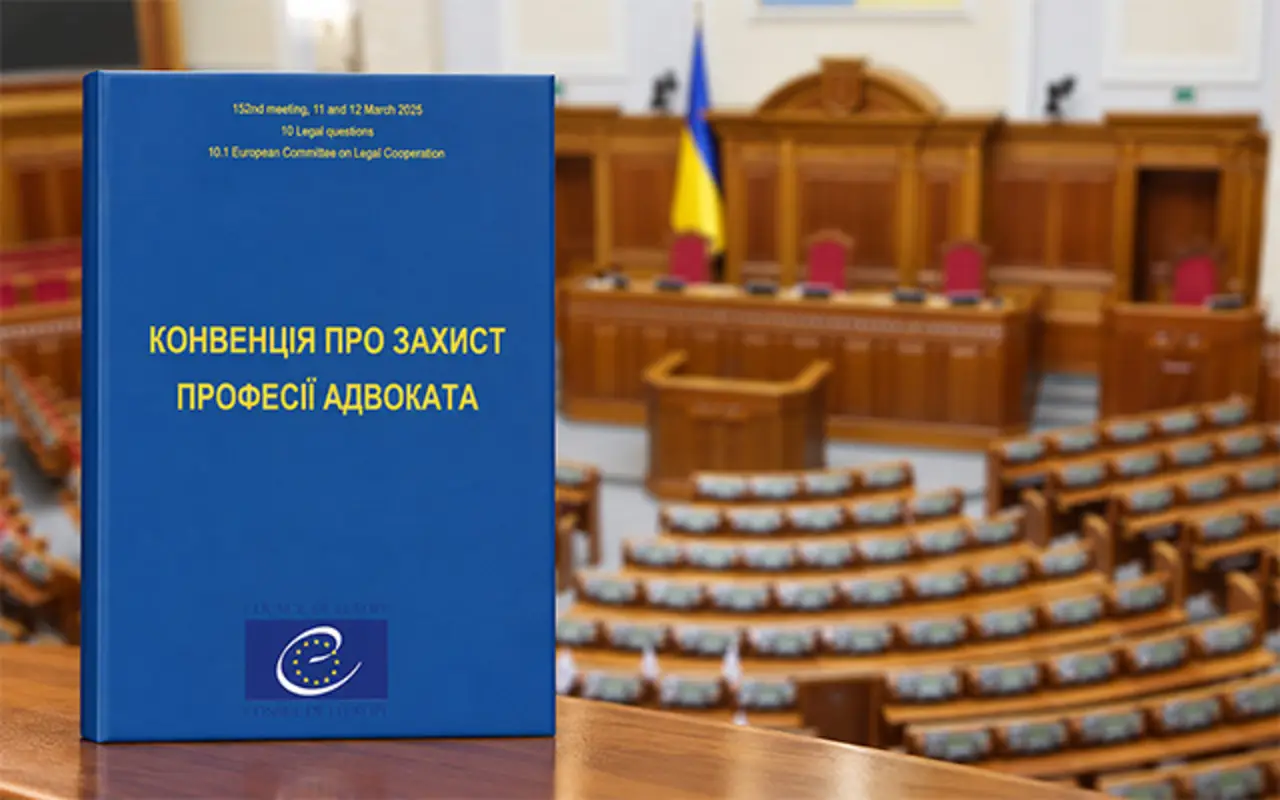
A bill implementing the Convention on the Protection of the Professions of Lawyer has been introduced
The constitutional guarantees of legal aid, defense, and the independence of advocacy cannot be realized without protecting advocates from unwarranted interference in their professional activities, including searches, the seizure of professional materials and the use of criminal procedural mechanisms to exert pressure.
Abroad
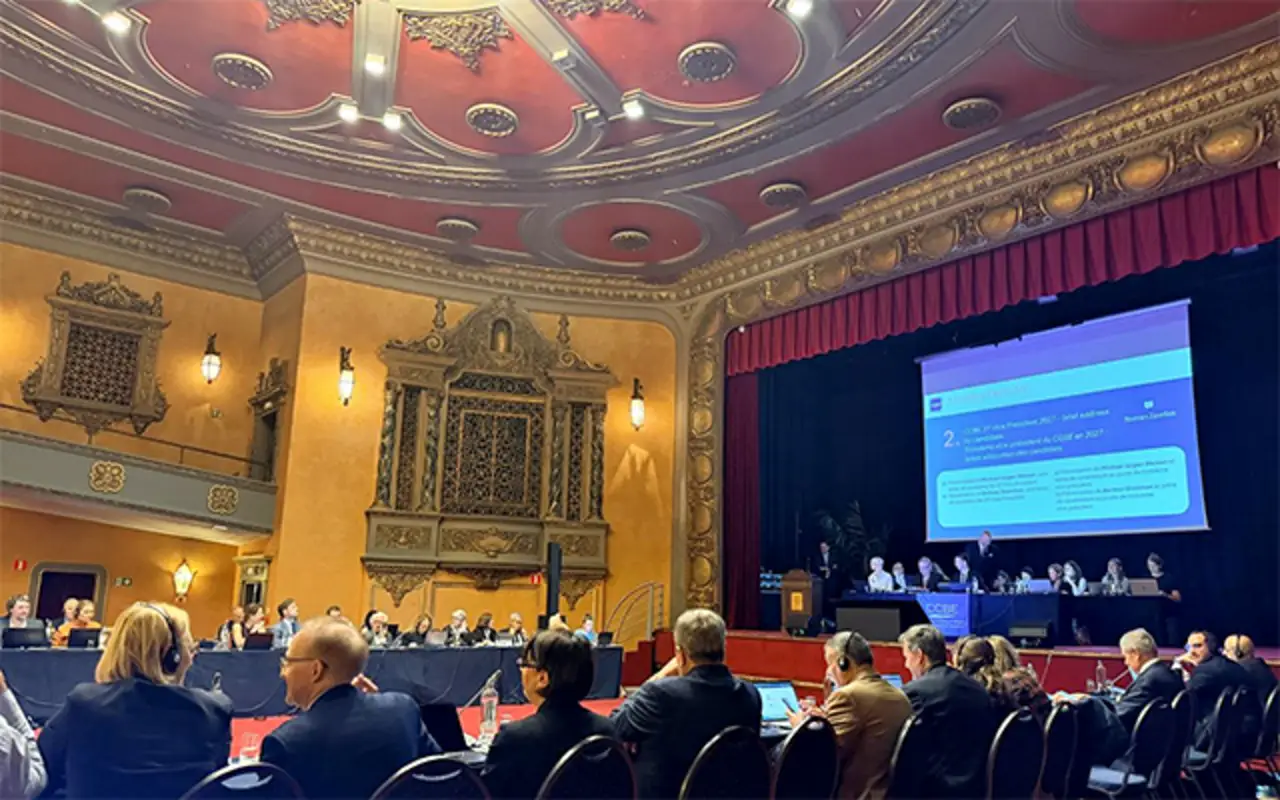
The CCBE is discussing European justice and issues related to the protection of advocates
Today, October 2, a meeting of the Standing Committee of the Council of Bars and Law Societies of Europe (CCBE) is taking place in Brussels. On the agenda are the protection of the advocate profession, the rule of law, attorney-client privilege, and changes in the European justice system.
Rule of Law Roadmap
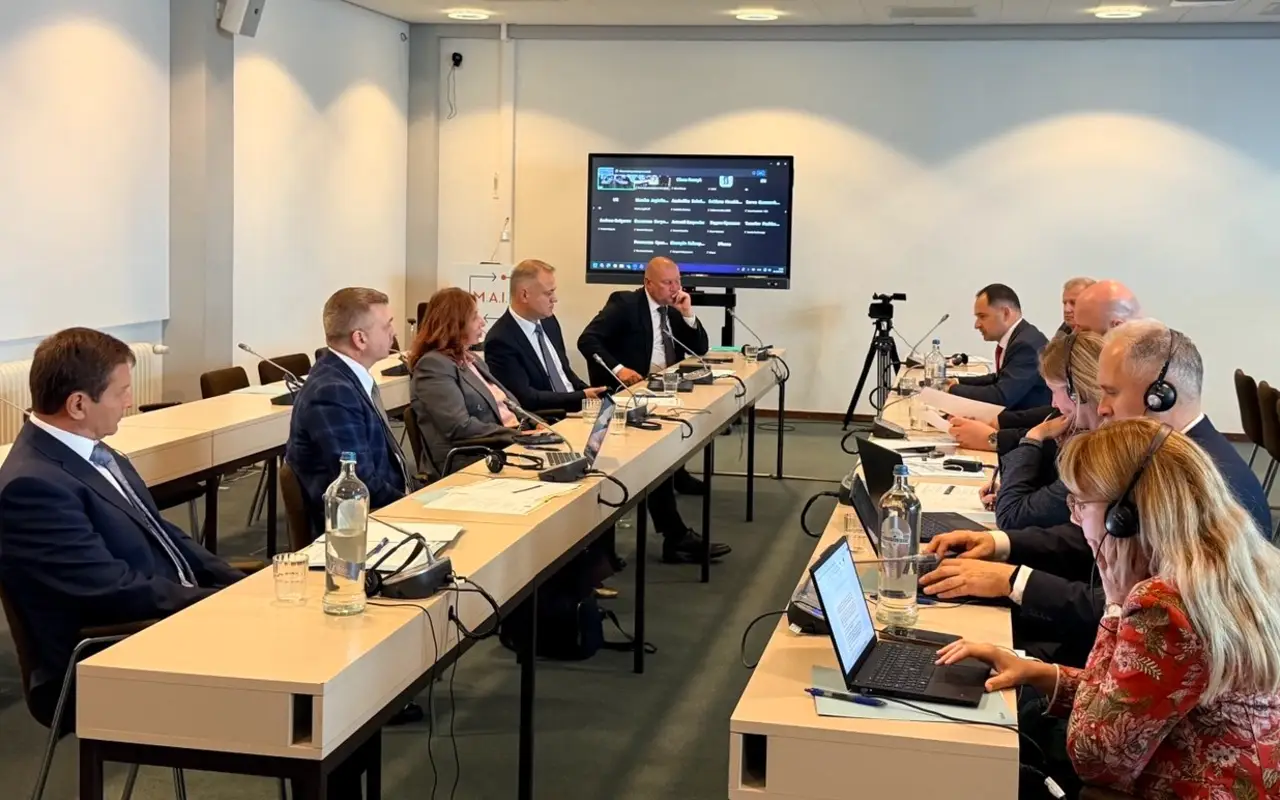
The UNBA presented the key provisions of the future law on advocacy in Brussels
The Ukrainian National Bar Association presented its proposals for the upcoming law on advocacy, aligned with the Rule of Law Roadmap. The presentation covered topics such as access to the profession, self-governance, disciplinary procedures, professional development and guarantees for the practice of advocacy.
Educational events
Advocates were taught to voice their complaints without making accusations
In a difficult conversation, it’s easy to confuse facts with opinions, feelings with accusations, and requests with demands. How can you express dissatisfaction, explain your own needs, and propose a specific solution while still allowing your conversation partner the opportunity to refuse or suggest an alternative?
Guarantees of the practice of law
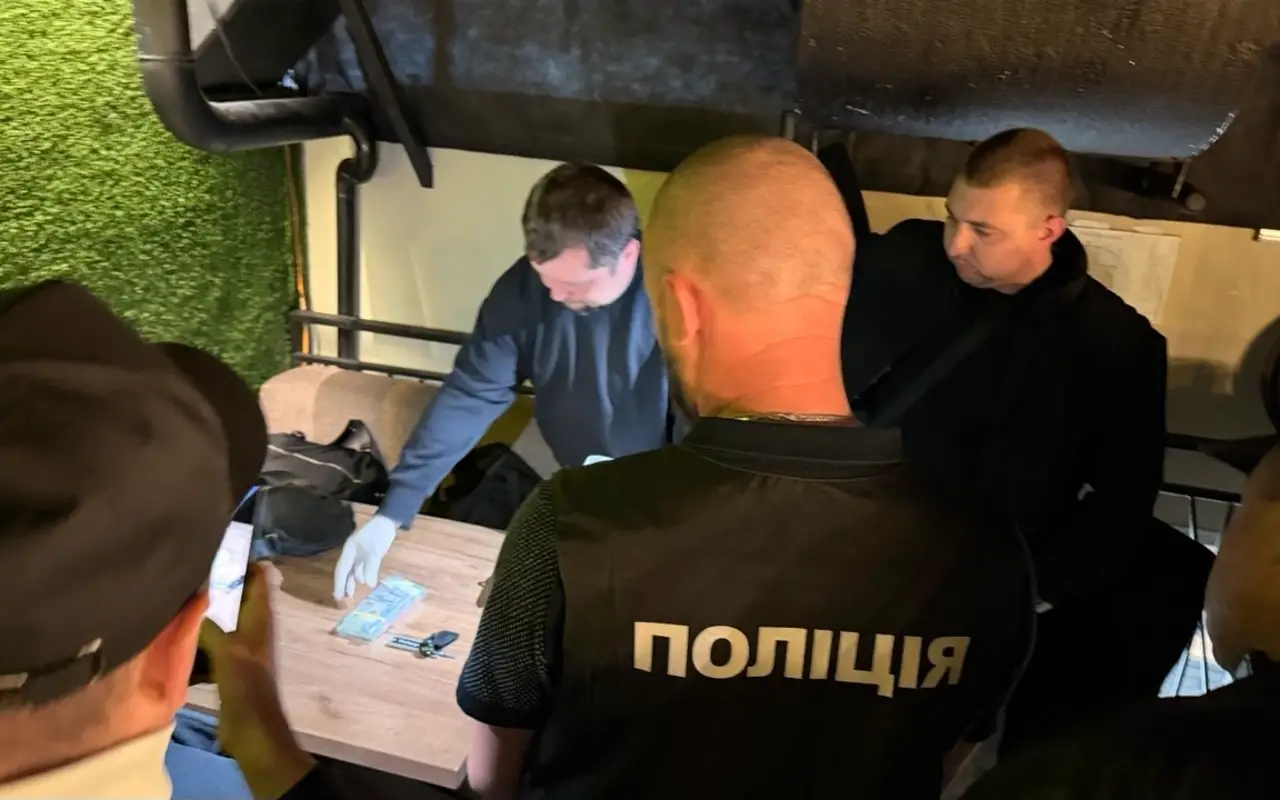
The paradoxes of urgency: is it possible to investigate a crime before it is committed?
On September 24 in Kyiv, National Police officers detained an advocate during an emergency search, having caught him in the act of committing a crime. At the time, the pretrial investigation in this case had already been ongoing for more than four months.
Guarantees of the practice of law
Unrestricted access to advocates' accounts poses a risk of client data disclosure — BCU
Information regarding transactions in the bank accounts of an advocate, a law firm, or a bar association from which clients can be identified, as well as the fact and subject matter of a request for legal assistance, the purpose of payments, and the amount of the fee constitutes attorney-client privilege. This rule applies regardless of whether the information also constitutes banking information and is in the possession of a bank.
Guarantees of the practice of law
The contract provides for a video conference, but the court requires in-person appearance: how should an advocate proceed?
Many advocates today work remotely; therefore, their agreements with clients provide for the provision of legal assistance via videoconferencing. However, this form of work does not, in and of itself, create an unconditional obligation for the court to conduct every hearing via videoconference.
Edition
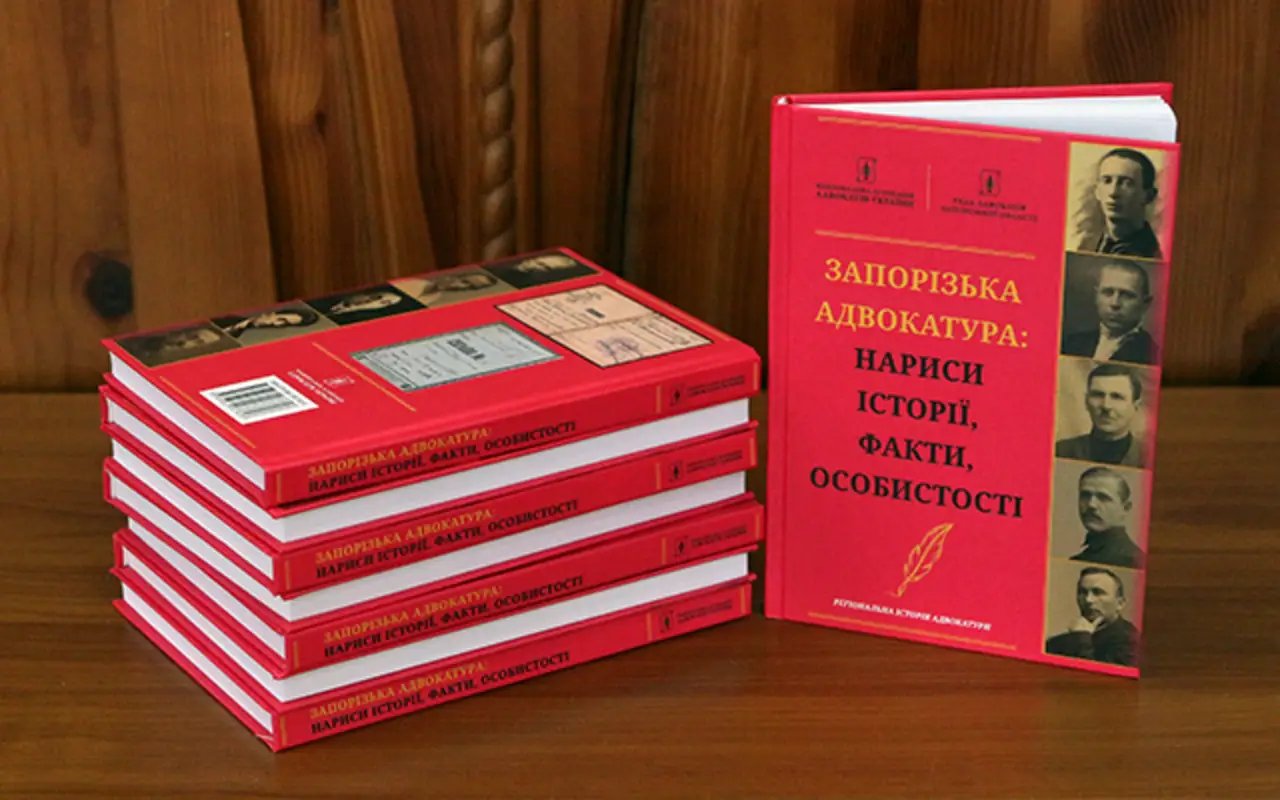
From Oleksandrivsk to the soviet repressions: a book on the history of the Zaporizhzhia advocacy is presented
The book «The Zaporizhzhia advocacy: historical essays, facts and figures» — the fourth volume in the series «Regional history of the advocacy» has been published. The authors trace the formation and development of the bar in the Zaporizhzhia region from the late 19th through the 20th centuries.
Publications

Vasyl Kolishnyi, «Law and Business» Supporting mental health should become part of the professional culture of the Bar, - H. Udovenko

Volodymyr Matsko Extradition during wartime: when the risks outweigh the request

Volodymyr Matsko Extradition as a systemic form of rights violations

Victoria Yakusha, Law and Business The anti-corruption vertical cannot «take care» of the Bar as an institution, - acting head of the HQDCB

Censor.net Protecting advocates – protecting justice: addressing concerns about the new law

Ihor Kolesnykov A BRIEF SUMMARY REGARDING THE APPLICATION OF THE ORDER ON EXTENDED CONFISCATION IN LATVIA REGARDING FINANCIAL ASSETS OF…

Valentyn Gvozdiy WORKING IN A WAR ZONE

Lydia Izovitova Formula of perfection