


The peculiarities of publishing decisions of the QDCB were explained by the BCU

According to the Law on Access to Public Information, managers of such information are obliged to publish the acts they adopt. At the same time, the decisions made by the qualification and disciplinary commissions of the bar contain both attorney-client privilege and personal data.
The Bar Council of Ukraine provided its explanation at the request of the Odesa Oblast QDCB regarding the peculiarities of publishing acts of individual action (decisions) adopted by the regional QDCB and its chambers.
The BCU emphasized that adherence to the principle of confidentiality is a necessary and crucial prerequisite for a trusting relationship between a lawyer and a client, without which it is impossible to provide proper professional legal assistance, defense and representation. Therefore, maintaining the confidentiality of any information that is defined as the subject of the attorney-client privilege or constitutes personal data about an individual is, on the one hand, the right of the advocate in relations with all subjects of law who may require disclosure of such information, and, on the other hand, an obligation towards the client and those persons to whom this information relates.
And the Rules of Professional Conduct expressly prohibit the disclosure of information constituting the attorney-client privilege under any circumstances, including unlawful attempts by pre-trial investigation authorities and the court to question the attorney about the circumstances constituting the attorney-client privilege.
Personal data is classified as confidential information. In accordance with the Law «On Personal Data Protection», their dissemination without the consent of the personal data subject or his/her authorized person is allowed only in cases specified by law. And only in the interests of national security, economic welfare, human rights and for the purpose of conducting the All-Ukrainian Population Census. Protection of personal data is ensured by the party that disseminates this data.
The decisions of the qualification and disciplinary commissions of the Bar, which are made in the exercise of their powers, may contain confidential information that is not subject to disclosure in accordance with the Law «On Protection of Personal Data», attorney-client privilege within the meaning of the Law «On the Bar and Practice of Law», the disclosure of which is prohibited, proprietary information that is information with limited access, etc.
It is the information manager's responsibility to determine whether or not there are grounds for restricting access to information. The managerial will of the public information administrator in the form of denial or restriction of access to information must be motivated by the criteria for restricting information in accordance with the provisions of Article 6 of the Law «On Access to Public Information» (the so-called three-part test) and Article 3(1) and (2) of the Council of Europe Convention on Access to Official Documents.
At the same time, information is subject to restricted access, not a document. If a document contains information with restricted access, information with unrestricted access is provided for review. That is, in this case, a copy of the document is provided in accordance with the procedure established by law, with the part of the information to which access is restricted being closed (deleted or retouched (leaving the relevant sections blank).
Therefore, the Higher Qualification and Disciplinary Commission of the Bar and the qualification and disciplinary commissions of the regional bar, when publishing (disseminating) information that is legally the subject of attorney-client privilege or confidential information, must ensure compliance with the requirements of the legislatively established regime for the protection of attorney-client privilege and confidential information by removing restricted information by retouching or otherwise, as well as taking into account all the requirements of the «three-part test».
The Decision of the Bar Council of Ukraine dated 21.06.2024 No. 46 «On Consideration of the Appeal of the Head of the Qualification and Disciplinary Commission of the Bar of Odesa Region N. Rudnytska» can be viewed at the link.
As a reminder, on August 14, representatives of the Office of the Ukrainian Parliament Commissioner for Human Rights conducted a training on «Application of the three-part test in the activities of bar self-government bodies in access to public information» for the Secretariat of the Ukrainian National Bar Association and the Bar Qualification and Disciplinary Commissions.
Popular news

Guarantees of the practice of law
Guarantees for advocacy without protective measures: proposed changes to the codes
The current law sets forth the rights and guarantees of the legal profession, but lacks the tools to protect them. The future law on advocacy is intended to fill this gap through amendments to criminal, administrative and procedural legislation.
Legislation
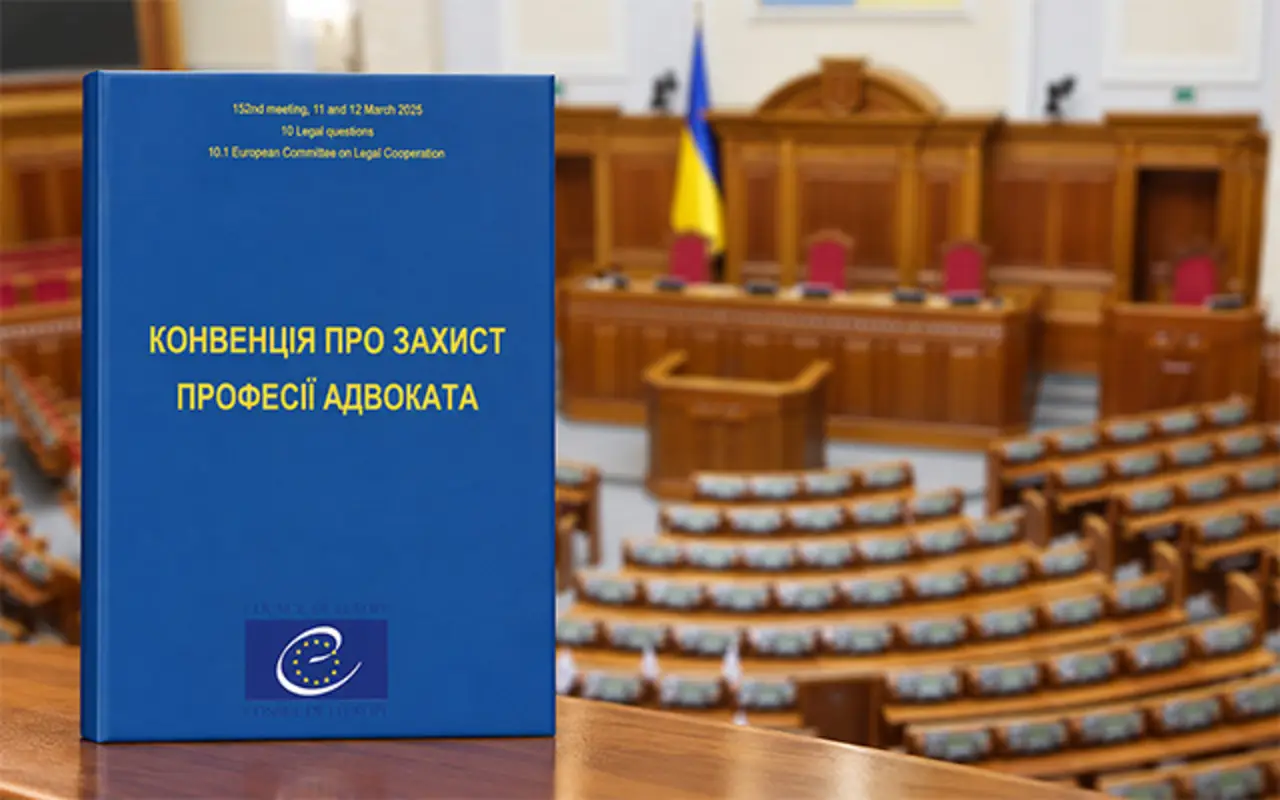
A bill implementing the Convention on the Protection of the Professions of Lawyer has been introduced
The constitutional guarantees of legal aid, defense, and the independence of advocacy cannot be realized without protecting advocates from unwarranted interference in their professional activities, including searches, the seizure of professional materials and the use of criminal procedural mechanisms to exert pressure.
Abroad
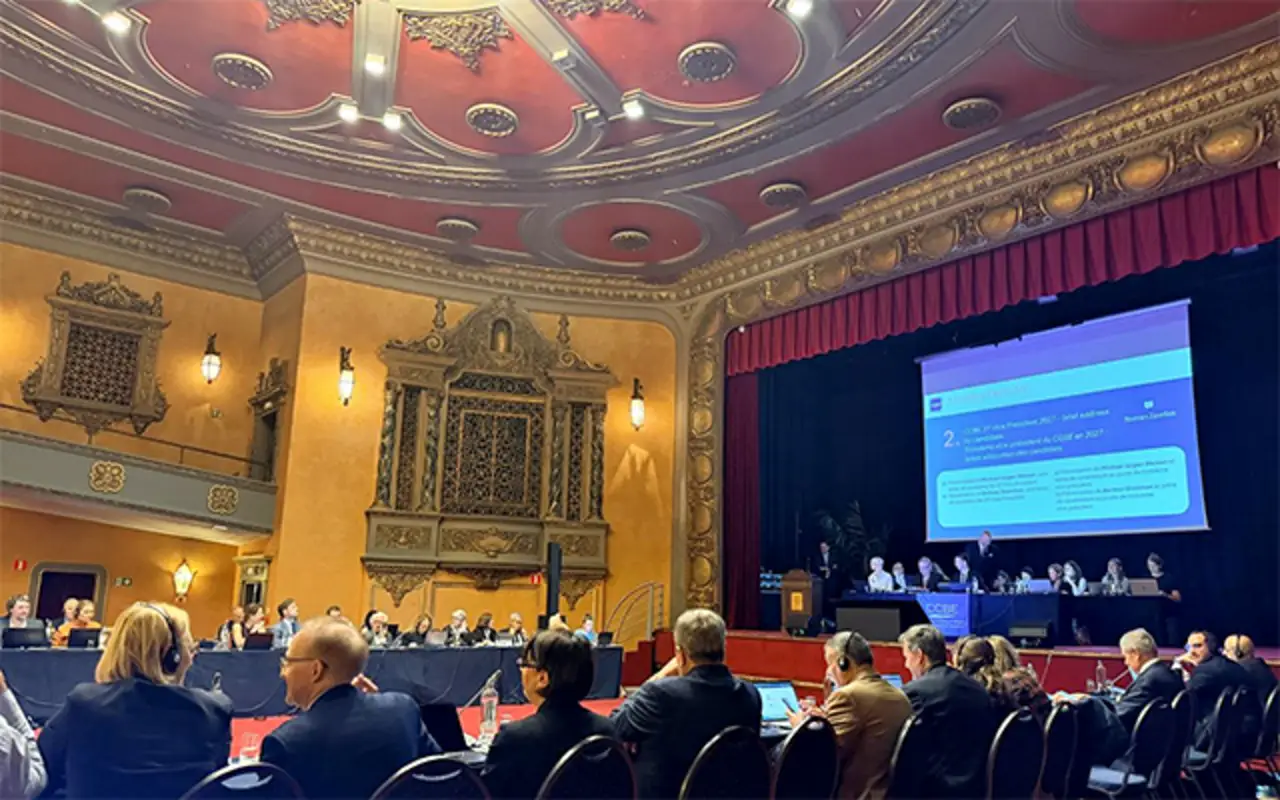
The CCBE is discussing European justice and issues related to the protection of advocates
Today, October 2, a meeting of the Standing Committee of the Council of Bars and Law Societies of Europe (CCBE) is taking place in Brussels. On the agenda are the protection of the advocate profession, the rule of law, attorney-client privilege, and changes in the European justice system.

Rule of Law Roadmap
The UNBA presented the key provisions of the future law on advocacy in Brussels
The Ukrainian National Bar Association presented its proposals for the upcoming law on advocacy, aligned with the Rule of Law Roadmap. The presentation covered topics such as access to the profession, self-governance, disciplinary procedures, professional development and guarantees for the practice of advocacy.

Discussion
First the return of assets, then subsidiary liability — an opinion
In bankruptcy cases, the legal entity’s ability to preserve and restore the financial foundation of its operations requires legal protection. In this regard, the right to solvency in which the legal entity is the aggrieved party should be an independent object of legal protection.

Educational events
Advocates were taught to voice their complaints without making accusations
In a difficult conversation, it’s easy to confuse facts with opinions, feelings with accusations, and requests with demands. How can you express dissatisfaction, explain your own needs, and propose a specific solution while still allowing your conversation partner the opportunity to refuse or suggest an alternative?
Guarantees of the practice of law
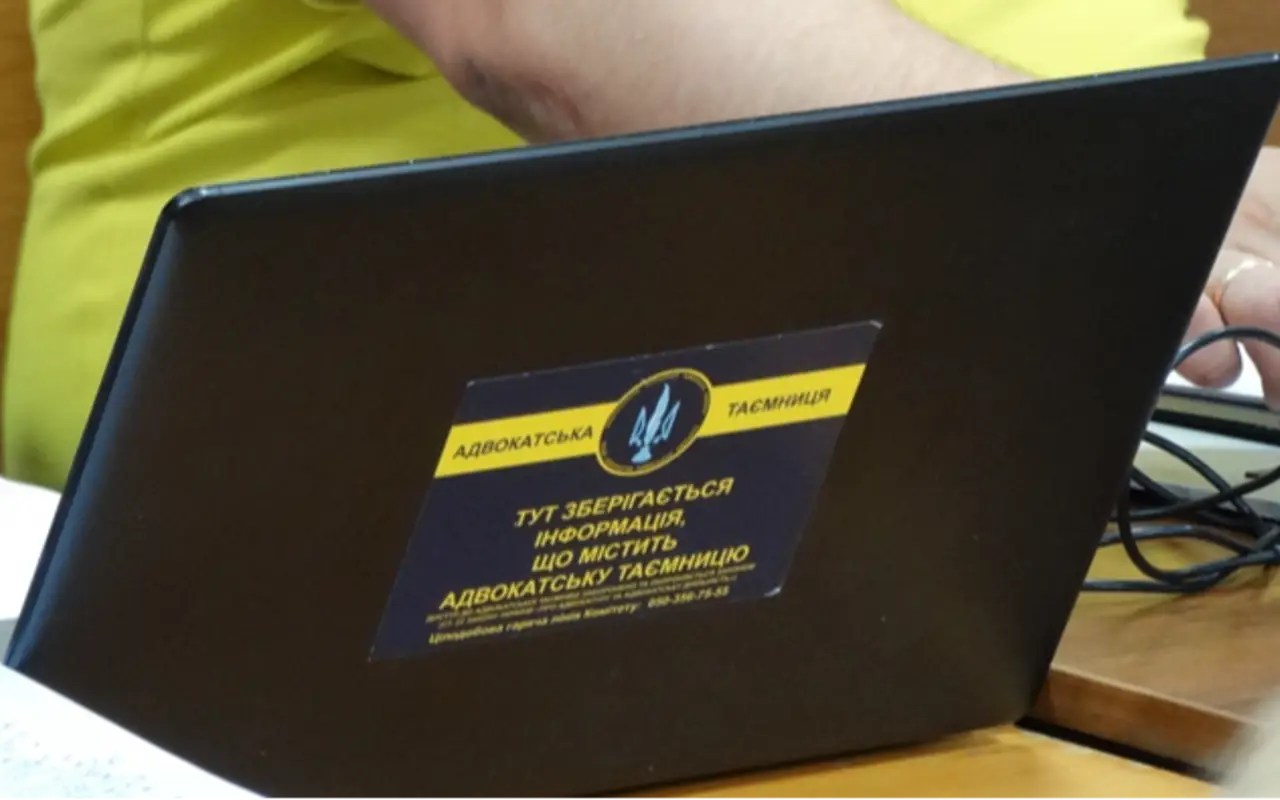
Search of an advocate's office after client's acquittal: criminal complaint filed
In Kyiv, law enforcement officers conducted a search of the home of an advocate who had defended a client acquitted by the court and seized materials from the advocate’s case file. The proceedings were initiated shortly after the acquittal, even though the document they were searching for was already included in the court case file.

Guarantees of the practice of law
The paradoxes of urgency: is it possible to investigate a crime before it is committed?
On September 24 in Kyiv, National Police officers detained an advocate during an emergency search, having caught him in the act of committing a crime. At the time, the pretrial investigation in this case had already been ongoing for more than four months.
Publications

Vasyl Kolishnyi, «Law and Business» Supporting mental health should become part of the professional culture of the Bar, - H. Udovenko

Volodymyr Matsko Extradition during wartime: when the risks outweigh the request

Volodymyr Matsko Extradition as a systemic form of rights violations

Victoria Yakusha, Law and Business The anti-corruption vertical cannot «take care» of the Bar as an institution, - acting head of the HQDCB

Censor.net Protecting advocates – protecting justice: addressing concerns about the new law

Ihor Kolesnykov A BRIEF SUMMARY REGARDING THE APPLICATION OF THE ORDER ON EXTENDED CONFISCATION IN LATVIA REGARDING FINANCIAL ASSETS OF…

Valentyn Gvozdiy WORKING IN A WAR ZONE

Lydia Izovitova Formula of perfection