


UNBA to file criminal complaints about violations of advocates' rights
Recently, the UNBA has received more frequent appeals about violations of the rights of lawyers and guarantees of the practice of law. Including by employees of the territorial centers of recruitment and social support. Some of the facts contain signs of a crime.
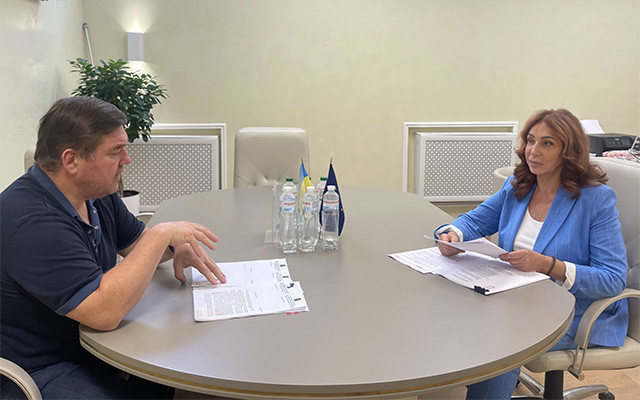
During the working meeting, Yevhen Solodko, Chairman of the UNBA Committee on Protection of Advocates' Rights and Guarantees of Practice of Law, told Lidiya Izovitova, the President of the UNBA, BCU.
In almost all regions of the country, there are cases when advocates are not allowed to see their clients under false pretenses, are forced to refuse to defend or provide legal aid, and are threatened and abused.
At the same time, the very activity of a lawyer in providing professional legal aid, which is guaranteed by the Constitution of Ukraine, is perceived and presented as facilitating criminal activity and obstructing the normal work of state bodies.
The most widespread violations occurred during mobilization procedures, when, on the instructions of the command, lawyers are not allowed to enter the premises of the TCC with clients who are liable for military service and are being provided with legal aid. In particular, the employees refer to the Law «On the Legal Regime of Martial Law», Article 8 of which authorizes the military command, together with military administrations, to introduce and implement, within the limits of temporary restrictions on constitutional rights and freedoms of man and citizen, measures of the legal regime of martial law, including the right to restrict the freedom of movement of citizens.
In this regard, it should be borne in mind that everyone's right to professional legal assistance, which is guaranteed by the Constitution, was not restricted during the introduction of martial law in Ukraine. And the obligation to ensure the implementation of this guarantee in accordance with the Constitution is entrusted to the Bar. Therefore, when providing assistance to a client, a lawyer does not exercise freedom of movement, but fulfills a constitutional duty.
Due to the systematic nature of these and other violations, the UNBA Committee on Protection of Advocates' Rights and Guarantees of Legal Practice plans to prepare a number of appeals to the Minister of Defense of Ukraine and the Commander of the Armed Forces of Ukraine, as well as statements to law enforcement agencies about the commission of crimes (in cases where the violations have acquired signs of public danger) to take measures in accordance with their competence.
The Criminal Code of Ukraine contains three corpus delicti related to the violation of the rights of lawyers and guarantees of their activities, namely:
- interference with the activities of a defense counsel or representative of a person (Article 397);
- threat or violence against a defense counsel or representative of a person (Article 398);
- intentional destruction or damage to the property of a defense counsel or representative (Article 399).
As a reminder, recently the Volyn TCC stated that lawyers should not interfere in the processes of mobilization and military medical examination. This statement was immediately commented on by the Ukrainian Parliament Commissioner for Human Rights and the UNBA. After the UNBA's intervention, the TCC stated that it did not intend to restrict the rights of lawyers or deprive citizens of the constitutional right to defense in any way, and promised to create a special place for meetings between lawyers and persons liable for military service.
Popular news
Legislation
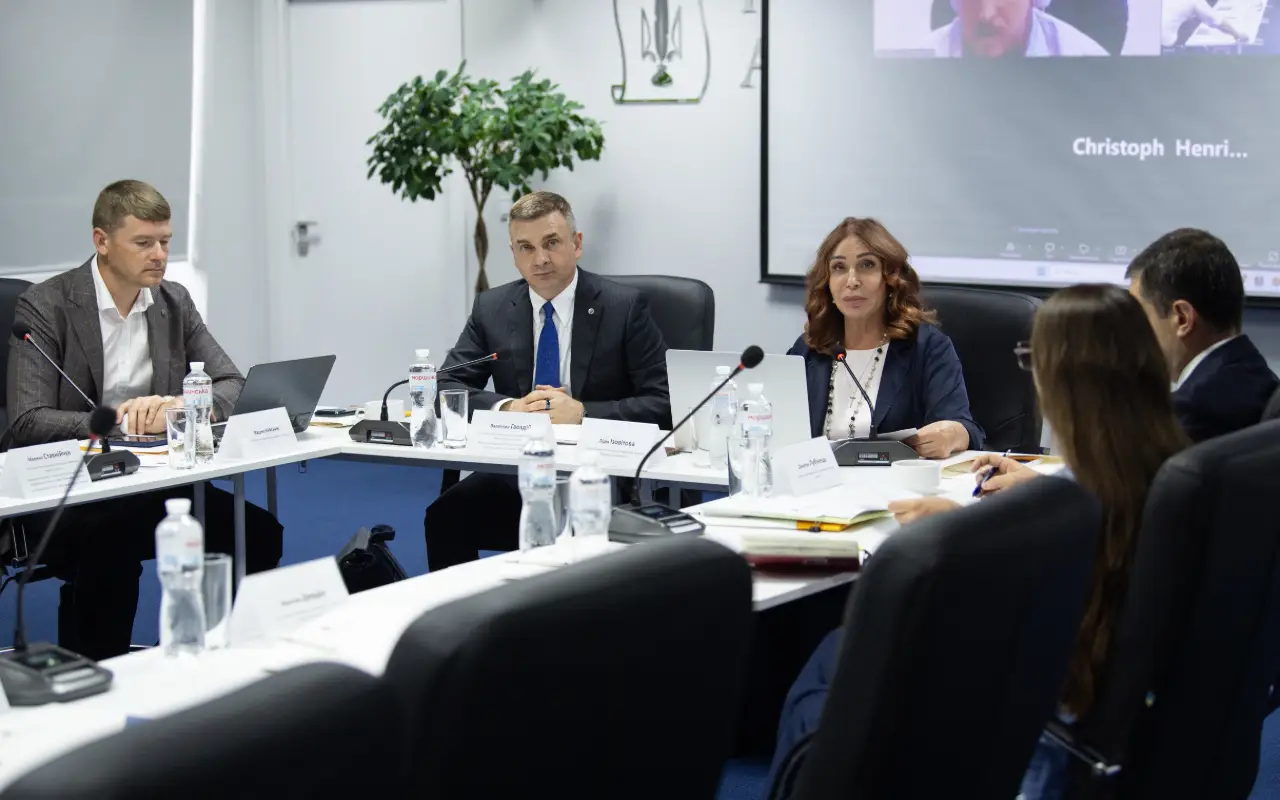
The path to ratification of the Convention must not end in yet another delay — L. Izovitova
Ukraine’s preparations for the ratification of the Council of Europe Convention on the Protection of the Professions of Lawyer have already passed key stages. Now, government institutions must submit the matter to the Verkhovna Rada for consideration. In doing so, Ukraine may complete the ratification process faster than EU member states.
Guarantees of the practice of law
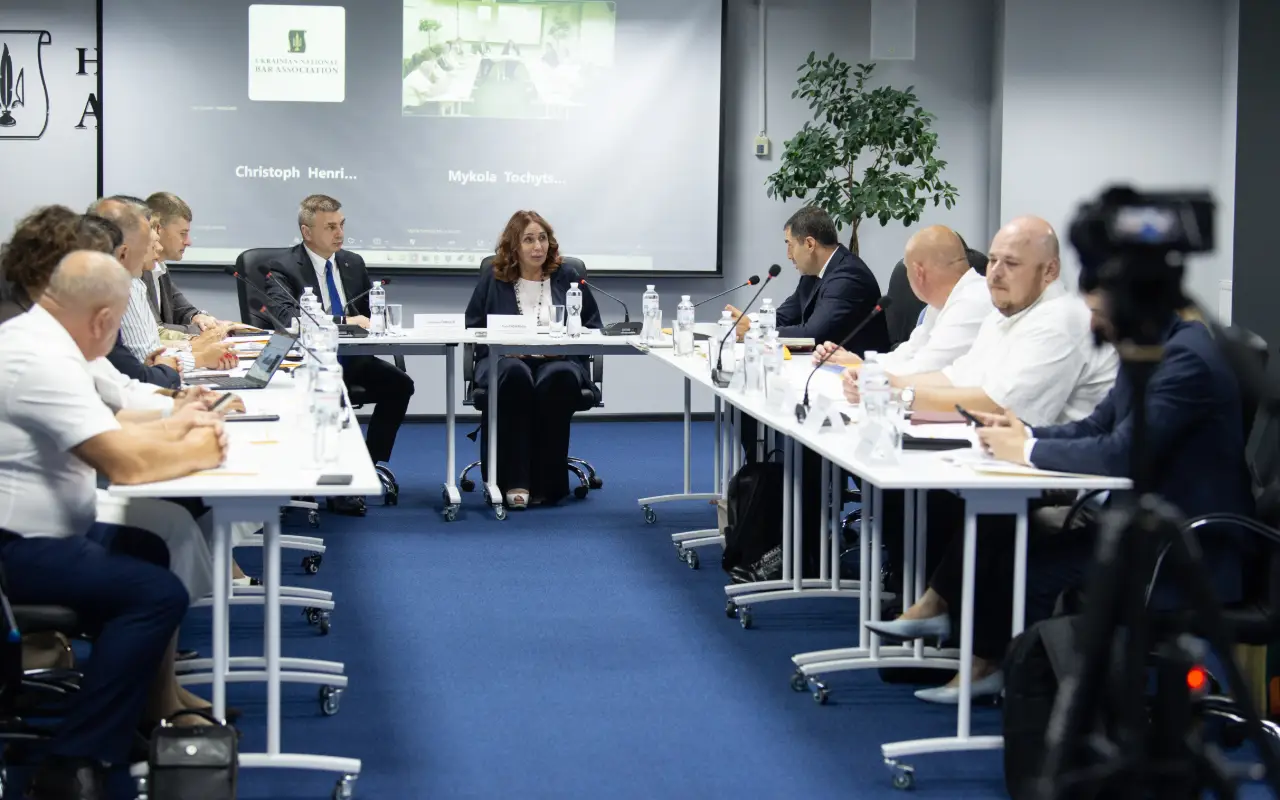
Ukraine could be the first to implement a European mechanism for the protection of advocates. What’s holding it back?
Ukraine has a chance to be the first country to ratify the Council of Europe Convention on the Protection of the Professions of Lawyer. Political support for this exists, but the government’s legislative package has not yet been submitted to parliament. Meanwhile, the number of violations of advocates’ rights is on the rise.
Educational events
How can an advocate verify that work has been completed if the client refuses to sign the report?
When billing by the hour, the primary document for determining the fee may be a detailed report on the time spent by the advocate and the work performed. To prevent the client from withholding payment, the contract should specify in advance the procedure for submitting and approving such a report.
Self-government
The BCU took note of the public appeal from the HCJ
The Bar Council of Ukraine has determined that, given the current security situation, it is objectively impossible to hold, in accordance with the procedure established by the Law «On the advocacy and the practice of law», meetings of advocates, regional conferences of advocates and the Congress of Ukrainian Advocates, including for the purpose of electing two members of the High Council of Justice under the quota allocated to the Congress of Ukrainian Advocates.
War
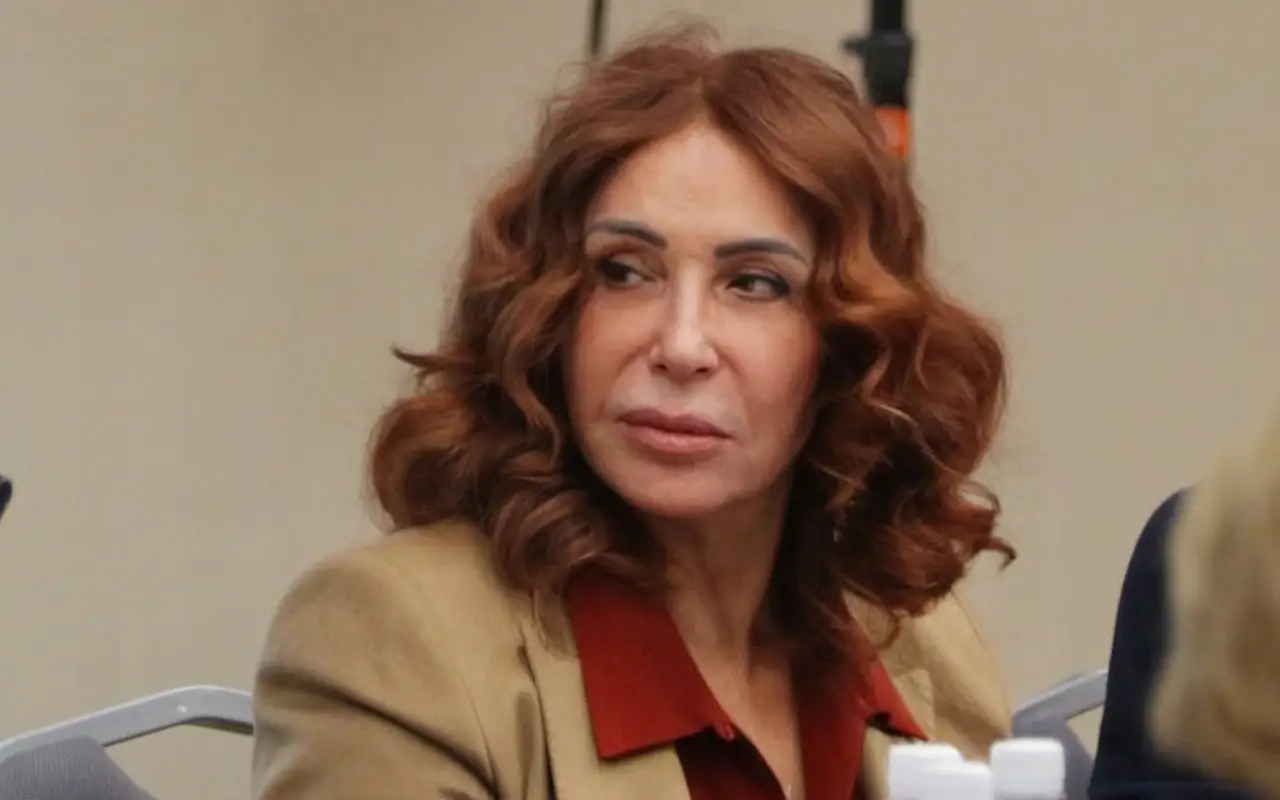
The BCU has launched a digital project «Wall of Remembrance and Honor»
The Bar Council of Ukraine has adopted a resolution to launch the digital project «Wall of Remembrance and Honor». To this end, the UNBA is beginning to collect information on advocates and paralegals who lost their lives as a result of the Russian Federation’s armed aggression against Ukraine.
Legal defence of military personnel
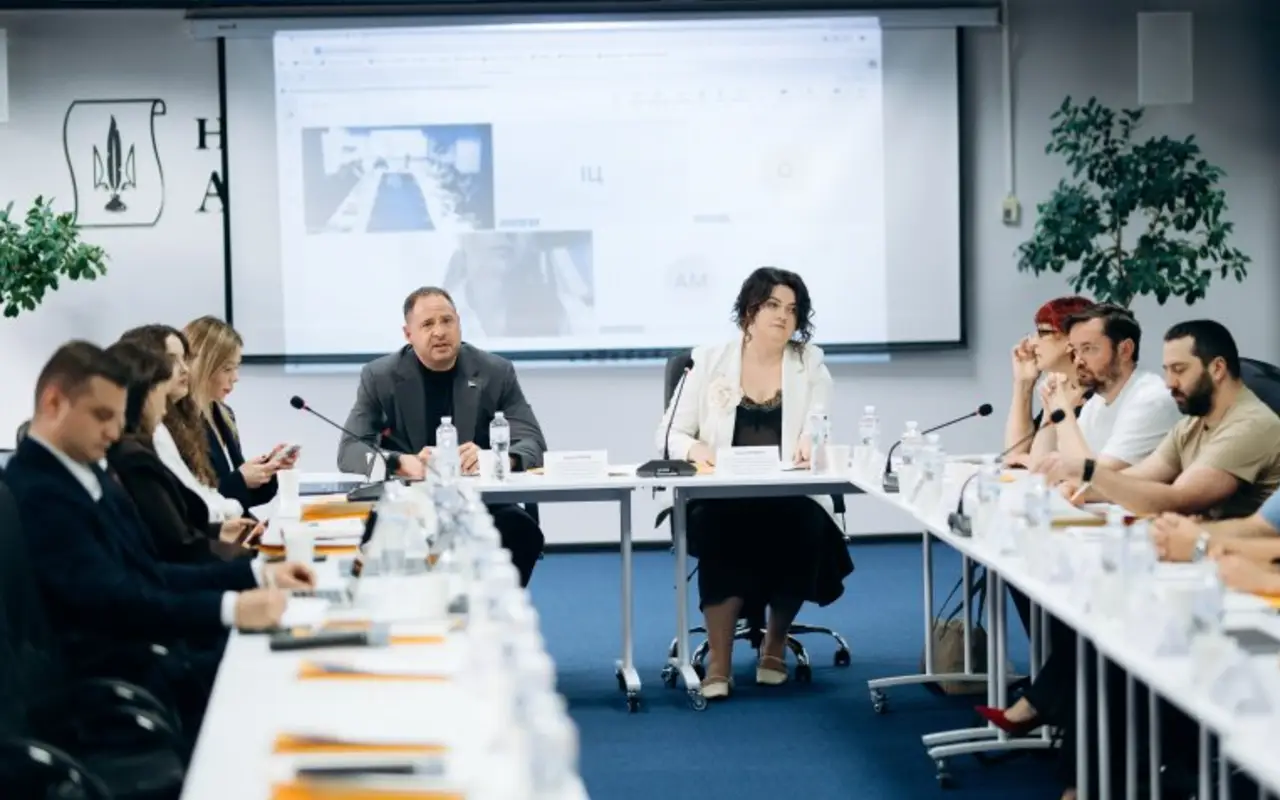
Medical care, veterans' benefits and legal assistance: what changes are needed to protect service members
The consequences of torture and illnesses suffered by Ukrainian servicemembers while in captivity are not always properly documented or taken into account when providing social benefits. Therefore, a medical examination is crucial during the reintegration phase; it is also necessary for documenting war crimes.
Interaction
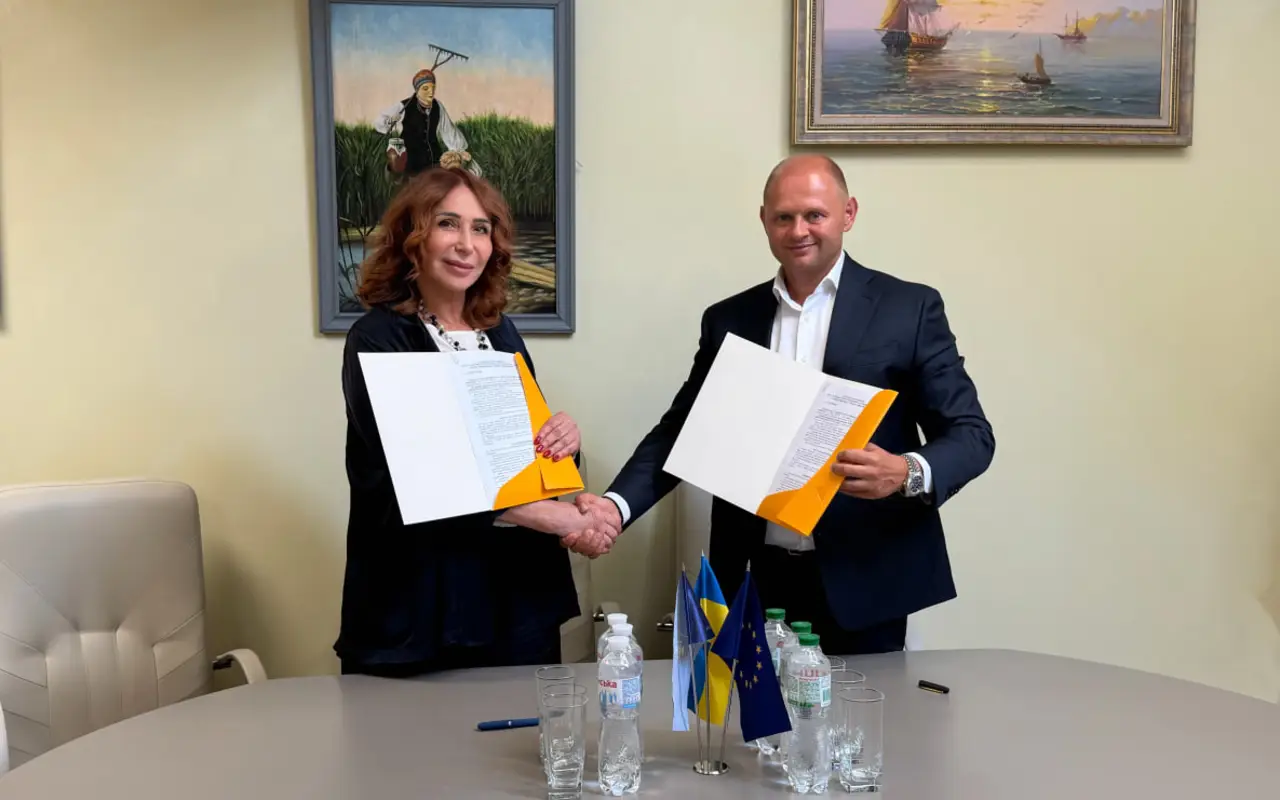
Energy law: the UNBA and the ADMGE have agreed to cooperate
Advocates will deepen their professional expertise in the field of energy law, and participants in the distributed and flexible generation market will have greater opportunities to obtain professional legal assistance.
Educational events
How glasses help you switch off advocate mode – a lifehack
The constant need to be available to clients, thinking about cases outside of work hours, and internalizing others’ emotions blur the line between an advocate’s professional and personal life. That is why it is important to practice switching between contexts, use external «anchors» and separate one’s own responsibilities from those of the client.
Publications

Volodymyr Matsko Extradition during wartime: when the risks outweigh the request

Volodymyr Matsko Extradition as a systemic form of rights violations

Victoria Yakusha, Law and Business The anti-corruption vertical cannot «take care» of the Bar as an institution, - acting head of the HQDCB

Censor.net Protecting advocates – protecting justice: addressing concerns about the new law

Ihor Kolesnykov A BRIEF SUMMARY REGARDING THE APPLICATION OF THE ORDER ON EXTENDED CONFISCATION IN LATVIA REGARDING FINANCIAL ASSETS OF…

Valentyn Gvozdiy WORKING IN A WAR ZONE

Lydia Izovitova Formula of perfection

Sergiy Vylkov Our judicial system is so built that courts do not trust advocates